D1 HBCUs and HBCU Athletics: Conferences and Culture

Yes, HBCUs compete in NCAA Division 1. About 20 historically Black colleges play at the D1 level through the two Division 1 HBCU conferences, the Southwestern Athletic Conference (SWAC) and the Mid-Eastern Athletic Conference (MEAC), and a handful of others compete in mostly non-HBCU D1 leagues. HBCU athletics also runs deep in Division 2, home to the oldest Black college conferences and some of the sport’s most celebrated traditions.
Here is how HBCU athletics is organized across divisions, which schools play D1, and the culture that makes HBCU sports unlike anything else in college athletics.
Are HBCUs Division 1?
HBCUs are Division 1, and most D1 HBCUs belong to one of two conferences: the SWAC and the MEAC. Together these two leagues account for about 20 Division 1 HBCUs. Their football champions do not enter the FCS playoffs but instead meet in the Celebration Bowl, which functions as the unofficial Black college football national championship. A few other HBCUs play D1 as members of predominantly non-HBCU conferences.
The D1 HBCU Conferences: SWAC and MEAC
The SWAC is made up of 12 full members, almost all public universities across the South. The MEAC runs along the eastern seaboard from Delaware to South Carolina. The SWAC’s current members are:
- Alabama A&M University and Alabama State University
- Alcorn State University and Jackson State University (Mississippi)
- Grambling State University and Southern University (Louisiana)
- Prairie View A&M University and Texas Southern University (Texas)
- Mississippi Valley State University
- Arkansas at Pine Bluff
- Bethune-Cookman University and Florida A&M University (Florida)
The MEAC now has eight members: Howard University, Morgan State University, Coppin State University, Delaware State University, Norfolk State University, North Carolina Central University, South Carolina State University, and Maryland Eastern Shore. The two conferences send their football champions to the Celebration Bowl each December.
D1 HBCUs Outside the SWAC and MEAC
Not every Division 1 HBCU plays in an HBCU conference. Several compete in leagues where most members are not HBCUs, including:
- Hampton University and North Carolina A&T State University, both now in the Coastal Athletic Association.
- Tennessee State University, a longtime Division 1 program in Tennessee.
- Chicago State University, the northernmost D1 HBCU.
HBCU Athletic Conferences at a Glance
There are five traditional HBCU conferences spread across three levels of competition:
| Conference | Level | Note |
|---|---|---|
| SWAC | NCAA Division 1 | 12 members, all Southern |
| MEAC | NCAA Division 1 | Eastern seaboard, 8 members |
| CIAA | NCAA Division 2 | Oldest HBCU conference |
| SIAC | NCAA Division 2 | Leads D2 in football attendance |
| GCAC | NAIA | Only all-HBCU NAIA conference |
Are There D2 HBCUs?
Some of the most storied HBCU athletics happens in Division 2. The CIAA is the oldest HBCU athletic conference, and its men’s basketball tournament draws more than 100,000 fans every year, one of the largest events in Division 2 sports. Its longtime southern rival, the SIAC, traditionally leads all of NCAA Division 2 in football attendance. In the NAIA, the GCAC is the only conference made up entirely of HBCUs.
The Culture: Classics, Bands, and Homecoming
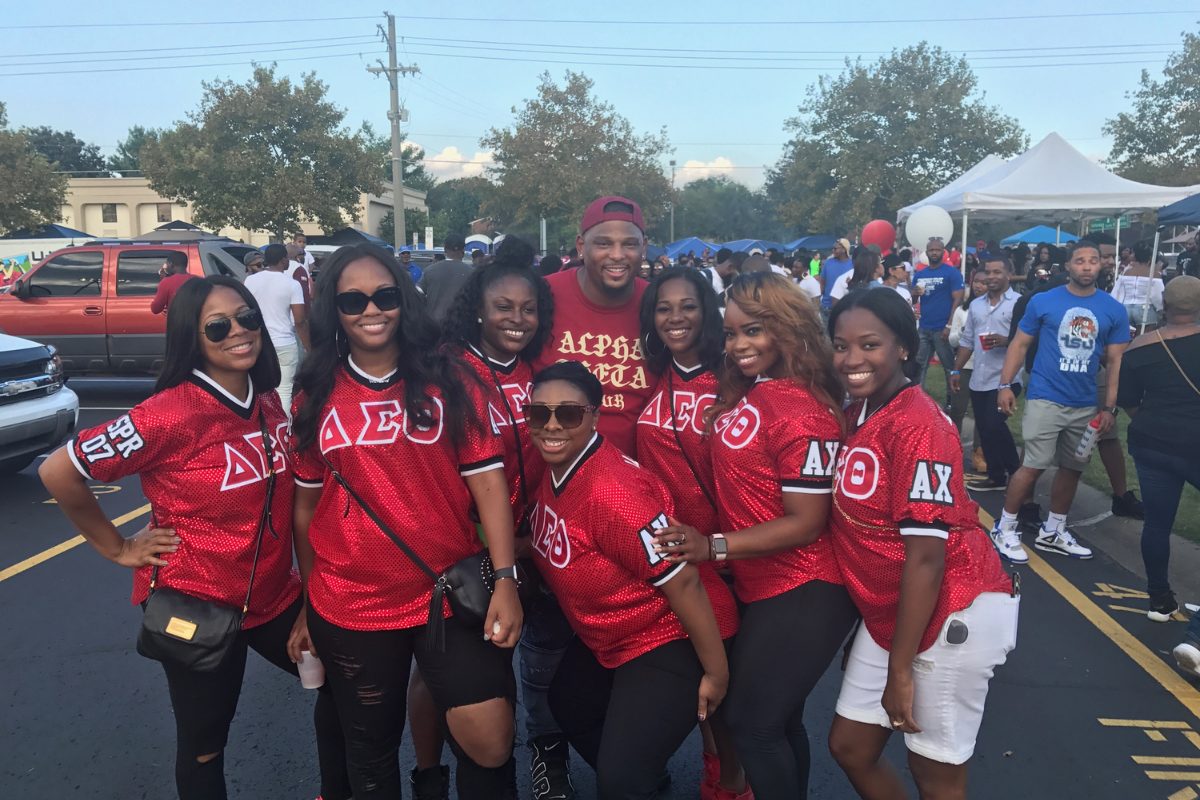
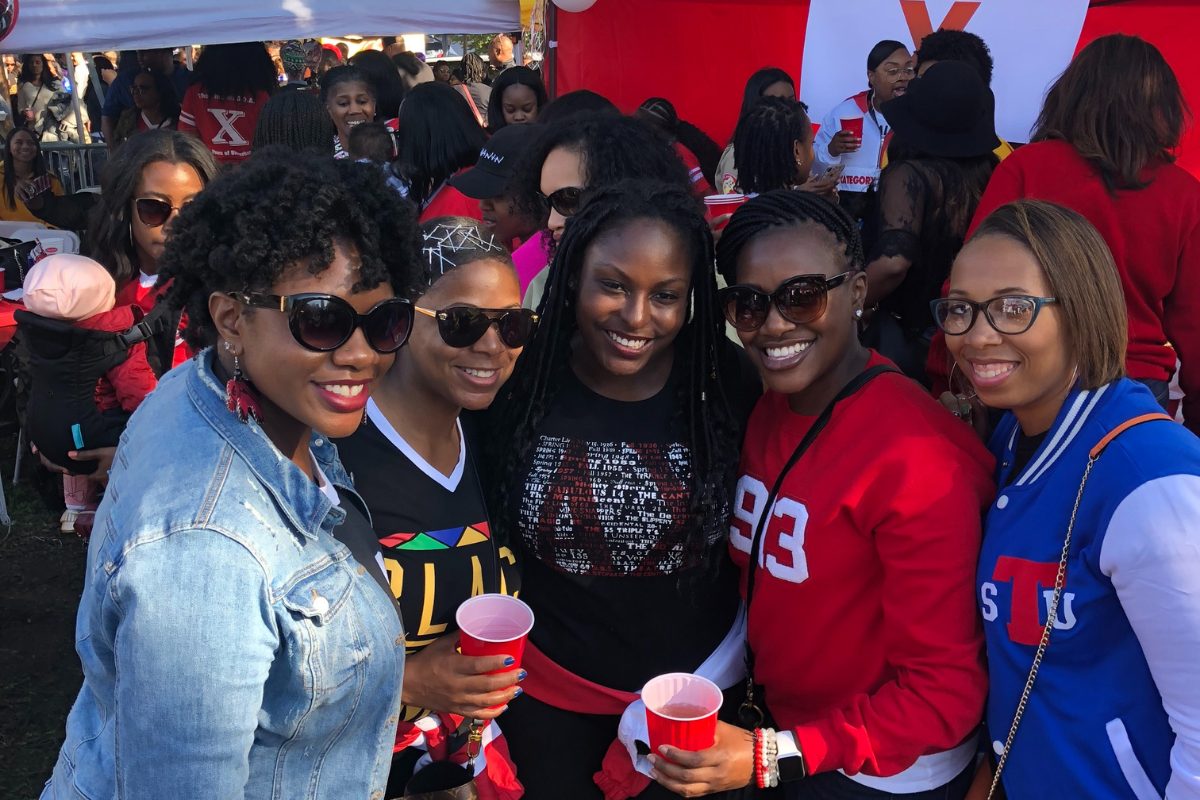
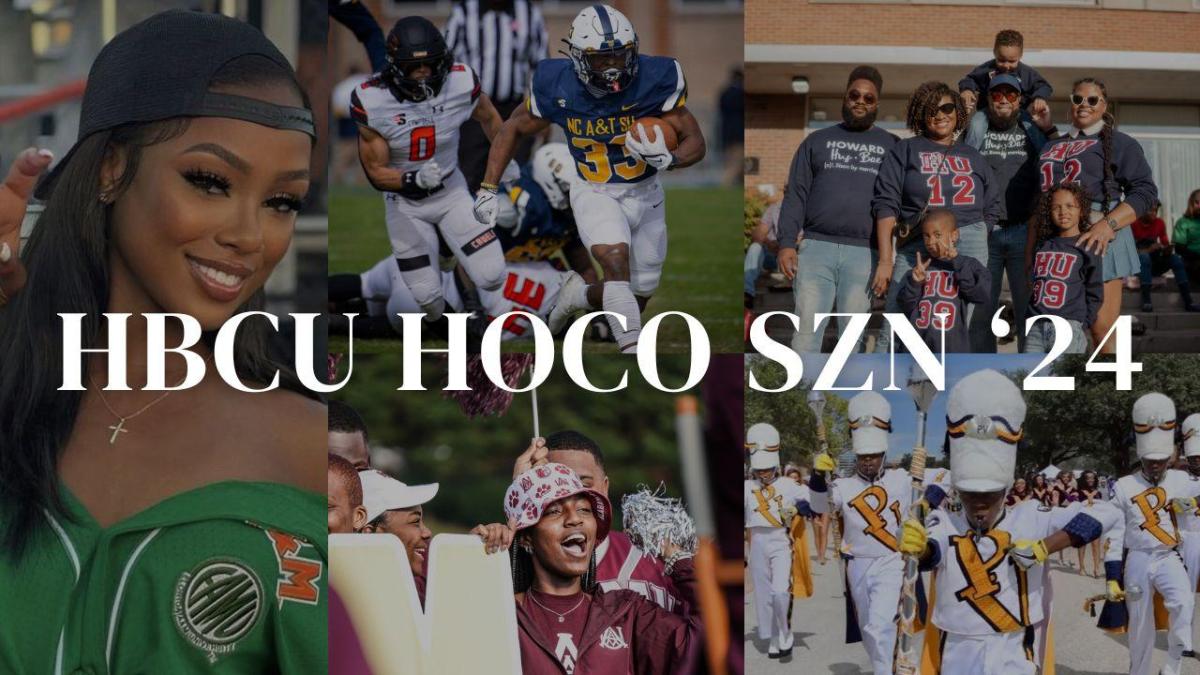
HBCU athletics is as much about the experience as the score. Football “classics” have drawn huge crowds since the 1920s, from the Bayou Classic between Grambling and Southern to the Boombox Classic between Southern and Jackson State. At an HBCU game, the marching bands are a main event in their own right, and homecoming is the social highlight of the year. You can read more about the sound of these programs in our guide to HBCU marching bands, and about game-day traditions in our look at HBCU yard culture. To see every school, browse our list of HBCUs by state. Division and conference details are tracked by the NCAA and each league, such as the SWAC.
If you rep an HBCU on game day, browse Ireishprint’s custom HBCU and Greek apparel to show that pride in the stands.