
Which Black Fraternity Should You Join: A Comparison Guide

If you are weighing which Black fraternity to join, the short answer is that there are five to consider, all part of the National Pan-Hellenic Council, collectively known as the Divine Nine. They share the same Black Greek-letter origin story but each has its own founders, mottos, traditions, and program portfolio. The harder answer, and the one this comparison guide is built around, is that the right fraternity is the one whose values, members, and on-campus chapter most closely match yours. The choice is lifetime, not a four-year commitment, so it pays to slow down.
Start With the Five, Then Narrow Down
The five historically Black fraternities of the Divine Nine were founded between 1906 and 1963 at HBCUs and predominantly white institutions in roughly equal measure. They were created in response to exclusion from existing Greek-letter organizations and have grown into international brotherhoods. Today, close to 2 million members belong to the National Pan-Hellenic Council’s nine organizations combined, and every one of those memberships is for life. That permanence is the most important thing to internalize before you rush. You are not picking a college club. You are picking the network and obligation you will carry into your 30s, 40s, and beyond.
The Five Black Fraternities Side by Side
| Fraternity | Founded | Where | Motto | Causes / focus |
|---|---|---|---|---|
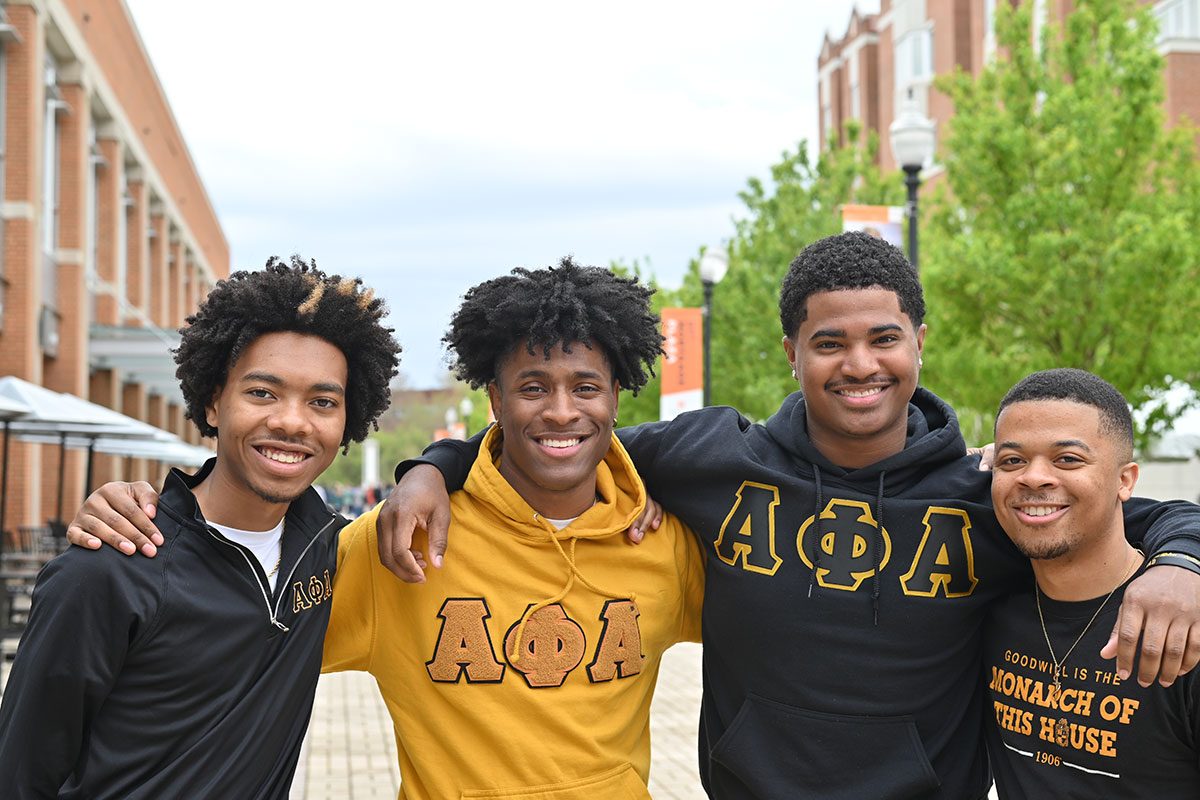
| Alpha Phi Alpha | Dec 4, 1906 | Cornell University | First of All, Servants of All, We Shall Transcend All | Voter engagement, mentoring, education, elder care |
| Kappa Alpha Psi | Jan 5, 1911 | Indiana University Bloomington | Achievement in Every Field of Human Endeavor | Community service, social welfare, academic scholarship |
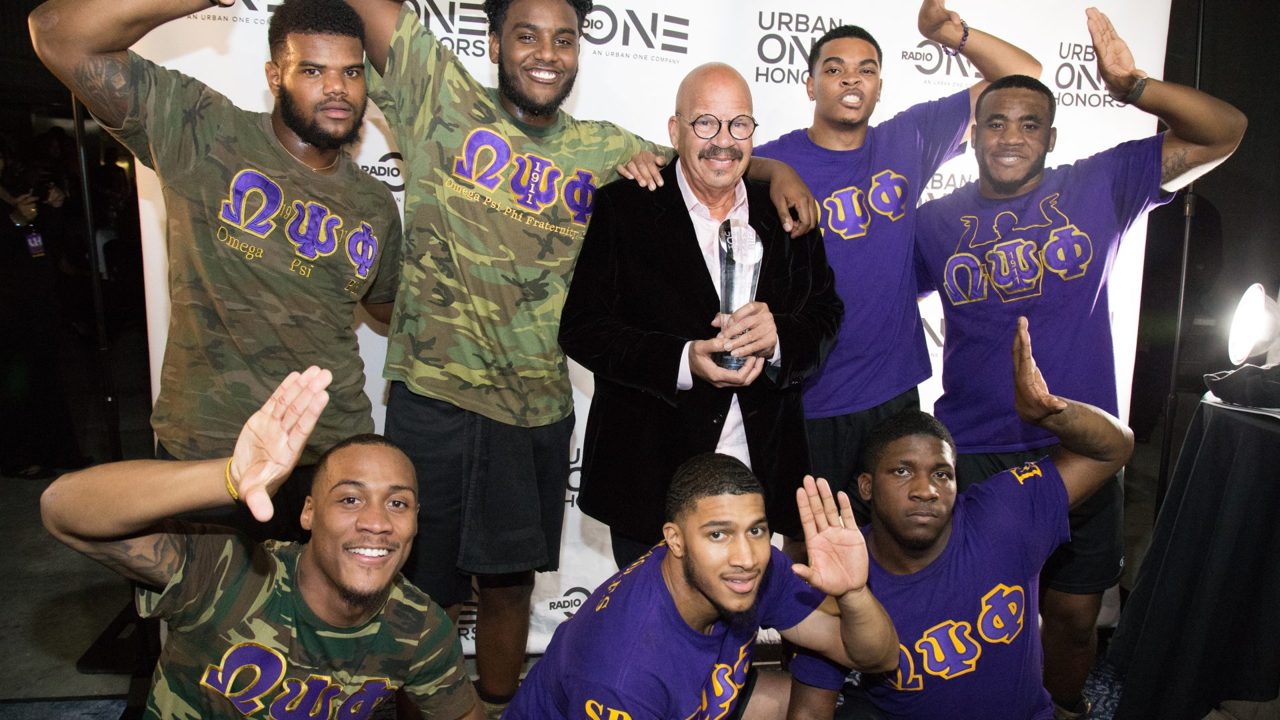
| Omega Psi Phi | Nov 17, 1911 | Howard University | Friendship Is Essential to the Soul | Voter registration, fatherhood, mentoring, literacy, STEM |
| Phi Beta Sigma | Jan 9, 1914 | Howard University | Culture for Service and Service for Humanity | Community service, mentoring, education, health |
| Iota Phi Theta | Sept 19, 1963 | Morgan State University | Building a Tradition, Not Resting upon One! | Health, literacy, domestic abuse, human trafficking |
A few quick differentiators that don’t fit in a table. Alpha Phi Alpha is the only Divine Nine fraternity founded at an Ivy League school and was the first to become interracial, in 1945. Kappa Alpha Psi was the first incorporated Black fraternity and gave the world the iconic cane tradition, with members known as Nupes. Omega Psi Phi was the first founded on an HBCU campus and built four guiding principles, Manhood, Scholarship, Perseverance, and Uplift, into everything it does. Phi Beta Sigma was founded on an explicit inclusive we philosophy and is the only one to hold a constitutional bond with a Black sorority, Zeta Phi Beta. Iota Phi Theta is the youngest, founded by 12 men at Morgan State in 1963, and was the last to join the NPHC.
Match Your Values to Their Mission
Once you know who founded what, the more useful question is whose ongoing programs sound like you. Choosing a fraternity is more than joining a social group, it is finding a community that resonates with your identity, aspirations, and values. If voter engagement and civil-rights legacy pull on you, look at Alpha Phi Alpha, whose alumni include Martin Luther King Jr., Thurgood Marshall, and Raphael Warnock. If you see yourself in academic-achievement-focused mentorship and the cane-and-stroll culture, Kappa Alpha Psi runs Guide Right and Achievement Academy programs that fit. If your fire is around fatherhood, STEM access, or high-energy step culture, Omega Psi Phi gives you OmegaSTEM, Talent Hunt, and the famous Que Hop. If your draw is service-first community work plus a built-in sister organization, Phi Beta Sigma’s Sigma Beta Club youth program and Bigger and Better Business arm reflect that. If you want a younger, action-oriented organization that still has room for you to shape its direction, Iota Phi Theta is rebuilding hard through the National Iota Foundation and the One Iota Foundation. Most candidates can find more than one fit on paper. The work is figuring out which fit is real.
Show Up Before You Sign Up

Attending college fairs and Greek events offers invaluable insights, but the real test is showing up at the chapter on your own campus. Watch how the brothers carry themselves at a yard show. Talk to them after a community service event. Be prepared to interview, not just be interviewed. Ask members what their organization’s mission actually means to them in week-to-week practice, what experiences bonded them to their line brothers, and how Greek life has changed their worldview, their relationships, and their college experience. If a chapter can’t answer those without falling back on slogans, that tells you something. If a chapter answers them with specifics that match how you want to spend the next four years and the next forty, that tells you something too.
The Grades, the Commitment, the Lifetime
Three things to settle before you put in a letter. First, your grades. Academic achievement is a cornerstone of historically Black fraternities, and chapter selection committees give the most favorable looks to pledges with the highest GPAs. If your GPA is not where it needs to be, work on that first and rush later. Second, your time. Membership is lifelong, and family legacies often span generations within the same fraternity, with relatives pledging decades apart. The intake process itself is intense. The decades that follow are even longer. Third, your attitude. The strongest chapters are made of strong individuals. If you join with a contribution mindset, looking for where your skills can lift the chapter rather than what it can do for you, you will end up where you wanted to be, regardless of which letters end up on your jacket.
Common Questions When Choosing
How do I know which fraternity is right for me? Three checks in order. Does the founding history and motto sound like something you would say out loud and mean? Do the active members on your campus reflect the kind of brotherhood you want? Do their ongoing programs match how you actually want to spend your time? If the answer to all three is yes for one organization, you have your answer. If two organizations tie, the campus chapter is the tiebreaker.
What is the most respected black fraternity? There is no single most respected fraternity in the Divine Nine. Each one was founded out of the same exclusion-era pressure and has built its own legacy of changemakers, executives, leaders, entertainers, and athletes. Alpha Phi Alpha is the oldest. Kappa Alpha Psi was the first incorporated. Omega Psi Phi was the first founded at an HBCU. Phi Beta Sigma was the first Black fraternity with a member on a U.S. coin, George Washington Carver. Iota Phi Theta is the most action-oriented of the youngest generation. Respect tracks with what your community values most. For a deeper org-by-org rundown, see our Divine Nine comparison chart.
Do I have to be at an HBCU to join? No. Alpha Phi Alpha was founded at Cornell, a predominantly white institution, and Kappa Alpha Psi was founded at Indiana University, also a PWI. Chapters now exist at colleges across the United States and internationally in countries like Bermuda, the United Kingdom, Nigeria, and Canada. Your campus is more likely to limit you by which chapters are active there than by what kind of school it is.