
Famous Alpha Phi Alpha Members Who Changed the World

Alpha Phi Alpha has been a launchpad for some of the most consequential Black men of the last century. Since seven founders chartered the fraternity at Cornell University on December 4, 1906, its rolls have included Nobel laureates, Supreme Court justices, Olympic champions, and Grammy winners. The motto “First of All, Servants of All, We Shall Transcend All” became a measurable record of impact across civil rights, government, sports, music, business, and culture. The men below are the brothers who took that motto into the world and changed it.
Civil Rights Giants Who Changed the World
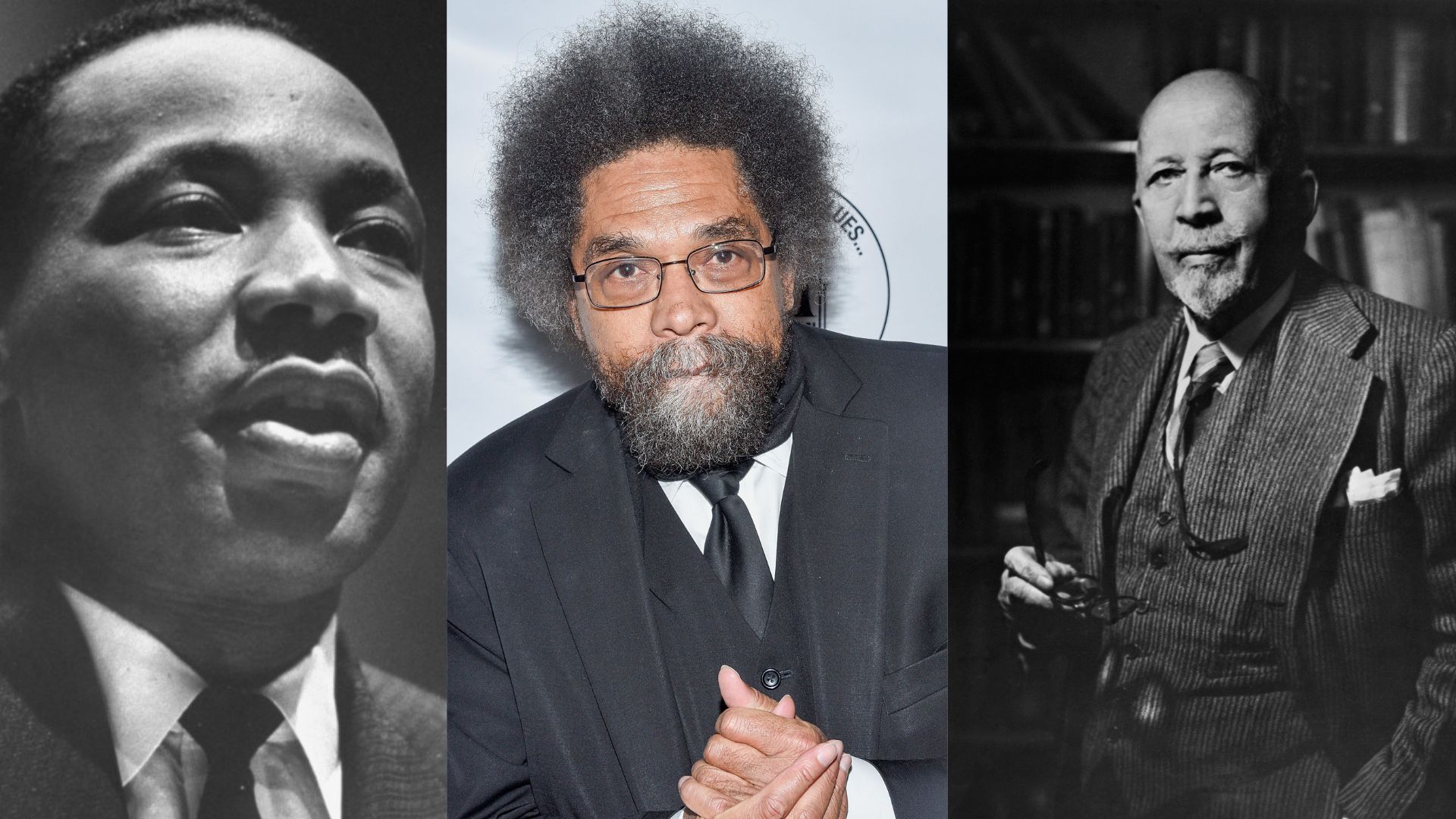
Dr. Martin Luther King Jr. Civil Rights Icon and Nobel Peace Prize Laureate. King joined Alpha Phi Alpha while studying at Boston University via the Sigma chapter. He led the Montgomery Bus Boycott, the March on Washington, and the Selma voting rights campaign, and he remains the only American outside U.S. Presidents honored with a federal holiday.
Thurgood Marshall. First African American U.S. Supreme Court Justice. Marshall (1908 to 1993) argued Brown v. Board of Education and served as director and chief counsel for the NAACP Legal Defense Fund from 1940 to 1961 before his 1967 Supreme Court appointment. He retired in 1991 after taking liberal positions on capital punishment, free speech, school desegregation, and affirmative action.
W.E.B. Du Bois. Scholar and NAACP Co-founder. An honorary Alpha, Du Bois was the first African American to earn a doctorate from Harvard and helped launch the modern civil rights movement through his writing and activism.
Paul Robeson. Renaissance Man and Activist. Robeson earned All-American football honors and Phi Beta Kappa at Rutgers, took a Columbia law degree in 1923, and went on to star in Othello and Porgy and Bess. He spoke Chinese, Russian, Gaelic, and Spanish, won the NAACP’s Spingarn Medal in 1945, and paid a heavy public price during the McCarthy era.
Adam Clayton Powell Jr. Congressman and Minister. Powell became the first African American Congressman from New York and chaired the House Education and Labor Committee, helping pass key elements of President Johnson’s Great Society.
Whitney M. Young Jr. National Urban League Leader. Young served as Executive Director of the National Urban League from 1961 until his death in 1971 in Lagos, Nigeria, working inside political and economic systems to expand opportunity for African Americans.
Athletes Who Broke Records and Barriers
Jesse Owens. Olympic Champion and Symbol of Triumph Over Racism. Born in Danville, Alabama in 1913, Owens won four gold medals at the 1936 Berlin Olympics, beating world records and undercutting Adolf Hitler’s Aryan-supremacy propaganda on the world’s largest stage.
Eddie Robinson. Legendary Football Coach. “Coach Rob” coached Grambling State University for 54 seasons and retired in 1997 with more than 400 career wins, the most in college football history at that time. His mentorship pipeline produced hundreds of professional players and college graduates.
Jackie Robinson. First Black Major League Baseball Player. Robinson broke MLB’s color line and reframed what was possible for Black athletes across every American professional league.
Fritz Pollard. First Black NFL Head Coach. Pollard was a pioneering player and coach in the earliest years of the National Football League.
The fraternity’s sports legacy continues with NFL and NBA names such as Charles Haley, Walt “Clyde” Frazier, and Lenny Wilkens, who retired as the winningest coach in NBA history.
Voices in Music and Entertainment
Duke Ellington. Jazz Composer and Bandleader. Born Edward Kennedy Ellington in 1899, the man known as Duke led his orchestra for 50 years and composed more than 1,000 works, setting a standard of sophistication that still defines American jazz. He joined Alpha through the Alpha Zeta Lambda chapter.
Donny Hathaway. Soul Singer and Composer. Hathaway’s “A Song for You” and “This Christmas” remain seasonal and emotional standards across genres, and his Beta-chapter line continues to inspire vocalists today.
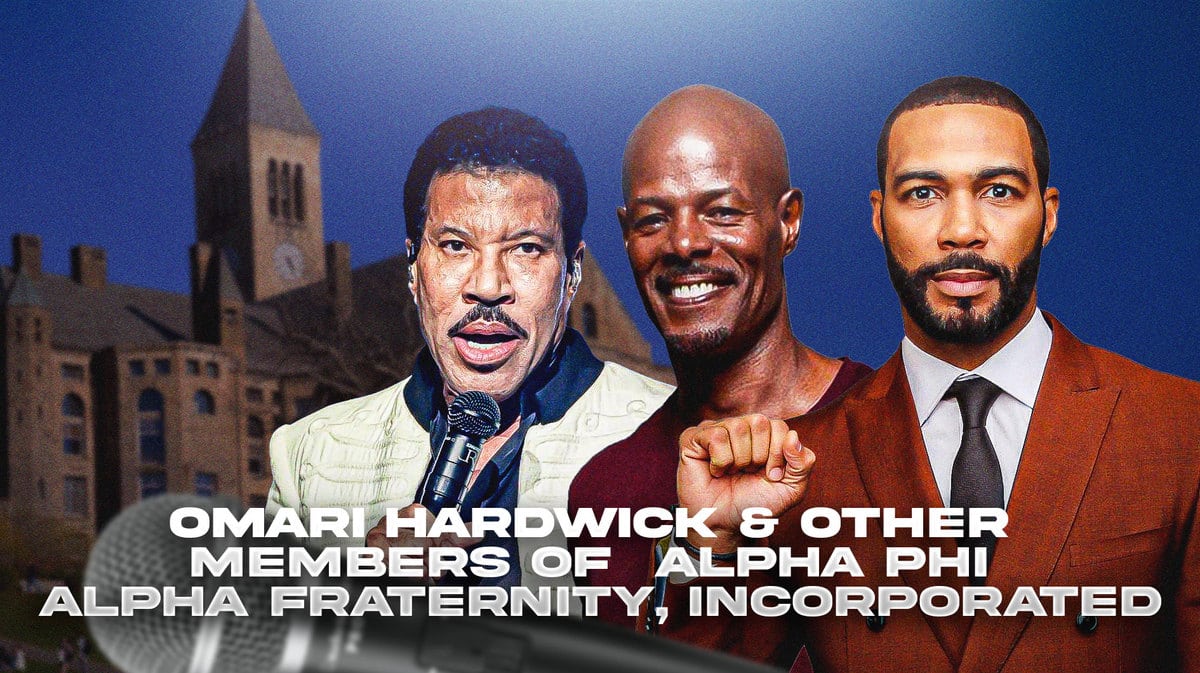
Lionel Richie. Grammy and Academy Award Winner. From The Commodores into his solo career, Richie sold more than 100 million records and helped define the sound of 1980s pop and R&B.
Sidney Poitier. Academy Award Winning Actor. Poitier broke Hollywood’s racial barrier as one of the first Black actors to win an Oscar for Best Actor and remained a moral voice in American cinema for the rest of his career.
Yahya Abdul-Mateen II. Emmy Award Winning Actor. Abdul-Mateen earned acclaim in Watchmen, Candyman, and The Trial of the Chicago 7, joining the next generation of Alpha brothers in entertainment.
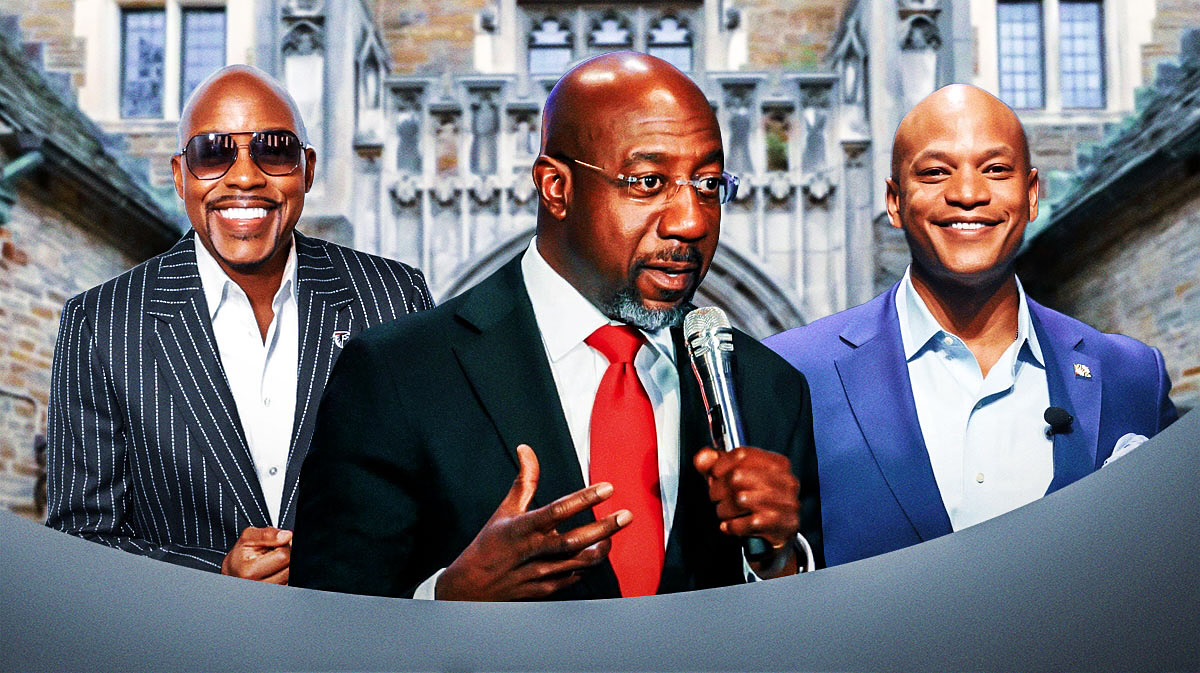
Will Packer and Barry Jenkins. Hollywood Producer and Director. Packer produced Girls Trip, Think Like a Man, and Ride Along. Jenkins directed work that has shaped how Black stories are told on screen.
Builders of Business and Black Media
John H. Johnson. Founder of Ebony and Jet. In 1942, Johnson used his mother’s furniture as collateral on a $500 loan to launch Negro Digest, which later became Ebony, and then Jet. He grew Johnson Publishing into the largest Black-owned publishing and cosmetics company in the world, expanding with the launch of Ebony South Africa in November 1995.
Robert F. Smith. Billionaire Investor and Philanthropist. Smith founded Vista Equity Partners and made global headlines in 2019 when he pledged at commencement to pay off the student loan debt of the entire Morehouse College graduating class.
Garrett Morgan. Inventor and Entrepreneur. Morgan invented the three-position traffic signal, an everyday safety device that has been adopted around the world.
Thomas J. Burrell and Henry Parks. Advertising and Food Industry Founders. Burrell built Burrell Advertising into a leader in marketing to Black consumers. Parks founded Parks Sausages, Inc., a long-running staple of the American food industry.
Modern Voices in Politics and Public Life
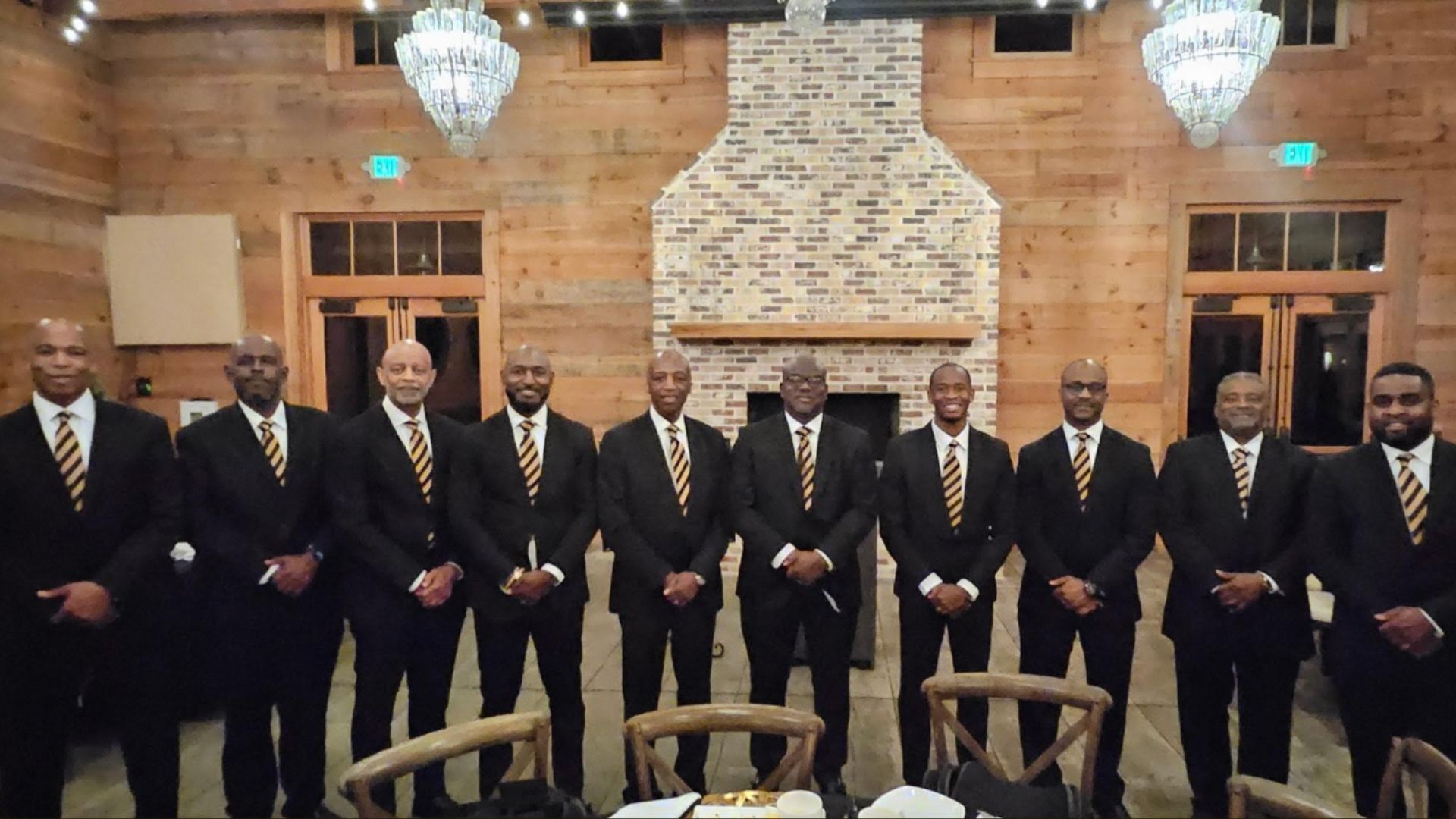
Wes Moore. Governor of Maryland. Moore is the first Black Governor of Maryland, a former Army combat veteran, a Rhodes Scholar, and the author of The Other Wes Moore.
Andrew Young. Civil Rights Leader and U.N. Ambassador. A close MLK strategist, Young served in Congress, as Mayor of Atlanta, and as U.N. Ambassador, advancing both civil rights and international diplomacy.
Maynard H. Jackson Jr. First Black Mayor of Atlanta. Elected at 35 in 1973, Jackson opened minority business inclusion on landmark projects including the Atlanta airport expansion, setting a national precedent for procurement equity.
Marc Morial. President of the National Urban League. Morial leads the National Urban League after serving as Mayor of New Orleans, continuing a Black leadership lineage that reaches back through his father, Earnest “Dutch” Morial, the first Black mayor of that city.
Cornel West. Philosopher and Activist. West has written and lectured on race, democracy, and spirituality for decades, blending intellectual rigor with public engagement.
Other modern Alpha names include Senator Raphael Warnock through the Alpha Gamma Lambda chapter and former Detroit Mayor Dennis Archer.
The Alpha Legacy Continues
From a tuition-free Cornell campus in 1906 to Supreme Court chambers, Olympic podiums, recording studios, and statehouses, Alpha Phi Alpha has carried the same charge across more than a century: turn talent into service. The names above are not a museum exhibit. They are the through-line that connects the seven Jewels to the brothers crossing today, all of them proving that the motto “First of All, Servants of All, We Shall Transcend All” still has work to do.
Frequently Asked Questions About Alpha Phi Alpha Members
Who are some of the famous members of Alpha Phi Alpha Fraternity, Inc.?
The fraternity counts civil rights leaders such as W.E.B. Du Bois, Adam Clayton Powell Jr., Edward Brooke, Martin Luther King Jr., Thurgood Marshall, Andrew Young, William Gray, and Paul Robeson among its ranks, alongside the athletes, entertainers, and business builders highlighted throughout this guide.
When was Alpha Phi Alpha founded and by whom?
Alpha Phi Alpha was founded on December 4, 1906 at Cornell University by seven men known as the Jewels: Henry Arthur Callis, Charles Henry Chapman, Eugene Kinckle Jones, George Biddle Kelley, Nathaniel Allison Murray, Robert Harold Ogle, and Vertner Woodson Tandy. The fraternity’s official site maintains current chapter and program information.
Was Frederick Douglass a member of Alpha Phi Alpha?
Yes, honorarily. Douglass was initiated into Omega Chapter in 1921, making him the only person ever inducted posthumously, since he died in 1895 before the fraternity was founded.
What frat was Warren Buffett in?
Buffett is not listed among Alpha Phi Alpha’s notable members. Alpha Phi Alpha was founded for African American men at Cornell University in 1906 as the first intercollegiate Greek-letter fraternity for Black students.