What Is Tackle Twill? How the Lettering Technique Works

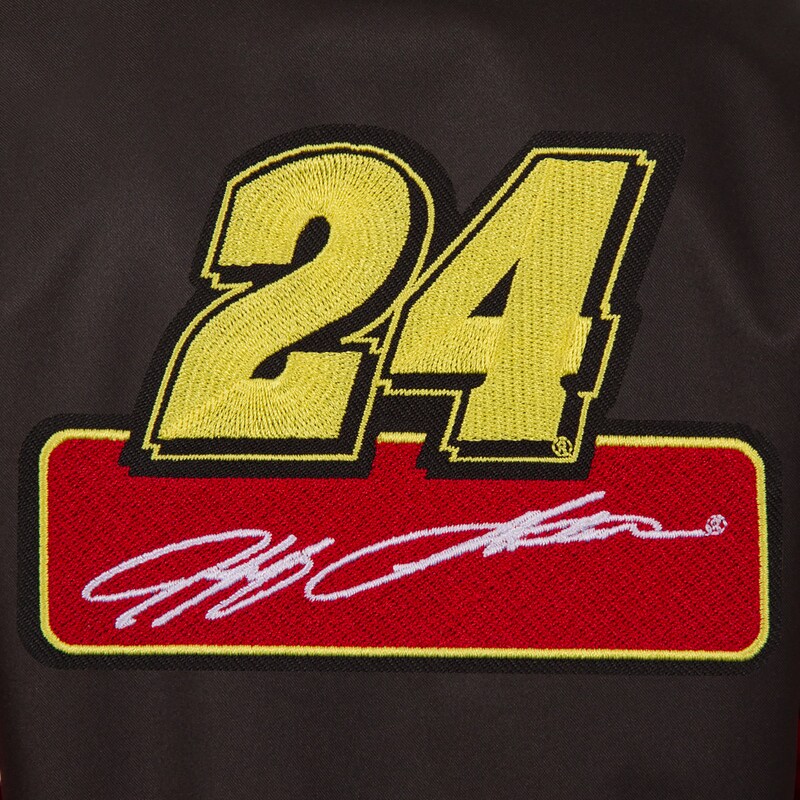
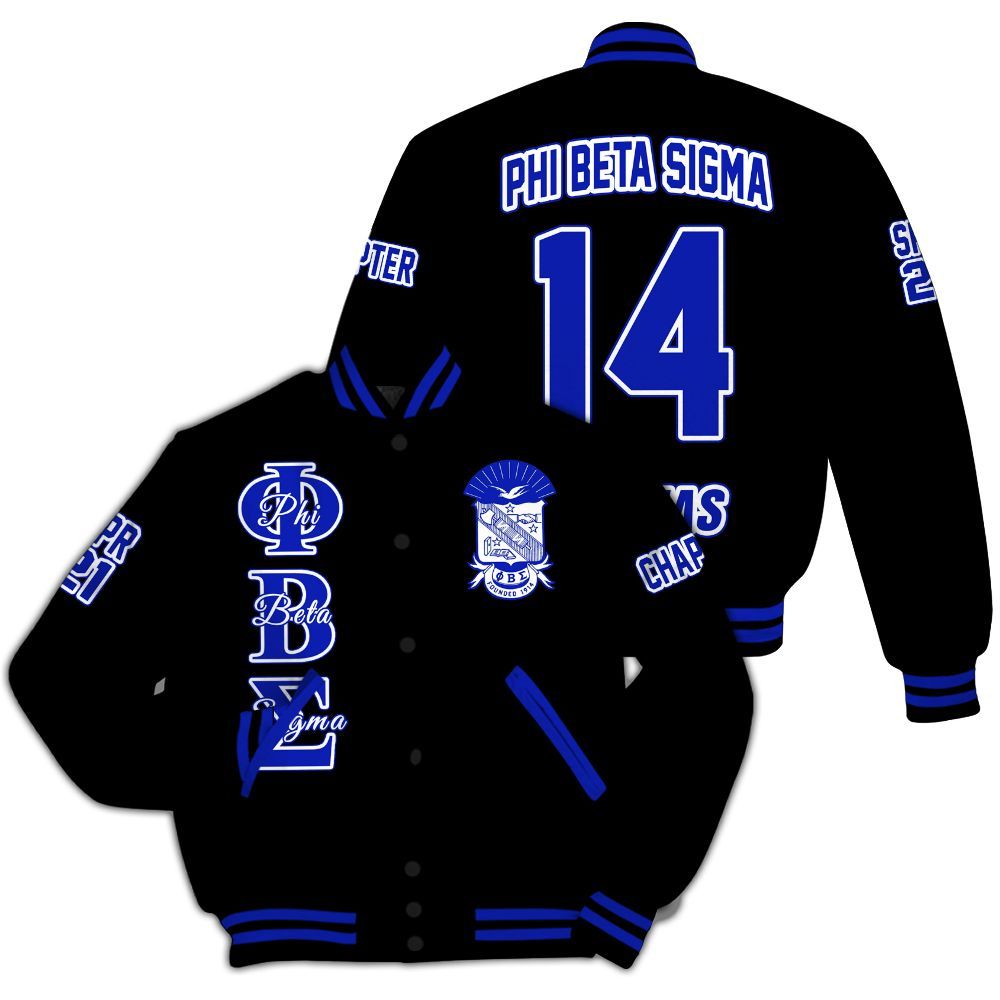
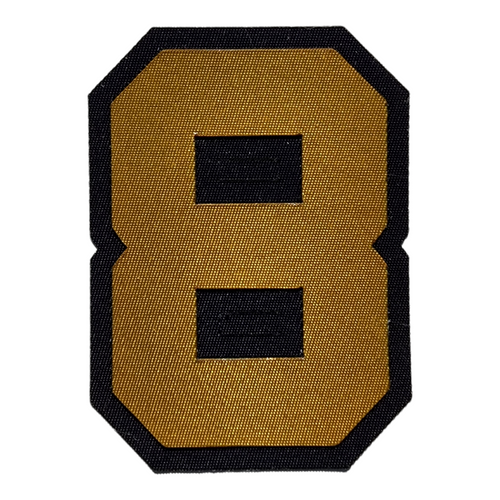
Tackle twill is an appliqué method where custom-cut pieces of twill fabric, usually letters, numbers, or logos, are stitched onto a garment instead of printed on it. The twill is cut to shape, laid on the garment, and sewn around the edges with a tight zig-zag or satin stitch, which gives the design a raised, three-dimensional look. It is the technique behind the bold sewn-on letters you see on sports jerseys, varsity jackets, and Greek paraphernalia.
Because the fabric is physically stitched into the garment rather than sitting on top of it as ink, tackle twill is one of the most durable ways to decorate apparel. Here is how it works, how it compares to embroidery, and why it is the standard for custom letters.
What Is Tackle Twill?
Tackle twill is the application of custom-cut twill lettering onto a garment. Almost any shape, letter, or design can be cut from polyester twill fabric and sewn on for a finished, textured look. The fabric itself is often called poly twill or sports twill, and it is the number one choice for jersey letters and numbers in the apparel industry. When people talk about tackle twill lettering, they mean these sewn-on fabric letters, not printed or thread-only designs.
How Tackle Twill Is Made
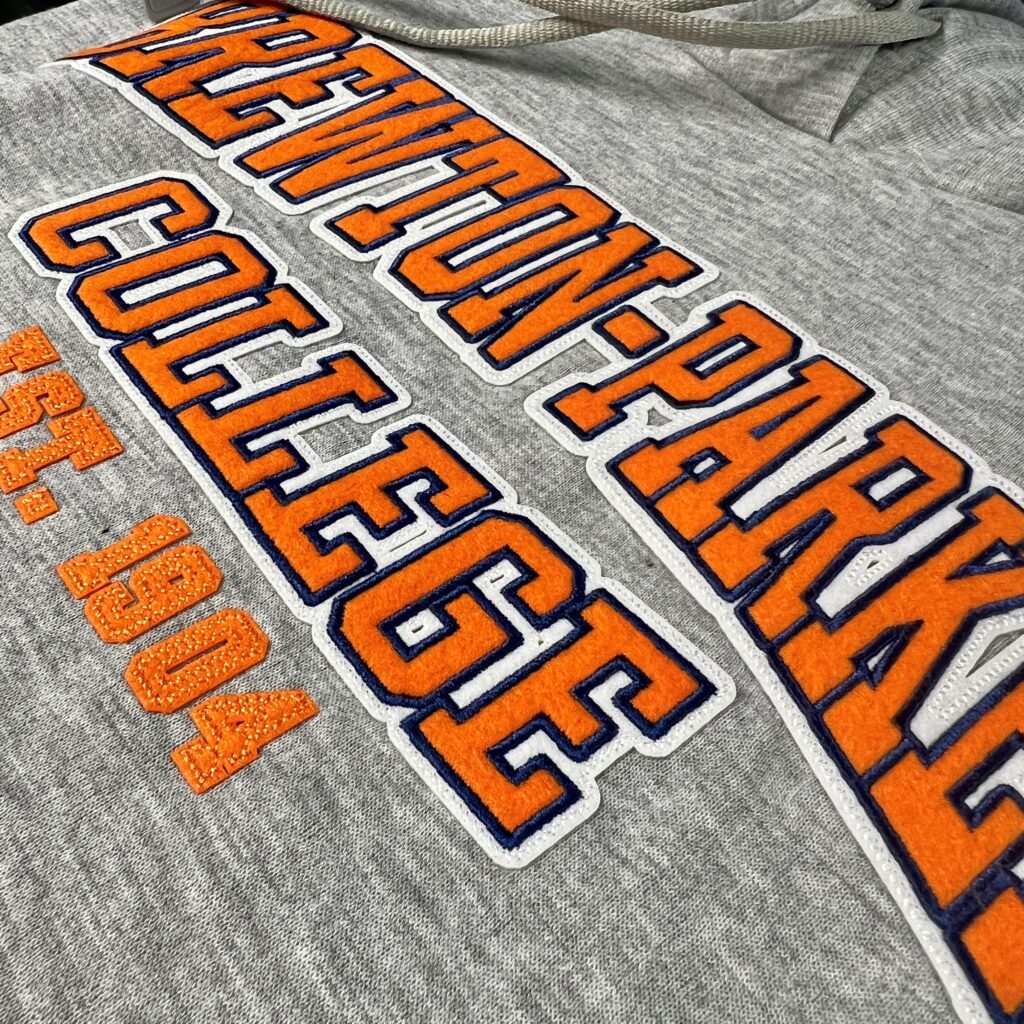
Tackle twill combines fabric cutting with embroidery. The process runs in three stages:
- Cut: the design, such as a team name or player number, is custom-cut from twill fabric using a laser, plotter, or die-cutter.
- Position: the cut pieces are temporarily held in place on the garment with an adhesive backing or pins so they stay aligned.
- Stitch: the edges are permanently sewn down with a dense zig-zag or satin stitch, which seals the fabric and stops it from fraying.
Tackle Twill vs. Embroidery
Both methods stitch a design into the fabric rather than printing it, but they create a different look. Tackle twill sews cut fabric shapes onto the garment for a bold, raised finish, while embroidery stitches the design directly with thread for a smooth, flat one.
| Feature | Tackle twill | Embroidery |
|---|---|---|
| Technique | Cut twill sewn onto the garment | Thread stitched directly into the fabric |
| Look | Raised, three-dimensional, textured | Smooth, flat, crisp |
| Best for | Large letters, numbers, and logos | Small logos and fine detail |
| Durability | Very high, resists fraying and washing | Durable, but fine detail can wear over time |
The right choice comes down to the design. Bold names and numbers that need to read from across a field suit tackle twill, while intricate crests and small emblems are better embroidered.
Why Tackle Twill Lasts
Tackle twill is considered one of the most durable decoration methods, and much of that comes from how it is built:
- Stitched, not printed: because the twill is sewn into the garment, it will not peel or crack the way screen printing can, even after repeated washing.
- Built to outlast the garment: the lettering is fixed so firmly that removing it takes scissors and patience, so the design usually lasts longer than the shirt or jacket itself.
- Premium, textured finish: the raised fabric gives a thick, high-end look that feels more substantial than a flat printed graphic.
- Layered and customizable: multiple colors of twill can be stacked, such as a letter with a contrasting border, and the design can be combined with embroidery for extra detail.
Where You See Tackle Twill
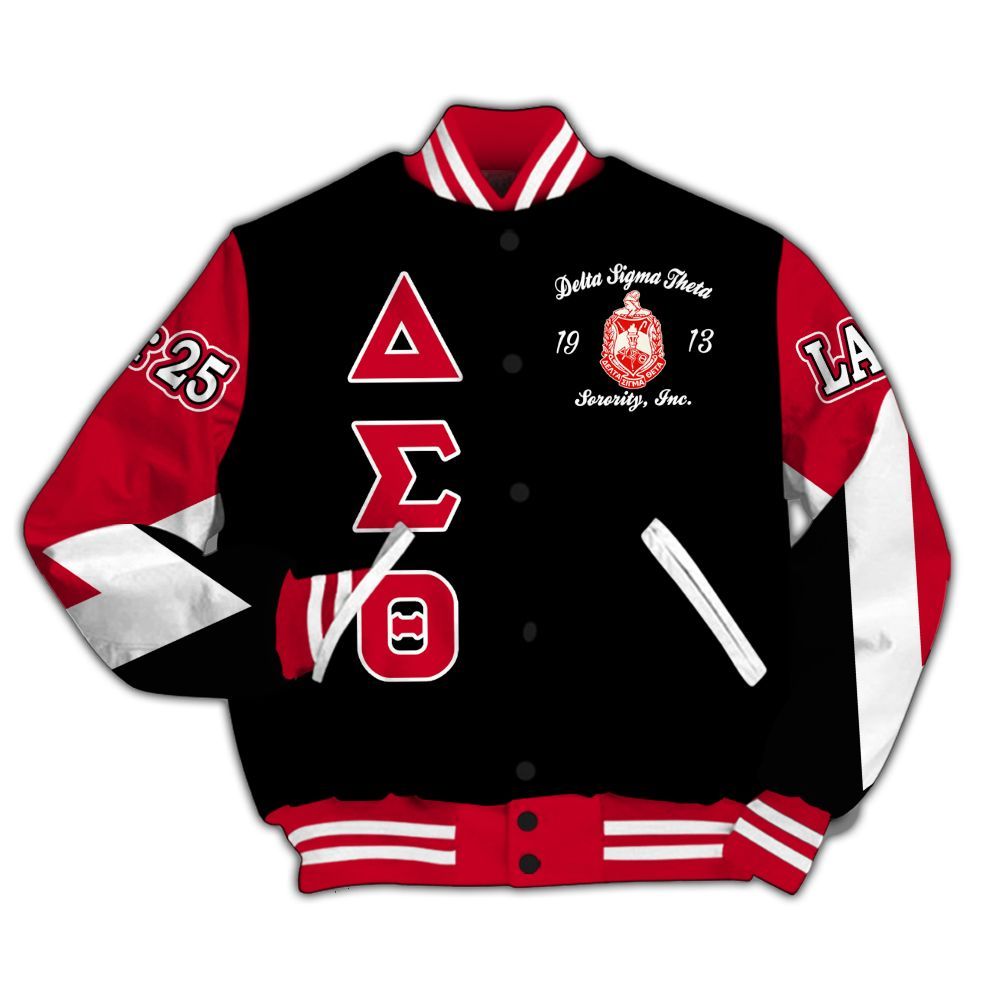
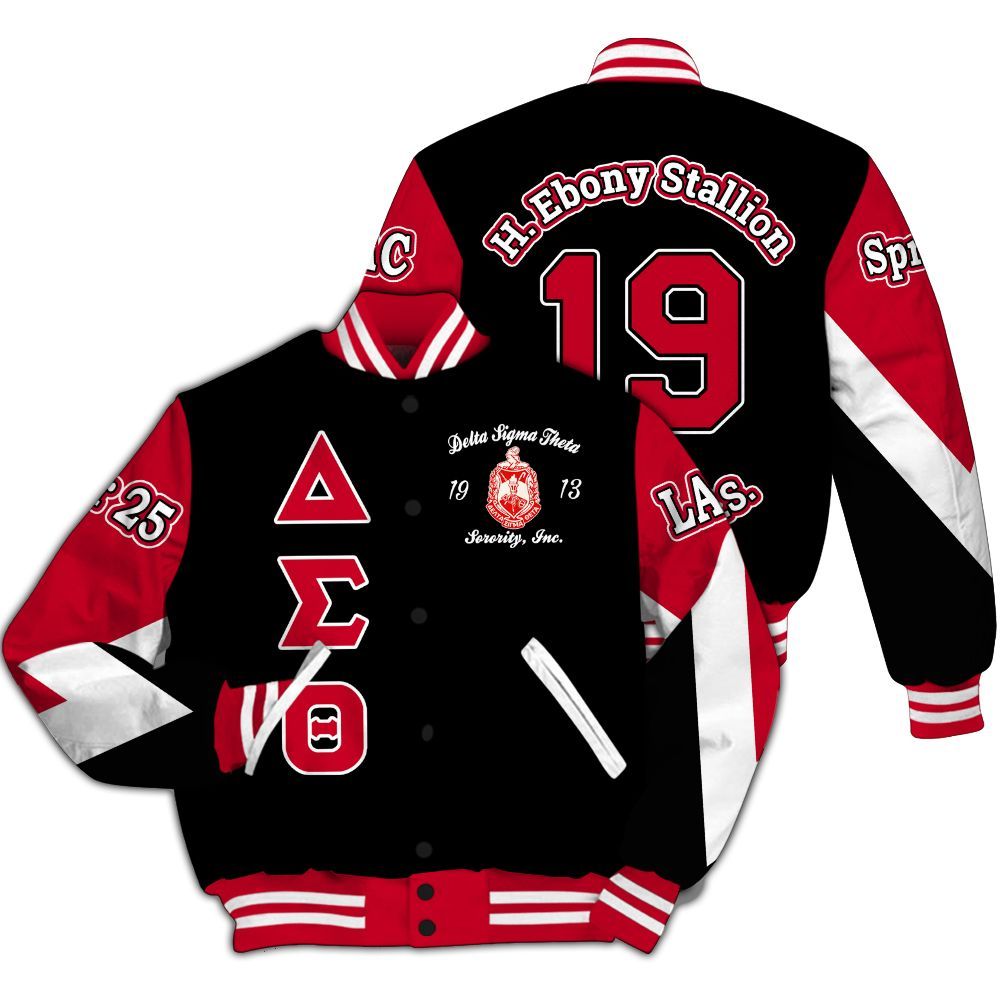
Tackle twill is the industry standard for professional and collegiate athletic apparel, which is why it shows up on sports jerseys, letterman and varsity jackets, and hoodies. Anywhere a garment needs bold, long-lasting letters or numbers, tackle twill tends to be the method of choice. It is also a favorite for school sweatshirts and spirit wear, where names and mascots take center stage.
Tackle Twill for Greek Apparel
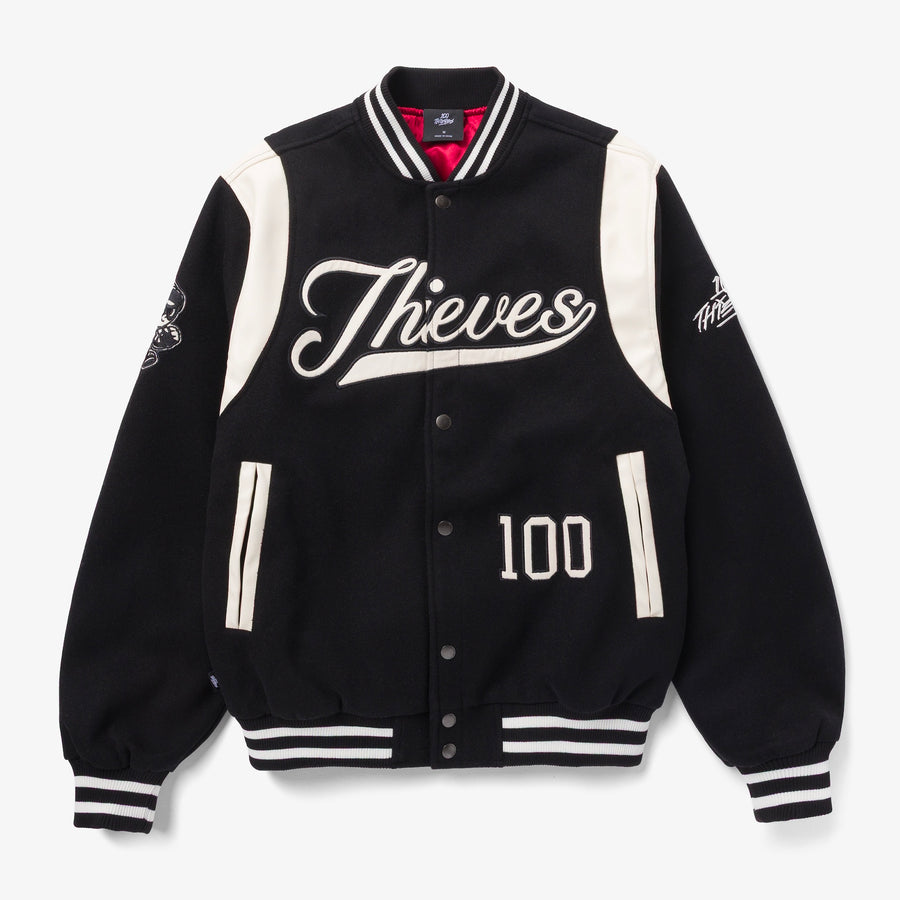
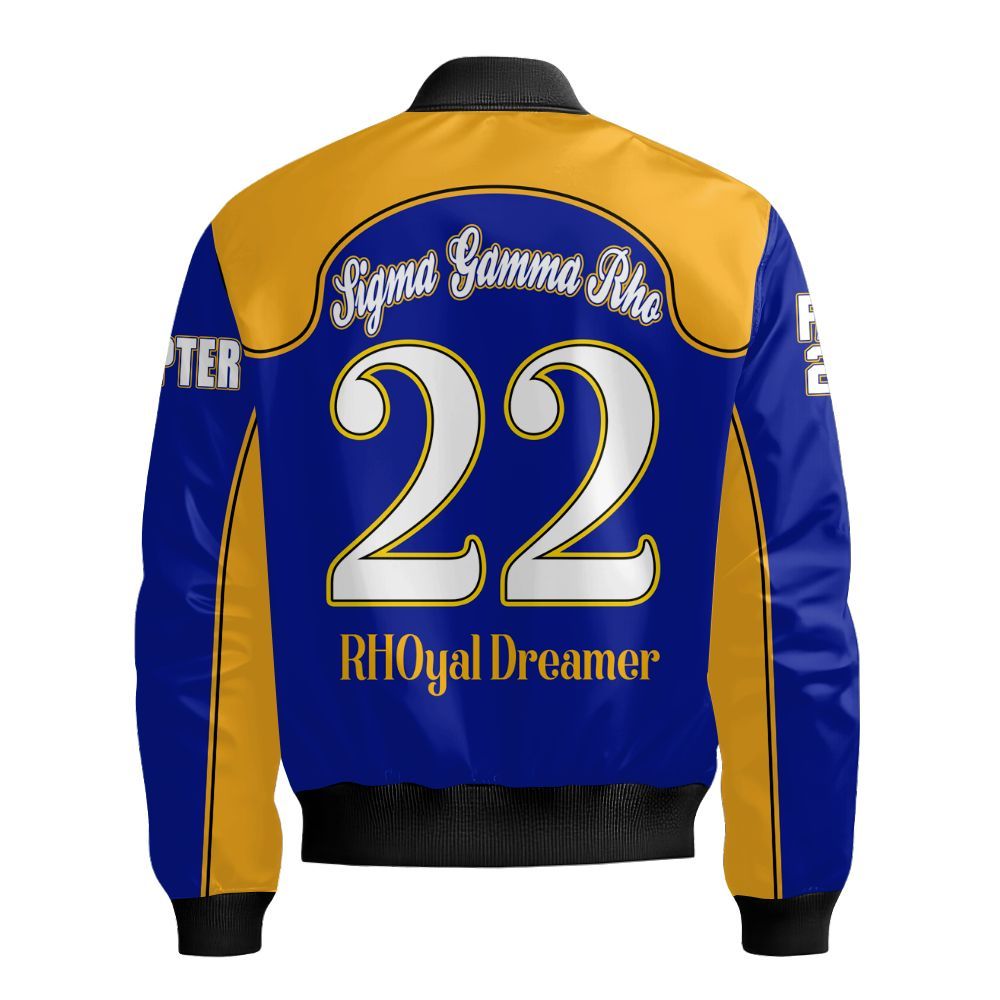
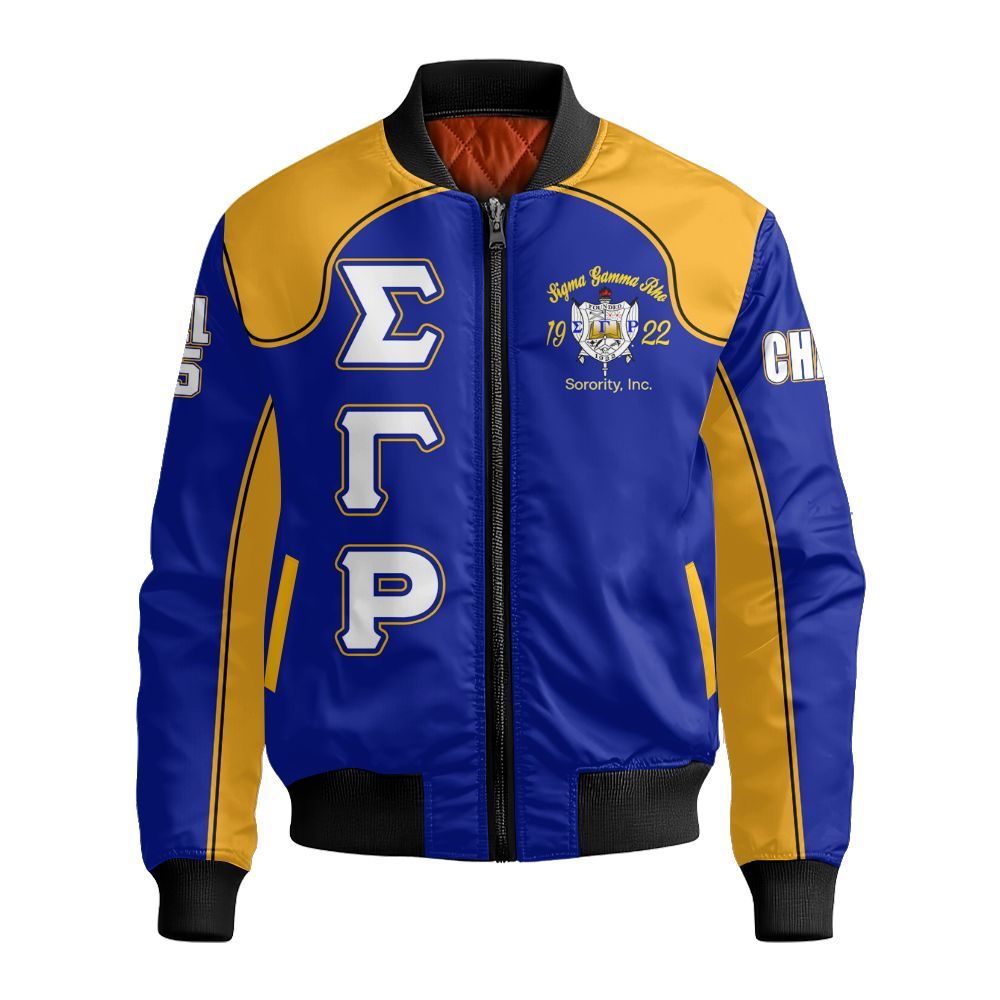
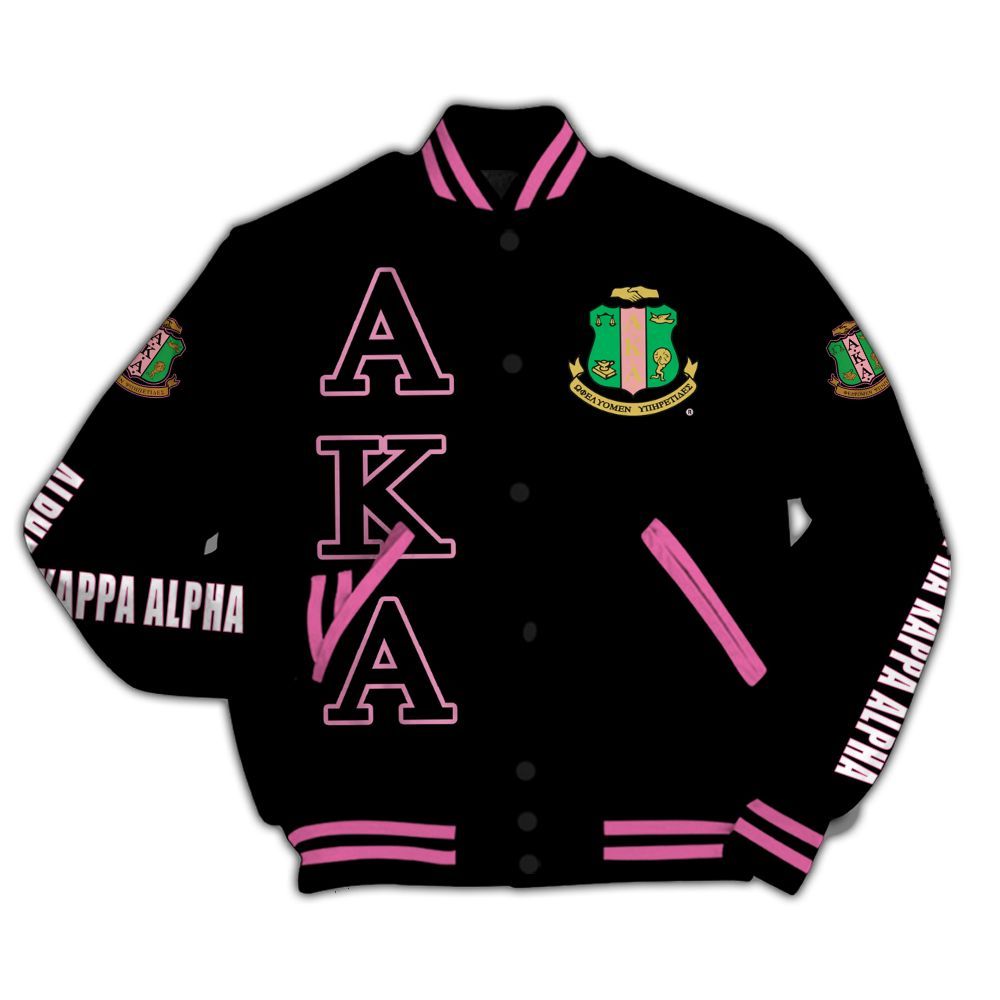
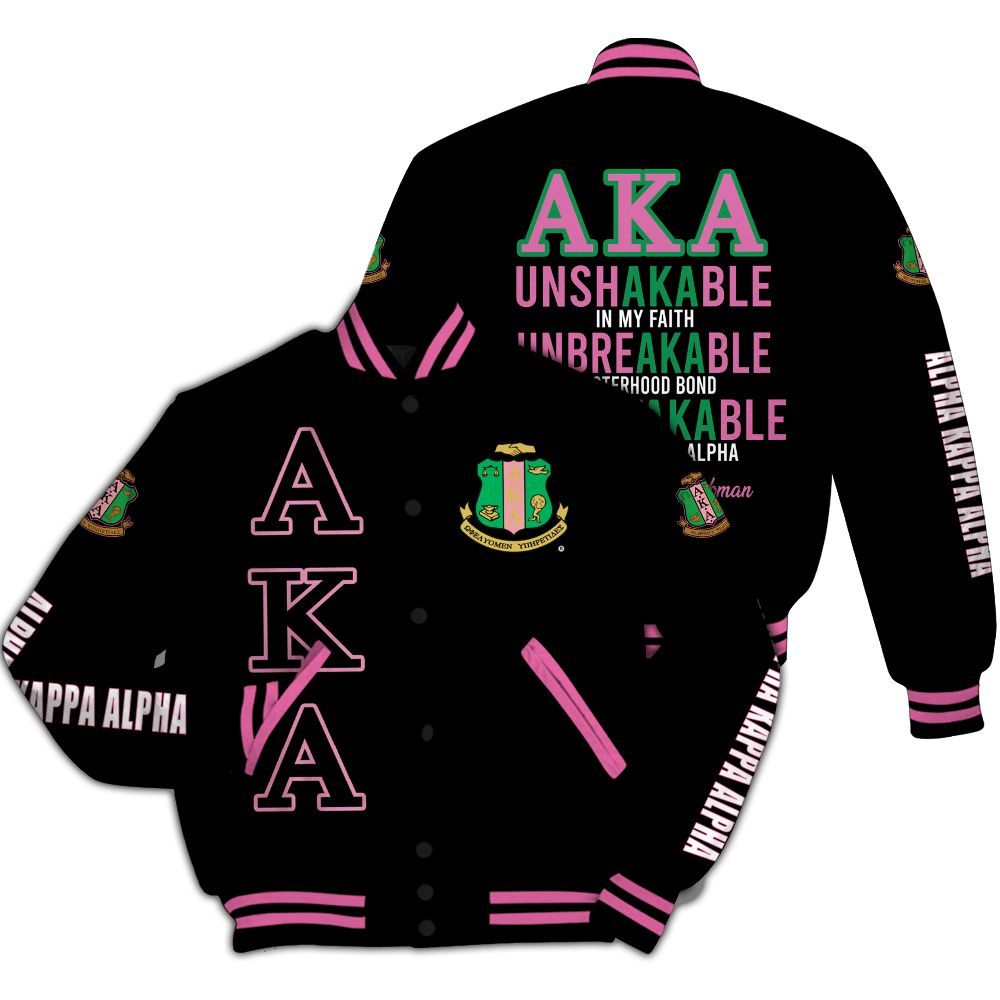
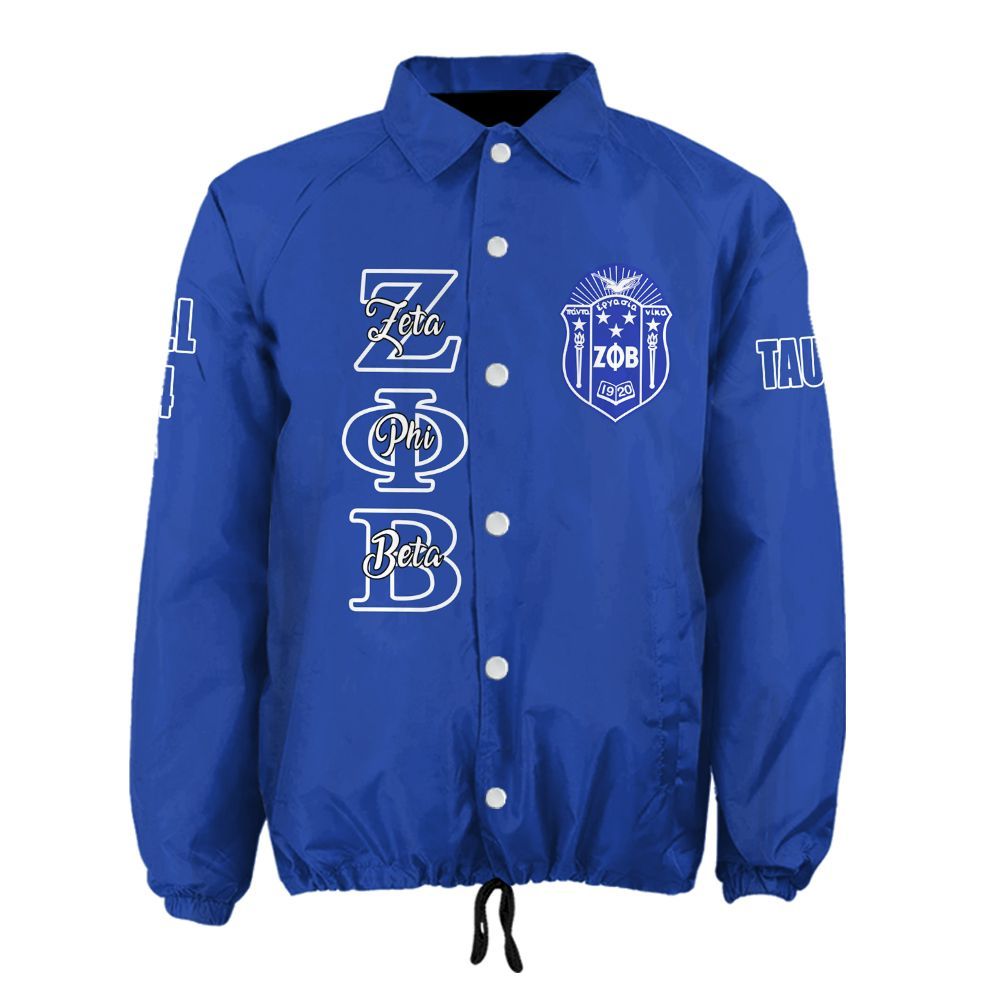
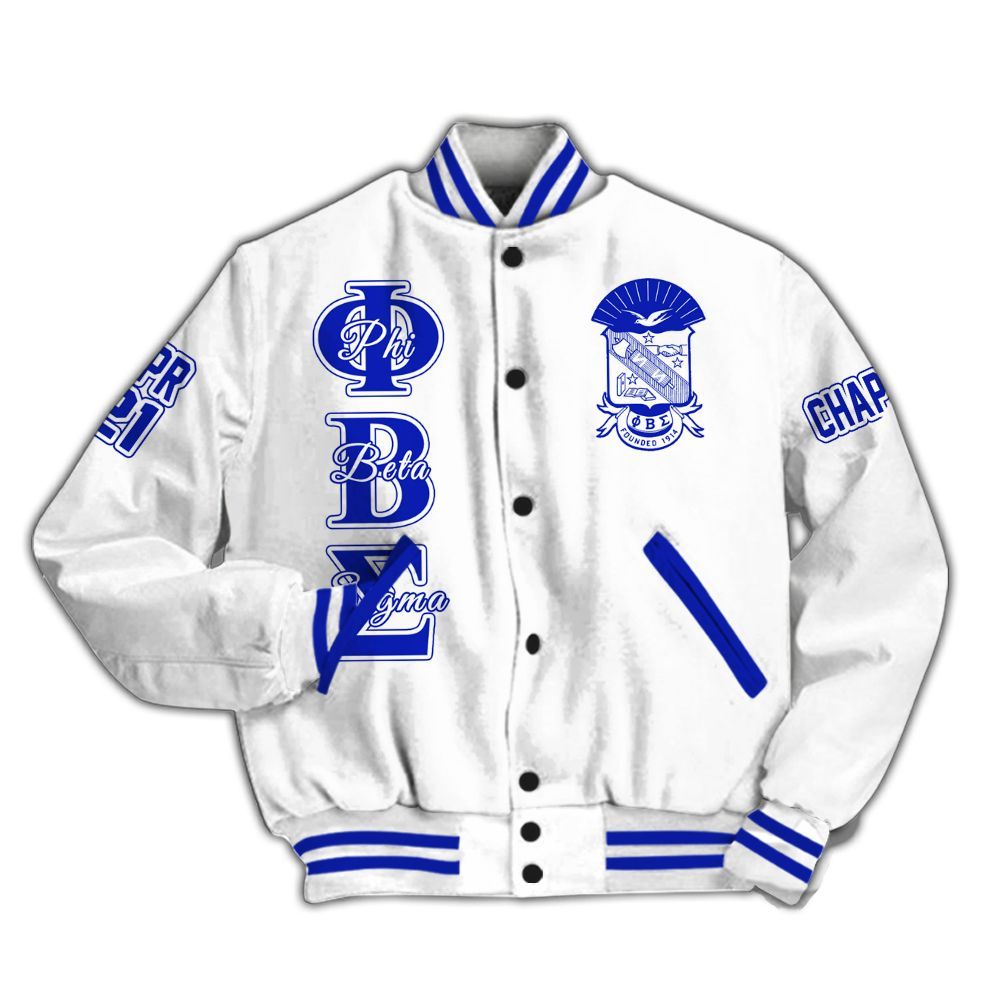
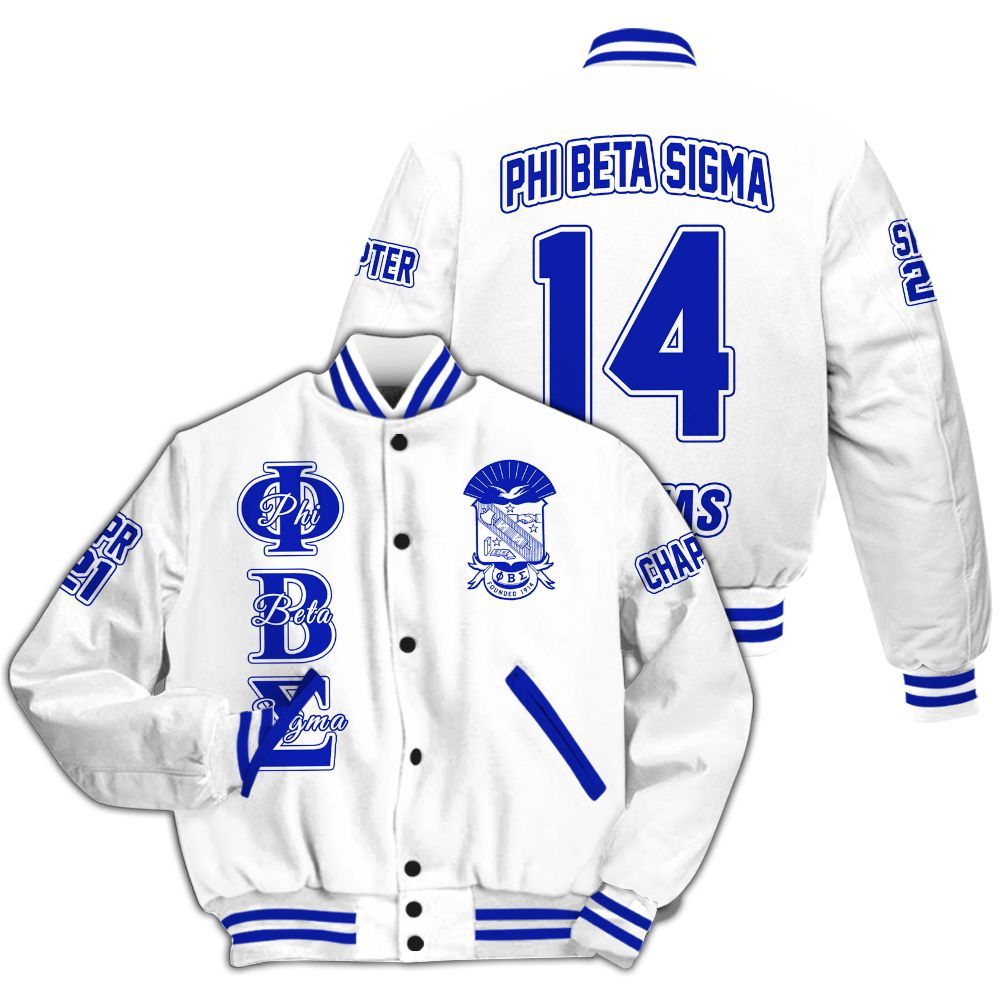
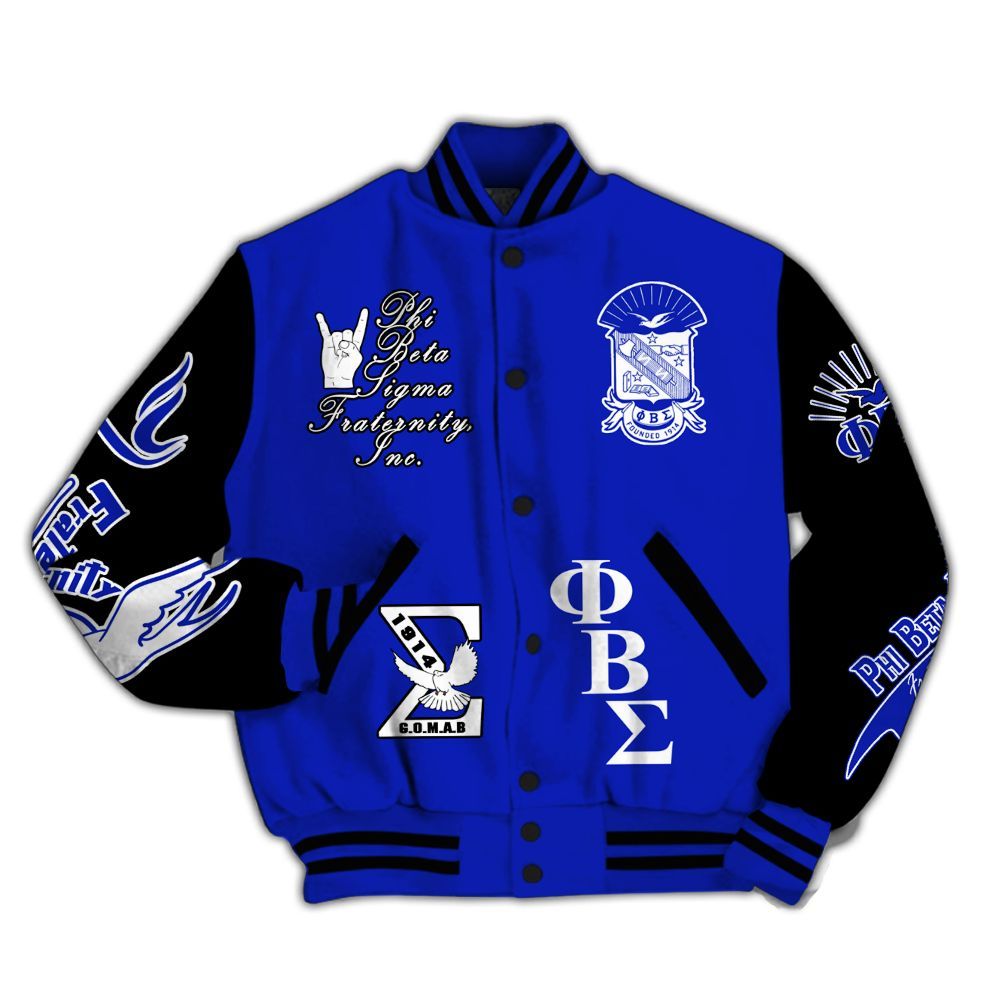
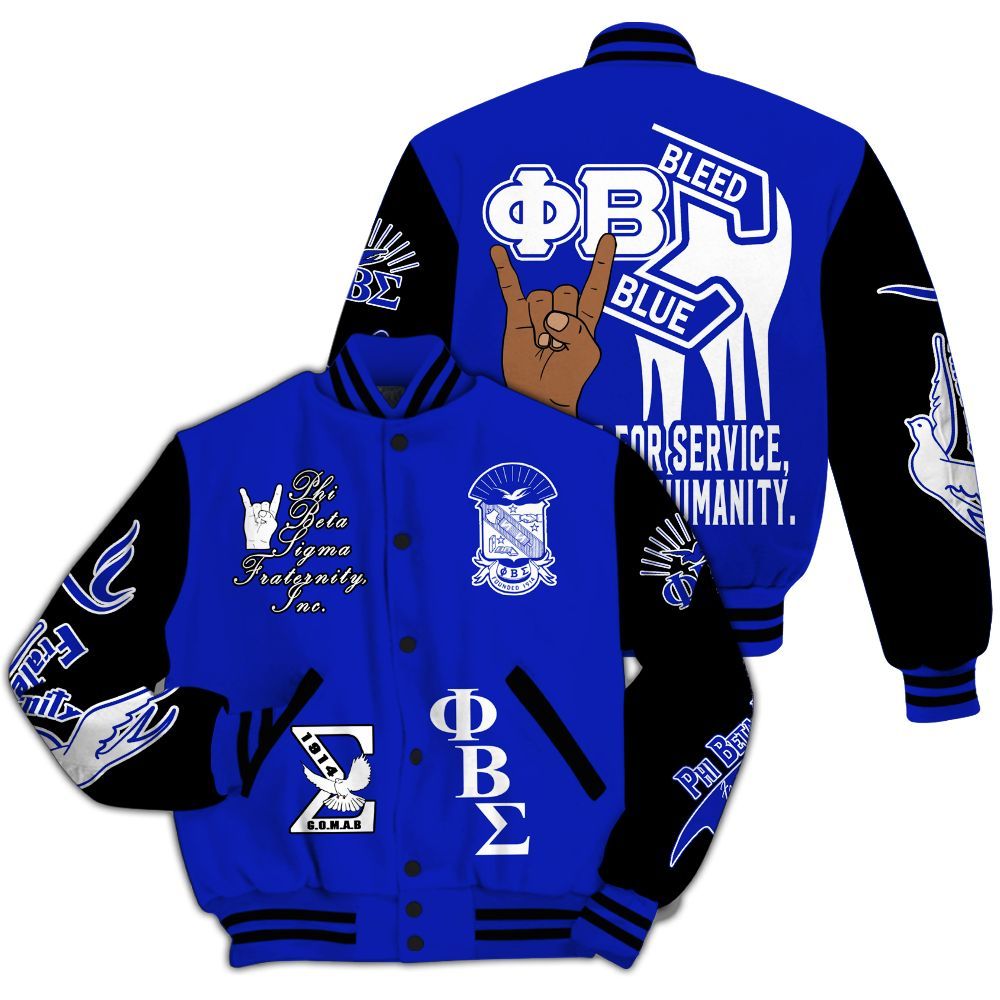
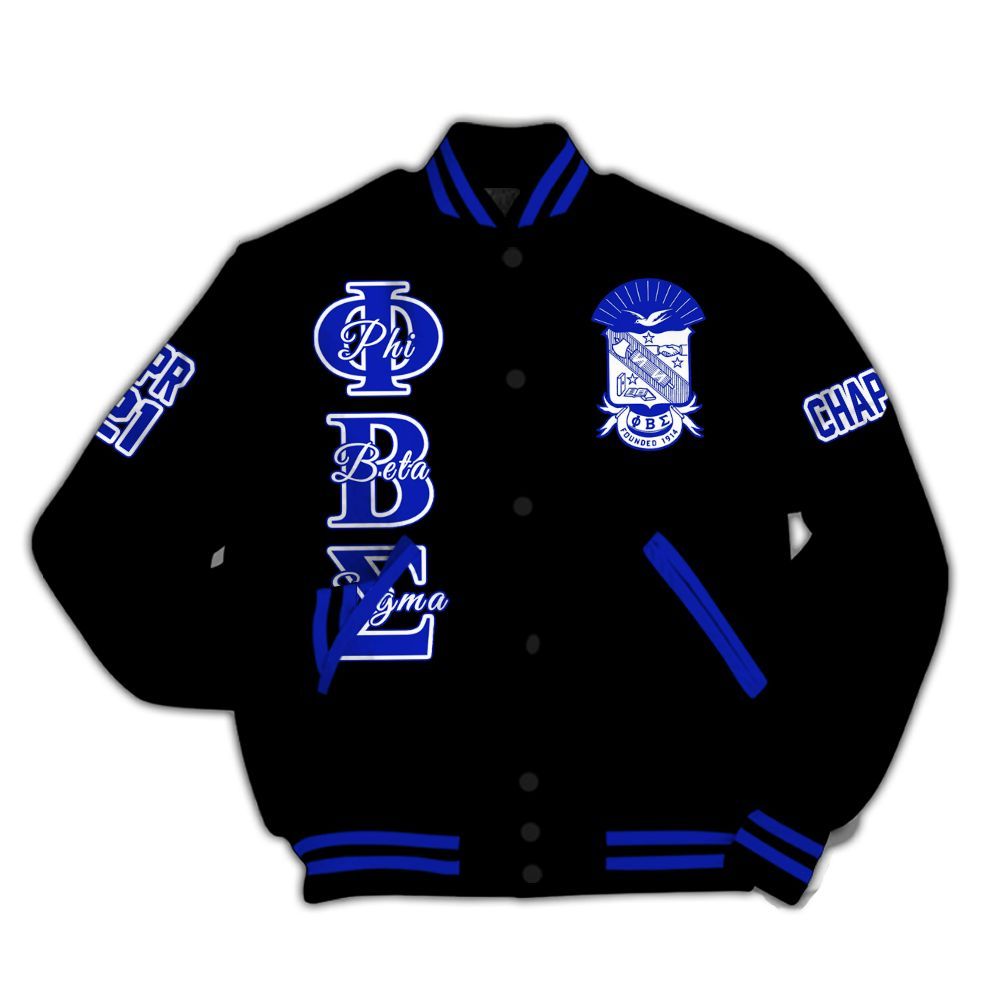
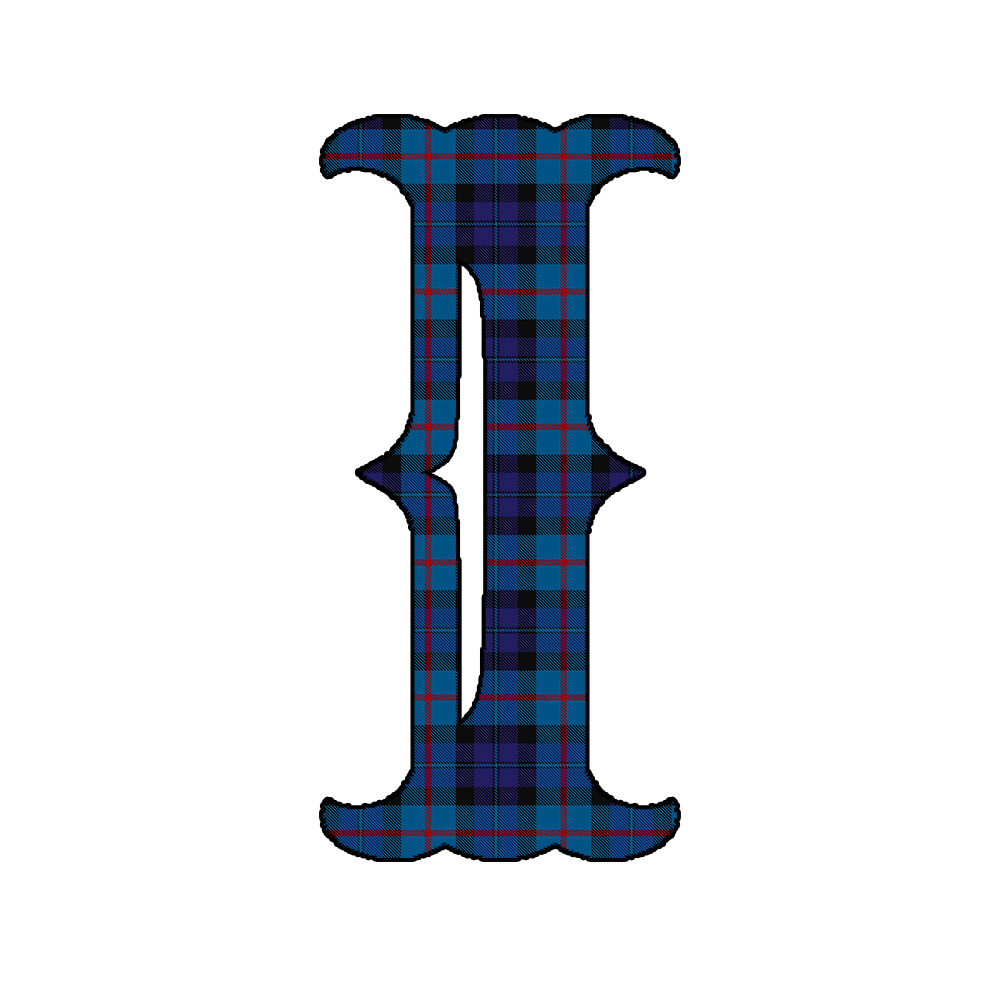
Tackle twill is a common choice for Greek organizations, and it is the classic look for stitched Greek letters. Members reach for it on line jackets, chapter sweatshirts, and other gear because the sewn-on letters read as authentic paraphernalia rather than a quick print. Pre-cut Greek letters are a standard tackle twill design, which keeps turnaround predictable for chapter orders.
If you are new to repping letters, it is worth reading up on Greek paraphernalia rules and what the Greek letters and symbols actually mean before you customize a piece. Tackle twill also pairs well with the custom pieces covered in our guide to custom fraternity shirts and gear.
Things to Know Before You Order
Tackle twill is a strong choice, but it is not the right fit for every design. A few things to keep in mind:
- It takes longer: tackle twill application usually needs a few more days than printing, with a common turnaround of 7 to 10 business days for pre-cut designs like Greek letters.
- It favors bold over fine: large letters and numbers work best, while very small or highly detailed designs are better handled by embroidery.
- It must be sewn: the twill has to be stitched down, not just heat-pressed, to prevent fraying and survive repeated washing.
If you are ready to put your letters or your school on a jacket, sweatshirt, or jersey, browse Ireishprint’s custom Greek and HBCU apparel to bring your design to life in tackle twill.