
NPHC Intake vs NPC Rush: Everything You Need to Know


On paper the two systems sit under the same Greek umbrella, but in practice joining a National Pan-Hellenic Council fraternity or sorority works almost nothing like joining a National Panhellenic Conference sorority. The vocabulary is different, the calendar is different, the application logic is different, and the rules about getting cut are different. The result is two parallel processes that PNMs and aspirants regularly confuse because most people only see one of them up close. This guide lines them up beside each other so you can read both at once.
The Words Don’t Mean the Same Thing
Before any comparison makes sense, the vocabulary has to be untangled. The NPC officially calls its process Recruitment, not Rush, and the word rush survives only as a casual carryover from older generations. A young woman going through NPC Recruitment is a PNM, short for Potential New Member, and if she stops getting invitations back to a chapter the current term is released, not cut. The NPHC calls its process the Membership Intake Process, often shortened to intake, and the person going through it is typically called an aspirant or prospective member. Neophyte (or Neo) is a related NPHC term, but technically it refers to a new member who has already been initiated, not to anyone still in intake.
The terminology drift sounds cosmetic until you watch two friends from different councils try to talk through their experiences. A lot of vocabulary in the Divine Nine world has no direct counterpart on the NPC side, and the reverse is also true.
Side by Side: The Comparison Snapshot
| Attribute | NPHC Intake | NPC Recruitment |
|---|---|---|
| Common name | Membership Intake Process (MIP) | Formal Recruitment (informally Rush) |
| What you apply to | One specific organization | The whole council at once |
| Acceptance into the process | Reserved by the chapter, can be denied on the application alone | Automatic for the recruitment pool, barring policy bars |
| Calendar | Each org sets its own dates, varies by org and by chapter | Synchronized campus-wide week, usually before classes start |
| Selection model | Chapter chooses you after you committed to them | Mutual selection: both sides rank each round |
| Rounds | Variable per org and chapter | Open House, Philanthropy/Tours, Skit, Preference, Bid Day |
| Matching system | None; chapter discretion | RFM (Release Figure Method) algorithm |
| If dropped | Process ends; pivoting to another NPHC org carries stigma | You stay in the pool with every chapter that did not release you |
| Visibility | Low; treated as private to the org | High; campus events, social-media presence, structured rounds |
| Hazing policy | Federal, state, and university prohibitions; NPHC enforcement | NPC national zero-tolerance on alcohol, tobacco, and hazing |
Who Picks Whom
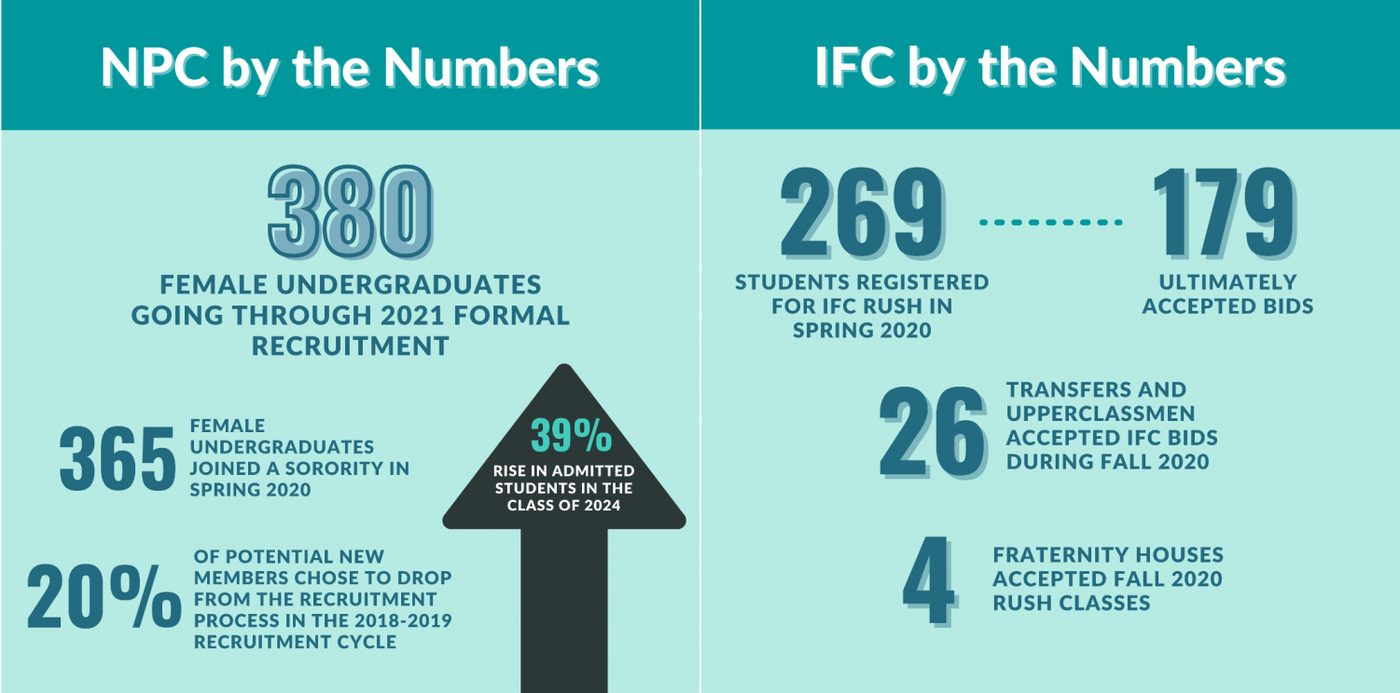
The single biggest mechanical difference is who is doing the choosing. In NPC Recruitment the PNM submits one application that puts her into the entire council’s recruitment pool, and from there both sides rank each other after every round. The NPC adopted this matching approach years ago after Panhellenic chapters realized that women who fixated on one specific sorority were ending up without a bid at all. The current system, called the Release Figure Method or RFM, is described inside the industry as Tinder for sorority recruitment: a young woman is only matched with a sorority that liked her back, and current Panhellenics place over 90 percent of PNMs into a chapter by Bid Day.
In NPHC Intake the aspirant has already done the picking before the application is filed. The application goes to a single, named organization, the chapter alone decides whether to accept or deny it, and the chapter can reject an applicant based on the written application without inviting her to a single event. There is no campus-wide algorithm, no mutual ranking, and no list of fallback chapters. The chapter is shopping for the kind of member it wants and the aspirant is shopping for the right organization. For help narrowing down which chapter to even apply to, the Black sorority comparison guide walks through how the nine Divine Nine organizations differ on values, programs, and chapter culture.
How the Calendar Differs
NPC Recruitment is a concentrated week, usually staged before classes start and identical in shape across the country. All chapters on a campus open their doors at the same time, run the same sequence of rounds, and hand out bids on the same day. NPHC Intake has no such synchronization. Two NPHC sororities on the same campus can hold intake in completely different months of the year, and the same sorority at two different campuses can run a ten-day intake on one and a fourteen-day intake on the other. The shape of intake itself is set by each national organization, then adapted by each chapter, so what an aspirant experiences at one campus can look very different from what a friend experienced at another.
- NPC Recruitment: synchronized week, every chapter on the same calendar, standardized rounds nationwide.
- NPHC Intake: independent per organization and per chapter, often year-round availability with informational meetings as the primary entry point.
The calendar gap matters for planning. An NPC PNM knows exactly which week to be on campus with rush wardrobe ready. An NPHC aspirant has to keep watching the chapter she is interested in throughout the year. For the full step sequence on the NPHC side, the Divine Nine intake guide covers each stage in order.
What Happens If You Get Cut
The consequences of being released are not symmetrical either. In NPC Recruitment, being released by one chapter after the first round means the PNM still belongs to the recruitment pool of every chapter that did not release her. She may move forward with fewer invitations the next day, but the process continues until she is either matched with a chapter, decides to stop, or is released by all of them. The cut is round by round, never absolute.
NPHC Intake works the opposite way. Because the aspirant applied to a single specific organization, a rejection ends the process for that semester. There is no fallback to another NPHC sorority running intake at the same time, and trying to pivot to a different Divine Nine organization on the rebound is treated as a red flag by most chapters. Older NPHC members sometimes describe this with a saying about lying in the bed you made. The practical effect is that an aspirant has to be confident about the organization before she submits the application, because there is no second draft.
Why NPHC Feels Secretive (And Why It Isn’t)
Anyone who has compared internet research for the two processes has noticed the asymmetry. Search for Preference Day in NPC Recruitment and dozens of vlogs, blogs, and TikToks appear, narrated by PNMs as they go through the round and by recently bid members reflecting afterward. Search for what actually happens during NPHC intake education sessions and the screen returns much less. Some universities even use the word secretive inside their own recruitment manuals to describe NPHC intake, not as a value judgement but as a description of how little is documented publicly.
There is no single reason for the gap. Some chapters simply discourage public discussion of the process. Some treat the rituals of education sessions as confidential to members. Some members feel that publicly documenting intake from outside the room would misrepresent what each chapter actually does. Talking openly about which NPHC chapter holds your interest, even before applying, is socially taboo and can hurt your candidacy. The result is a process that is structured but private, where most of the learning happens by talking directly to chapter members and graduate-chapter advisors rather than by reading recaps online.
Which Process Is Right for You
The choice usually makes itself based on which council holds the chapter you actually want to be in. For most aspirants the question is not really NPHC versus NPC, it is which specific organization their values align with. The two systems exist alongside each other on most campuses, and the NPHC, NPC, and IFC council overview compares the three at the council level if you are still mapping the bigger picture. Once the chapter is chosen the process follows. The work to do now is to find that chapter, sit through their interest meeting or open house, and decide whether the people in the room are the people you want to spend the next four years with.
Quick Comparisons Before You Choose
What is sorority rush?
Sorority rush is the informal, older name for NPC Formal Recruitment, the structured process the National Panhellenic Conference sororities use to select new members. It runs as a synchronized campus-wide week of rounds, from Open House through Preference, and both the chapter and the Potential New Member rank each other after each round until bids are extended. NPHC Divine Nine organizations do not rush; they use the Membership Intake Process instead.
What is Bid Day, and does NPHC intake have one?
Bid Day is the final day of NPC Recruitment, when Potential New Members receive and open their bids and join the chapter that matched with them. It is the celebratory close of rush week, and the NPC places more than 90 percent of PNMs into a chapter by Bid Day. NPHC intake has no Bid Day equivalent, because an aspirant applies to one specific organization on that chapter’s own calendar rather than being matched council-wide on a shared date.
Can you go through both NPHC intake and NPC recruitment at the same school?
Yes, the two systems are independent and most universities allow students to participate in both. The catch is the NPHC rule that an initiated member of one Divine Nine fraternity or sorority cannot join any other NPHC organization, even after resigning. NPC and NPHC memberships do not collide with each other.
What is the difference between NPHC and NPC sororities?
NPHC is the National Pan-Hellenic Council, the umbrella for nine historically Black fraternities and sororities, the Divine Nine. NPC is the National Panhellenic Conference, the umbrella for 26 historically white sororities. The two councils operate parallel recruitment systems with different selection logic, vocabulary, and calendars.
How does NPHC rush actually work?
An aspirant attends NPHC Convocation for the academic year, attends a specific chapter’s informational or interest meeting, applies to that single chapter, completes FERPA and hazing-policy forms, and if accepted goes through the chapter’s education sessions before initiation. The chapter sets the calendar and the length.
Are you guaranteed a bid if you go through NPC Recruitment?
No, but the NPC’s Release Figure Method places more than 90 percent of PNMs into a chapter by Bid Day. The remaining percentage are usually women who released themselves out of the pool, were released by every chapter they ranked, or did not complete a round. Guaranteed is the wrong word, but the placement rate is high.
Why does NPHC use the word intake instead of rush?
The NPHC moved away from rush and pledging language partly as a distancing from the hazing era and partly to reflect the more formal selection model the council uses. Many members still use pledge colloquially, but Membership Intake Process is the official term and the one in chapter handbooks.