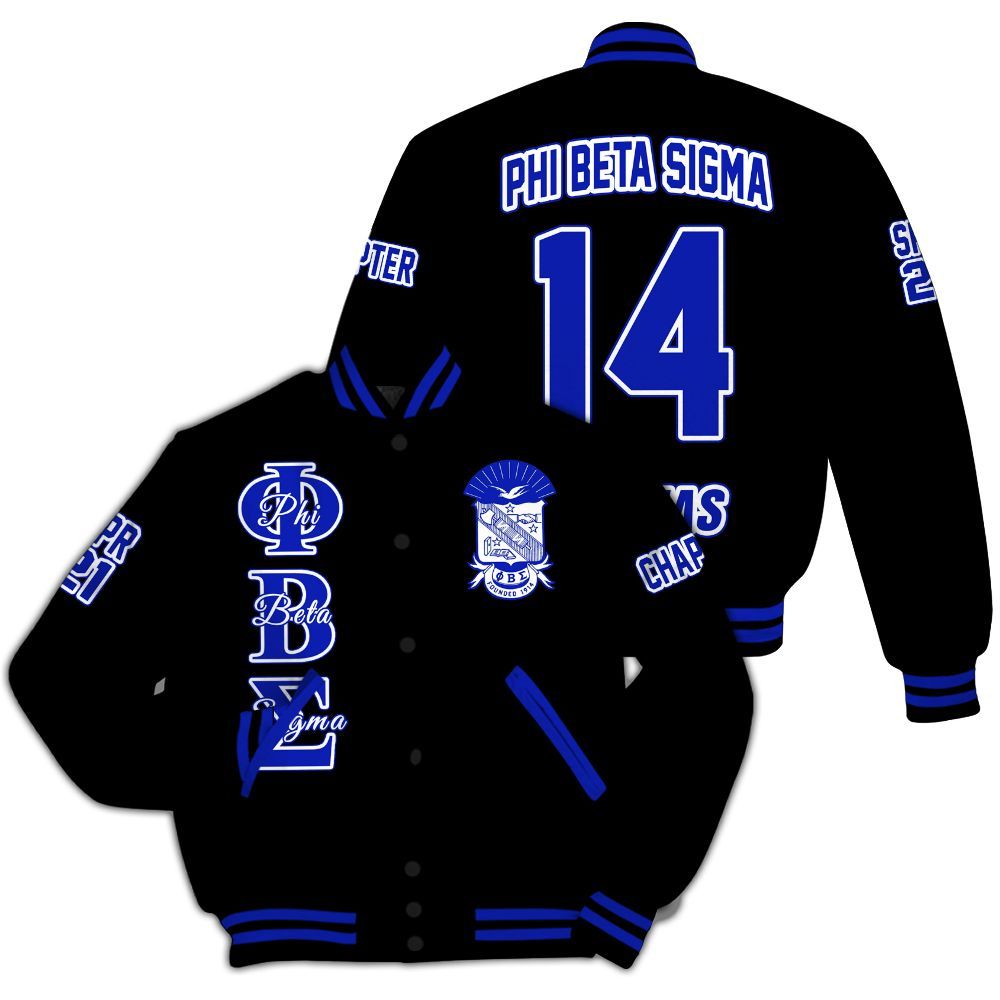

How to Join a Divine Nine Fraternity or Sorority: A Complete Intake Guide


Most prospective members hear the word intake and assume it works like the rush week their roommates went through. It does not. Joining one of the nine historically Black fraternities and sororities that make up the National Pan-Hellenic Council is a structured selection process that each organization runs on its own calendar, with its own GPA floor, its own forms, and its own quiet rules about who gets the call. This guide walks through what intake actually looks like, who is eligible, what happens at each step, and how to position yourself before the first Convocation of the year.
What NPHC Intake Actually Is
The National Pan-Hellenic Council, also called the Divine Nine or D9, is the umbrella for nine historically African-American fraternities and sororities that span undergraduate and graduate chapters around the country. What that council actually is matters here because NPHC intake is fundamentally different from National Panhellenic Conference rush. Intake is hosted by each fraternity or sorority individually, on the schedule that chapter chooses, and a chapter may decide not to hold intake in a given semester at all.
Some campuses use the words informational or interest meeting where others use rush, but the underlying process is the same: a structured set of steps the organization controls, anchored in attendance, application, eligibility verification, education, and initiation. Anyone unfamiliar with the vocabulary should keep a tab open to the Divine Nine terminology glossary while reading the rest of this guide.
Who Qualifies: GPA, Credits, and Standing
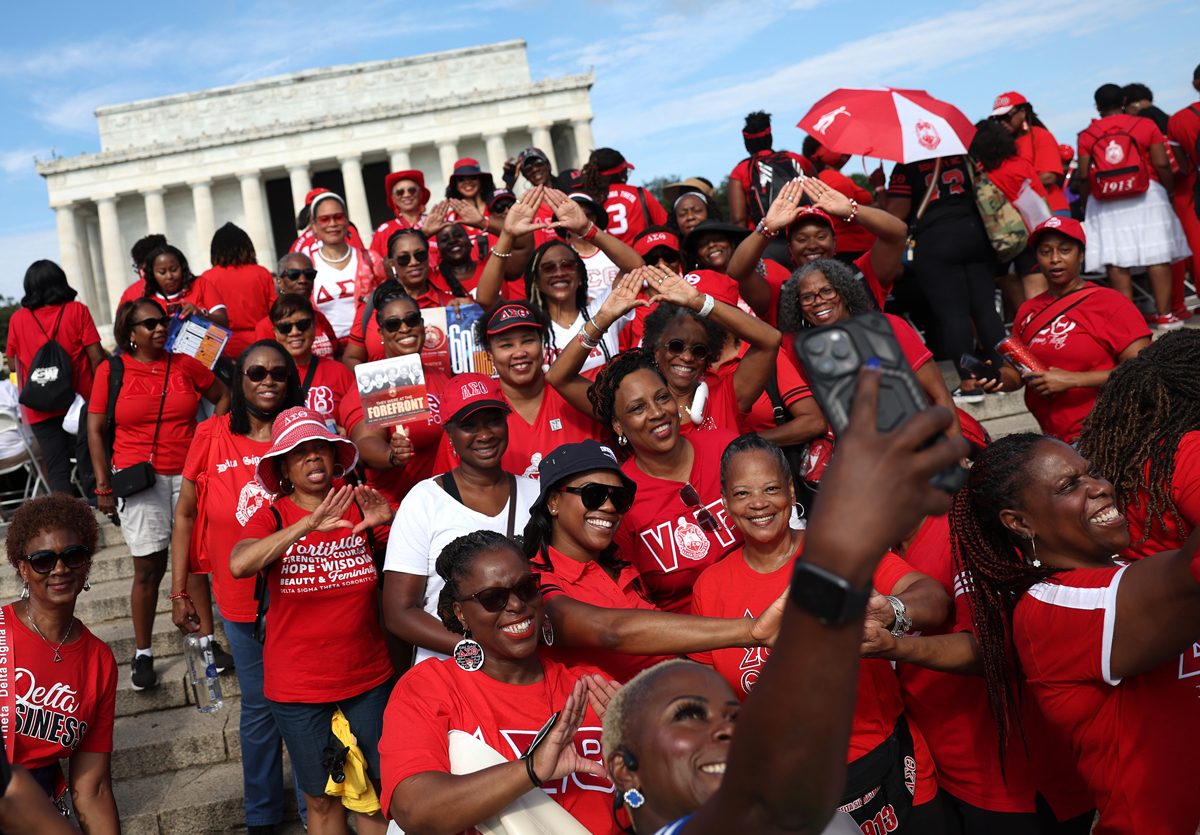
Every NPHC chapter sets two non-negotiable thresholds: a minimum cumulative GPA and a minimum number of credit hours completed at the host institution. The exact numbers vary by chapter and campus, but the University of Alabama’s published thresholds give a representative picture of where the bar typically sits.
| Chapter | GPA | Credit Hours |
|---|---|---|
| Alpha Kappa Alpha Sorority, Inc. | 2.5 | 12 |
| Alpha Phi Alpha Fraternity, Inc. | 2.5 | 12 |
| Delta Sigma Theta Sorority, Inc. | 2.75 | 24 |
| Omega Psi Phi Fraternity, Inc. | 2.5 | 36 |
| Phi Beta Sigma Fraternity, Inc. | 2.5 | 12 |
| Sigma Gamma Rho Sorority, Inc. | 2.5 | 12 |
| Zeta Phi Beta Sorority, Inc. | 2.75 | 12 |
Beyond the numbers, every organization wants candidates in good academic and judicial standing. Some chapters require at least one full semester of completed college credit before they will consider you, and a few NPHC organizations expect one or two years of enrollment at the host institution before intake. Treat the GPA and credit figures as the floor, not the goal.
The Path from Curious to Initiated
The same five-step shape repeats across NPHC councils, even when the local labels differ. Each organization adapts the timeline, but the order rarely changes.
- Attend at least one Intake Orientation, also called NPHC Convocation, during the academic year you intend to join.
- Attend the organization’s own informational or interest meeting, sometimes called rush.
- Submit an application to the organization once the chapter opens its window.
- Meet the organization’s requirements, then receive an acceptance letter inviting you into the membership intake process.
- Successfully complete every education session, then initiate into the organization.
The length of the process varies. Some chapters complete intake in six weeks, others stretch it across a full semester. If a candidate misses an education session without an approved reason, the chapter can remove them from the process at any point.
Showing Up Before You Sign Up
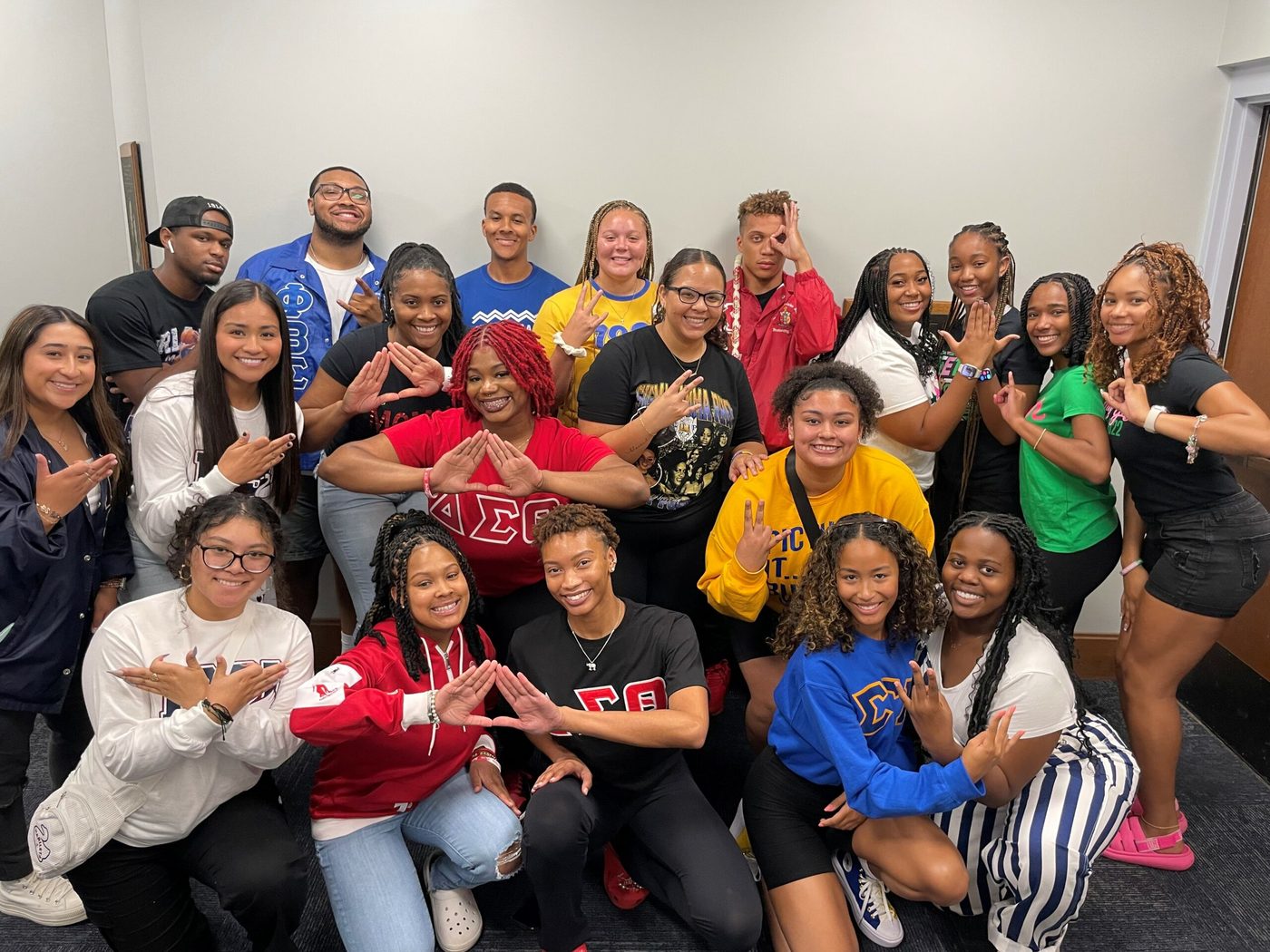
The single most common reason a strong candidate gets passed over is simple: the chapter had never seen them before the interest meeting. NPHC chapters watch the room throughout the year, and showing up to the right events early in the semester is part of how you become a familiar face.
- NPHC Convocation is mandatory for the academic year of intake. Fall attendance typically covers Fall and Spring eligibility; Spring attendance covers only that Spring’s intake. Some campuses charge a small fee that funds the NPHC scholarship.
- Meet the Greeks is the all-council showcase held at the start of Fall and again in Spring. It is the most efficient way to put faces to every chapter on campus in one evening.
- Chapter programs and community service events count more than people expect. Hazing-prevention talks, MLK Day service, Founders’ Day commemorations, scholarship galas. Be there.
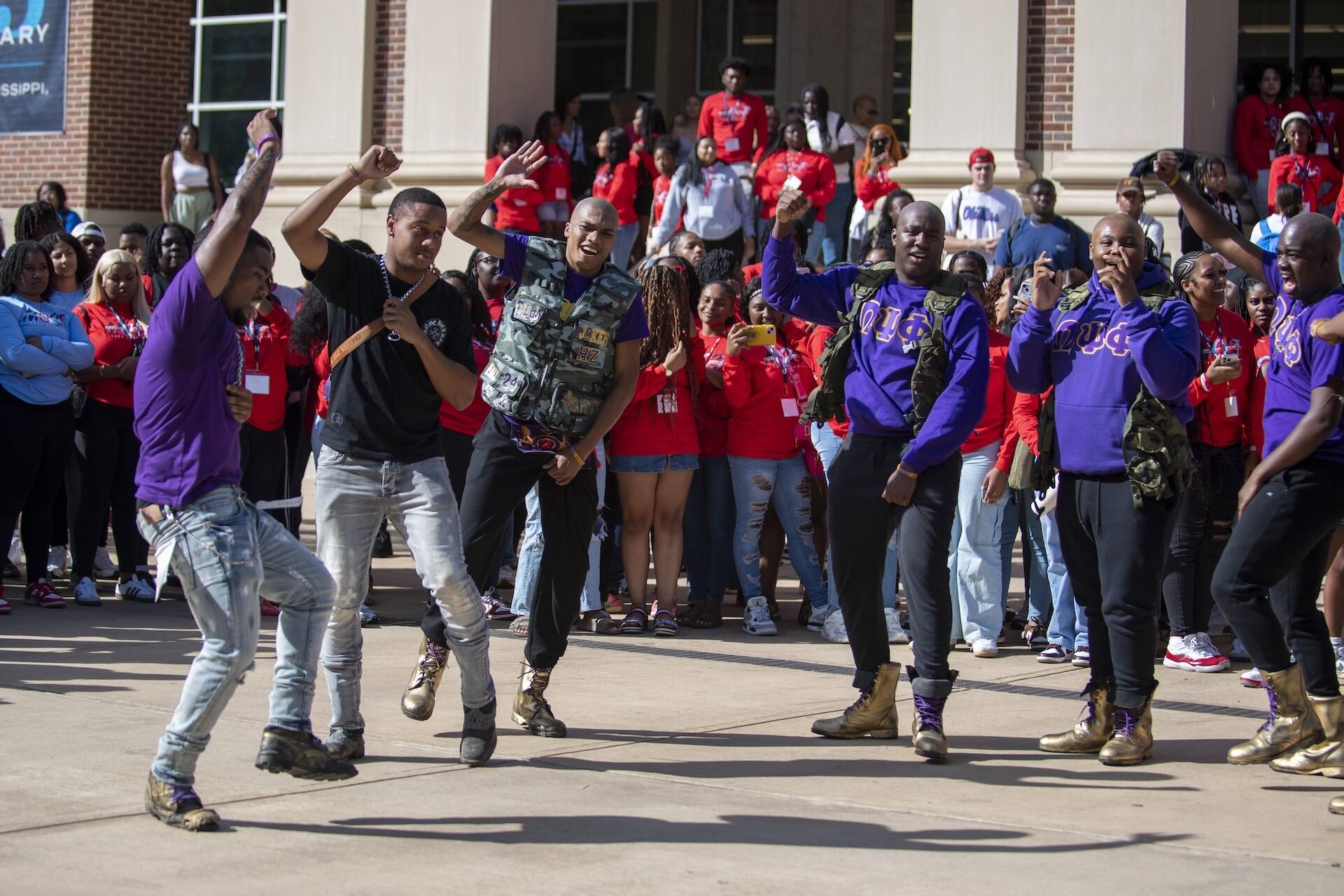
- Step shows and yard programs are public-facing and a good way to read each chapter’s culture before deciding which one you want to pursue. The yard culture guide covers how to read what you see.
What You’ll Pay, Sign, and Commit To
The financial and legal side of intake is rarely the first thing people ask about, but it is one of the first things every chapter will hand you in writing. The exact dollar figures vary by region and campus; the structure below is broadly representative.
New Member Fees
First-year fees combine local chapter dues, inter/national dues, and one-time pledging and initiation costs. The University of Alabama publishes an average of around $2,400 per semester for the first year. Smaller campuses tend to run lower, larger metropolitan chapters higher.
Ongoing Dues
Once initiated, members pay recurring local and national dues. Chapters that operate in-house housing add room costs on top; chapters that operate out-of-house keep the line item smaller. Plan for several hundred dollars each semester at minimum.
The Forms You’ll Sign
After the interest meeting, aspirants typically complete an online intake form that bundles a FERPA Academic Release and a hazing-policy acknowledgement. The release allows the chapter to verify enrollment status and cumulative GPA directly with the registrar. Hazing in any form is prohibited under federal, state, and university policy, and signing the acknowledgement is non-negotiable. Anyone who has resigned from another NPHC organization is permanently barred from joining a second.
The Time You’ll Commit
Members are expected to attend chapter meetings, program planning sessions, service hours, regional and national conferences, and step or stroll practice. A realistic baseline during the school year is six to ten hours a week, more in the intake semester itself.
Stack the Odds in Your Favor
The published checklist for prospective members is short, but each item has a longer story behind it.
- Decide on the organization first, not the line. Pick the chapter whose values, programs, and members fit you, and let the timing follow. The fraternity comparison and sorority comparison guides break down the differences chapter by chapter.
- Research the chapter you want, not the brand. Visit the chapter and national websites, follow their official social channels, and read recent step-show recaps. National reputation and local chapter culture are not the same.
- Get involved with other campus organizations. Resident assistant work, student government, service clubs, professional societies. Chapters are looking for people who already lead.
- Bank the service hours. Most chapters require completed community service hours; some publish a minimum. Volunteer before you need it on a resume.
- Dress for the room. Business casual is appropriate for Convocation and chapter forums. Interest meetings and rush events call for business professional, full stop.
- Keep the GPA above the chapter floor by at least 0.2 points. Chapters routinely choose between candidates who all meet the floor, and a noticeably stronger transcript is an easy tiebreaker.
- Ask the right questions when you finally get the chance: GPA expectation, signature service work, where members are involved on campus, time commitment in the intake semester, and time commitment after initiation.
Before You Walk Into Convocation
Intake rewards patience and consistency more than perfect grades. The candidates who get the call tend to be the ones the chapter has watched for two or three semesters, not the ones who appeared the week before the interest meeting. Start now: pick one chapter event to attend this month, read the organization’s own history pages, and put the next Convocation on your calendar before tickets go live. The work compounds quietly, and the chapter you eventually pledge will already know your face. Once you cross, the next question becomes how to stay active in your organization after college; that conversation starts the moment you finish initiation.
Quick Answers Before You Pledge
How do you join a D9 fraternity or sorority?
Attend NPHC Convocation for the academic year you plan to join, attend the chapter’s own informational or interest meeting, submit the chapter’s application, complete the FERPA and hazing-policy forms, then complete every education session and initiate.
What are members of D9 organizations called?
Members of Divine Nine fraternities are typically called brothers, and members of Divine Nine sororities are called sisters or sorors. Each organization also has its own internal name for members. Alphas, Kappas, Ques, Sigmas, Iotas, AKAs, Deltas, Zetas, and Sigma Gamma Rhos.
Does every chapter hold intake every semester?
No. Each organization decides each semester whether to run intake, and a chapter may skip Fall, Spring, or both. Check with the campus Office of Fraternity and Sorority Life for the current intake calendar.
Can I belong to more than one Divine Nine organization?
No. Anyone who has been initiated into one NPHC fraternity or sorority is barred from joining any other NPHC organization, even after resigning.
How long does the intake process take?
The published guidance is that it varies by chapter. Plan for six weeks at the short end and a full semester at the long end, with weekly education sessions throughout.