
Black Sororities: The Four Divine Nine Sisterhoods Explained


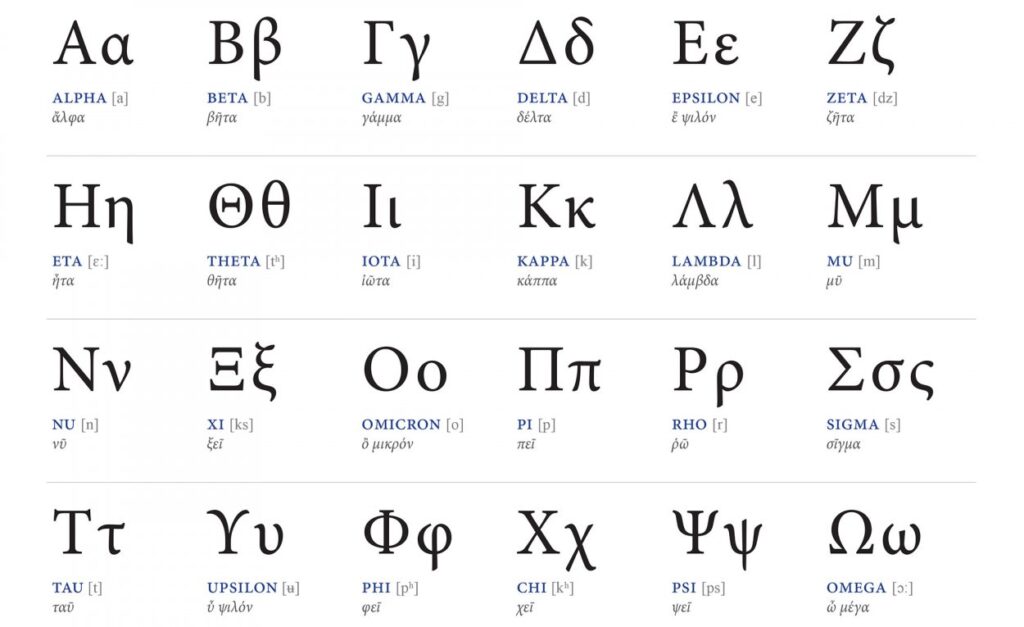
Black sororities are the historically Black Greek-letter sisterhoods that recruit and serve Black college women. Four belong to the Divine Nine, the group of nine historically Black Greek-letter organizations that make up the National Pan-Hellenic Council: Alpha Kappa Alpha, Delta Sigma Theta, Zeta Phi Beta, and Sigma Gamma Rho.
These four sororities were founded between 1908 and 1922, and they help make up a Divine Nine that counts nearly 4 million members today. Each one built its mission around scholarship, service, and sisterhood, and each carries a distinct founding story detailed below.
What Are Black Sororities?
Black sororities are collegiate sisterhoods founded by and for African American women. The four best known operate under the National Pan-Hellenic Council, the umbrella body for the Divine Nine, and they emerged from the same campus exclusion that pushed Black students to build their own Greek-letter organizations. They are separate from the National Panhellenic Conference, a council of mostly historically white sororities.
The Four Black Sororities of the Divine Nine
The Divine Nine includes four Black sororities, each founded at a specific university with a defined focus. The table below summarizes their founding facts, and the profiles that follow add detail on each sisterhood.
| Sorority | Founded | Founding school | Core focus |
|---|---|---|---|
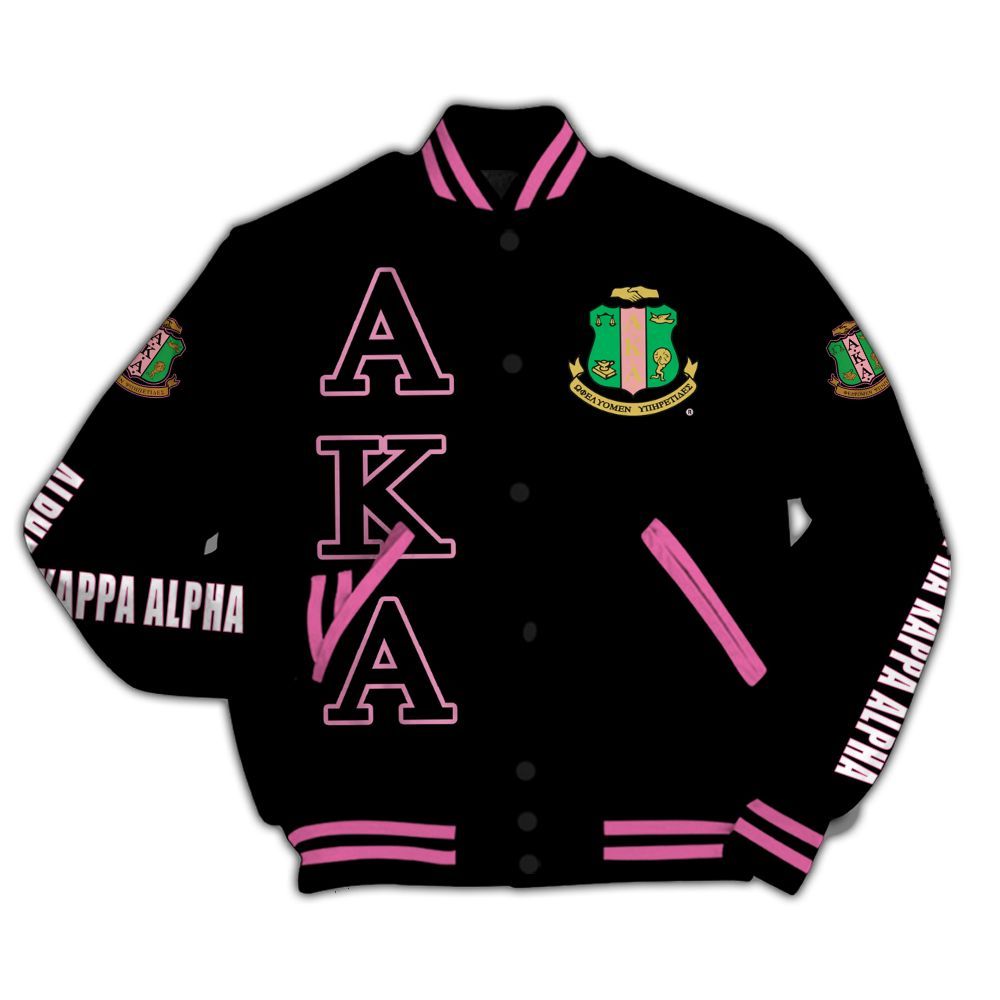
| Alpha Kappa Alpha | Jan 15, 1908 | Howard University | Education, health, family |
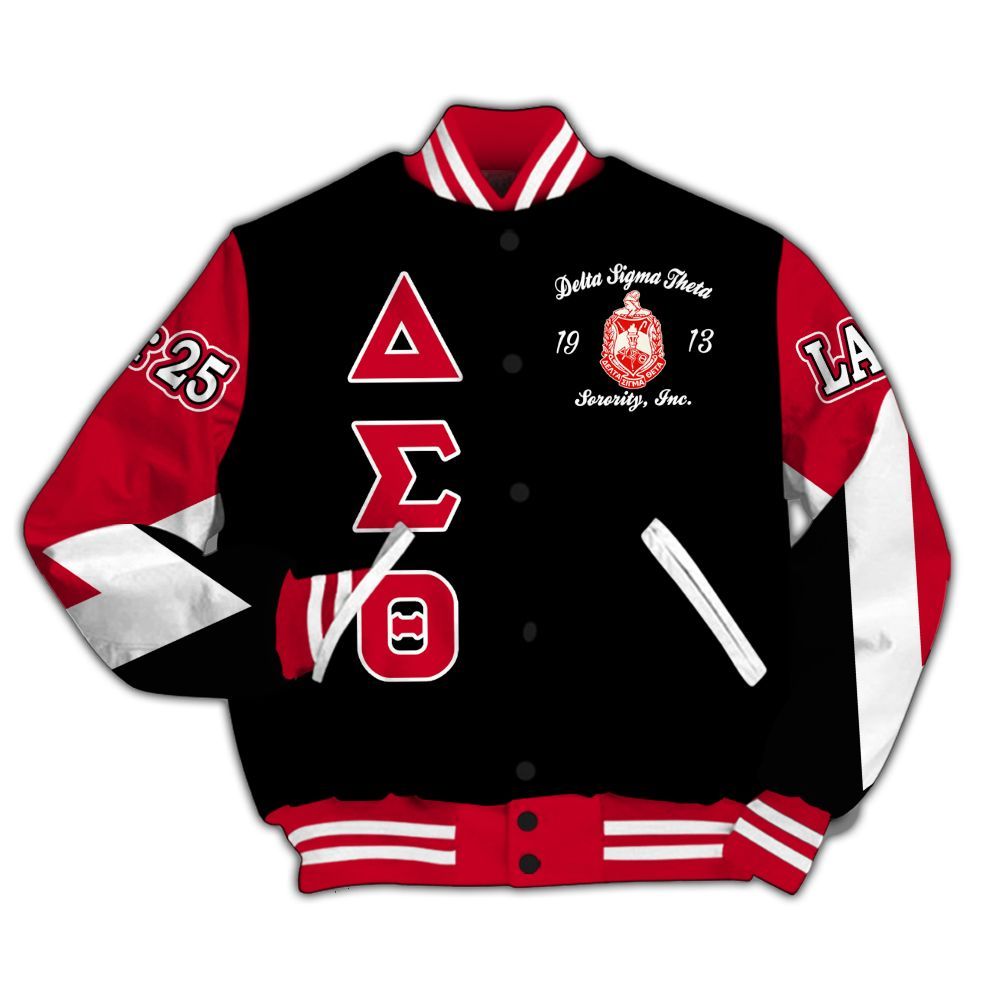
| Delta Sigma Theta | Jan 13, 1913 | Howard University | Public service, activism |
| Zeta Phi Beta | Jan 16, 1920 | Howard University | Service, finer womanhood |
| Sigma Gamma Rho | Nov 12, 1922 | Butler University | Community and social action |
Alpha Kappa Alpha Sorority, Inc.
Alpha Kappa Alpha, founded January 15, 1908, at Howard University, is the oldest Greek-letter sorority established for Black women. Its members are known as the Ivies, and its programs center on education, health, and the Black family.
Delta Sigma Theta Sorority, Inc.
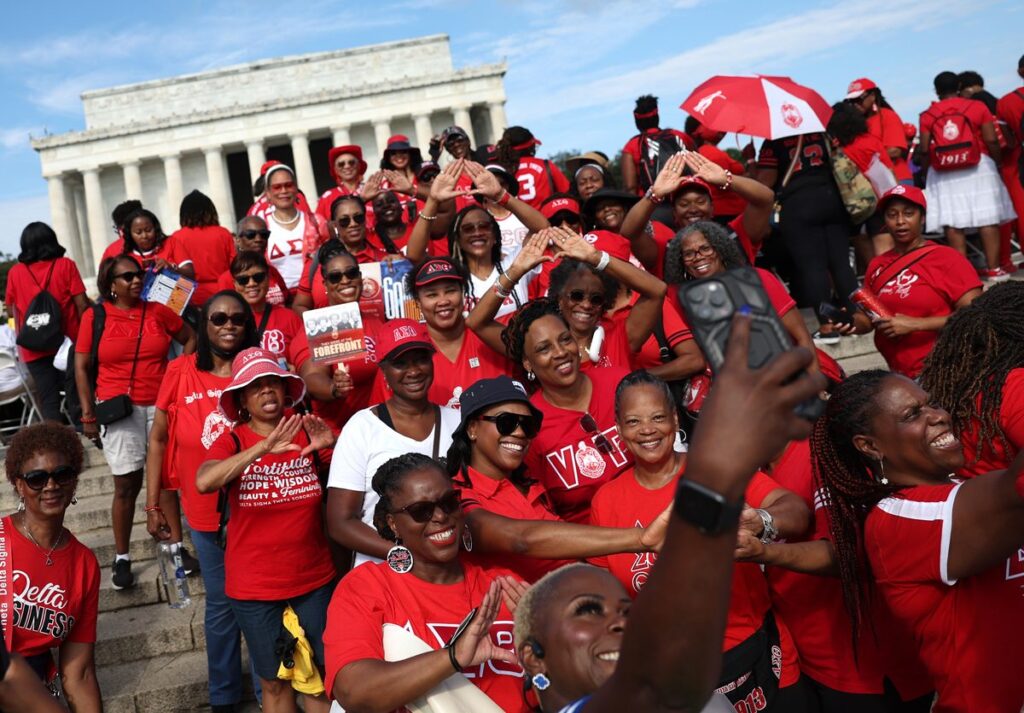
Delta Sigma Theta was founded January 13, 1913, at Howard University. The sorority is built on scholarship and public service, with a record of political activism that reaches back to its participation in the 1913 Women’s Suffrage March in Washington.
Zeta Phi Beta Sorority, Inc.
Zeta Phi Beta, founded January 16, 1920, at Howard University, is organized around Scholarship, Service, Sisterhood, and Finer Womanhood. It is the only NPHC sorority constitutionally bound to a fraternity, Phi Beta Sigma.
Sigma Gamma Rho Sorority, Inc.
Sigma Gamma Rho was founded November 12, 1922, at Butler University, the only Black sorority founded at a predominantly white institution. Its mission is to improve women’s lives through community service, civil action, and social action.
How the NPHC Connects the Black Sororities
The National Pan-Hellenic Council is the governing body that ties the four Black sororities to the other Divine Nine organizations. Howard University students founded the NPHC in 1930 to unify the Black Greek-letter organizations and protect their shared interests. Some members attended HBCUs and others did not, so the council gave them a collective voice on campuses that did not always treat them fairly.
The Civil Rights Legacy of Black Sororities
Black sororities carry a documented civil rights legacy, because their service missions aligned naturally with the movement’s goals. Their members were pivotal figures in that history: Coretta Scott King was a member of Alpha Kappa Alpha, and Delta Sigma Theta marched in the 1913 Women’s Suffrage March. The Smithsonian’s National Museum of African American History and Culture documents how deeply these organizations shaped that era.

Black Sororities in Pop Culture
Black sororities and their wider Greek-letter culture are a recurring reference in film, television, and music. The culture appears in shows like A Different World and movies like Stomp the Yard, and Beyonce styled her own fictional Black Greek-letter organization during her 2018 Coachella performance, introducing the traditions to a global audience.
How to Join a Black Sorority
Joining a Black sorority begins with the organization’s membership intake process rather than a traditional rush week. NPHC sororities are highly selective and weigh community involvement and professional achievement heavily. Intake usually follows a period of interest meetings, so the first step is to visit the NPHC or the specific sorority’s website to find current chapter guidelines.
FAQs
What are the four Black sororities?
The four historically Black sororities in the Divine Nine are Alpha Kappa Alpha (1908), Delta Sigma Theta (1913), Zeta Phi Beta (1920), and Sigma Gamma Rho (1922). All four operate under the National Pan-Hellenic Council.
What are the five Black sororities?
The Divine Nine includes four Black sororities, not five. The confusion comes from the Divine Nine having nine organizations in total; five of those nine are fraternities and four are sororities.
What is the most popular Black sorority?
Alpha Kappa Alpha is the oldest of the four, founded in 1908 at Howard University, and is among the largest and most widely recognized Black sororities. Each of the four, however, has a strong national presence.
What is the difference between the NPHC and the NPC?
The NPHC (National Pan-Hellenic Council) governs the nine historically Black Greek-letter organizations, including the four Black sororities. The NPC (National Panhellenic Conference) is a separate council made up largely of historically white sororities.
If you belong to one of these sisterhoods or are preparing for intake, browse Ireishprint’s custom Greek apparel to represent your letters and your line with pride.