
Alpha Kappa Alpha Sorority: A Complete Guide to History, Traditions, and Culture

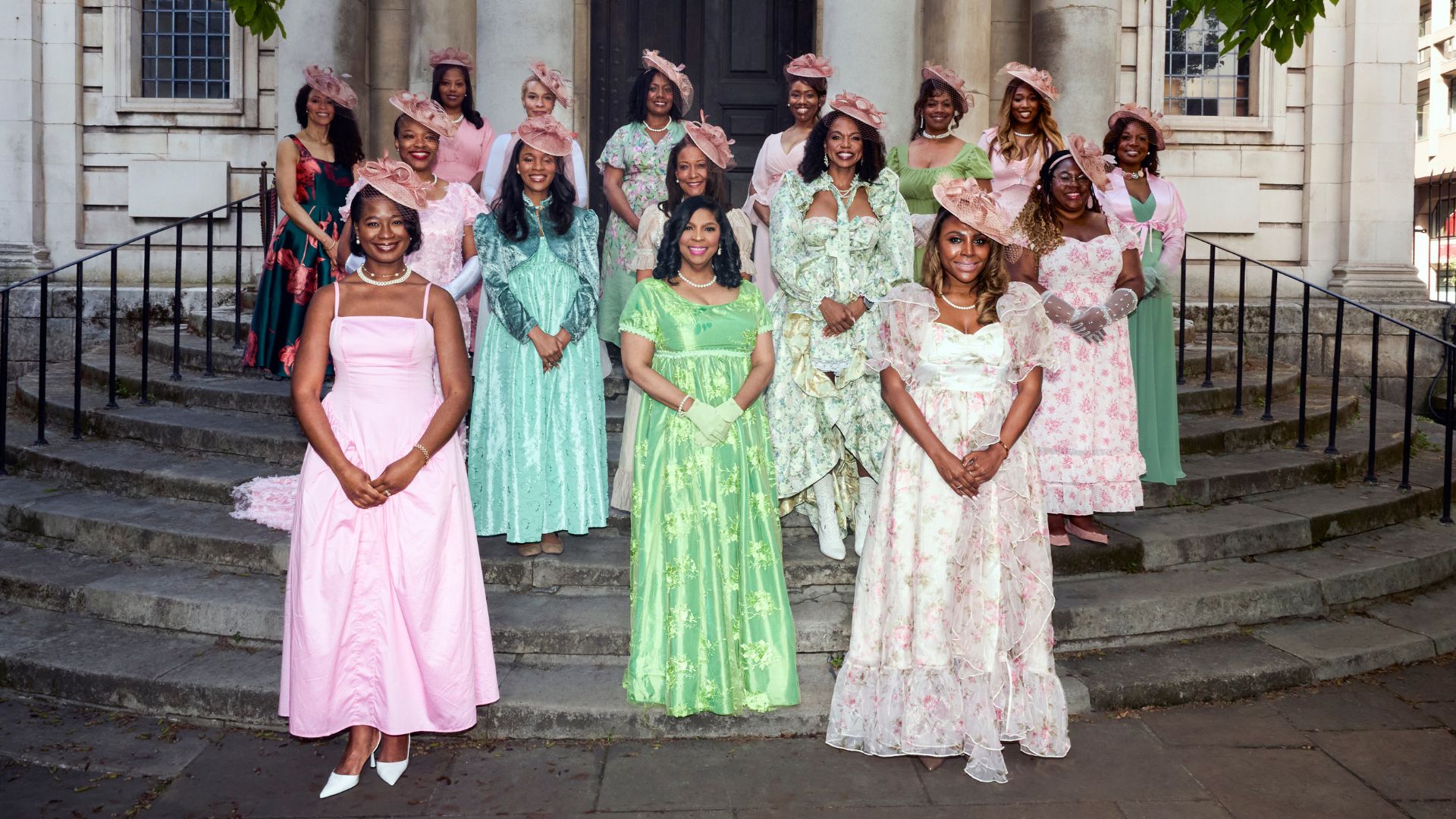
Alpha Kappa Alpha Sorority, Incorporated, known to most people simply as AKA, started as a sisterhood of nine Howard University women in 1908 and grew into a global service organization with chapters across the United States, the Caribbean, Africa, Europe, and Asia. Its story is also the story of Black women claiming a Greek letter identity at a moment when American higher education had almost no room for them. This guide walks through the founding, the decade by decade service record, the symbols and traditions, and the culture that keeps salmon pink and apple green alive on campus and beyond.
The Founding of Alpha Kappa Alpha at Howard University
Alpha Kappa Alpha was founded on January 15, 1908, at Howard University’s Miner Hall in Washington, D.C. by Ethel Hedgemon Lyle and eight other collegiate women. It stands as the first Greek-lettered sorority established by African American women, a distinction that placed AKA at the front of a tradition Black women would later expand through Delta Sigma Theta, Zeta Phi Beta, and Sigma Gamma Rho.
Five years after the founding, Nellie M. Quander led the effort to incorporate the sorority on January 29, 1913, alongside Norma E. Boyd and Minnie B. Smith. Incorporation in the District of Columbia gave Alpha Kappa Alpha a permanent legal structure, the ability to broaden its service concept, and the framework to expand through subordinate chapters. By 1921, AKA had established its first ten undergraduate chapters and published the first volume of the Ivy Leaf, the quarterly journal that still archives the sorority’s record.
The Original Nine Founders and the Sophomores
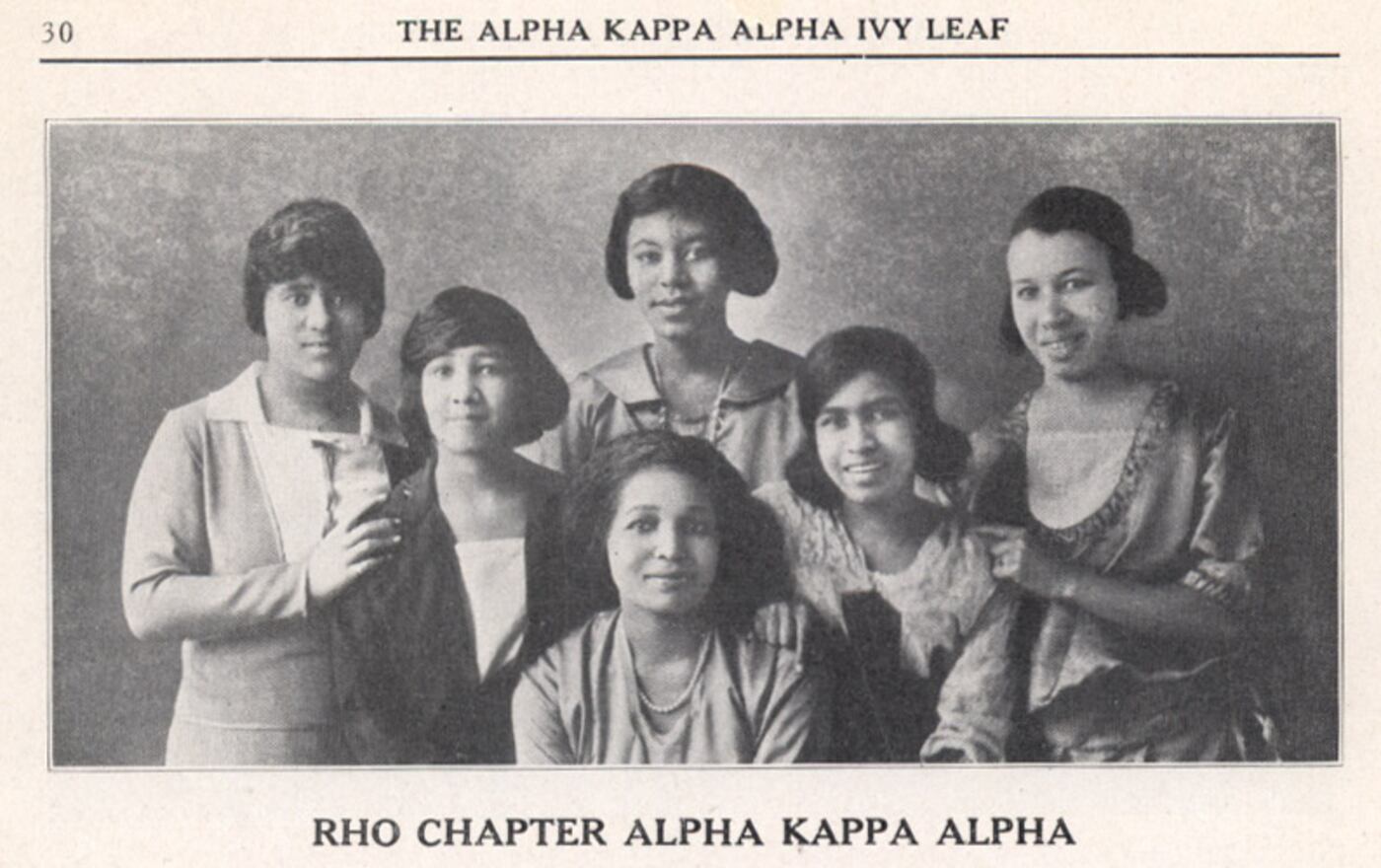
The Original Nine Founders are remembered by name at every Founders’ Day:
- Ethel Hedgemon Lyle
- Beulah Elizabeth Burke
- Lillie Burke
- Margaret Flagg Holmes
- Marjorie Hill
- Lucy Diggs Slowe
- Marie Woolfolk Taylor
- Anna Easter Brown
- Lavinia Norman
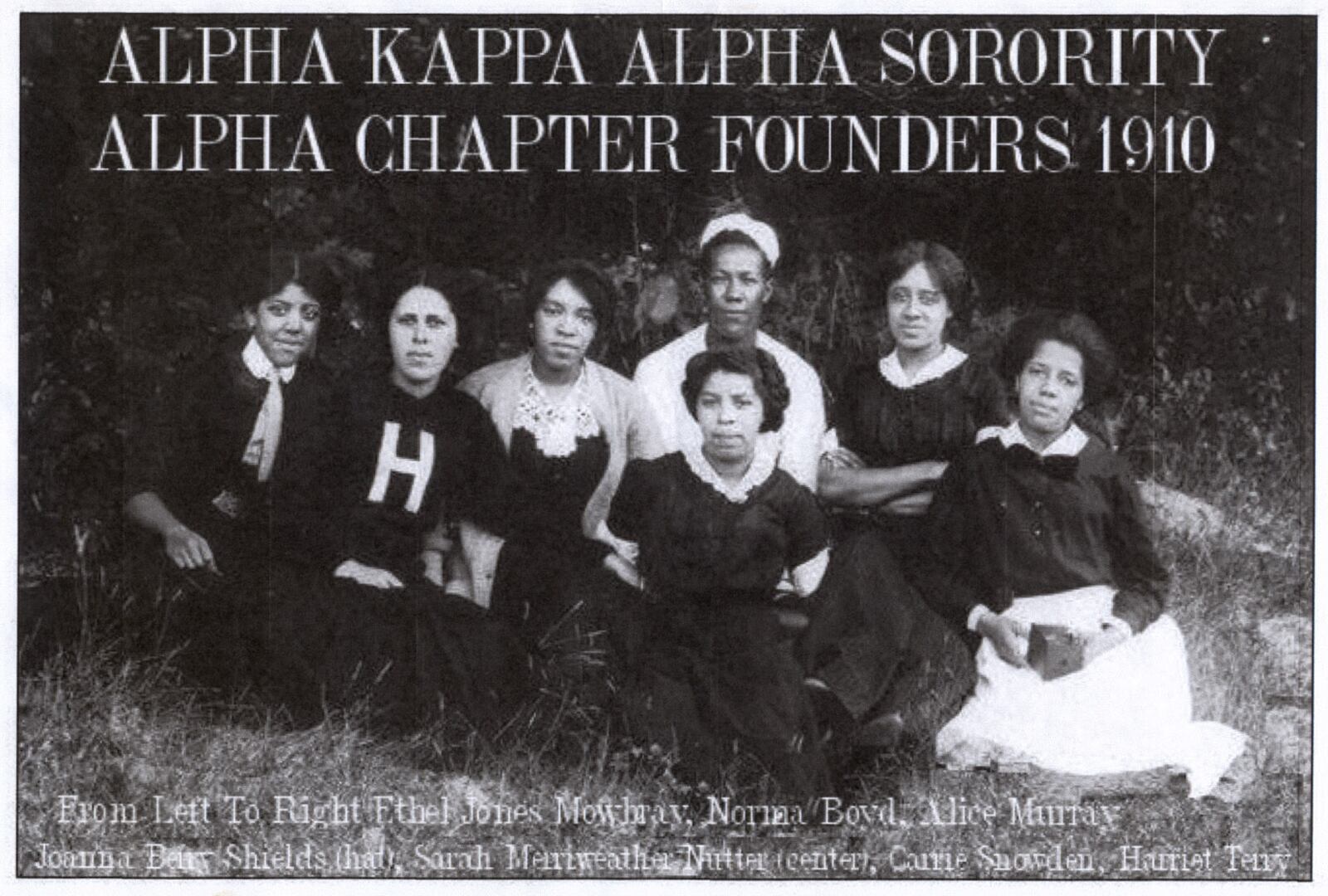
In 1910, seven sophomore women were invited to join and help shape the sorority’s direction. Among them was Nellie Quander, who would later lead the incorporation effort. These women became known as the Sophomores and played an essential role in defining AKA’s early programs and ideals.
A Century of Service, Decade by Decade
AKA’s history reads as a service record more than a social one. The official chronology marks a major initiative in nearly every decade.
1920s and 1930s
The first volume of the Ivy Leaf appeared in 1921. That same year the Sorority sent a telegram to President Warren G. Harding urging passage of the Dyer Anti-lynching Bill. In 1934, the Mississippi Health Project brought public health services to the African American community in the Mississippi Delta, a region with almost no formal access to care. The official history calls it the most widely known expression of social responsibility in AKA’s record. In 1939, Alpha Kappa Alpha became the first organization to take life membership in the NAACP.
1940s and 1950s
In 1947, AKA joined other Greek organizations to form the American Council on Human Rights, a coalition of more than 50,000 members working against racial discrimination. For the Golden Anniversary in 1958, the Sorority donated $15,000 toward sickle cell anemia research at Howard University College of Medicine, later published as The Sickle Cell Story.
1960s and 1970s
Dr. Martin Luther King, Jr. attended the 1964 National Convention in Philadelphia and received the first Anna Eleanor Roosevelt Medallion of Honor. On February 12, 1965, AKA secured a $4 million contract from the Office of Economic Opportunity to run the first Federal Job Corps Center for women in Cleveland, Ohio, providing training for 325 young women ages 16 to 21. In 1978, the Founders’ Window was installed in Howard University’s Rankin Chapel as part of the 70th anniversary celebration.
1980s and 1990s
The Educational Advancement Foundation was established in 1980 and now awards more than $100,000 each year in scholarships, grants, and fellowships. In 1982 the Sorority broke ground on its Corporate Office on South Stony Island Avenue in Chicago, on a street the city later renamed Loraine Green Way after the second International President. The African Village Development Program with Africare earned Africare’s 1986 Distinguished Service Award, and by 1990 more than 250 AKA chapters had adopted villages. The 1990s focused on the Black family, an American Red Cross partnership on AIDS in the African American community, and a campaign to add minorities to the National Bone Marrow Registry.
2000s, 2010s, and 2020s
The 2008 Centennial Boule in Washington, D.C. drew 25,000 members and guests and set a Guinness record by serving 16,206 meals at the banquet. AKA became the first Black women’s group to mark a centennial, the first organization to have Pennsylvania Avenue closed for a march to the Capitol, and the first women’s group to have a Barbie created in its honor. In the 2020s the Sorority added another Guinness World Record for preparing women’s hygiene kits, provided more than one million CHIPP bags for hungry children, spent more than $30 million with Black businesses in a single month, launched the For Members Only Federal Credit Union, and raised $2.6 million for HBCUs in one day with endowment funds at every HBCU in the country, supported by the Educational Advancement Foundation.
Core Values, Motto, and Mission
Three pillars anchor every chapter, every line, every program:
- Sisterhood: lifelong bonds between women committed to excellence.
- Scholarship: high academic standards and lifelong learning.
- Service to All Mankind: tangible work in underserved communities.
The official motto is By Culture and By Merit. The mission statement, carried on the homepage of the international site, is to cultivate and encourage high scholastic and ethical standards, promote unity and friendship among college women, study and help alleviate problems concerning girls and women, maintain a progressive interest in college life, and be of Service to All Mankind.
Symbols, Colors, and Sorority Traditions
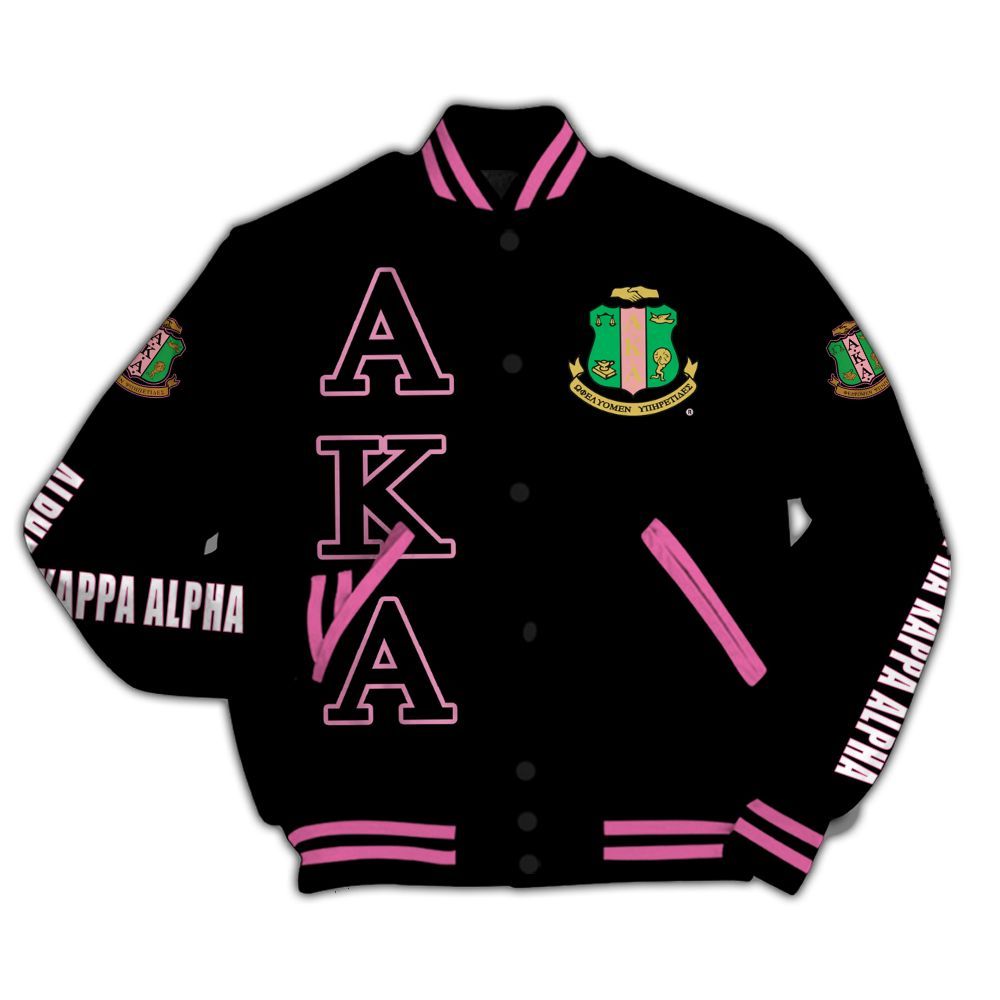
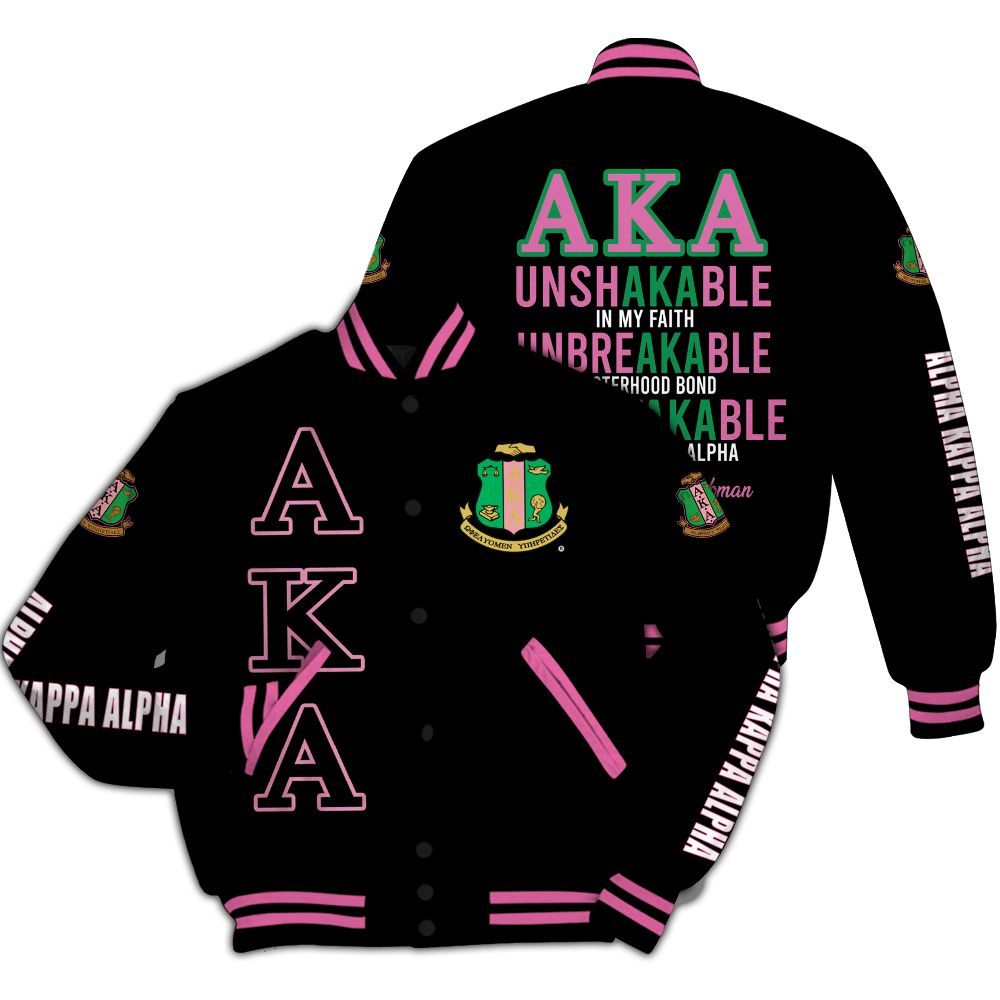
Colors: Salmon Pink and Apple Green
The colors stand for femininity, vitality, and growth, and they are the fastest visual cue at any Divine Nine event. The choice predates most modern sorority color schemes and gives AKA an instantly recognizable look at probate shows, strolls, and Founders’ Day services.
Symbol: The Ivy Leaf
The Ivy Leaf was chosen for its tenacity and its ability to grow in harsh conditions. It is the namesake of the Sorority’s quarterly journal, the Founders’ Window at Howard’s Rankin Chapel, and the Ivy Beyond the Wall ceremony that honors departed sorors.
Flower: The Pink Tea Rose
Grace, refinement, and inner strength sit behind the choice of the pink tea rose. It appears in initiation, in graduation gifts, and in the floral tributes at every Ivy Beyond the Wall.
Call: Skee Wee
Skee Wee is the high-pitched call AKA members use as a greeting or an expression of joy. It is the most recognizable of all the Divine Nine calls and chants and the one most often imitated outside Greek life.
Step and Stroll
AKA chapters are widely recognized for participation in stepping and strolling, performance traditions with African roots that show up at probate shows, yard shows, and Greek picnics. The Sorority’s style emphasizes precision, posture, and the pink-and-green color story.
Membership and the Path to Pink and Green
Membership in Alpha Kappa Alpha is by invitation only and is split between undergraduate and graduate intake.
Undergraduate Membership
- Full-time enrollment at a four-year accredited college or university.
- Completion of at least one semester or quarter on that campus.
- Minimum GPA, often in the 2.5 to 3.0 range depending on chapter standards.
- Demonstrated leadership, service, and strong character.
Graduate Membership
- A baccalaureate degree from an accredited institution.
- Intake conducted through graduate chapters of alumnae members.
- A history of academic achievement, leadership, and community service.
The Sorority is organized into ten regions: North Atlantic, Mid Atlantic, South Atlantic, Great Lakes, South Eastern, South Central, Central, Mid-Western, Far Western, and International. The South Atlantic Region is the largest with 183 chapters, and the International Region carries 18 chapters across countries outside the United States.
AKA in the Divine Nine
Alpha Kappa Alpha holds a unique place inside the National Pan-Hellenic Council, the council of nine historically Black Greek-letter organizations known as the Divine Nine. The other eight are:
- Alpha Phi Alpha Fraternity, Inc.
- Kappa Alpha Psi Fraternity, Inc.
- Omega Psi Phi Fraternity, Inc.
- Delta Sigma Theta Sorority, Inc.
- Phi Beta Sigma Fraternity, Inc.
- Zeta Phi Beta Sorority, Inc.
- Sigma Gamma Rho Sorority, Inc.
- Iota Phi Theta Fraternity, Inc.
As the first Black sorority, AKA shaped how the council came together and how the other organizations frame their own founding stories. Members often work alongside brother and sister organizations on joint service events, NPHC step shows, and Black History Month programming.
Notable AKA Women and Modern Influence
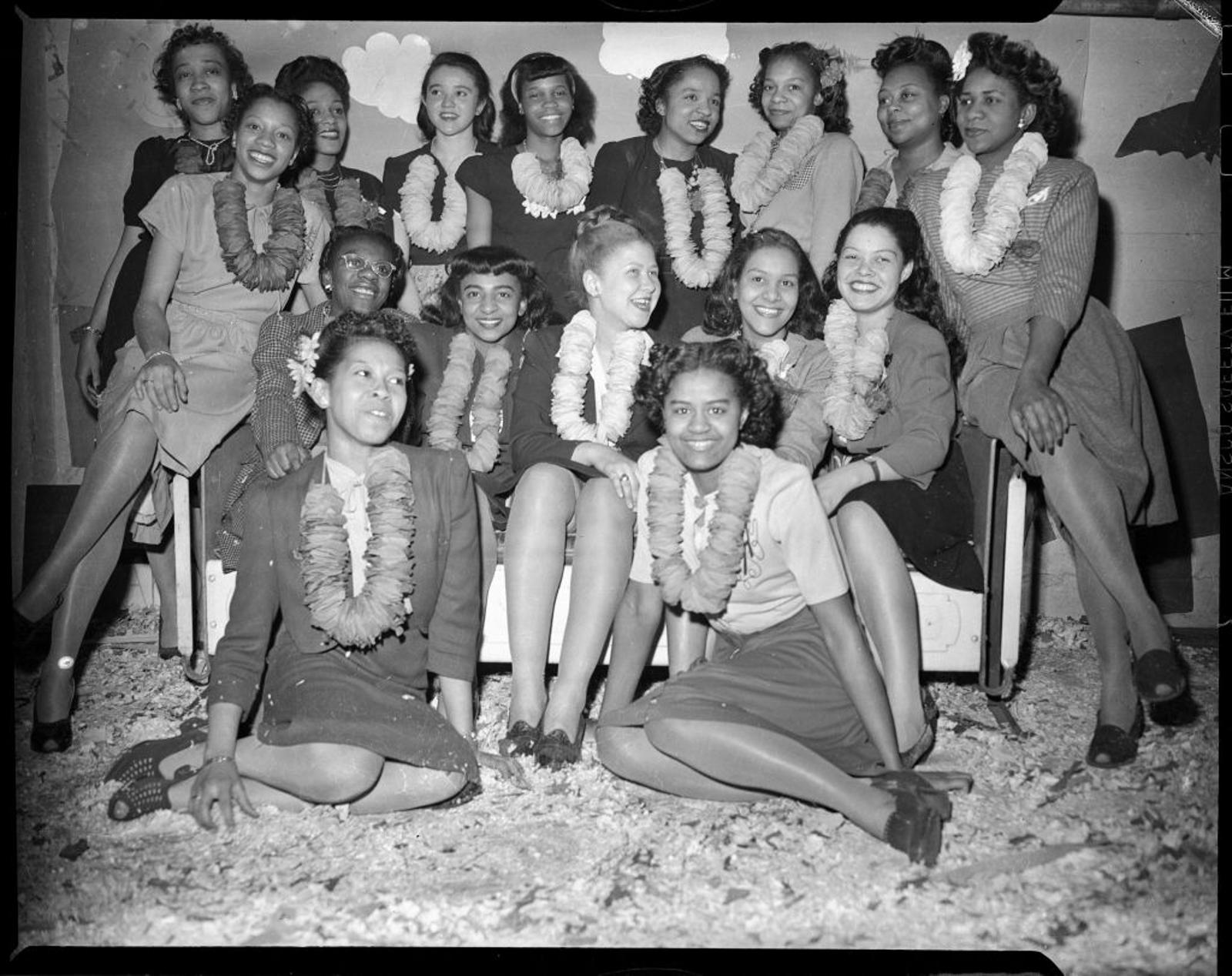
The Sorority counts a long line of accomplished women across politics, the arts, and business. Former U.S. Vice President Kamala Harris was initiated at Howard; honorary inductees have included Coretta Scott King, Maya Angelou, and Toni Morrison; and the modern roster runs through Phylicia Rashad, Ava DuVernay, Cathy Hughes, and Gladys Knight. For the full list across politics, film, business, and the arts, see our famous AKAs roundup.
The 2022 to 2026 administration under International President and CEO Danette Anthony Reed carries the theme Soaring to Greater Heights of Service and Sisterhood, organized around six pillars: Strengthen Our Sisterhood, Empower Our Families, Build Our Economic Wealth, Enhance Our Environment, Advocate For Social Justice, and Uplift Our Local Community. Current membership stands at roughly 390,000 women across more than 1,120 chapters in 50 states and territories and 15 countries.
Carrying the Ivy Leaf Forward
What began with nine Howard University students in a winter classroom in 1908 is now a global service network with more than a century of receipts: hospitals reached during the Depression, NAACP membership taken when few would, a Job Corps center for young women in 1965, schools built in South Africa, a Guinness banquet in 2008, and a record-setting HBCU fundraising day in the 2020s. Sisterhood does not end at graduation. Graduate chapters carry the work forward, and the Ivy Beyond the Wall ceremony marks every soror who has held the light high. The pink and green keep moving.