
AKA vs Delta Sigma Theta: Which Sorority Is Right for You?


Both Alpha Kappa Alpha and Delta Sigma Theta were born at Howard University, five years and one philosophical split apart. AKA came first in 1908 with nine founders. Delta Sigma Theta arrived in January 1913 when twenty-two women, several of them former AKAs, wanted a sharper public service edge than the older sorority would give them. That single fork in the road still shapes how each organization carries itself today, and it is the cleanest answer to which one might be right for you.
The short version: AKA tends to lead with culture, scholarship, and pearl-and-pink polish. Delta Sigma Theta tends to lead with the torch, the platform, and a structured push into civic life. Neither is “more political” or “more social” than the other, but the day-to-day texture of each chapter is different enough that visiting events of both, more than once, will tell you more than any comparison chart.
How Both Sororities Began at Howard

The two sororities share the same address and five years of distance. Alpha Kappa Alpha was chartered at Howard on January 15, 1908, by nine collegiate women led by Ethel Hedgeman Lyle, the first Greek-lettered sorority established by African American women. Delta Sigma Theta followed on January 13, 1913, when twenty-two undergraduates, several of them already members of AKA, voted to reorganize after a proposed change to the older sorority’s name, colors, and direction was tabled.
Where the contrast lands is in the first public act. Less than two months after founding, Delta’s members marched in the 1913 Women’s Suffrage March in Washington. AKA members participated in suffrage activity as well, but Delta’s near-simultaneous founding-to-march timing is the story the org has carried forward, and it set the tone for the platform-first identity that still distinguishes the two sisterhoods.
Symbols, Colors, and the Stories Behind Them
The symbols on each crest are the easiest place to see the personality difference.
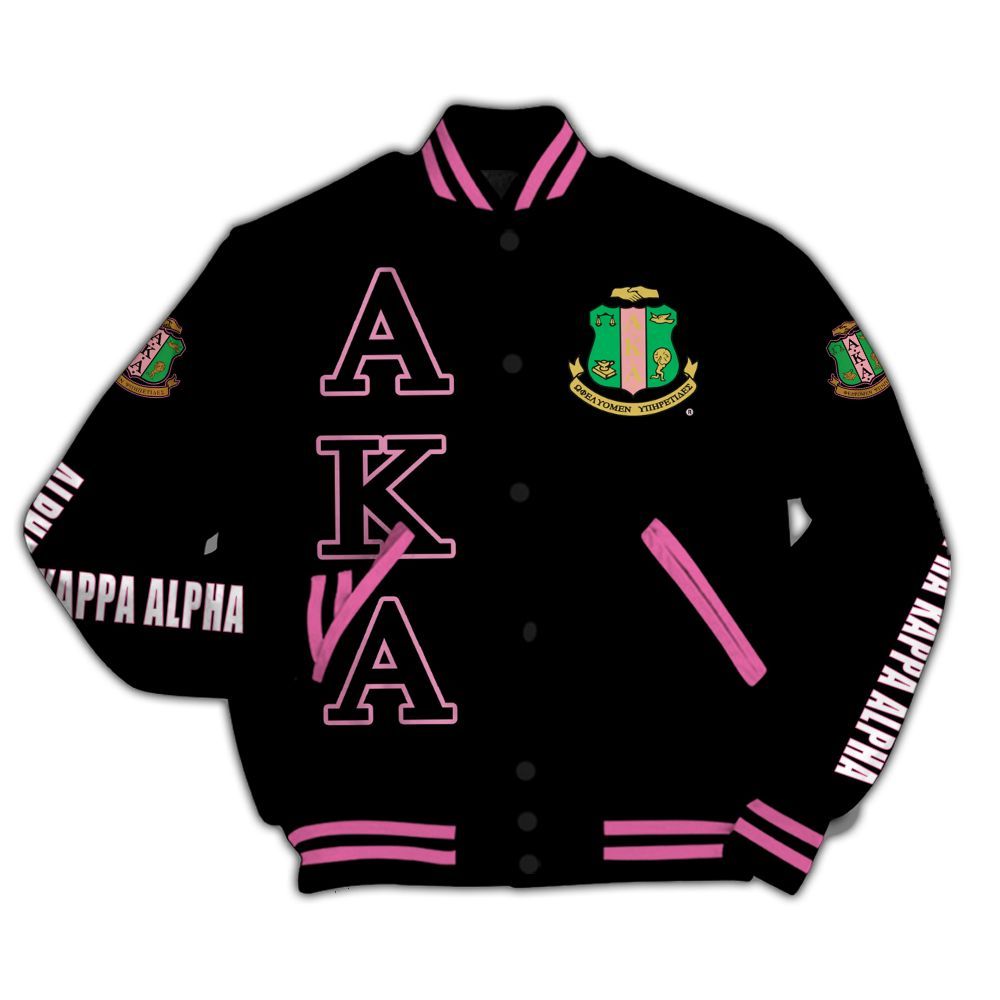
Alpha Kappa Alpha uses the ivy leaf, the mirror, and the pearl. Its colors are salmon pink and apple green. The motto, “By Culture and By Merit,” reads like a doorway statement: who you are and what you bring with you.
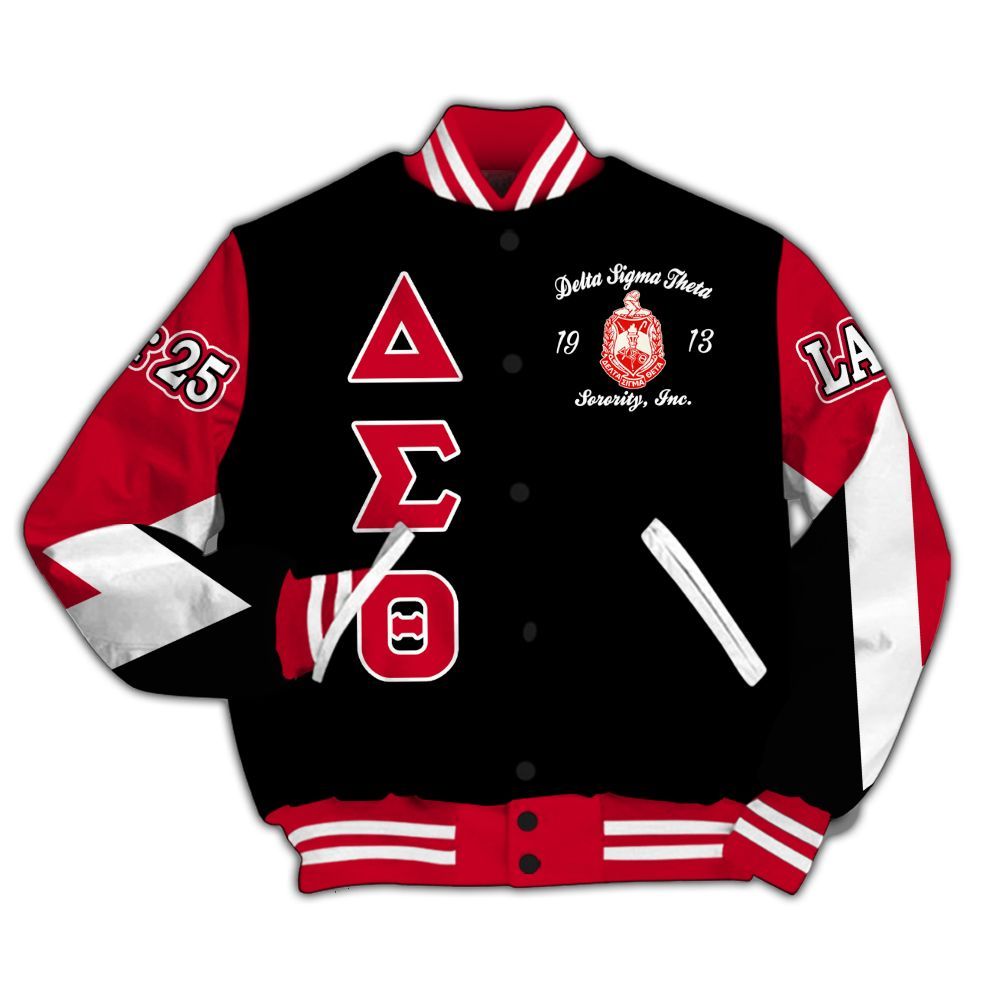
Delta Sigma Theta uses the torch, the elephant, and the Fortitude statue. Its colors are crimson and cream. The motto is “Intelligence is the Torch of Wisdom,” which is the kind of line that fits well over a podium.
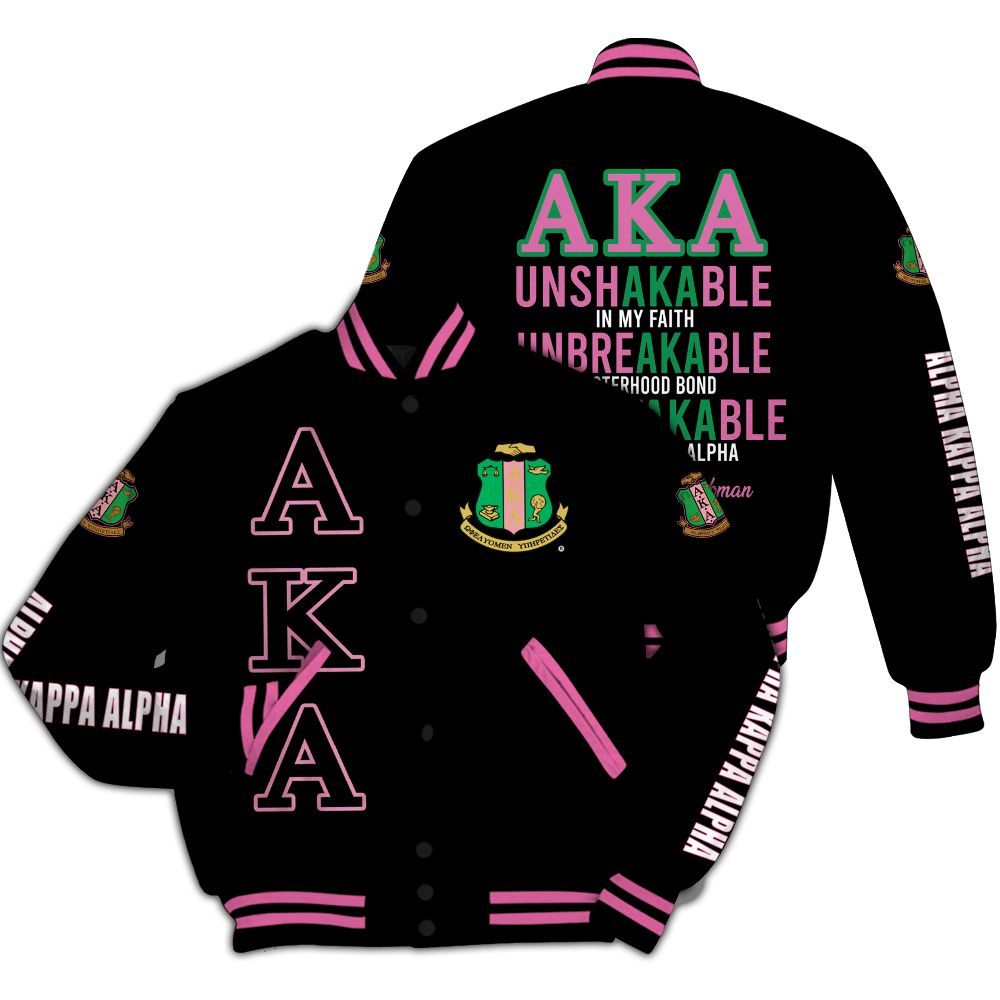
Both crests live across stoles, jackets, line jackets, paddles, and chapter merch, and you will see the colors at probates, step shows, and homecoming far more often than the official symbols themselves.
Missions That Look Alike Until You Read the Programs

On paper both sororities promise scholarship, service, and sisterhood. The difference shows up in how each one organizes that work.
AKA organizes its national service as a list of named initiatives, currently Emerging Young Leaders, Environmental Ownership, and Global Poverty reduction. Delta organizes its service inside a single framework, the Five-Point Programmatic Thrust covering economic, educational, health, political, and international development. The five thrusts are a structural answer to the same scholarship-and-service question, just stated as a framework instead of a list. Each pillar guide walks through the decade-by-decade program record.
So the daylight is not in whether one sorority does politics and the other does not. It is in how each one packages that work, and which framing pulls you in.
Membership Size, Reach, and Headquarters
Delta Sigma Theta is currently the largest Black Greek-lettered sorority, with more than 350,000 members across more than 1,000 chapters internationally, including chapters in Bermuda, Japan, England, South Africa, and South Korea. Its national headquarters sits in Washington, D.C.
Alpha Kappa Alpha counts roughly 390,000 members across more than 1,120 chapters in 50 states and territories and 15 countries. Its national headquarters is in Chicago, Illinois. Both sororities welcome members regardless of race or background, and both run undergraduate and graduate (alumnae) membership pathways, meaning you do not have to come in as a college student to cross. Both are part of the Divine Nine, the nine historically Black Greek-letter organizations.
AKA vs Delta Sigma Theta, Side by Side

| Feature | Alpha Kappa Alpha | Delta Sigma Theta |
|---|---|---|
| Founded | January 15, 1908 | January 13, 1913 |
| Where | Howard University | Howard University |
| Founders | 9 women, led by Ethel Hedgeman Lyle | 22 women, several former AKAs |
| Motto | By Culture and By Merit | Intelligence is the Torch of Wisdom |
| Colors | Salmon pink, apple green | Crimson, cream |
| Symbols | Ivy leaf, mirror, pearl | Torch, elephant, Fortitude statue |
| Members | ~390,000 | 350,000+ |
| Chapters | ~1,120 | 1,000+ |
| Headquarters | Chicago, IL | Washington, D.C. |
| Signature programs | Emerging Young Leaders, Environmental Ownership, Global Poverty | Five-Point Programmatic Thrust |
On paper the differences are clear, but salmon pink and crimson read very differently once they are on a jacket instead of a spec sheet — the easiest way to see which colors feel like you is to look at the gear side by side.
See both in your closet
Compare the colors in person before you decide — both collections are in stock now.
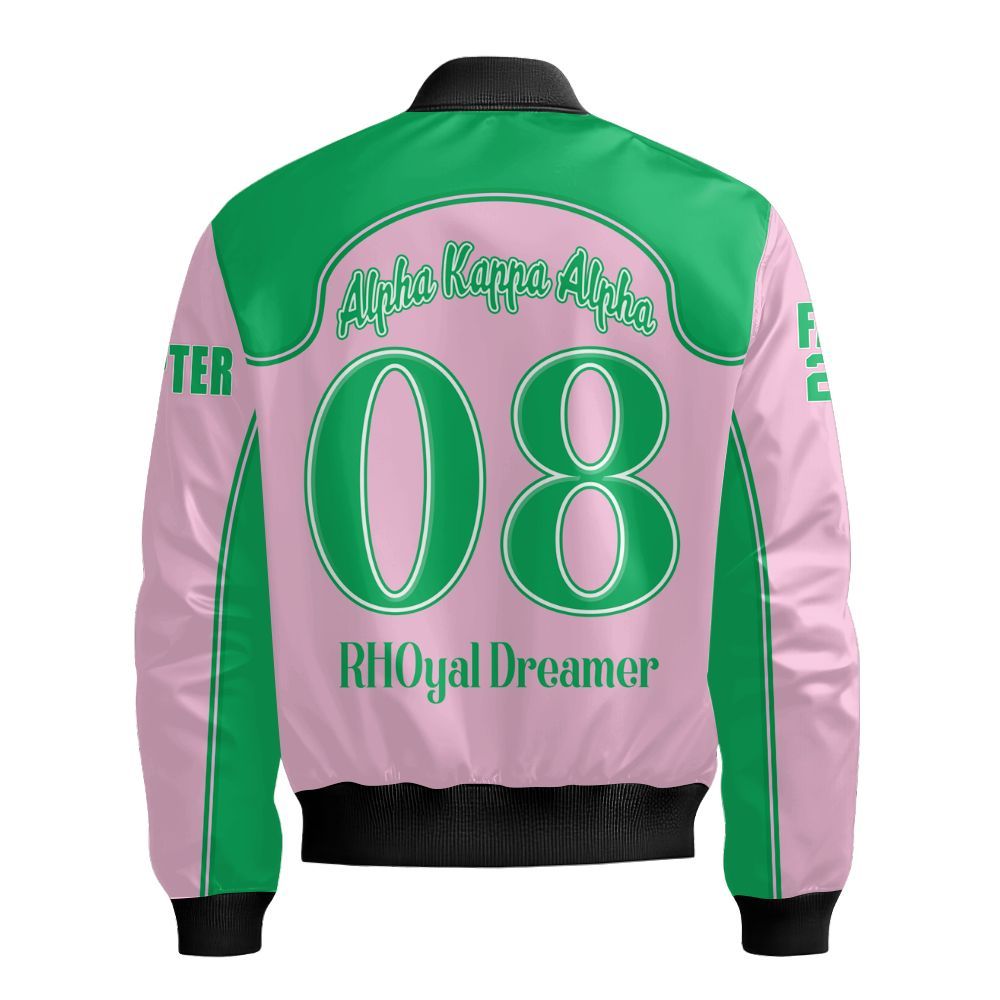 Alpha Kappa Alpha →
 Delta Sigma Theta →
Once You Cross: Repping Your Letters
Whichever way you decide, the day you cross is the day the letters become yours to wear. New members show their line and their pride at probates, step shows, homecoming, and founders day, and the gear is part of how that pride shows up in a room.
When that day comes, you can shop Alpha Kappa Alpha apparel in salmon pink and apple green, or Delta Sigma Theta apparel in crimson and cream. Crossing season is also when many new members pick up a chapter sweatshirt to mark the moment.
Whichever letters you end up wearing, your gear should say it with confidence.
Ready to rep your letters?
Custom-made in your organization’s official colors, ready for probate, homecoming, or founders day.
Which One Feels Like You?
The most honest filter is not the colors. It is which energy you want to spend the next several decades in.
If you are drawn to a culture-first frame, where the merit conversation is the front door and the sisterhood is the lived part, AKA tends to read that way. If you want the framework, the platform, and the comfort of a five-point structure that translates almost cleanly into a resume bullet, Delta tends to read that way. Neither is a stereotype to live up to or live down. The members who are happiest in each org generally chose the one whose handshake felt like their own voice, not the one with the prettier paddle.
Two other things matter more than the comparison chart. First, talk to actual members on the campus you will pledge from, because chapter culture varies a lot more than national branding suggests. Second, sit with the friendly rivalry instead of trying to resolve it. AKAs and Deltas have been side-by-side for more than a century, and many of the strongest moments in Black women’s organizing have come from the two umbrellas working in the same room.
Quick Answers Before You Pledge
Can I be a member of both AKA and Delta Sigma Theta?
No. Both sororities are part of the National Pan-Hellenic Council, and the NPHC’s single-org rule means once you are initiated into one Divine Nine sorority you cannot pledge another.
Which sorority is larger, AKA or Delta?
Alpha Kappa Alpha is currently the larger of the two by membership count, at roughly 390,000 members. Delta Sigma Theta follows at more than 350,000 and remains the largest Black sorority by chapter footprint in several international regions.
Why did Delta Sigma Theta break from Alpha Kappa Alpha?
Twenty-two women, several already in AKA, wanted changes to the older sorority’s name, colors, and direction. When the proposal was tabled, they reorganized and founded Delta Sigma Theta on January 13, 1913.
What are the colors of each sorority?
AKA wears salmon pink and apple green. Delta Sigma Theta wears crimson and cream.
Do I have to pledge in college?
No. Both sororities run graduate (alumnae) chapters that welcome members past college age, so the decision is not one you have to make at nineteen.