
Phi Beta Sigma Fraternity: A Complete Guide to History, Traditions, and Culture

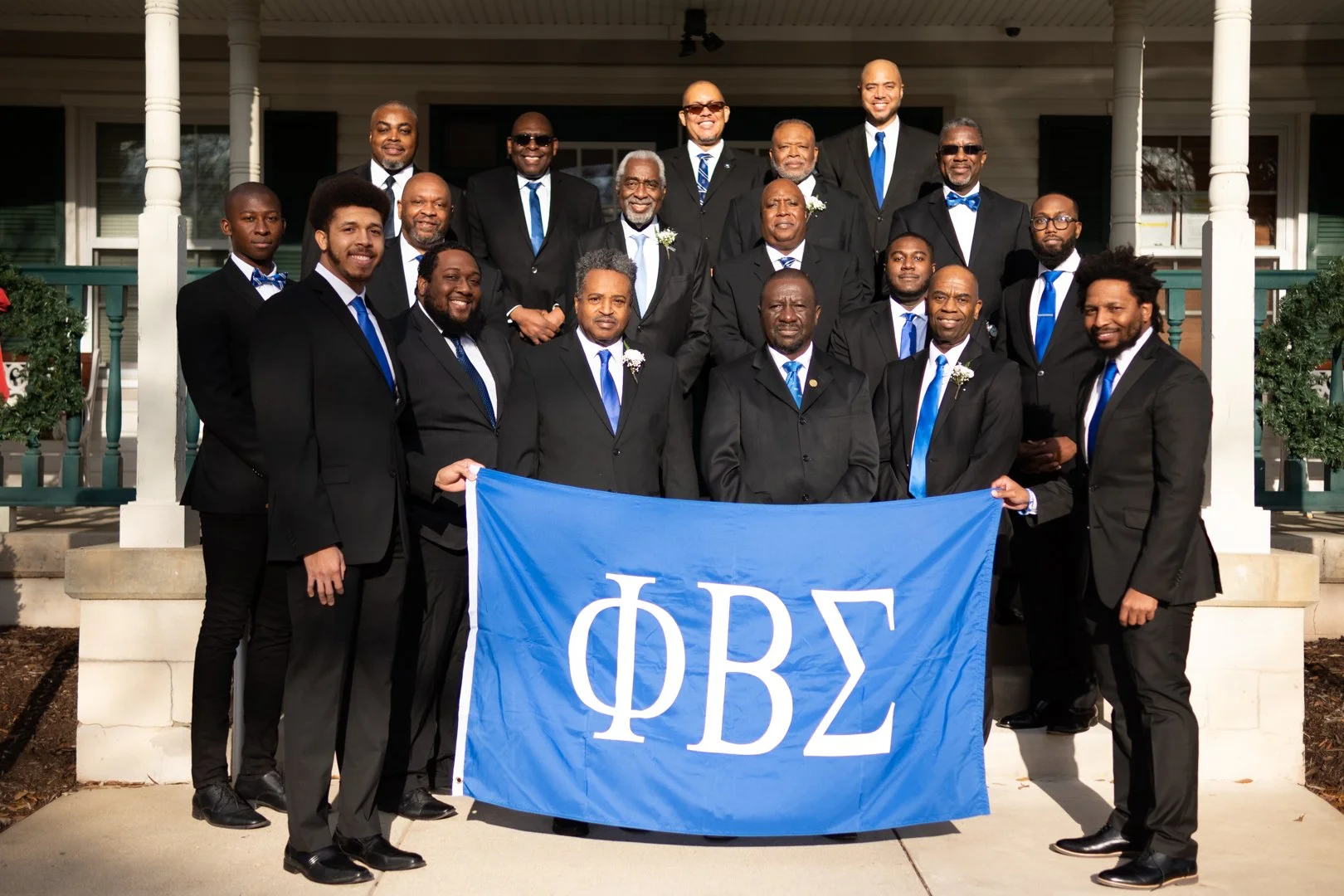
Phi Beta Sigma Fraternity, Inc. has spent more than a century building Black Greek life around a single sentence. The motto is “Culture For Service and Service For Humanity,” and Sigma was the first Black fraternity to organize itself explicitly as a part of the community it served, rather than apart from it. This guide walks through how Sigma was founded at Howard University in 1914, the inclusive philosophy that has set it apart, the constitutional bond with Zeta Phi Beta Sorority, the signature programs that carry the Sigma motto into everyday work, and the brothers who have made the fraternity a global name.
Founding History at Howard University in 1914
Phi Beta Sigma was founded on January 9, 1914 at Howard University in Washington, D.C. by three young African American male students: Honorable A. Langston Taylor, Honorable Leonard F. Morse, and Honorable Charles I. Brown. The Founders wanted a Greek-letter fraternity built around brotherhood, scholarship, and service, and they wanted it to look like the community it came from.
Growth was fast. By summer 1914, the Alpha Chapter at Howard had expanded from the three Founders to more than 14 members. Sigma also moved quickly to widen its appeal beyond undergraduates and initiated a series of rising scholars, including Dr. Edward P. Davis, Dr. Thomas W. Turner, and Dr. Alain Leroy Locke. Locke had graduated from Harvard in 1907 and in 1908 became the first African American Rhodes Scholar at Oxford University, a credential that put Sigma’s intellectual lineage on the world map from its earliest years.
By 1920, Phi Beta Sigma chapters stretched from Maryland to Texas. That same year, Sigma men Charles R. Taylor and A. Langston Taylor helped establish Zeta Phi Beta Sorority at Howard, the first time a Black fraternity actively founded a “sister” sorority.
The “Inclusive We” Philosophy and the Motto
The Founders wrote their philosophy into the fraternity from day one. They explicitly conceived Sigma as “a part of” the general community rather than “apart from” it, and they argued that every potential member should be judged on his own merits rather than family background, affluence, race, nationality, skin tone, or hair texture. They called this approach the “inclusive we” rather than the “exclusive we.”
That philosophy is the source of Sigma’s motto: “Culture For Service and Service For Humanity.” It is not a tagline. It is the operating instruction for every Sigma program, and it has stayed unchanged for over a century. The fraternity’s mission still commits brothers to brotherhood, scholarship, and service, to integrity and ethical behavior, and to respecting the dignity of each brother in the line.
Sigma and Zeta: The Only Constitutionally Bound Sister-Brother Pair
Phi Beta Sigma’s relationship with Zeta Phi Beta Sorority is unique inside Black Greek life. Sigma and Zeta are the only constitutionally bound sister-brother organization among Black Greek-letter groups, and the bond goes back to Zeta’s founding in 1920 at Howard with the help of Sigma’s Charles R. Taylor and A. Langston Taylor.
The bond is not symbolic. The fraternity’s mission statement explicitly commits to “foster and nurture our constitutional bond with Zeta Phi Beta Sorority, Inc.,” and chapters of both organizations coordinate joint service events year-round, from voter drives to wellness programs to community fundraisers.
Signature Programs and Service Culture

Sigma’s “Service For Humanity” runs through a stack of national programs:
- Bigger and Better Negro Business: launched at the 1924 Sigma national convention in Philadelphia, the initiative allowed over fifty Black businesses to exhibit at the convention and helped them establish a national market.
- Project S.E.E.D. (Sigma Economic Empowerment Development): the modern continuation of the 1924 economic program, championing African American business, financial literacy, and home ownership.
- Sigma Education Program: services for graduate and undergraduate students, scholarship fundraising, lectures, college fairs, and mentorship programs.
- Sigma Wellness Program: education focused on healthy lifestyles.
- Project Vote: continuing voter registration work.
- Phi Beta Sigma Capitol Hill Summit: gives fraternity members direct access to discuss critical issues with U.S. Congress members.
- Sigma History Museum: opened in 2001 as a traveling exhibit focused on Sigma’s history and its impact on the nation.
Beyond the named initiatives, Sigma men have built standing affiliated entities including the Phi Beta Sigma National Foundation, the Phi Beta Sigma Federal Credit Union, and the Sigma Beta Club Foundation, which extends the brotherhood’s mentoring reach into the next generation.
Prominent Sigmas Who Shaped History
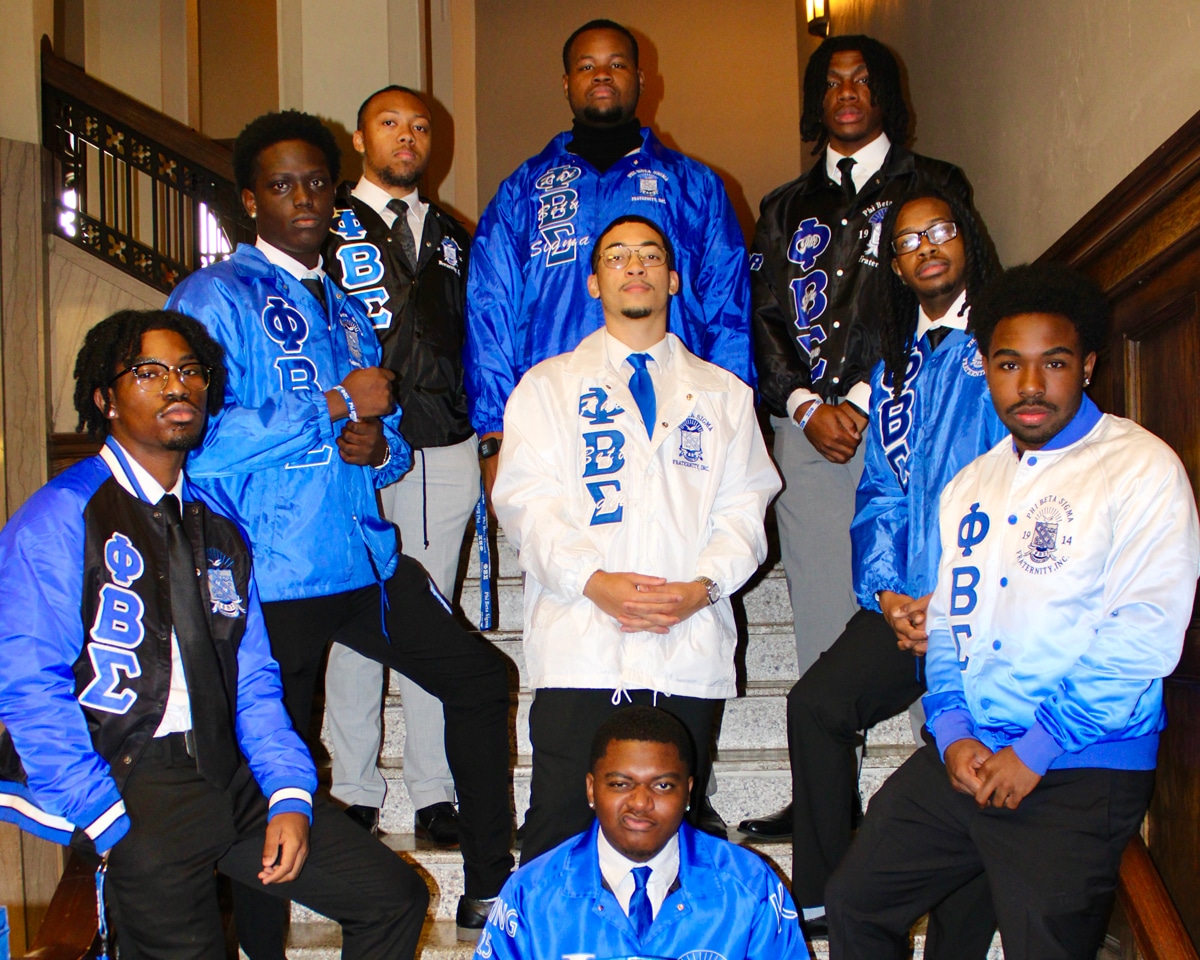
Sigma’s roster runs from heads of state to civil rights icons. Kwame Nkrumah, the first Prime Minister of Ghana, and Nnamdi Azikiwe, the first President of Nigeria, both wore Sigma letters, as did agricultural scientist George Washington Carver, civil rights icon Congressman John Lewis, and NFL Hall of Famers Jerry Rice and Emmitt Smith. For the full list across politics, science, sports, and the arts, see our famous Sigmas roundup.
The Sigma Legacy Continues
From the three Founders at Howard in 1914 to a constitutionally bound sisterhood with Zeta Phi Beta, to the heads of state, civil rights leaders, scientists, and NFL legends listed above, Phi Beta Sigma has spent more than 110 years writing the same sentence into the world: Culture For Service and Service For Humanity. Every Founders’ Day on January 9, every Sigma Wellness clinic, every Capitol Hill Summit, every Sigma Beta Club mentorship session is the same fraternity speaking with the same voice it used in its first months in 1914.
Quick Answers About Phi Beta Sigma
What is Phi Beta Sigma fraternity known for?
Sigma is known for its motto “Culture For Service and Service For Humanity,” its “inclusive we” philosophy, its founding in 1914 at Howard as the first major Black fraternity built around explicit community service, and its constitutionally bound sister relationship with Zeta Phi Beta Sorority.
When and where was Phi Beta Sigma founded?
Phi Beta Sigma was founded on January 9, 1914 at Howard University in Washington, D.C. by A. Langston Taylor, Leonard F. Morse, and Charles I. Brown.
Why are Sigma and Zeta Phi Beta linked?
They are the only constitutionally bound sister-brother organization in Black Greek life. Zeta Phi Beta was founded at Howard in 1920 with the assistance of Sigma men Charles R. Taylor and A. Langston Taylor, and the bond is written into both organizations’ constitutions.
Who are the most prominent Sigmas in history?
Two African heads of state (Kwame Nkrumah and Nnamdi Azikiwe), George Washington Carver, James Weldon Johnson, John Lewis, Dr. Rod Paige, Huey P. Newton, and NFL Hall of Famers Jerry Rice and Emmitt Smith.