
Chi Eta Phi Sorority: A Complete Guide to the Nursing Sisterhood

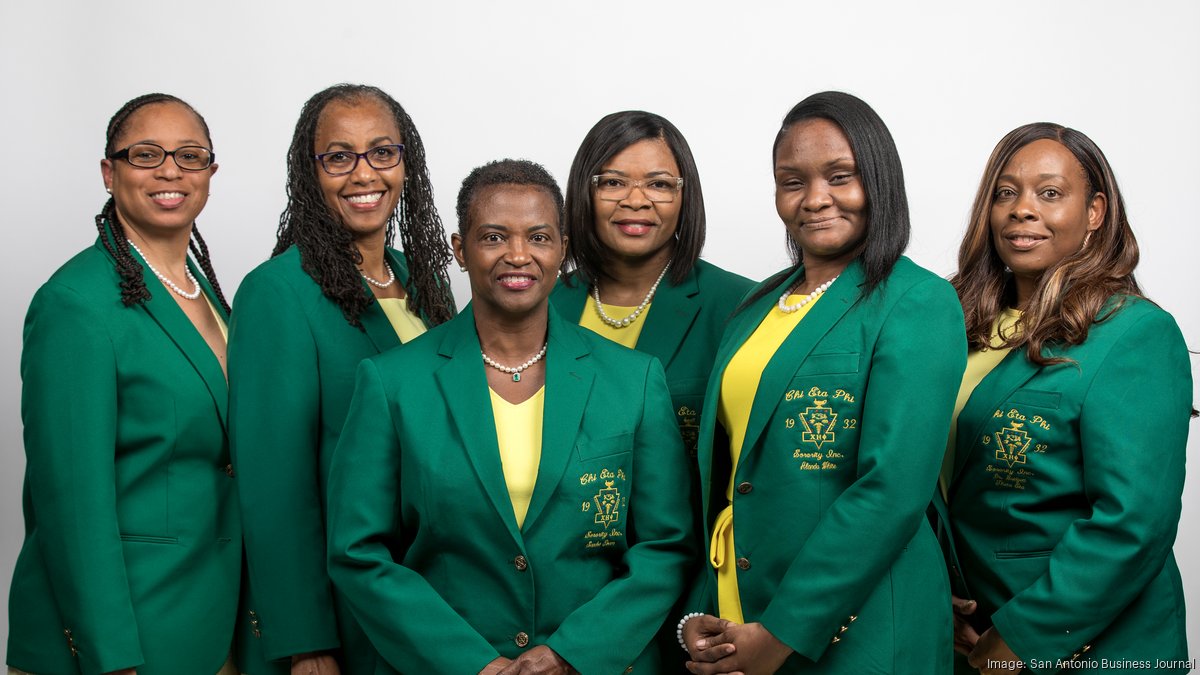
When twelve Black nurses gathered at Freedman’s Hospital in Washington D.C. on October 16, 1932, they were not trying to build another collegiate sorority. They were trying to build the professional organization that the American nursing world refused to let them join. Chi Eta Phi Sorority, Inc. is what they built, and ninety-three years later it is still the nursing world’s most distinct professional service organization.
The letters stand for Character, Education, and Friendship. The mascot is a turtle. The journal is called The Glowing Lamp, in honor of Florence Nightingale. The membership is now open to all genders and all ethnicities, but the founding mission, advancing the status of nurses who had been shut out, still drives the calendar.
Founded at Freedman’s Hospital in 1932
Chi Eta Phi was founded on October 16, 1932 at the Freedman’s Hospital School of Nursing in Washington D.C., the institution that is now part of Howard University Hospital. The historical context matters. African American nurses in 1932 were systematically excluded from most professional organizations, restricted to segregated facilities, and held in menial positions where there was little to no chance of advancement. The founders started Chi Eta Phi specifically to create an alternative pathway for Black women in nursing.
The charter chapter, Alpha, was organized by Aliene Carrington Ewell, RN, working with eleven other Black registered nurses. The sorority was formally incorporated in the District of Columbia in May 1932, with Mabel Keaton Staupers, later a major civil-rights figure in American nursing, serving as the first executive secretary. The answer to whether Chi Eta Phi is a historically Black sorority is straightforward. It was founded by and for Black nurses at a moment when the professional system left them no other option.
The Twelve Jewels Who Founded Chi Eta Phi
The twelve founders are known collectively as the Jewels. They were:
- Aliene Carrington Ewell (charter organizer)
- Clara E. Beverly
- Lillian Mosely Boswell
- Gladys Louise Catchings
- Bessie Foster Cephas
- Henrietta Smith Chisholm
- Susan Elizabeth Freeman
- Ruth Turner Garrett
- Olivia Larkins Howard
- Mildred Wood Lucas
- Clara Belle Royster
- Katherine Chandler Turner
Gladys Louise Catchings went on to become a nurse, hospital administrator, and nurse educator whose career is now documented in standalone reference works. The other Jewels each carried the founding mission into their own clinical and academic careers, and Chi Eta Phi still names every initiation class in their honor.
What the Letters Mean: Character, Education, Friendship
The Greek letters were chosen for their meanings, not as a placeholder. Each piece of the visual identity maps to a value or a working symbol:
- Chi: Character
- Eta: Education
- Phi: Friendship
- Motto: “Service for Humanity”
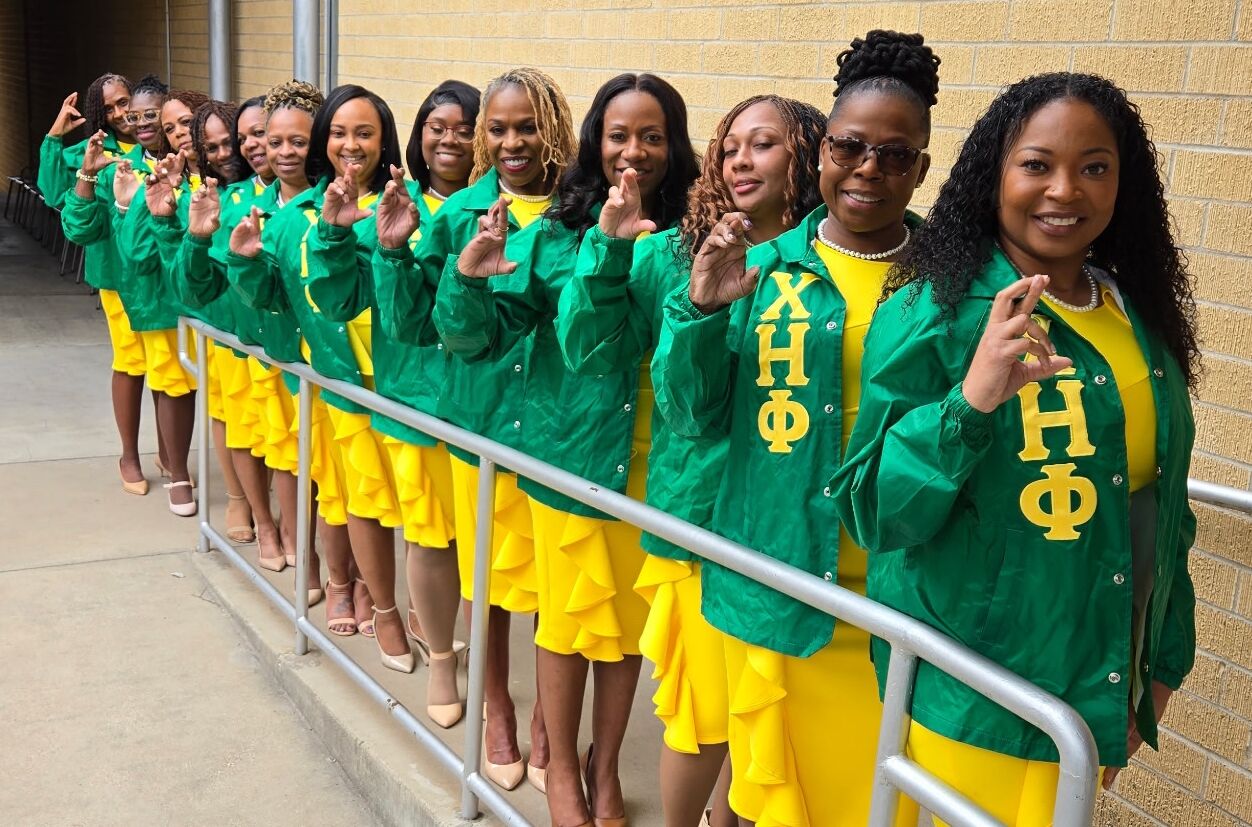
- Colors: pea green and lemon yellow
- Flower: white chrysanthemum with ivy
- Mascot: turtle (determined, persevering, risk-taker, sure-footed, purposefully directed)
- Publication: The Glowing Lamp (annual peer-reviewed journal) plus the Chi Line semi-annual newsletter
- Crest: topped by Florence Nightingale’s lamp, with the Caduceus of Hermes at center as the healing symbol
The cover of The Glowing Lamp was designed by Charles Dawson, a Tuskegee Institute artist who also served as curator of the George Washington Carver Museum. The choice of the turtle as the mascot is also intentional. The animal is meant to model the temperament Chi Eta Phi wants its nurses to embody, steady forward motion under pressure.
From Black-Only Sorority to All-Genders Professional Org
For its first four and a half decades, Chi Eta Phi was a closed circle. Membership was limited to female Black nurses, and the activities were focused on what the segregated American nursing world denied them: scholarships, professional development, community health screenings, and clinical recognition. The sorority funded and operated a health clinic in Monrovia, Liberia in its early decades, and it became affiliated with the National Council of Negro Women.
The first male member was admitted in 1977. Today, Chi Eta Phi is officially classified as a professional organization rather than a sorority, and the membership is no longer restricted by race or gender. The Wikipedia entry puts it cleanly: how the org is different from other sororities is that it never operated as a campus social house in the first place. It belongs to the American Nurses Association’s Nursing Organizational Liaison Forum and sits inside the broader professional nursing infrastructure, not the collegiate Greek system.
National Programs and the March of Dimes Partnership
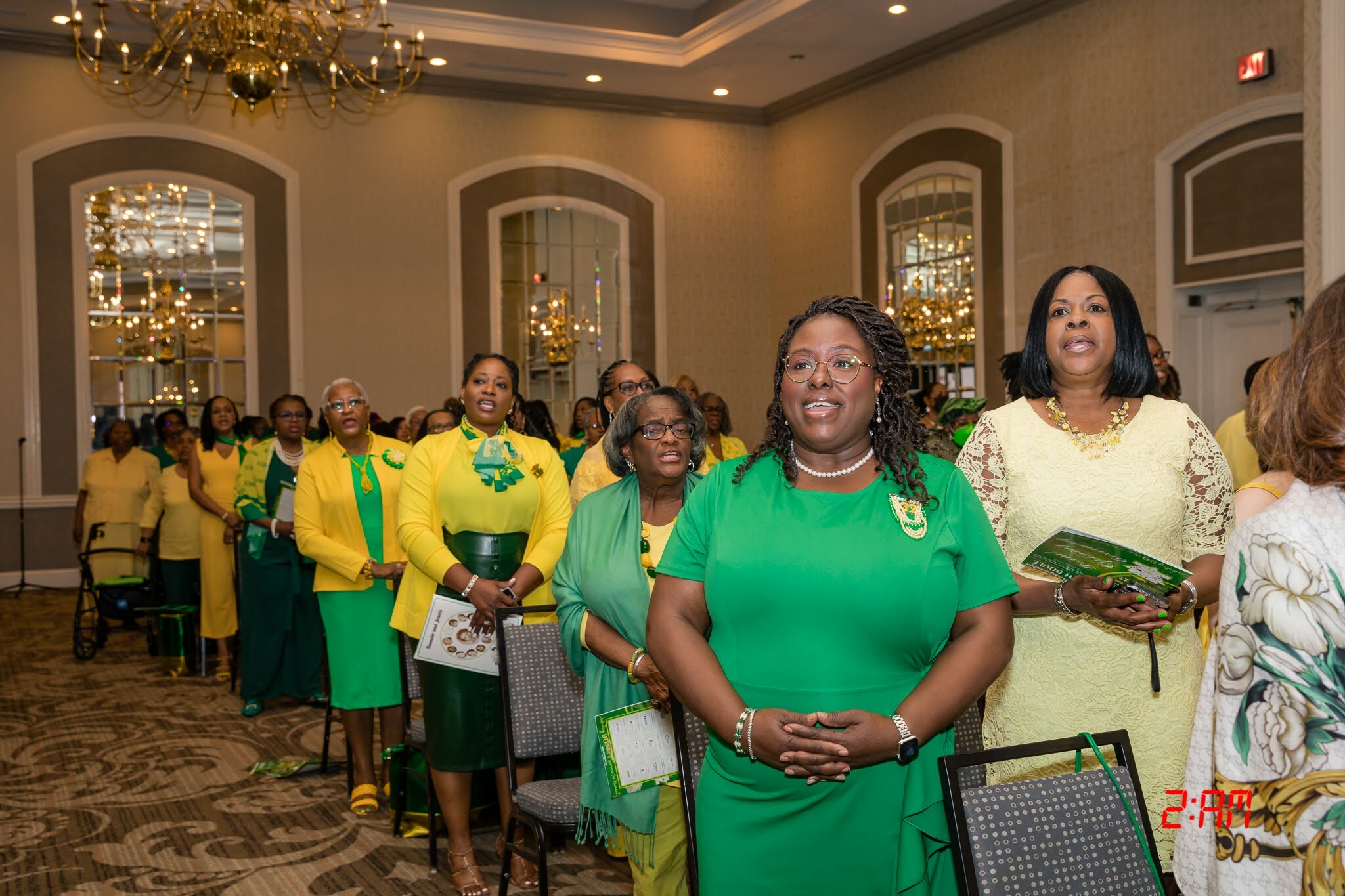
Chi Eta Phi runs five program pillars at the national level: health promotion and disease prevention, leadership development, mentoring, recruitment and retention of nursing students, and scholarship. The work surfaces as national, regional, and local conferences, consumer health education programs in member communities, continuing-education seminars for working nurses, and award recognition for outstanding members.
The partnership list runs long because the membership is professionally networked across nursing care. Chi Eta Phi works with the American Nurses’ Association, the National Council of Negro Women, the United Negro College Fund, the NAACP, the Sickle Cell Disease Association of America, the American Cancer Society, the National Cancer Institute, the National Institute on Drug Abuse, and the Adolescent Pregnancy Child Watch program. Members also serve as official March of Dimes National Service Partners through March for Babies fundraising, CEU classes, and personal care kits for families in the NICU. In August 1973, the sorority and the American Nurses Association jointly added a monument to the grave of Mary Eliza Mahoney, the first Black professional nurse in the United States.
Who Can Join Chi Eta Phi
Membership in Chi Eta Phi is by invitation, with both active and honorary categories, and is open to nursing students and registered professional nurses regardless of race, gender, or ethnicity. The answer to whether you can join a sorority in nursing school is yes for this one. Chi Eta Phi specifically recruits nursing students through its undergraduate chapters, and the active and honorary structure lets working nurses join later in their careers as well.
By scale, Chi Eta Phi is the nursing sorority with the largest membership in the United States. More than 8,000 registered nurses and student nurses hold lifetime membership. Chapters are grouped into five regions with international reach. Over 101 graduate chapters and 50 undergraduate chapters have been formed across the United States, in Saint Thomas in the U.S. Virgin Islands, and in Monrovia, Liberia. Like other organizations that built their own institutions when the existing ones excluded them, Chi Eta Phi structured its growth around a tight community that already understood the work.
Notable Members and the Glowing Lamp Legacy
The membership rolls include the women who set the direction of Black nursing in America. Mary Eliza Mahoney, the first Black professional nurse in the United States, was made an Alpha chapter posthumous honorary member in 1979. Margaret E. Bailey served as a colonel in the United States Army Nurse Corps. Mary Starke Harper, admitted in 1996, worked across bedside nursing, nurse research, and health policy and helped shape how the profession thought about its own scientific footing. Estelle Massey Osborne, an Omicron chapter honorary member, served as a nurse and educator who opened doors for the next generation. Gladys L. Catchings, one of the original Jewels, became a nurse, hospital administrator, and educator whose career is now documented in standalone reference encyclopedias. Lula Warlick, also nurse, educator, and nursing administrator, rounds out the foundational generation.
The sorority has also published its own books, including The History of the Chi Eta Phi Sorority Inc. 1932-1967 (1968), Mary Eliza Mahoney, America’s First Black Professional Nurse (1986), and The Nurse in the Kitchen (2010). The publication record is more typical of a learned society than a collegiate sorority, which fits how Chi Eta Phi has always positioned itself. The journal name, The Glowing Lamp, came directly from Florence Nightingale’s symbolic lamp, and the connection is intentional. Chi Eta Phi treats the lineage of American nursing as something its members inherit and extend, not just admire from a distance.
Where Chi Eta Phi Stands After Ninety-Three Years
Today, Chi Eta Phi is led by national president Sarah Killian, DNP, RN. The national headquarters sits at 3029 13th Street in Washington D.C., a building the sorority purchased outright in 1971 under Building Fund chair Thelma Harris. The Board of Directors was formally established that same year, holding its first meeting in November 1971, and the organizational structure has held since. The Howard University Freedmen’s Hospital archive still preserves the founding-era documents that link the sorority back to its origins at the school of nursing.
The role Chi Eta Phi plays in 2026 is broader than the one it played in 1932. The membership is multiracial and all-gender, the chapters operate internationally, and the programs reach far beyond the segregated nursing world the founders were responding to. But the underlying choice the Jewels made, to build a professional organization that would educate, mentor, and elevate the nurses the mainstream system had decided not to see, still shapes the work. For nursing students looking at organizations to join during school or right after licensure, Chi Eta Phi remains a different kind of door, alongside professional service sororities like Kappa Epsilon Psi for women in uniform, the one built specifically for the work.