
Famous Omega Psi Phi Members: Ques Who Made History

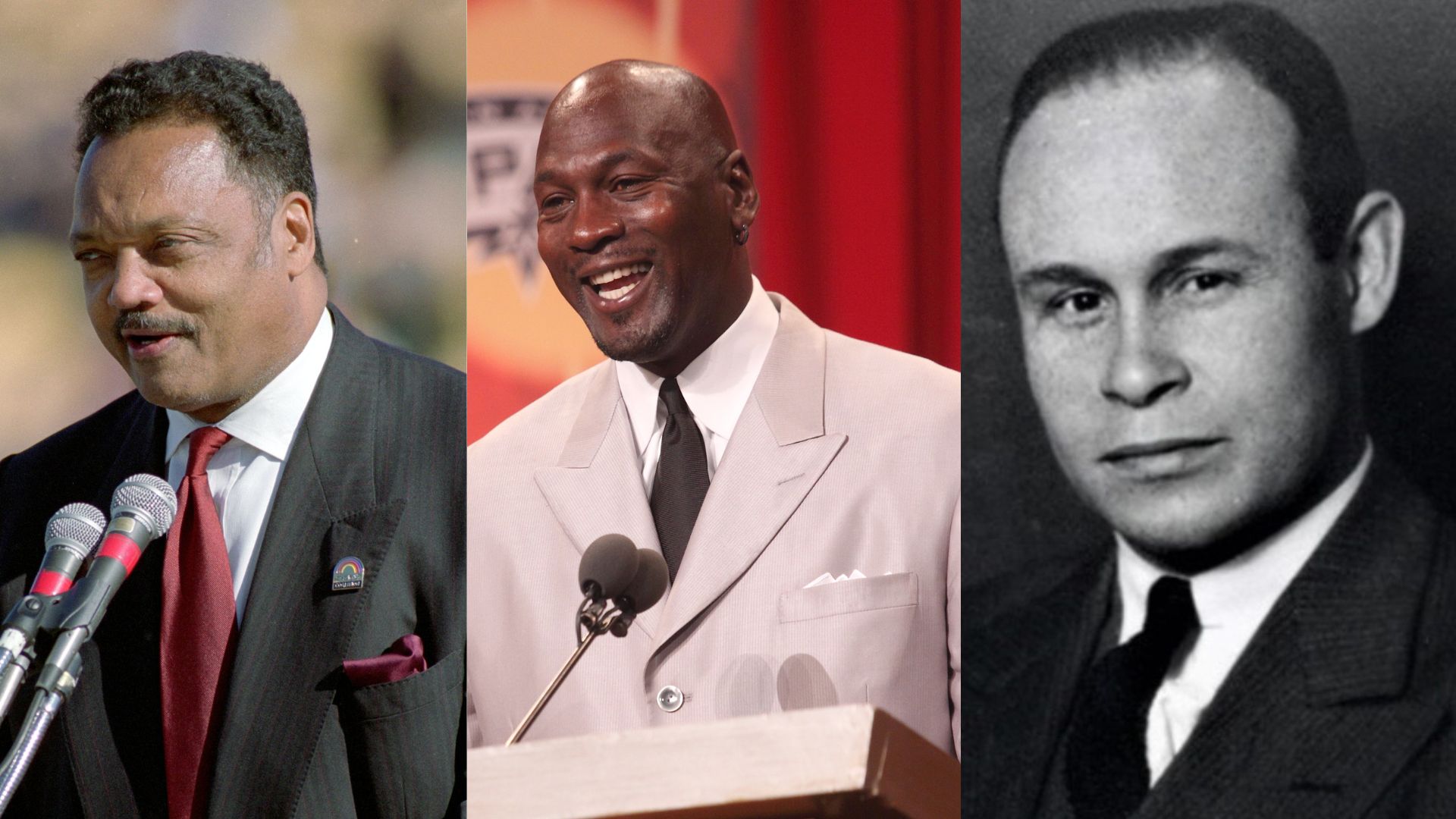
Since three Howard undergraduates and one biology professor chartered Omega Psi Phi on November 17, 1911, the fraternity has produced the kind of brothers whose names get taught in classrooms, written into civil rights chapters, and stitched into the records of sports, music, and Black media. Members of Omega Psi Phi, affectionately called Ques (or Bruhz), live out the fraternity’s four cardinal principles, Manhood, Scholarship, Perseverance, and Uplift, in public arenas. This guide collects the Ques who made history across civil rights, scholarship, sports, entertainment, and business.
Civil Rights Figures Who Built the Movement
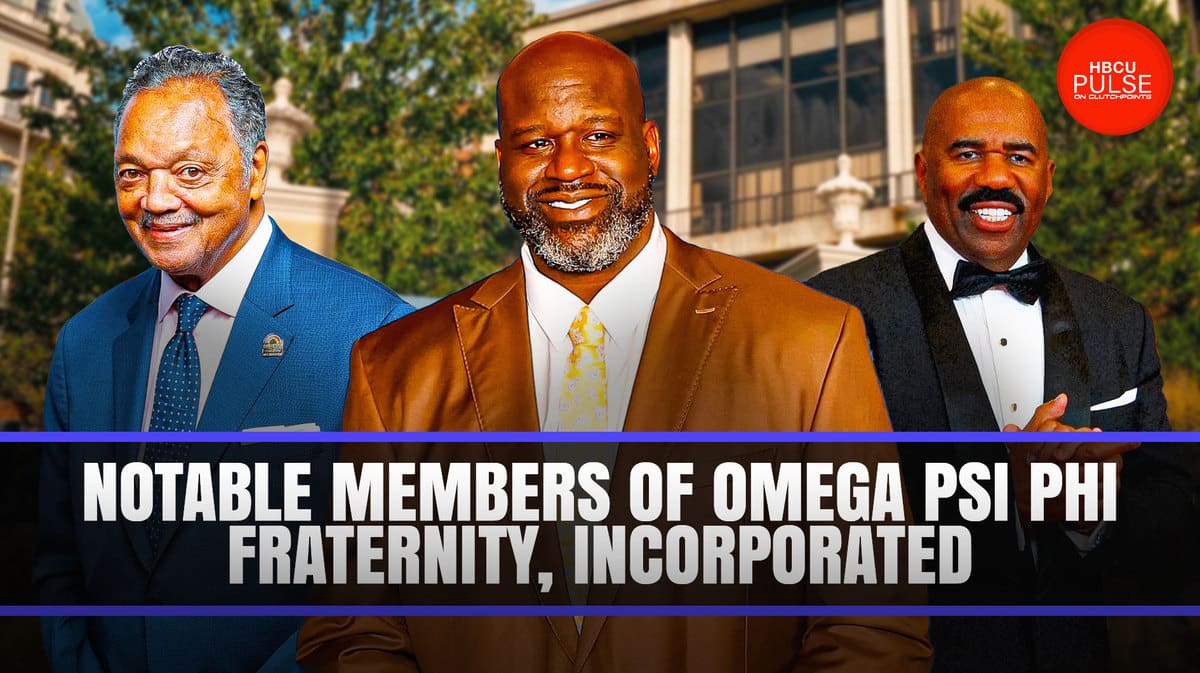
Rev. Jesse Jackson. Civil Rights Leader and Presidential Candidate. Jackson was one of Dr. Martin Luther King Jr.’s closest allies and went on to found the Rainbow PUSH Coalition. His 1984 and 1988 presidential campaigns broke barriers for African Americans in U.S. politics.
Bayard Rustin. Civil Rights Strategist. Rustin served as deputy director of the March on Washington, the 1963 event that produced King’s “I Have a Dream” speech, and he is now widely recognized as one of the central organizers of the modern civil rights movement.
Ben Crump. Civil Rights Attorney. Crump has built a national practice representing the families of Black Americans killed in high-profile cases, work that has tied a modern Omega name to some of the most consequential civil rights litigation of the past decade.
Benjamin Hooks. Former NAACP Executive Director. An ordained minister and civil rights lawyer, Hooks led the NAACP through pivotal decades and pushed economic empowerment and public-policy reform across the country.
Douglas Wilder. First Black Governor in U.S. History. In 1990, Wilder won the Virginia governorship and became the first African American ever elected as a state governor. He is an Omega Psi Phi member whose career sits at the front of the fraternity’s civic-leadership tradition.
Scholars, Poets, and Cultural Pioneers
Dr. Carter G. Woodson. “Father of Black History.” Woodson founded Negro History Week, which later evolved into Black History Month. He is the academic figure most responsible for institutionalizing the study of African American history in the United States.
Langston Hughes. Harlem Renaissance Icon. Hughes joined Omega Psi Phi while attending Lincoln University and went on to become one of America’s most celebrated poets and a defining voice of the Harlem Renaissance, with work that still anchors curricula on Black identity and cultural pride.
Dr. Charles R. Drew. Medical Pioneer. Drew revolutionized the field of blood transfusions and plasma storage, saving countless lives during World War II and beyond. His name now sits on the Omega Psi Phi Foundation’s flagship scholarship program.
Sports Legends Who Wore the Purple and Gold
Michael Jordan. Basketball Legend. Considered by most observers the greatest basketball player of all time, Jordan was inducted into Omega Psi Phi as an honorary member. His six NBA championships and his global Jordan Brand business have placed him at the center of basketball, sneaker, and athlete-entrepreneur history.
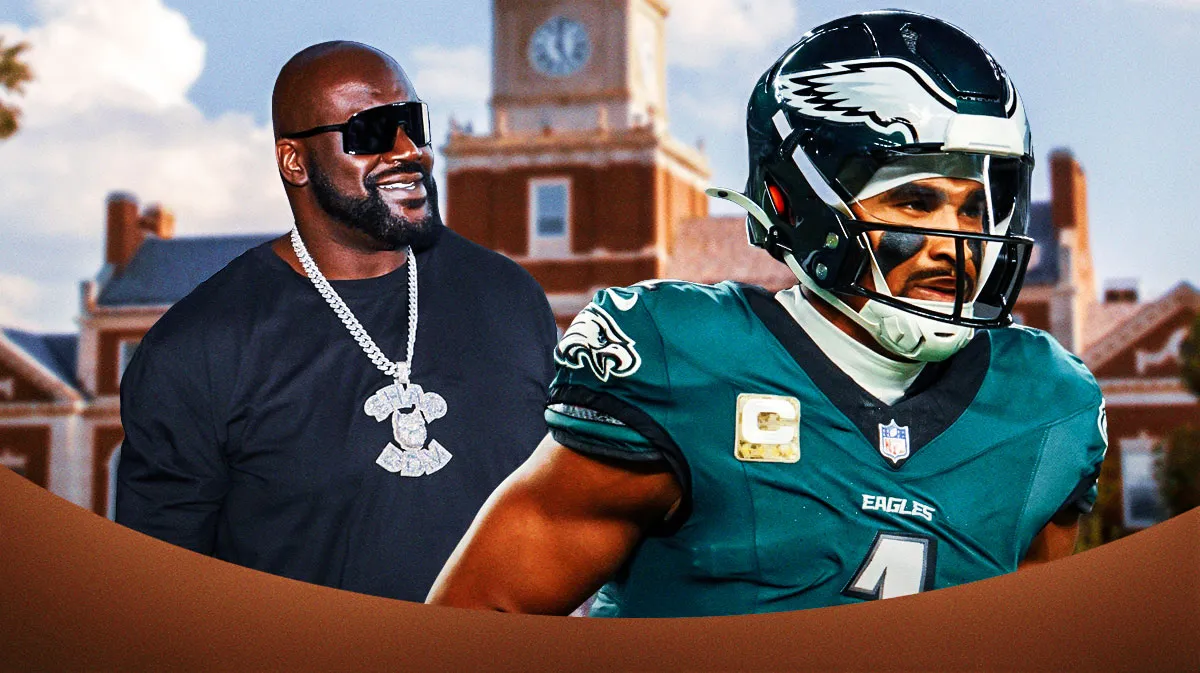
Shaquille O’Neal. NBA Champion and Hall of Famer. Shaq is a four-time NBA champion, a Hall of Famer, and now a businessman, law enforcement officer, DJ, and media personality whose Omega Psi Phi affiliation he repped publicly during his Alabama State University grad-school years.
Ray Lewis. NFL Hall of Famer. Lewis won two Super Bowl titles with the Baltimore Ravens and is now one of the most-booked motivational speakers in American sports, building a second career around themes of faith and discipline.
Jalen Hurts. NFL Quarterback. Hurts represents the modern Omega line of professional athletes, named to TIME 100 Next for his impact on the next generation of league leadership.
Steve “Air” McNair. NFL Quarterback. McNair played 14 seasons at quarterback in the NFL, a long career that put him on the short list of Black quarterbacks whose example reshaped the position.
Wendell Smith and Dr. E.B. Henderson. Sports Trailblazers. Smith was one of the first African American sportswriters to work for a White newspaper and personally guided Jackie Robinson through his MLB debut. Henderson is known as the “Father of Black Basketball” for his role in introducing the sport to the African American community at the institutional level.
Entertainment, Music, and Media Voices
Steve Harvey. Comedian, Host, and Best-Selling Author. Harvey has reinvented himself across stand-up, television hosting, and authorship, and his mentoring programs for young Black men have made him one of the most public Omega philanthropists working today.
Tom Joyner. “The Fly Jock” of Black Radio. Joyner revolutionized Black radio with the nationally syndicated Tom Joyner Morning Show and through his Tom Joyner Foundation raised millions of dollars for HBCUs, the same institutions that anchor Omega’s HBCU service tradition.
Rickey Smiley. Comedian and Media Host. Smiley blends humor with activism across his stand-up, radio show, and author work, with a long record of philanthropy focused on single mothers and underprivileged youth.
Count Basie. Jazz Giant. William “Count” Basie, the legendary jazz pianist and bandleader, redefined American big-band music in the 20th century and is one of the founding sound architects of swing.
George Clinton. Funk Music Pioneer. As the mastermind behind Parliament-Funkadelic, Clinton brought funk to the masses and remains a cited influence across modern hip-hop and R&B.
Business and Behind-the-Scenes Builders
Earl Graves Sr. Founder of Black Enterprise Magazine. Graves built one of the most influential Black business publications in U.S. history, framing the conversation about African American economic empowerment for generations of readers.
Nathaniel Bronner Sr. Founder of Bronner Brothers Beauty. Bronner founded one of the most enduring Black-owned beauty companies in the United States, building a multi-generational business that still anchors Atlanta’s Black beauty industry.
Derrick Gragg and Craig T. Greenlee. Sports Administrator and Sports Journalist. Gragg leads in collegiate athletics at Northwestern after serving as athletic director at multiple institutions, expanding opportunities for student-athletes. Greenlee, an award-winning journalist and Omega man, has documented pivotal stories in Black collegiate sports, preserving the record of HBCU athletics.
Ricky Anderson. Entertainment Attorney. Anderson represents major names in music and sports (including Steve Harvey) and is a model of Black excellence at the top of corporate and entertainment law.
The Ques Who Keep Making History
Omega Psi Phi was the first international fraternity founded on the campus of a historically Black college, and the list above reads like a one-fraternity outline of Black achievement in America. The brotherhood now spans 750+ chapters and 250,000+ initiated members, and every Founders’ Day on November 17 the rolls add another generation. The Ques who made history are not a closed list. They are an open one that the next pledge class is already being added to.
Quick Answers About Famous Ques
What famous people are Omega Psi Phi members?
The fraternity counts civil rights leaders (Jesse Jackson, Bayard Rustin, Ben Crump, Benjamin Hooks, Douglas Wilder), scholars and poets (Carter G. Woodson, Langston Hughes, Dr. Charles R. Drew), athletes (Michael Jordan as an honorary member, Shaquille O’Neal, Ray Lewis, Jalen Hurts, Steve McNair, E.B. Henderson, Wendell Smith), and entertainers and media voices (Steve Harvey, Tom Joyner, Rickey Smiley, Count Basie, George Clinton).
Is Shaquille O’Neal an Omega?
Yes. Shaq publicly represents Omega Psi Phi and crossed during his Alabama State University grad-school years. He has shouted out the fraternity in interviews and on social media.
Why are Omega members called Ques?
The nickname is one of the fraternity’s public traditions. Members are affectionately called Ques (and sometimes Bruhz), and the term has been a community-recognized shorthand for Omega Psi Phi membership for decades.
Who is the most historically important Omega?
Cases can be made for several. Dr. Carter G. Woodson founded what became Black History Month and is widely regarded as the academic founder of African American history; Dr. Charles R. Drew transformed blood medicine; Bayard Rustin organized the March on Washington; Douglas Wilder became the first Black governor elected in U.S. history.