
Is Greek Life Worth It? An Honest Look at the Pros and Cons


In the United States there are roughly 750,000 fraternity and sorority members, plus more than nine million living alumni. That is a large club to be weighing whether or not to join. If everything you know about Greek life comes from movies and a few viral videos, you are not getting the full picture, and that can cloud a decision that costs real money and real time.
Whether Greek life is worth it depends on your college goals, your budget, and the specific campus and chapter in front of you. At its best it hands you an instant community and a network that keeps working long after graduation. At its worst it drains your time, your money, and sometimes your peace of mind. Here is the honest breakdown of the pros and cons so you can decide for yourself.
What “Greek Life” Actually Means

Greek life refers to value-based undergraduate organizations, fraternities for men and sororities for women, that are tied to colleges and universities. Each group takes its name from two or three letters of the Greek alphabet, and many are national organizations with chapters on hundreds of campuses. At their core they exist to build friendships, develop leadership, and give back to the community.
Not every chapter looks the same. Fraternities and sororities generally fall into a few types:
- Social organizations, built around friendship and personal growth
- Service organizations, focused on community outreach and charity
- Professional organizations, built around a career field and networking
- Honors organizations, which admit members by GPA and invitation
- Faith and ethnic-based organizations, which follow cultural or spiritual guidelines
- Cultural sororities, created to offer minority women representation and community
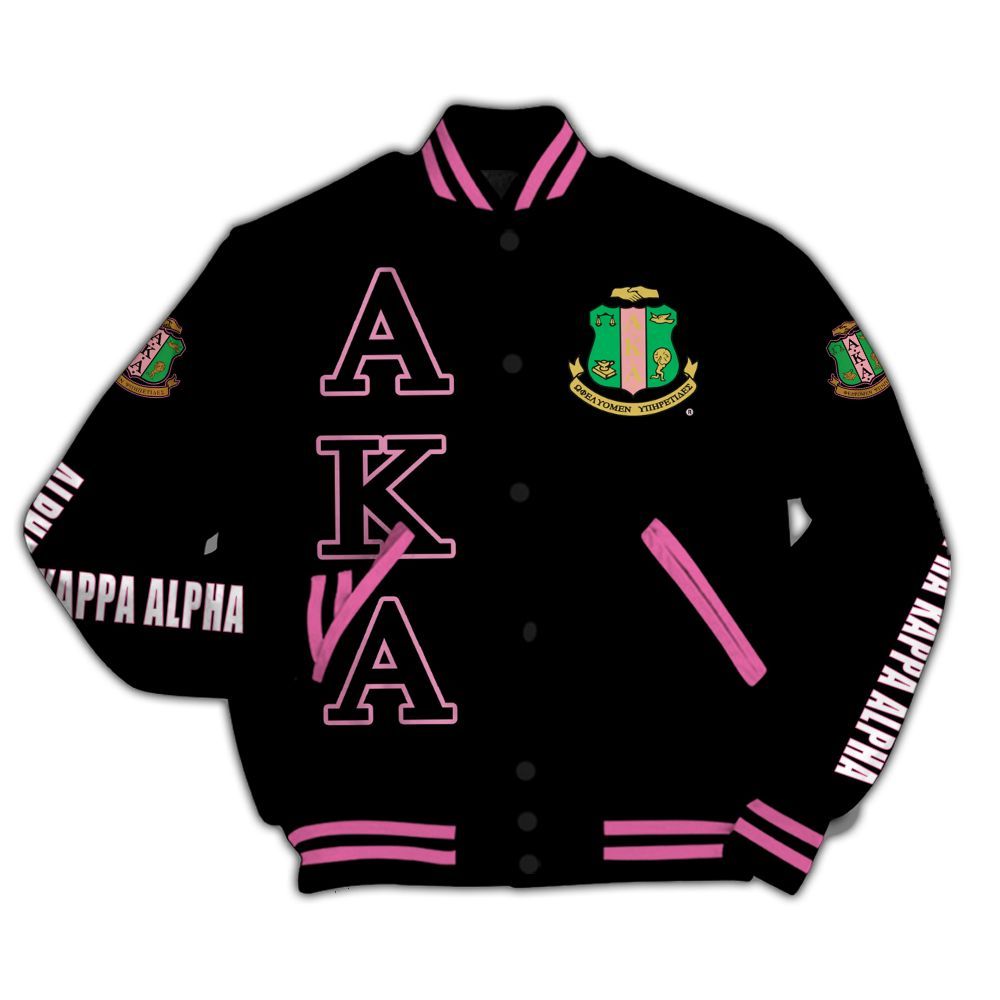
That last branch matters here. Historically Black fraternities and cultural sororities were founded to bridge the gap left by exclusionary Greek practices and to uplift and empower minority students. So if you are looking at a Divine Nine organization, you are looking at a tradition that was built with a different mission from the day it started.
The Pros of Greek Life

Instant Community and Belonging
The most well-known benefit is the ability to build connections fast. Many students struggle in their early college years to meet people and find a circle, and a chapter gives you one right off the bat. Through events, shared living, and simply spending time with your brothers or sisters, those bonds often turn into lifelong friendships. A supportive community can also ease depression and anxiety, which hits harder when you are far from home.
Leadership Skills That Carry Past Graduation
Every member is expected to keep the organization running, whether that means working up to chapter president or organizing a fundraiser. That responsibility teaches discipline and follow-through. The link to leadership is hard to ignore: about 85% of Fortune 500 executives and 76% of all members of Congress have belonged to a fraternity, according to published Greek life statistics.
A Network That Outlasts College
Your chapter is not just a social circle, it is a professional network. Once you become a member you tap into a roster of alumni who can offer mentoring and job leads, and a recruiter who shares your letters may be the reason your resume stands out. The career side of membership runs deep enough to deserve its own full discussion, so treat this as the short version.
Academic Support and Higher Graduation Rates
People assume Greek life is all parties, but many organizations put real weight on grades. Chapters often provide on-hand tutors, study files, coursework from popular classes, and minimum GPA requirements members must keep. Because of that structure, members are more likely to graduate than their non-Greek peers, and many chapters point you toward scholarships and study workshops too.
Service and Giving Back
Philanthropy is a central part of almost every organization. Chapters run fundraisers and volunteer events, often raising thousands of dollars a year for charities in the surrounding community. The scale is real: the National Panhellenic Conference, which represents 26 national sororities on more than 670 campuses, estimates its members raise more than 30 million dollars a year for charity.
The Cons, and the Real Talk

So what are the real downsides of Greek life? Every upside above comes with a cost, and pretending otherwise does you no favors.
The Time Commitment Is Heavy
Greek life can eat up the equivalent of two extra classes on top of your schedule. The pledging process alone can run six to ten weeks, and during it you can expect to spend most of your free time at meetings and events, sometimes at odd hours. Once you are in, house meetings, chapter events, and fundraisers keep coming all year. If you plan to work a job or already struggle with time management, that load is something to take seriously.
The Money Adds Up
College is expensive before you add dues. You pay membership fees at the local and national level, and on top of that come apparel, branded pins, and event tickets that can easily hit 200 dollars apiece. At the University of South Carolina, dues ran from 275 to 1,000 dollars per semester, and over four years that piles up. The heaviest hit usually lands in the first year, when initiation fees stack on top of everything else. Before you commit, find out what it costs to join the specific chapter you are eyeing.
Hazing and Safety
Hazing remains the hardest part of this conversation. In a 2021 YouGov poll, about 10% of Americans who joined said they experienced severe hazing and 43% experienced minor hazing. The consequences can be far worse: more than 40 male college students died from hazing-related events between 2007 and 2017, and the practice is more common in fraternities. All but a handful of states now have anti-hazing laws, but the practice has not disappeared, which is exactly why you research any chapter’s reputation before you pledge.
Lifestyle and Reputation
The day-to-day lifestyle is not for everyone. Larger chapters that provide housing may pack more than 100 people into one house, with several people to a room, and those spaces can hurt your sleep, your grades, and your mental health. Greek life’s reputation is a double-edged sword too, since some chapters are known for academics and service while others are known for heavy partying. If you do join, choose a chapter whose values match yours.
So Is Greek Life Worth It?
Before you decide, research the organizations on the campuses you are considering. On some, Greek life is everywhere: more than 35% of undergraduates at the University of Alabama, roughly 11,000 students, belong to an organization. On others it is small or nonexistent, and you can find an active social life without it. You do not need letters to have a good four years.
If you are outgoing and drawn to the sense of camaraderie, a chapter can pay off in college and well beyond it. If you are more reserved or already stretched thin, the obligations may overwhelm you. For a Divine Nine organization specifically, the intake process and the dues work differently from a big-campus rush, so spend the time deciding which Divine Nine organization fits your goals and your budget. Do the homework first, and the answer to whether it is worth it becomes a lot clearer.