
The History of Black Fraternities and Sororities in America

The story of Black fraternities and sororities in America is a story of institution-building under pressure. It begins in the early 1900s, when Black students arrived at American universities and found themselves locked out of every form of collegiate social and professional life that their white classmates took for granted. What they built in response were nine organizations now collectively known as the Divine Nine, and that network became one of the most durable and consequential institutional systems in American history.
That network did not emerge all at once. It was assembled organization by organization, campus by campus, across six decades of American history that included two World Wars, the Great Depression, the Civil Rights movement, and the ongoing struggle for Black equality. To understand the history of Black fraternities and sororities is to follow a significant thread through that larger American story.
The Racial Climate That Made Black Greek Organizations Necessary
When Black students began enrolling at American universities in the late 19th century, they entered institutions that were not built for them and that actively worked to exclude them from full participation. The fraternities that had long served as centers of social life, professional networking, and academic support for white male students were closed to Black men. Women’s sororities were similarly inaccessible to Black women. The very structures designed to make college a formative and connected experience were effectively off-limits by race.
The context was not abstract. This was the Jim Crow era, characterized by codified racial discrimination in every aspect of American life. Black students attending predominantly white institutions occupied a strange position: they had gained access to the physical space of higher education, but the social and institutional life of those spaces remained segregated. As the National Pan-Hellenic Council’s official history describes it, these were eras when African American students were often barred from predominantly white fraternities and sororities.
The response from Black students was the same one that communities under exclusion have always made: they built their own. And what they built was not simply a mirror of what they had been excluded from. From the beginning, Black Greek-letter organizations carried a mission that their white counterparts did not, a commitment to the uplift of Black communities specifically, and to addressing the racial injustices that made such organizations necessary in the first place.
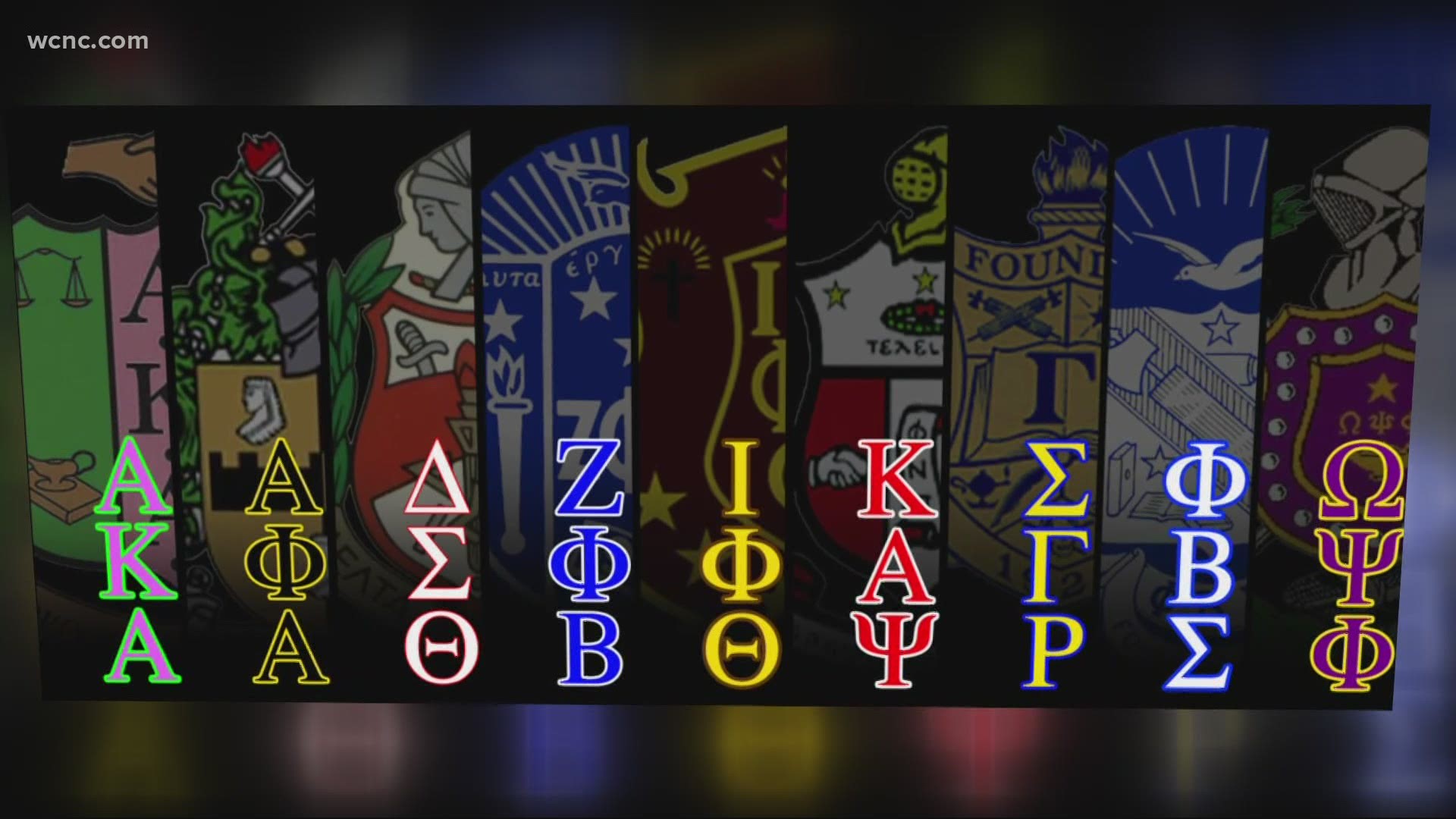
The Founding Era: From Cornell to Morgan State, 1906 to 1963
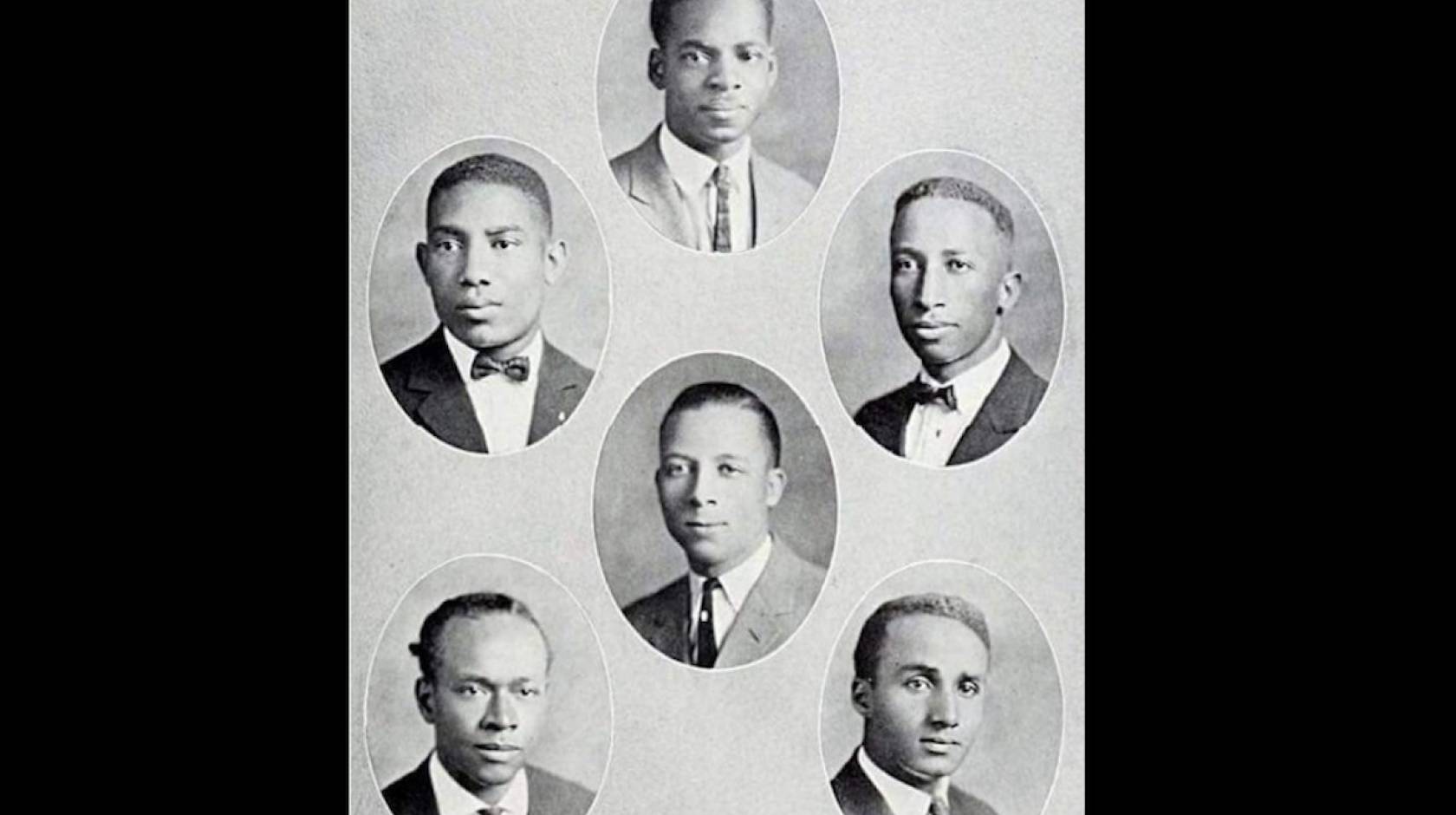
The first of the nine organizations was founded not at a historically Black university but at one of America’s most elite predominantly white institutions. Seven students at Cornell University in Ithaca, New York established Alpha Phi Alpha Fraternity, Inc. on December 4, 1906. What began as a literary and study group grew into a brotherhood built on the principles of manly deeds, scholarship, and love for all mankind. The organization’s founding at Cornell was both a statement and a strategy: Black men claiming space at the highest levels of American academic life.
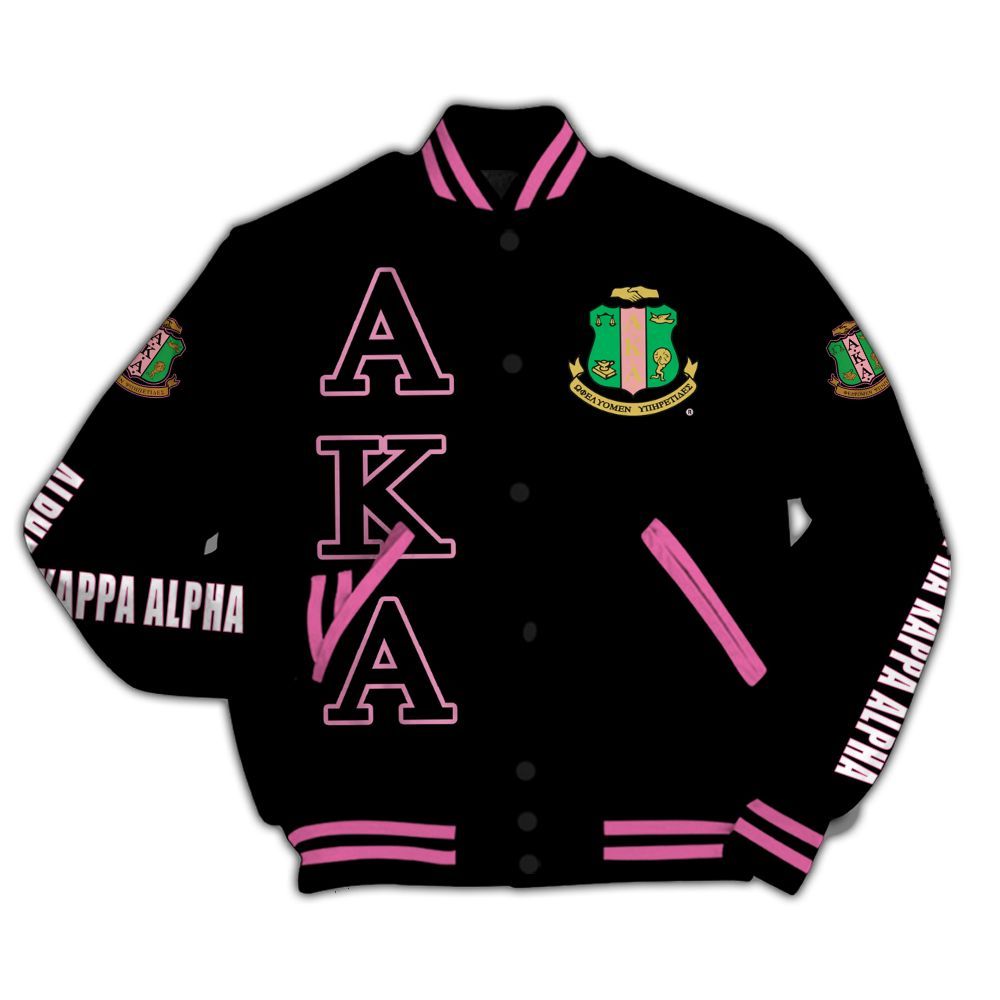
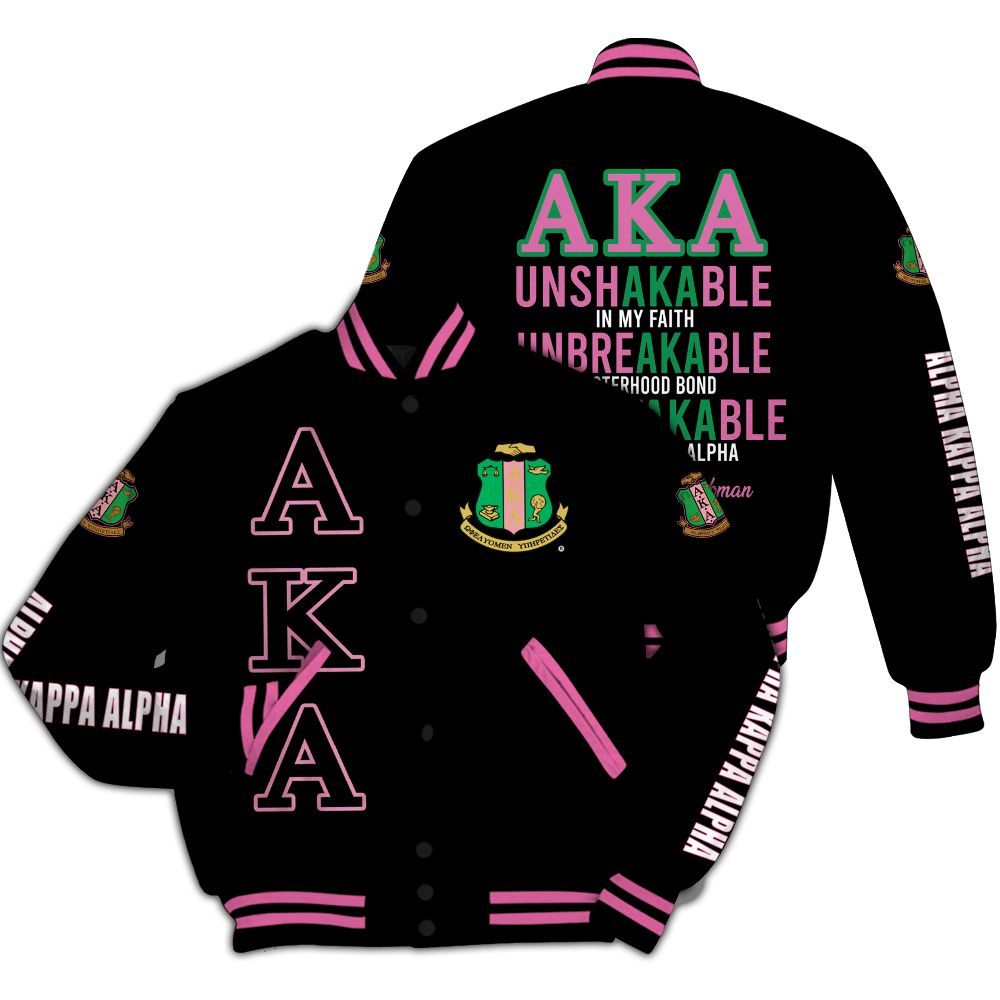
The momentum built rapidly. Two years later, at Howard University in Washington, D.C., sixteen women established Alpha Kappa Alpha Sorority, Inc. on January 15, 1908, the first Greek-letter organization founded by Black women in the United States. Howard, established after the Civil War to educate formerly enslaved people and their descendants, would go on to become the central institution in the history of Black Greek life. Over the following decades, five of the nine organizations would be founded there.
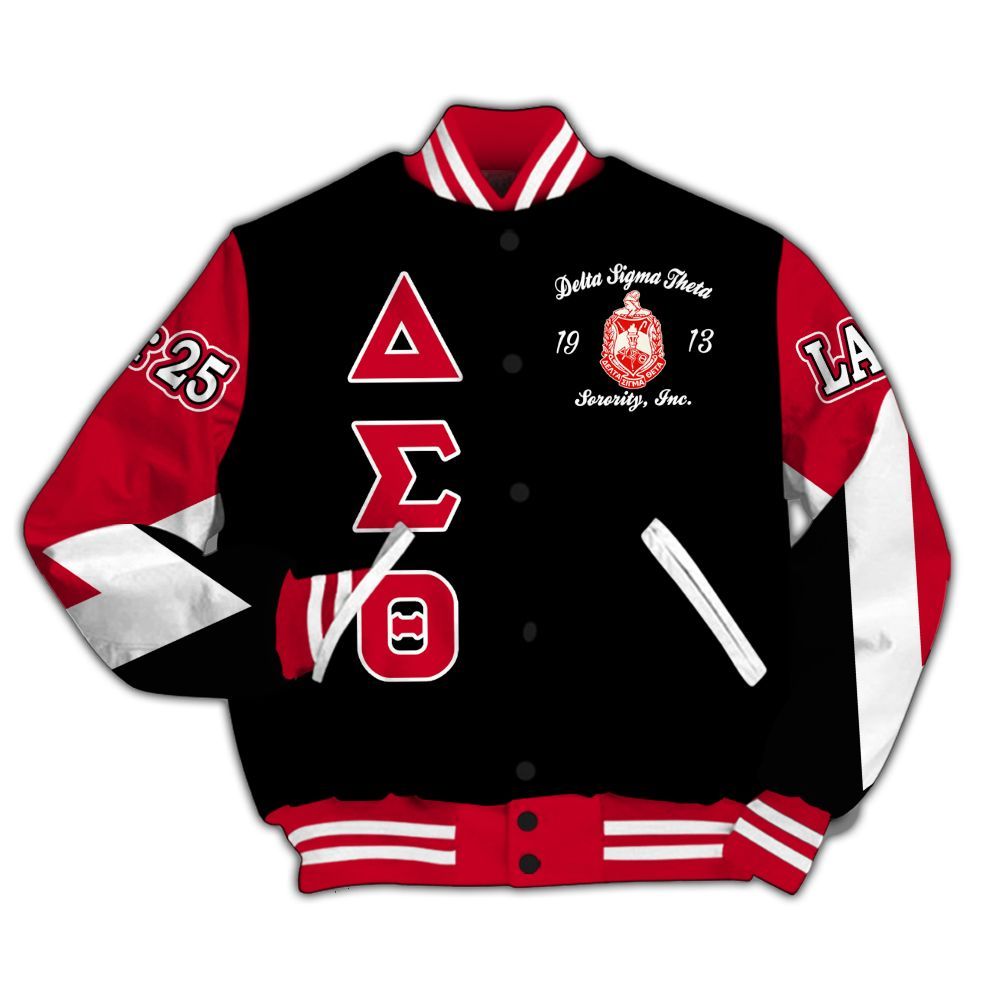
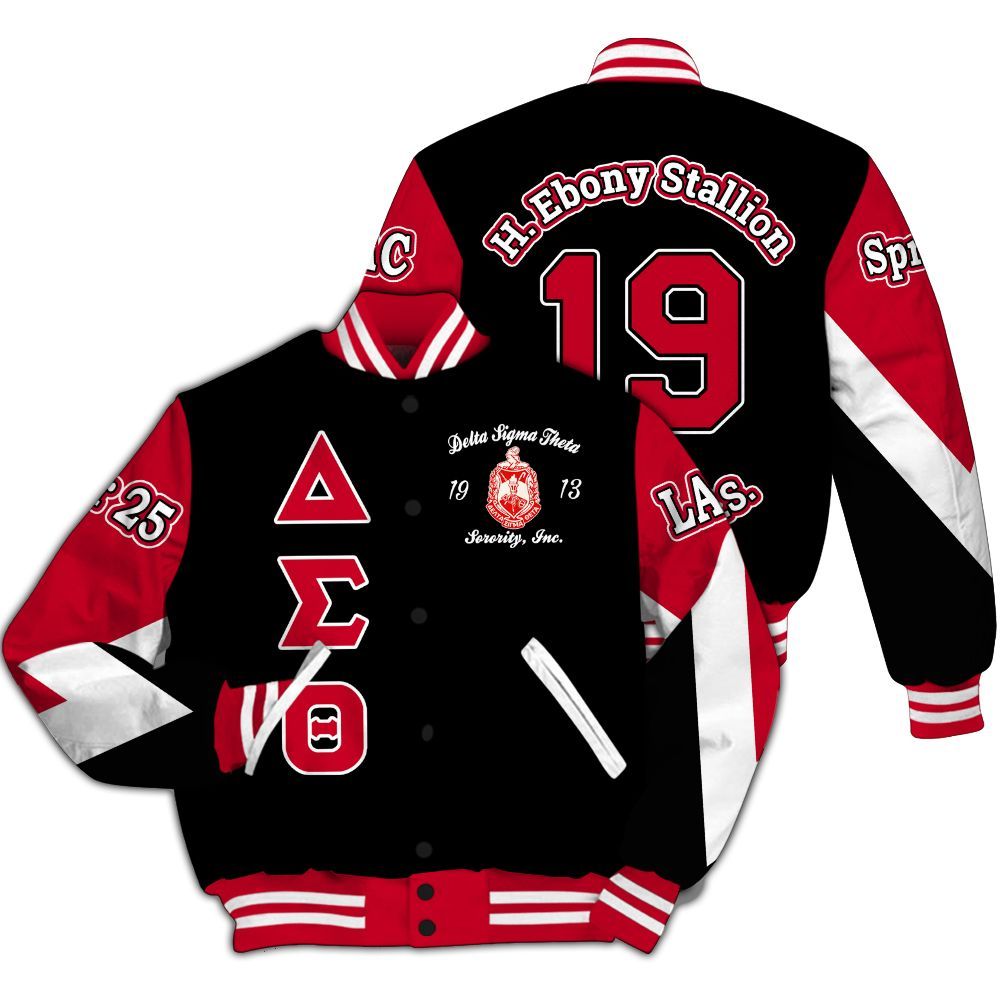
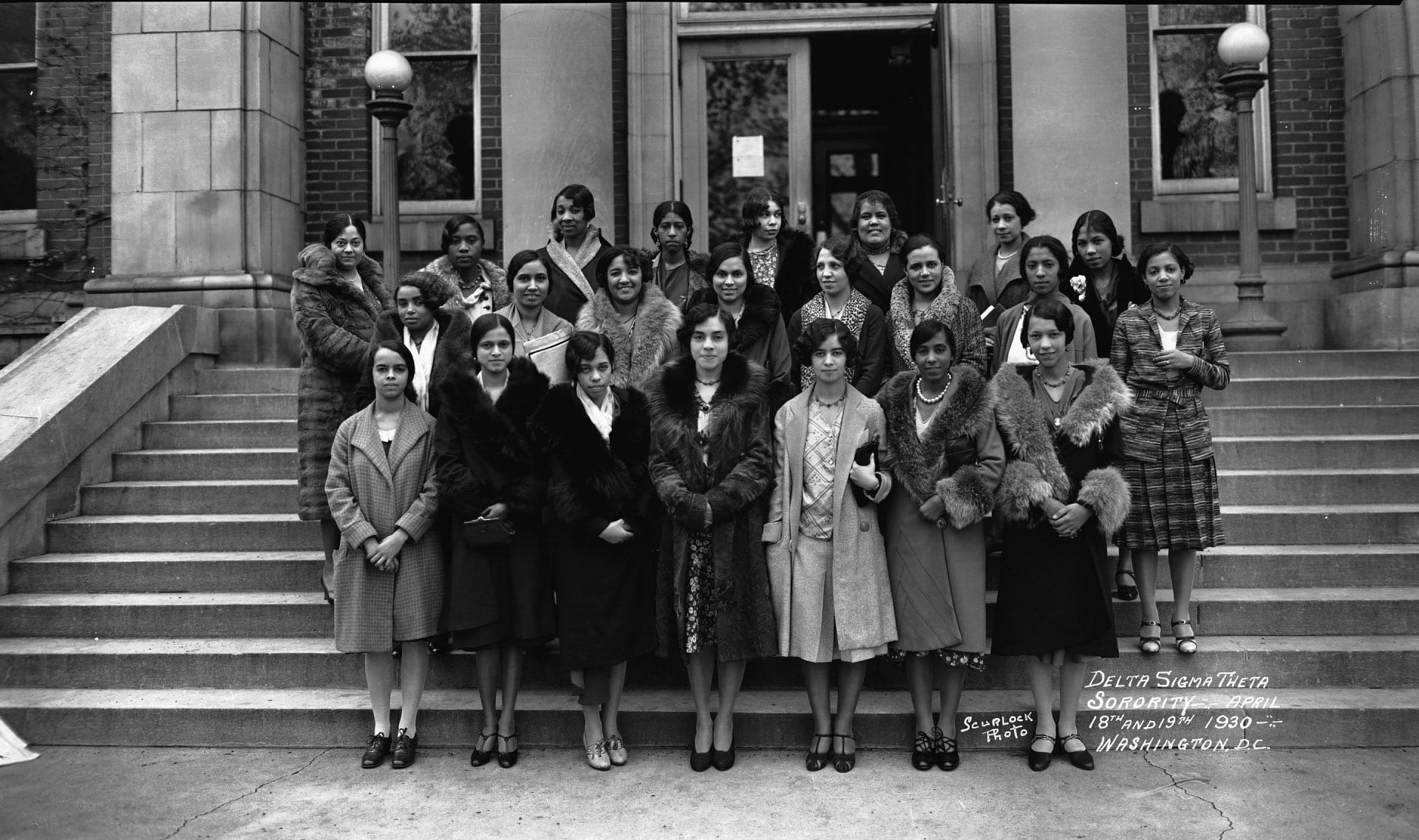
Delta Sigma Theta Sorority, Inc. was established on January 13, 1913, at Howard University by twenty-two women whose very first public act signaled their organizational purpose. One week after founding, the new sorority’s members marched in the Women’s Suffrage March in Washington, D.C. That march gave the organization a public identity rooted in advocacy before it had held a single official meeting.
Kappa Alpha Psi Fraternity, Inc. was founded on January 5, 1911, at Indiana University Bloomington, making it the second organization established at a predominantly white institution. Omega Psi Phi Fraternity, Inc. followed later that same year on November 17, 1911, at Howard University, the first Greek-letter organization to be founded at a historically Black university, a distinction the fraternity has carried as part of its identity ever since.
Phi Beta Sigma Fraternity, Inc. was founded on January 9, 1914, at Howard University on a philosophy unusual among Greek organizations of any tradition: that the fraternity should be integrated into the life of the surrounding community rather than set apart from it. It was also unusual in establishing a constitutionally bound sister sorority, Zeta Phi Beta Sorority, Inc., which was founded at Howard University on January 16, 1920.
Sigma Gamma Rho Sorority, Inc. rounded out the sororities when seven educators founded it at Butler University in Indianapolis on November 12, 1922. Like Kappa Alpha Psi, it was founded at a predominantly white institution, and it remains the only Divine Nine sorority to carry that founding distinction. The last of the nine, Iota Phi Theta Fraternity, Inc., was not founded until September 19, 1963, more than four decades after Sigma Gamma Rho, at Morgan State University during the height of the Civil Rights movement.
Building a Black Intellectual World: BGLOs Between the Wars
The founding of these organizations was only the beginning of what they would become. During the period between the founding era and World War II, Black Greek-letter organizations played an unexpected role in the emerging field of African American scholarship and historical preservation.
Carter G. Woodson, a Howard University professor and member of Omega Psi Phi Fraternity, founded the Association for the Study of African American Life and History and its scholarly journal as platforms for the serious documentation of Black history and culture. He then called on his fraternity brothers to support a dedicated program for the study and preservation of African American history. That work led Omega Psi Phi to back the establishment of Negro History and Literature Week. By 1976, the American government officially recognized the expanded version of that program as Black History Month.
Within Alpha Phi Alpha, a parallel effort was underway. As early as 1921, the fraternity’s official publication, The Sphinx, ran a column on ancient African history written by Howard University professor William Leo Hansberry. As scholar James R. Morgan III has documented for the African American Intellectual History Society, Hansberry’s column was an early effort to argue that African people deserved proper placement in the historical narrative of civilization, a position that was still genuinely contested in academic circles in 1921.
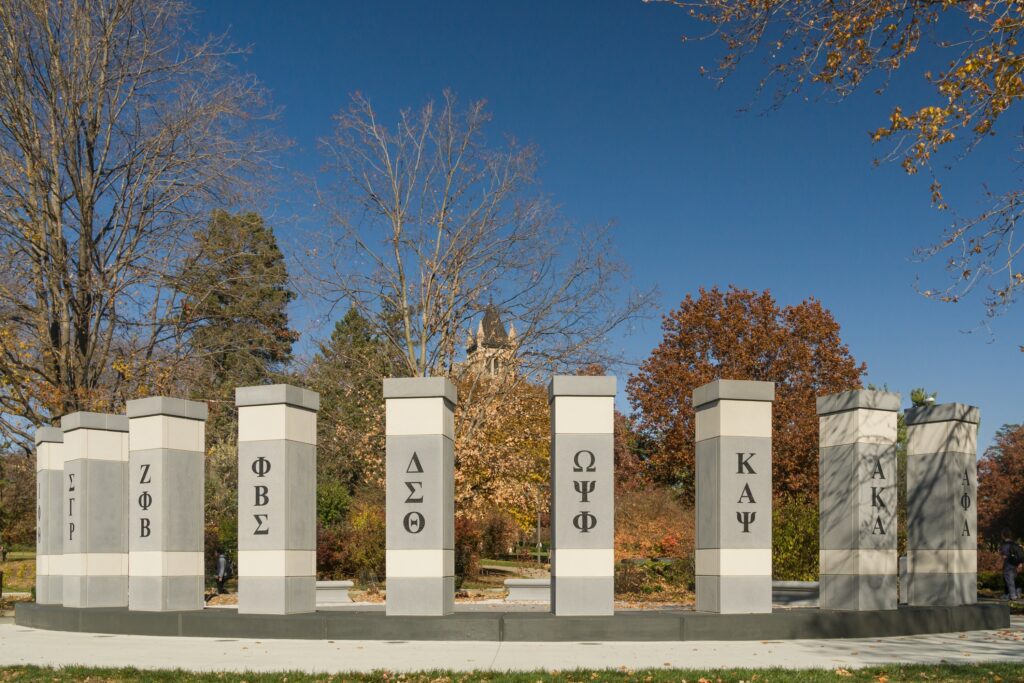
On the sorority side, Alpha Kappa Alpha chapters were engaged in community institution-building well before the Civil Rights era. AKA chapters established libraries, organized educational programs, and built the kinds of local support networks that were essential in a country where Black communities had limited access to public services. Individual chapters organized to purchase facilities for African American history museums, establishing a tradition of cultural preservation that BGLO members have continued across generations.
The organizational counterpart to all of this individual activity was the National Pan-Hellenic Council, founded at Howard University on May 10, 1930. Its stated mission was to achieve unanimity of thought and action among Black Greek-letter organizations and to address problems of mutual interest. The NPHC provided a coordinating structure for organizations that had until then operated independently, and it was incorporated under Illinois law in 1937.
The Civil Rights Era and the Divine Nine
The organizations that grew through the 1930s and 1940s were well prepared for what came next. The American Civil Rights movement of the 1950s and 1960s drew directly on the leadership networks, organizational capacity, and moral frameworks that Black Greek-letter organizations had been building for half a century. The infrastructure built for scholarship and community service became the same infrastructure that organized marches, registered voters, sustained activists through years of dangerous work, and produced the named leaders most associated with the movement. For a fuller account of the specific campaigns, the courtroom and political work that ran alongside the public protests, and the role each of the nine organizations played, see the Divine Nine’s impact on the Civil Rights movement.
Campus Expansion and the Integration Era
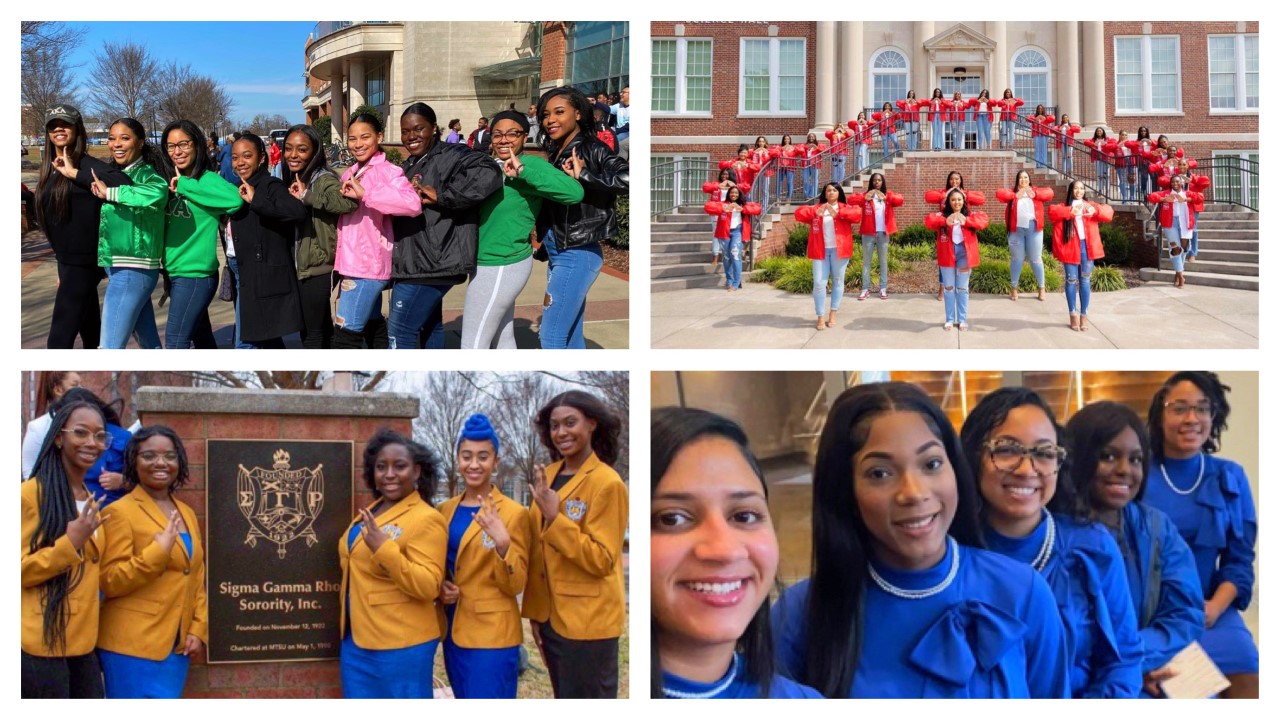
As American universities began to formally integrate following the Civil Rights movement, the landscape for Black students shifted. More Black students arrived at more institutions, and NPHC chapters followed. The post-civil rights decades saw substantial expansion in the number of collegiate chapters, as Black Greek-letter organizations established presences at predominantly white institutions across the country alongside their historic strongholds at HBCUs.
Alumni chapters grew alongside collegiate ones. Membership in a BGLO was understood as a lifelong commitment, and graduate chapters allowed members to continue serving their communities long after leaving campus. The expansion of alumni chapters created networks that stretched across cities, industries, and generations, networks that proved valuable both for individual members seeking professional connections and for communities in need of organized support.
The NPHC expanded its reach to match the growing national footprint of its member organizations. Today, as the NPHC’s official history documents, member organizations maintain thousands of collegiate chapters, hundreds of alumni chapters, and a presence in multiple countries, including chapters on military bases and in American expatriate communities around the world.
Iota Phi Theta and the Completion of the Nine
The youngest organization in what would become the Divine Nine occupies a distinctive place in the history of Black Greek life. Iota Phi Theta Fraternity, Inc. was founded on September 19, 1963, at Morgan State University in Baltimore, founded not by traditional college-age undergraduates but by a group of older, working students who had navigated unconventional paths to higher education. Their motto, Building a Tradition, Not Resting Upon One, reflected both the character of the founding group and a broader ambition to build something lasting from their specific experience.
The organization spent more than three decades developing outside the formal NPHC structure before being admitted to the council in 1996. That admission completed the group of nine organizations. The name Divine Nine itself came even later: author Lawrence C. Ross popularized the term in his 2001 book on the history of Black fraternities and sororities, giving a single collective identity to organizations that had developed their own distinct histories over nearly a century.
Cultural Impact Across Generations
The history of Black fraternities and sororities is not only a history of formal institutions and organizational structures. It is also a history of cultural production that has shaped Black American life in ways that extend far beyond the membership rolls of the nine organizations.
The preservation of Black history has been central to BGLO culture since the earliest decades. The work of Carter G. Woodson and his Omega Psi Phi fraternity brothers in establishing Black History Month is the most visible example, but it was part of a broader pattern in which BGLOs served as custodians of African American cultural memory. Alpha Kappa Alpha chapters helped establish local museums, libraries, and educational institutions in communities where those resources would not otherwise have existed. This tradition of institutional preservation has continued across generations as members carry the legacy of their organizations into fields including historical research and museum work.
Black Greek life has also shaped American popular culture in ways that grew more visible across the late 20th century. Television series like A Different World brought HBCU campus life and the centrality of Black Greek organizations within it into mainstream American living rooms. Films like Stomp the Yard introduced stepping, one of the most distinctive traditions in BGLO culture, to audiences who had never encountered it. Beyonce’s 2018 Coachella performance, in which she built a fictional Greek-letter organization and drew directly on the aesthetics and rituals of Black Greek life, brought that world into a global spotlight that no previous platform had provided.
The political and civic impact of Divine Nine membership across generations has been equally significant. Members of these organizations appear across every sector of American public life, in the judiciary, in Congress, in executive suites, in classrooms, in medicine, and in the arts. The organizations have not simply produced successful individuals; they have produced a particular kind of leader, one formed by an institutional culture that treats service and responsibility to community as non-negotiable obligations of advancement.
What the Divine Nine Looks Like Today
The organizations that began in campus study rooms and suffrage marches have never stopped adapting to the times they inhabit. The response to the killing of George Floyd in 2020 illustrated how that continuity of purpose operates in practice. The National Pan-Hellenic Council issued a collective statement calling for racial justice. Individual chapters and members demonstrated across the country. Organizations already committed to voter rights education intensified that work at a moment when the right to vote was once again under organized political pressure in multiple states.
The work continues in less dramatic but no less important forms. NPHC member organizations run scholarship funds, health awareness campaigns, literacy programs, youth mentorship initiatives, and economic empowerment programs. They respond to the specific needs of the local communities where their chapters operate rather than routing service through national philanthropic structures. The commitment to hands-on community engagement that defined these organizations from their founding remains at the center of what they do.
Alpha Phi Alpha’s 2023 decision to move its scheduled 2025 convention out of Florida in protest of policies restricting African American history education in K-12 schools is a recent example of how these organizations continue to assert themselves in debates about Black history and Black education. It is the same debate that Omega Psi Phi was engaged in when Carter G. Woodson was fighting for Black History Week a century ago. The specific issue changes; the institutional response does not.
Frequently Asked Questions
How many historically Black fraternities and sororities are there?
The National Pan-Hellenic Council represents the nine nationally recognized historically Black Greek-letter organizations, five fraternities and four sororities, collectively known as the Divine Nine. Beyond the NPHC, additional Black Greek-letter organizations exist, including service fraternities, band fraternities, and military sororities that operate outside the NPHC structure.
Why were Black fraternities and sororities started?
They were started because Black students were systematically excluded from the predominantly white Greek-letter organizations on American college campuses in the early 1900s. Rather than accept that exclusion, Black students founded their own organizations built on principles of scholarship, service, and racial uplift rooted in the specific conditions and aspirations of Black Americans at that time. The founding mission of community service and Black empowerment was not borrowed from white Greek culture; it was a direct product of the circumstances that made Black Greek organizations necessary.
What is the oldest Black sorority in America?
Alpha Kappa Alpha Sorority, Inc., founded on January 15, 1908, at Howard University, is the oldest Greek-letter organization established by Black women in the United States. Its founding came two years after Alpha Phi Alpha, the oldest of the nine organizations overall, was established at Cornell University in 1906.
What did the Divine Nine do during the Civil Rights movement?
Divine Nine organizations were embedded in the Civil Rights movement at every level, from named national leaders like Martin Luther King Jr. and Coretta Scott King to local organizers and chapter members who registered voters, led marches, organized sit-ins, and sustained the movement’s infrastructure. The organizations’ decades of leadership development and community service gave them the networks and institutional capacity that the movement required.
A Century of Building, Not Resting
The history of Black fraternities and sororities in America spans more than a century, from Cornell University in 1906 to the present day, and it touches nearly every dimension of Black American life, educational, political, cultural, and civic. These organizations were not founded in abundance. They were founded in exclusion, by students who decided that the correct response to being shut out was to build something better than what they had been denied access to.
What they built has outlasted the specific conditions of its founding by more than a hundred years. The nine organizations of the National Pan-Hellenic Council have survived world wars, the civil rights struggle, campus integration, and every political challenge to Black history and Black education that has come since. They carry into the present not only their organizational structures but the specific conviction that gave rise to those structures: that Black communities deserve institutions built specifically to serve them, and that the people those institutions produce carry a permanent responsibility to their communities in return.