

Iota Phi Theta Fraternity, Inc. is the most recently founded organization in the Divine Nine, and it carries a different origin story than the eight that came before it. Founded September 19, 1963 at Morgan State College in Baltimore, Maryland, Iota started with twelve men who were older, busier, and already deep in the civil rights movement when they decided to build a brotherhood of their own. This complete guide walks through the history, the traditions, and the cultural footprint that the men of Iota Phi Theta have built over six decades.
How 1963 Set the Stage for Iota Phi Theta
1963 was a turbulent year, and the founders of Iota Phi Theta felt it directly. On April 12, the country watched in outrage as Birmingham Police Chief Eugene “Bull” Connor turned water hoses and police dogs on peaceful civil rights demonstrators. On June 12, NAACP field secretary Medgar Evers was assassinated at his home in Jackson, Mississippi by a segregationist. On August 28, roughly 250,000 people gathered at the historic March on Washington and heard Martin Luther King, Jr. deliver his “I Have a Dream” speech.
Three weeks later, less than 50 miles from the National Mall, in Baltimore, another group of men decided to make a different kind of history. The Iotas were active in the local civil rights movement themselves, and the fraternity they founded would carry that orientation forward as a core part of its identity.
The Twelve Founders and Why They Were Different
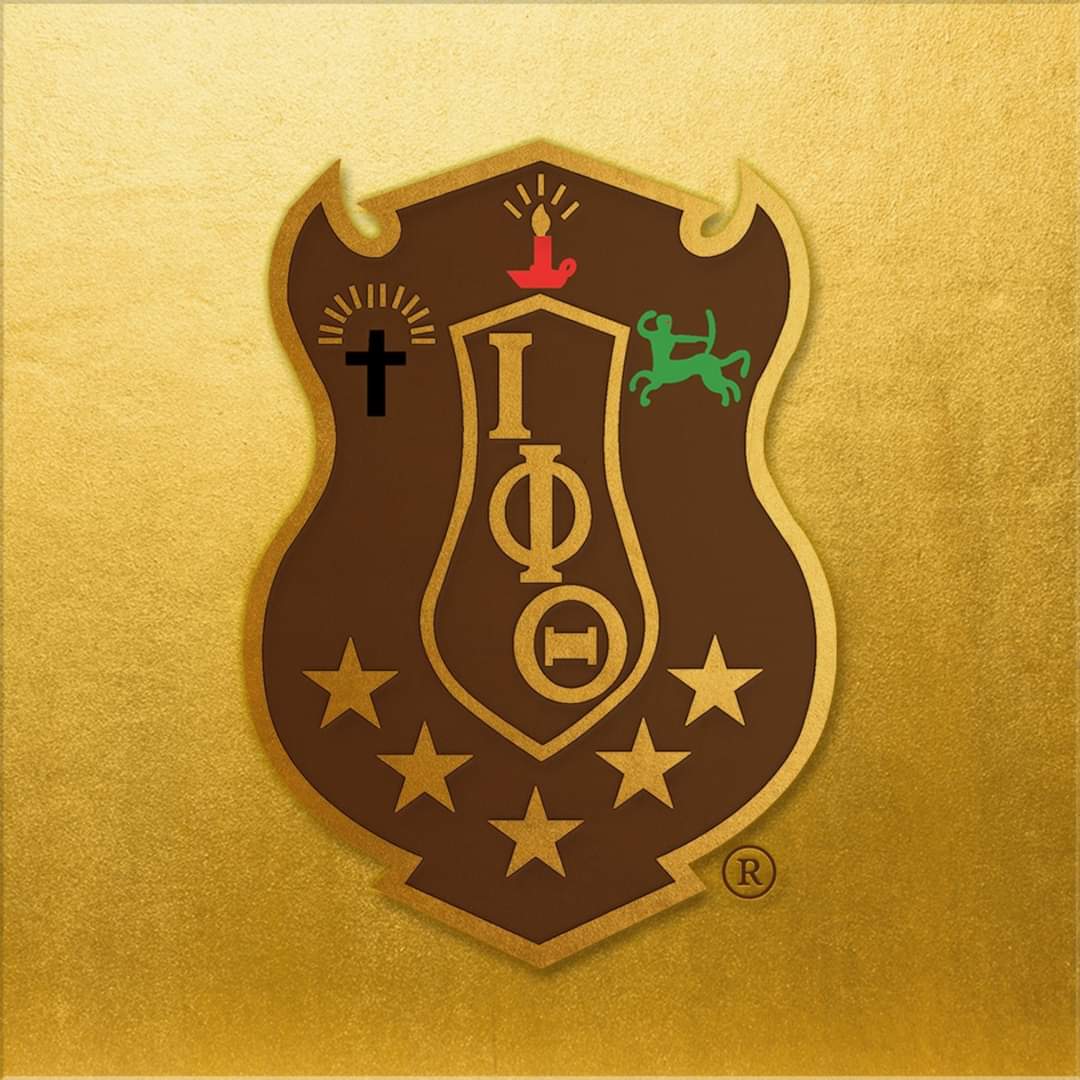
On September 19, 1963, twelve students at Morgan State College founded what is now the nation’s fifth largest, predominately African-American social service fraternity. The Honorable Founders were Albert Hicks, Lonnie Spruill Jr., Charles Briscoe, Frank Coakley, John Slade, Barron Willis, Webster Lewis, Charles Brown, Lewis Hudnell, Charles Gregory, Elias Dorsey Jr., and Michael Williams.
This group was unlike the typical founders’ circle of older Black Greek-letter organizations. Many of them were long-time friends. Spruill, Coakley, Dorsey, and Gregory had known one another since grade school, and Spruill and Coakley’s friendship reached back to pre-school. More importantly, many of the twelve were what would later be called “Non-Traditional Students.” They were three to five years older than the average college student. Gregory, Willis, and Brown were service veterans. Brown, Hicks, and Briscoe were married with small children. Several worked full-time jobs while carrying a full-time course load. They wanted a support network, but they did not have the time, resources, or inclination to follow the patterns of the older fraternities and sororities. That practical, slightly impatient perspective is the seed of everything that came after.
The Five Principles and the Iota Motto
From their first meetings, the founders codified what they wanted the fraternity to stand for. Two statements still appear on almost every Iota communication today.
- Purpose: “The development and perpetuation of Scholarship, Leadership, Citizenship, Fidelity, and Brotherhood among Men.”
- Motto: “Building a Tradition, Not Resting Upon One!”
- The five principles: Scholarship, Leadership, Citizenship, Fidelity, Brotherhood.
The motto is the part most members quote first. It frames the fraternity as a work in progress, not a legacy to be guarded, which suits an organization that was the last to arrive among the Divine Nine.
Symbols, Colors, and Identity Markers
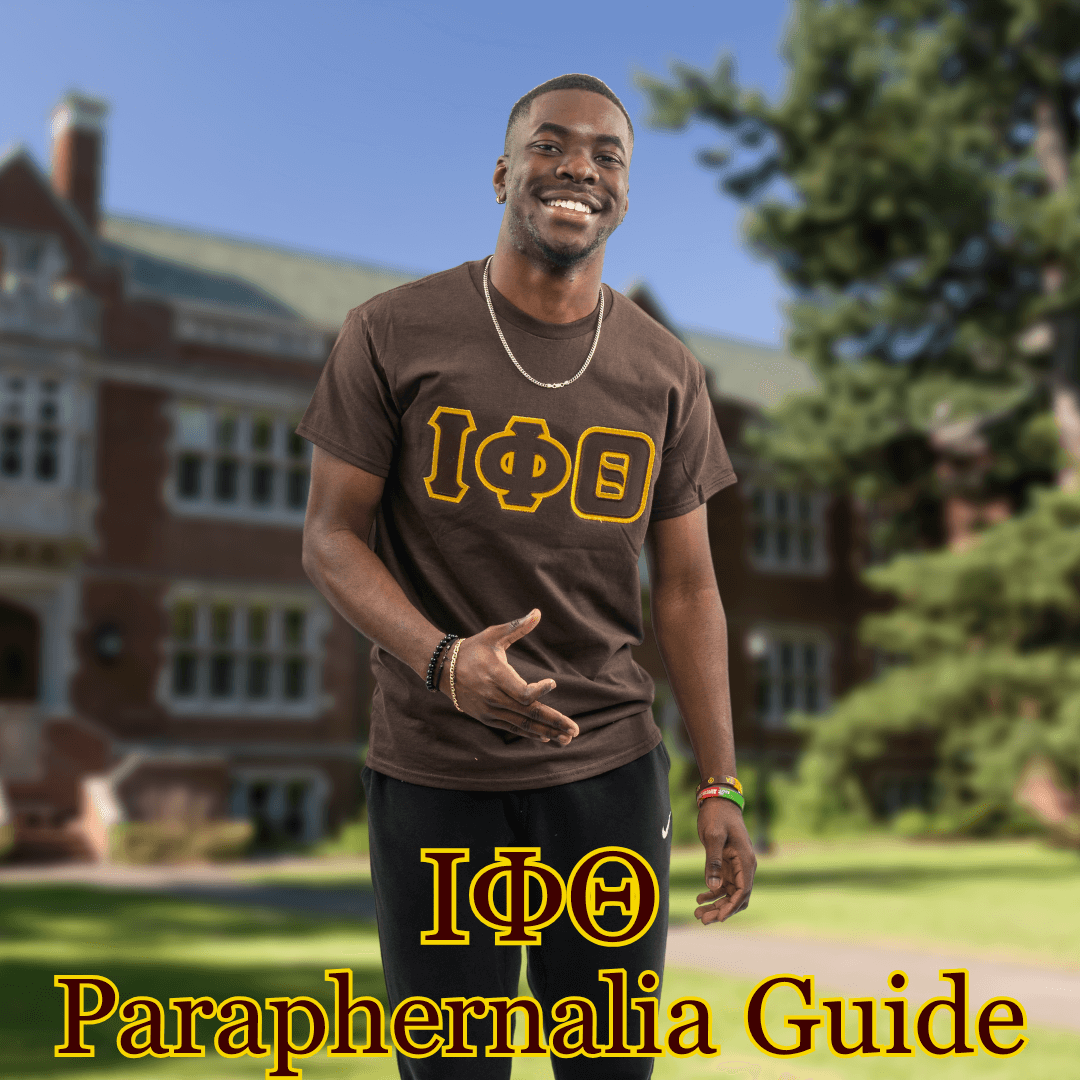
The visual identity of Iota Phi Theta is unusually specific, and members lean into it on paraphernalia, line jackets, and graduation stoles.
- Symbol: The Centaur.
- Official colors: Charcoal Brown and Gilded Gold.
- Common nicknames: Iotas, Centaurs, Outlaws, Thetamen.
If you want to place Iota inside the wider Divine Nine visual landscape, the Divine Nine comparison chart lines up every organization’s colors, symbols, and founding details side by side.
From One Campus to Over 300 Chapters
For its first few years, Iota Phi Theta functioned as a single-campus organization. Growth came in waves. The first interest groups outside Morgan State formed in 1967 at Hampton Institute (Beta Chapter) and Delaware State College (Gamma Chapter). 1968 brought Norfolk State College (Delta) and Jersey City State College (Epsilon). On November 1, 1968 the fraternity was officially and legally incorporated as a National Fraternity under the laws of the State of Maryland.
The first four graduate chapters followed quickly: Alpha Omega in Baltimore (1965), Beta Omega in Washington, D.C. (1970), and Gamma Omega in Hampton, Virginia and Delta Omega in Boston, both in 1973. The first move beyond the Eastern Seaboard came in 1974, when Upsilon Chapter opened at Southern Illinois University. The first California chapters, Alpha Chi at San Francisco State and Xi Omega in San Francisco, arrived in 1983. Today Iota Phi Theta has over 300 chapters in 40 states plus the Republic of Korea, Japan, Germany, and Colombia.
Community Programs That Define Iota Culture
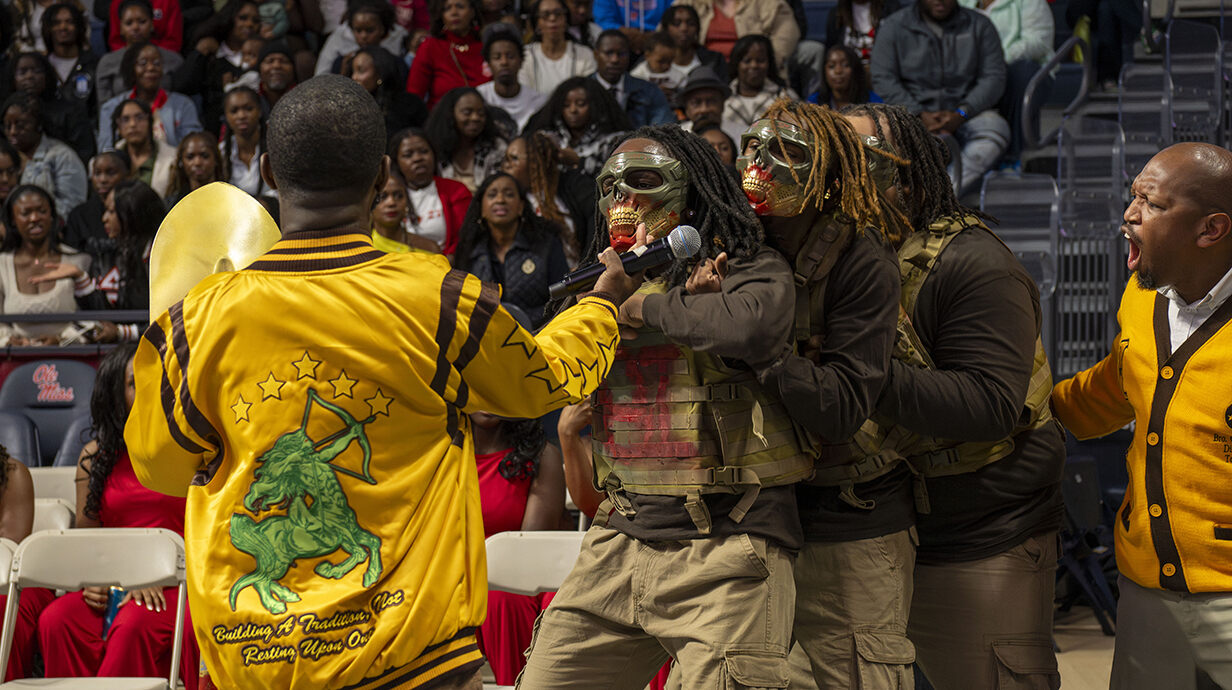
The Iotas have a guiding principle that distinguishes them from other Black Greek-letter organizations: they refuse to bind members to a defined fraternal image and instead celebrate the individuality of each man who crosses. That ethos shapes the programs the fraternity is best known for. The Developing Better Fatherhood Project is an initiative designed to encourage fathers to remain married and support their children despite poverty, reclaiming the value of a father as mentor, role model, and emotional anchor. The National Iota Foundation operates as a clearing house for funding inner city development programs and has contributed over $250,000 in grants, aid, and services to high-poverty neighborhoods.
The Black College Tour takes inner city high school students to historically Black colleges and universities so that an HBCU campus feels reachable before application season. The Iota Youth Alliance lets individual chapters craft programs that respond to the actual problems in their cities, and it gave rise to the African Male Educational program, a mentoring program for boys ages eight to thirteen that focuses on social, academic, and leadership skills. The Digital Heritage Initiative pushes computer education and skills into the same neighborhoods. The fraternity also runs the more familiar slate of political action voter registration, education and cultural awareness, and physical and mental health programs. To pick up the slang and shorthand members use to talk about all of this, the Divine Nine terminology glossary is a useful companion.
Notable Iota Phi Theta Members
The membership roster cuts across politics, sports, entertainment, and the military.
- Bobby Rush, former Black Panther and longtime U.S. Congressman from Illinois.
- Spencer Christian, former Good Morning America weatherman.
- T.C. Carson, television and film actor.
- Elvin Hayes and Calvin Murphy, NBA Hall of Famers.
- W. Montague Winfield, U.S. Army Major General.
- Harry Alford, President and CEO of the National Black Chamber of Commerce.
- Gary Correia, retired Marine Corps Lt. Colonel, the first African-American Marine pilot to reach that rank, now a captain at JetBlue Airways.
NFL alumni include Ron Brace III (New England Patriots), Ollie Ogbu (Indianapolis Colts), and Chris Wilson (Philadelphia Eagles). NBA alumni include Hamady N’Diaye (Washington Wizards) and Jermaine Taylor (Sacramento Kings). For a wider look at how Black Greek-letter members move through American pop culture, our piece on Divine Nine members in pop culture covers the full landscape.
A Tradition Still Being Built
The Iota motto reads in present tense for a reason. The fraternity is sixty-plus years in and still the youngest member of the Divine Nine, and the men who wear Charcoal Brown and Gilded Gold treat that as a feature rather than a problem. The work the founders started in 1963, building a brotherhood that fit non-traditional students and made room for civil rights work, has expanded into 300 chapters across four continents without losing the practical, hands-on character that gave it shape. The tradition is still being built, and that is the point.
Quick Answers About Iota Phi Theta
What are the 5 principles of Iota Phi Theta?
Scholarship, Leadership, Citizenship, Fidelity, and Brotherhood. The five appear together in the fraternity’s purpose statement and every member can recite them.
What are Iota Phi Theta known for?
Iota is known for being founded at Morgan State College on September 19, 1963 with the explicit purpose of “the development and perpetuation of Scholarship, Leadership, Citizenship, Fidelity, and Brotherhood among Men,” and for community programs like the Developing Better Fatherhood Project, the National Iota Foundation, and the Black College Tour.
What is the flower of the Iota Phi Theta fraternity?
Iota Phi Theta does not promote an official flower the way some Greek-letter organizations do. Its core identity markers are the Centaur, the Charcoal Brown and Gilded Gold colors, and the motto.
What are Iota Phi Theta pledges called?
Although the term “pledging” is outdated, the fraternity has moved to a “Brotherhood Intake Process,” and the spirit is still the same. The process you undergo before becoming a Brother is secondary to the responsibility you accept once you become one.