Is Your School an HBCU? How to Check and What Qualifies

To tell whether a school is an HBCU, check the U.S. Department of Education’s official list of Historically Black Colleges and Universities. If the college appears there, it is a federally recognized HBCU. An HBCU is any accredited institution founded before 1964 whose principal mission was, and remains, the education of Black Americans.
That single legal definition settles most questions, but the label is often misunderstood. Here is exactly what qualifies a school as an HBCU, three reliable ways to verify any college, and the schools people most often ask about.
What Qualifies a School as an HBCU?
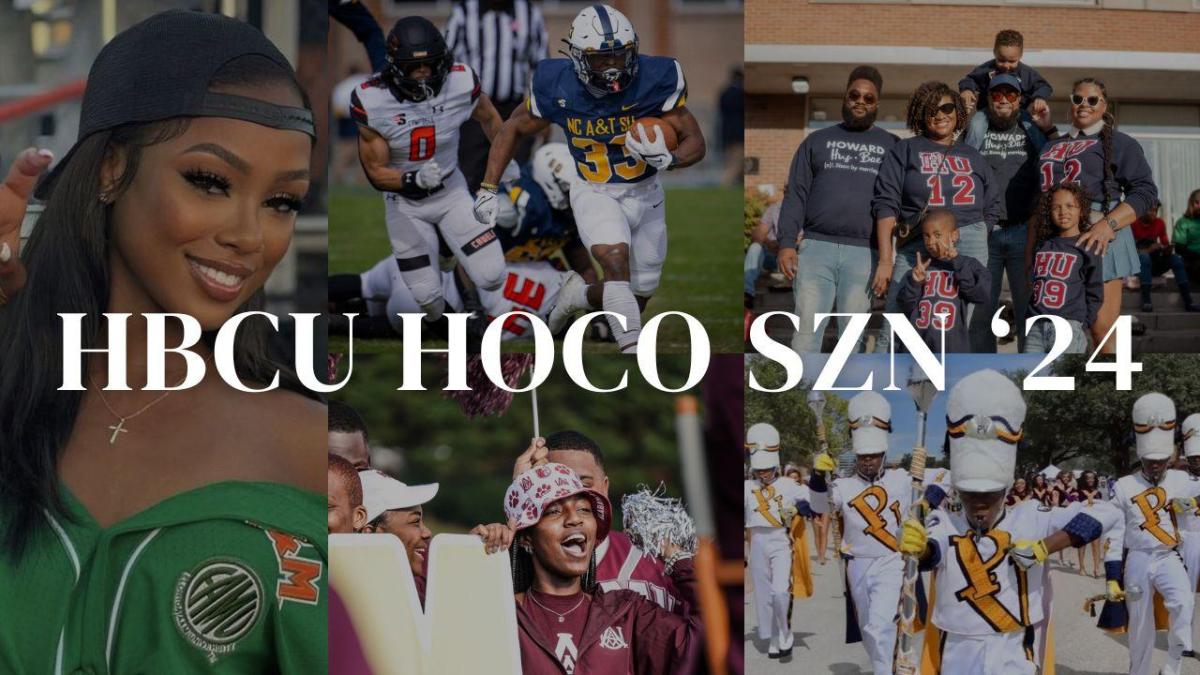
Under the Higher Education Act of 1965, an HBCU is a historically Black college or university that was established before 1964, whose principal mission was and is the education of Black Americans, and that is accredited by a nationally recognized agency. All three conditions matter. A college founded to serve Black students in 1890 qualifies; a school that simply enrolls many Black students today does not, because the designation is about a founding mission during segregation, not current demographics.
How to Check if a School Is an HBCU
The fastest way to confirm a school’s status is to check it against an authoritative list rather than guess. Three sources give a definitive answer:
- Search the U.S. Department of Education’s HBCU list. The White House Initiative on HBCUs maintains the official federal roster of every accredited HBCU by state.
- Check the UNCF member list. The United Negro College Fund publishes its member institutions, which are among the best-known private HBCUs.
- Read the school’s official “About” or history page. A genuine HBCU states its founding mission to educate Black Americans directly in its own history.
If a college is absent from the federal list, it is not an HBCU, no matter how diverse its campus is today.
The Best-Known HBCUs
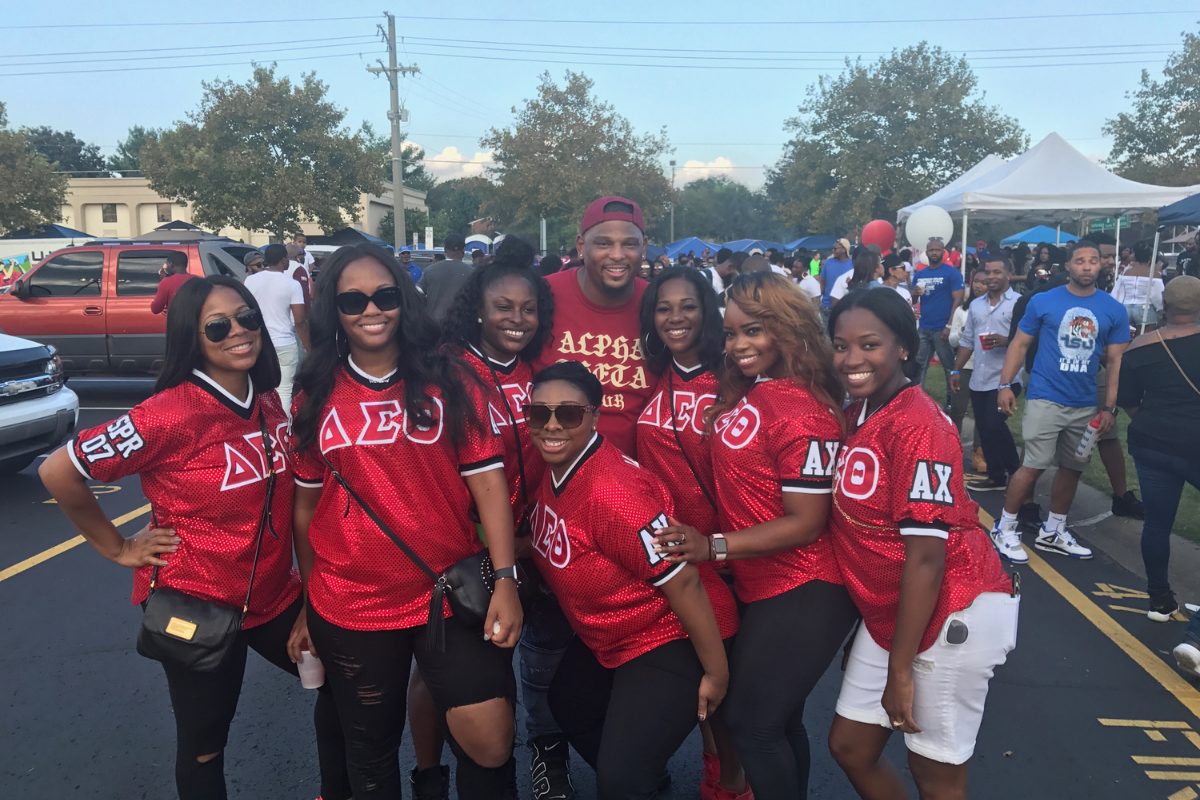
More than 100 HBCUs operate across 19 states, the District of Columbia, and the U.S. Virgin Islands. A handful are household names that anchor the group:
- Howard University in Washington, D.C., one of the most prominent HBCUs in the country.
- Spelman College and Morehouse College in Atlanta, the leading women’s and men’s HBCUs.
- Hampton University and Norfolk State University in Virginia.
- Florida A&M University (FAMU) in Tallahassee and North Carolina A&T State University in Greensboro.
- Tuskegee University in Alabama, founded by Booker T. Washington in 1881.
These sit alongside dozens of smaller public and private HBCUs. You can browse the full list of HBCUs by state to check any specific school.
Why “Historically” Is the Key Word
The word “historically” does the heavy lifting in the name. Because the federal definition turns on a school being established before 1964 with a mission to educate Black Americans, the designation reflects a college’s origins, not its present-day student body. Some HBCUs now enroll a large share of non-Black students yet remain HBCUs, because their founding purpose does not change. For a fuller picture of the mission and history behind the label, see our guide to what an HBCU is and why they matter.
The federal roster is maintained by the Department of Education’s White House Initiative on HBCUs, and the UNCF member list covers many of the private ones. According to UNCF, the average cost of attending an HBCU is about 28 percent less than a comparable predominantly white institution, one reason interest in these schools keeps rising.
Why HBCU Identity Runs Deep
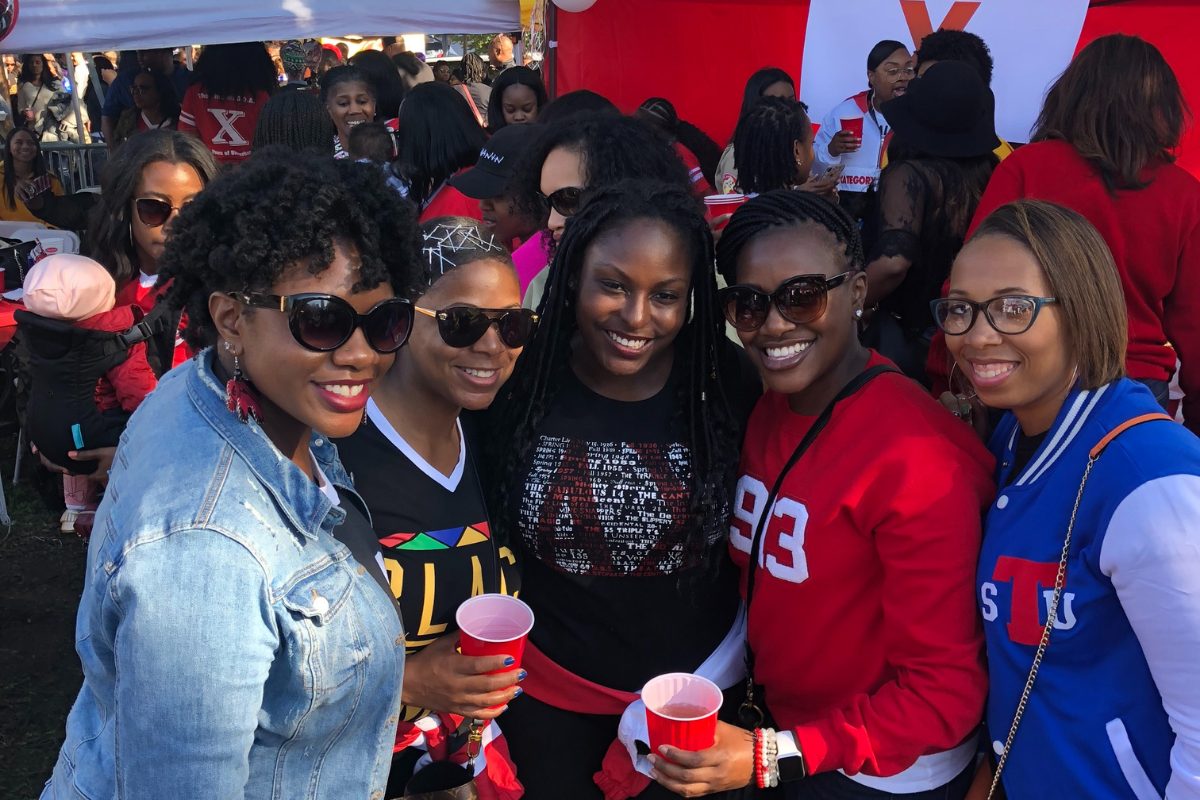
Knowing whether a school is an HBCU is often the first step for students drawn to the culture these campuses are known for, from homecoming and marching bands to the Divine Nine fraternities and sororities that took root there. That sense of belonging is part of what makes HBCU yard culture so distinct, and why alumni carry the pride of their school for life.
If you found your HBCU on the list, browse Ireishprint’s custom HBCU and Greek apparel to wear that pride your way.