
What Is an HBCU? Meaning, History, and Why They Matter

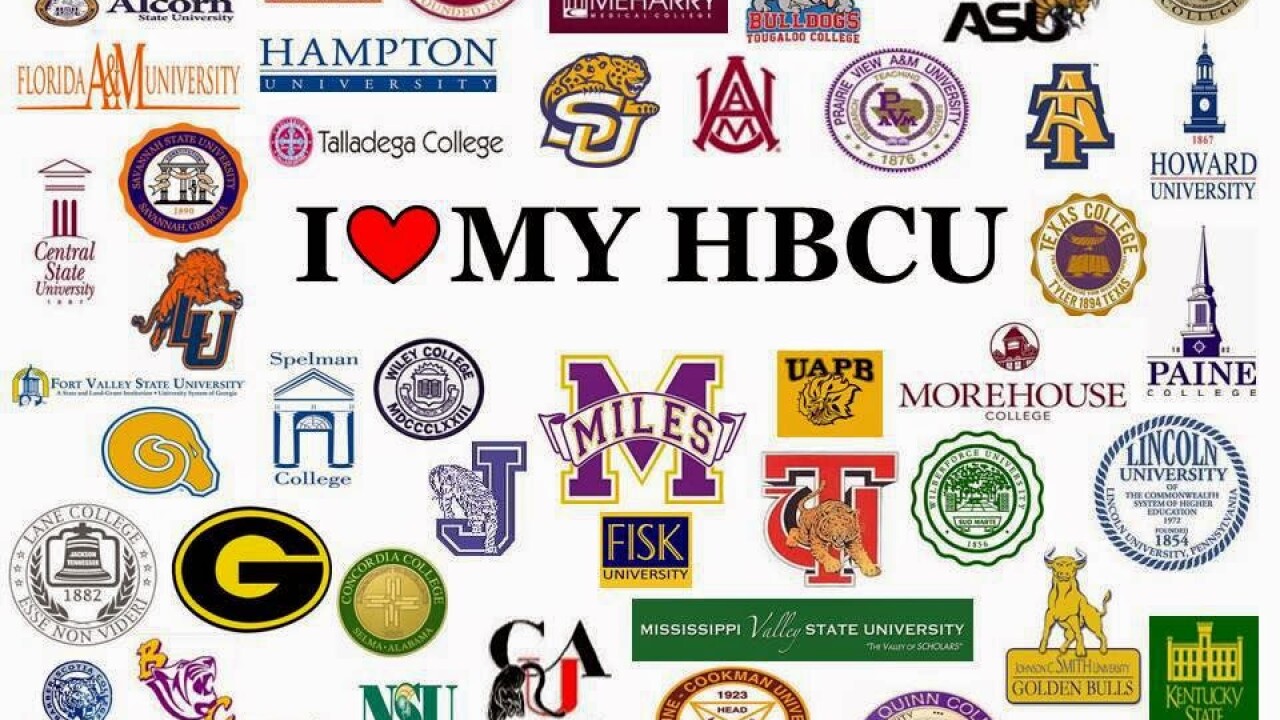
An HBCU is a Historically Black College or University, a school founded before 1964 with the primary mission of educating Black Americans. There are 107 of them across the United States, and while they make up only about 3% of the nation’s colleges, they produce close to 20% of all Black college graduates. The letters stand for exactly what they describe: institutions that were created, during an era of legal segregation, to give African Americans access to higher education when almost nowhere else would.
That history still shapes what an HBCU is today. These campuses remain culturally rich, close-knit places, and they now enroll students of every background. Here is what the term actually means, where these schools came from, and why they continue to matter.
What HBCU Stands For and the Federal Definition
HBCU stands for Historically Black College or University. It is not a loose label. The term has a legal definition set by the Higher Education Act of 1965, which describes an HBCU as any historically black college or university that was established prior to 1964, whose principal mission was and is the education of Black Americans, and that is accredited by a nationally recognized accrediting agency (or is making reasonable progress toward accreditation).
In plain terms, a school qualifies as an HBCU if it meets three conditions:
- It was established before 1964.
- It is accredited, or working toward accreditation.
- Its principal mission was, and is, educating Black Americans.
Worth noting up front: the mission is about who the schools were built to serve, not who is allowed in. HBCUs offer all students, regardless of race, the chance to develop their skills and talents.
A Short History of How HBCUs Started
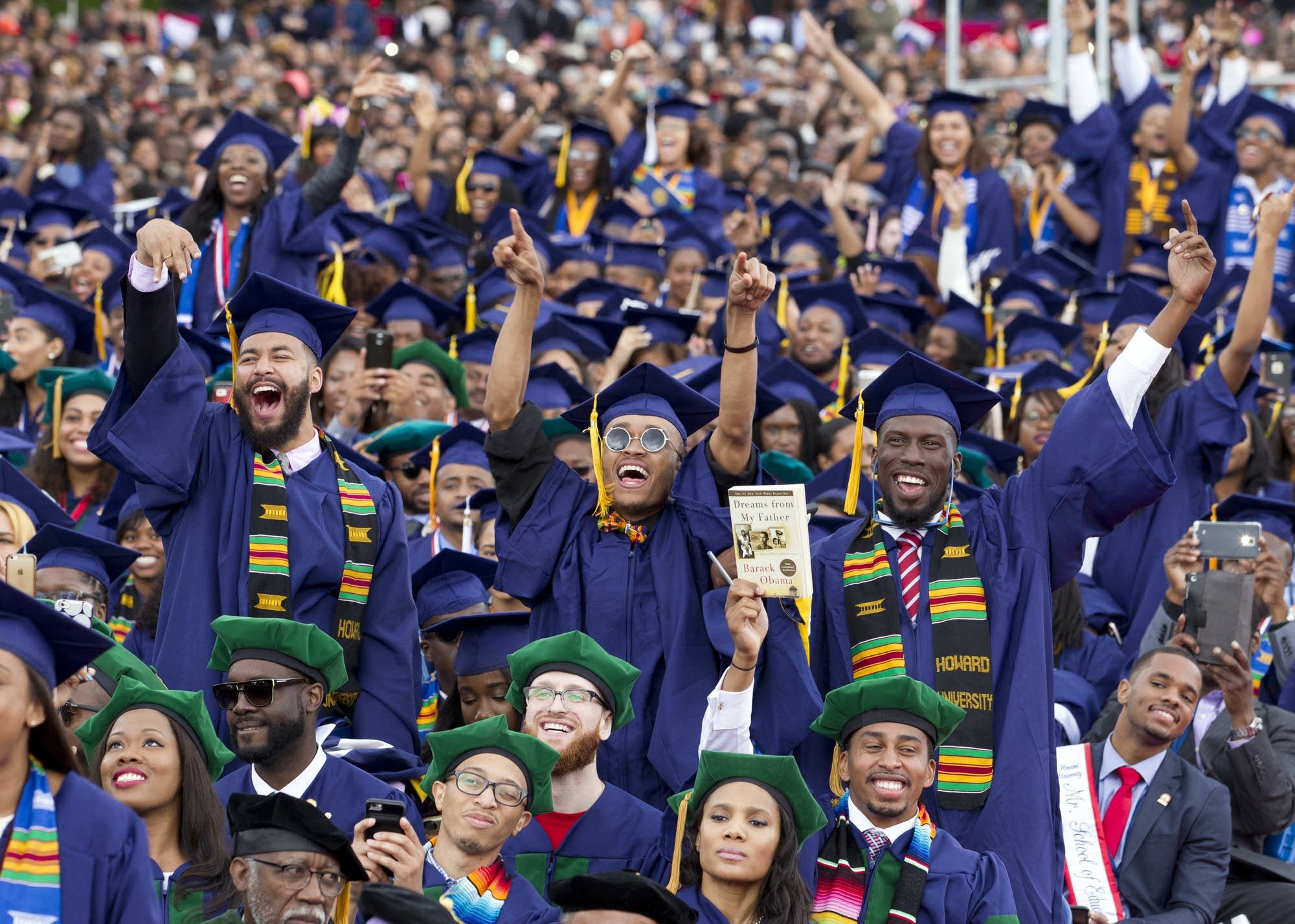
Before HBCUs existed, higher education was almost entirely closed to African Americans. Only a handful ever attended college, and those who did faced steep barriers. The first HBCU opened on February 25, 1837, when the Quaker philanthropist Richard Humphreys donated $10,000 to found the African Institute in Pennsylvania, a school built to educate African Americans and prepare them to teach. That institution is known today as Cheyney University of Pennsylvania.
Most HBCUs came later. The majority were founded between 1865 and 1900, with the single biggest year being 1867, just two years after the Emancipation Proclamation. Many were started during the Reconstruction era by Protestant religious organizations, while others followed the Second Morrill Act of 1890, which required segregated Southern states to provide public higher education to African Americans in order to keep receiving federal funds. Schools like Lincoln University in Pennsylvania and Howard University in Washington, D.C., which opened in 1867, became early anchors of Black higher learning.
How Many HBCUs Are There Today
There are 107 HBCUs in the United States today, spread across roughly 19 states plus Washington, D.C., and the U.S. Virgin Islands. Together they enroll more than 250,000 students. They represent about 3% of the country’s colleges and universities, and they range from small private liberal arts colleges to large public research universities, along with dedicated medical and law schools. You can see every school grouped geographically in our full list of HBCUs by state, which draws on the same federal directory that the National Center for Education Statistics maintains.
The count does shift over time. A number of HBCUs have closed in recent decades, which is why some older lists show slightly different totals. The 107 figure reflects the institutions currently recognized by the U.S. Department of Education.
Who Can Attend an HBCU
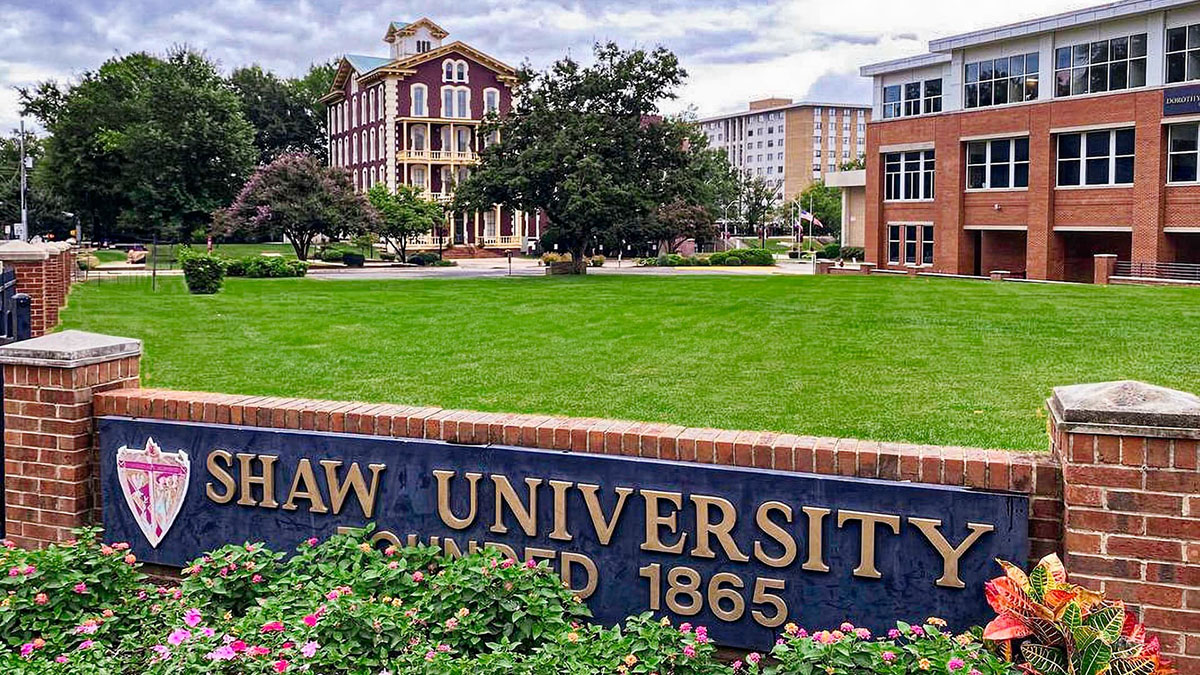
A common question is whether HBCUs are for Black students only. They are not. HBCUs admit students of all races and always have been open to that idea in principle, since federal law defines them by their founding mission rather than by any admissions restriction. Today they enroll a growing number of students from diverse racial and ethnic backgrounds, though Black students still make up the majority on most campuses.
What sets these schools apart is the environment. HBCUs are often described as nurturing places that champion first-generation and low-income students, offering a sense of community and cultural affirmation that many students say they could not find elsewhere. That culture, not a closed door, is what defines the experience.
The Real-World Impact of HBCUs
For their size, HBCUs carry an outsized share of Black professional achievement. According to figures reported by The Week, HBCUs are responsible for producing:
- 40% of Black engineers
- 50% of Black teachers
- 70% of Black doctors and dentists
- 80% of Black judges
The pattern holds in the broader numbers too. Although HBCUs enroll only about 10% of all African American students, they produce nearly 20% of all African American graduates and 25% of Black graduates in STEM fields, according to the United Negro College Fund. That gap between enrollment share and graduation share is a big part of why these schools are credited with building and expanding the African American middle class.
Notable HBCUs and Their Graduates
Some HBCUs are household names. Spelman College in Atlanta is frequently ranked the number one HBCU in the country, and its neighbor Morehouse College, along with Howard University, Tuskegee University, and Florida A&M University, are among the most widely recognized. These schools sit inside a larger network of public and private institutions, each with its own history, that many people group under the informal banner of the Black Ivy League.
The reach of HBCUs is easiest to see in their graduates. Civil rights leader Dr. Martin Luther King Jr. attended Morehouse. Thurgood Marshall, the first African American Supreme Court justice, was a Howard graduate. Vice President Kamala Harris also graduated from Howard, and the alumni rolls include figures like Oprah Winfrey, Nobel laureate Toni Morrison, and poet Langston Hughes. For students weighing whether to join one of these communities, the broader payoff often extends into lifelong professional networks and the deep yard culture that defines campus life.
Why HBCUs Still Matter
HBCUs are not only historical institutions. They remain some of the most effective engines of social mobility in American higher education, turning limited resources into an outsized number of Black professionals, leaders, and graduates year after year. They preserve and celebrate African American history and culture while preparing students of every background for a global workforce.
Understanding what an HBCU is, then, means understanding both where these schools came from and what they still do. They opened doors that were shut for a century, and they keep opening them today. If you are trying to picture the full landscape, the next step is simply to see the schools themselves and where they are.