
Divine Nine vs Panhellenic vs IFC: How the Three Greek Councils Actually Differ

When students arrive on a Greek-active campus and start asking questions, one of the first things they run into is the alphabet soup of councils. NPHC, NPC, IFC. The Divine Nine. Panhellenic. Interfraternity. These names often get used interchangeably or without explanation, which makes the landscape of Greek life confusing before it is even entered.
The three main councils represent different histories, different structures, and different expectations of membership. Understanding how they work and how they differ helps both students looking to join and anyone trying to make sense of campus Greek culture from the outside.
The Three Councils: A Quick Map of Greek Life
Most four-year universities in the United States host Greek life through one or more of three governing councils. The Interfraternity Council (IFC) oversees men’s fraternities affiliated with the North-American Interfraternity Conference. The Panhellenic Council, governed nationally by the National Panhellenic Conference (NPC), oversees women’s sororities from that same traditional system. The National Pan-Hellenic Council (NPHC) governs the nine historically Black fraternities and sororities known collectively as the Divine Nine.
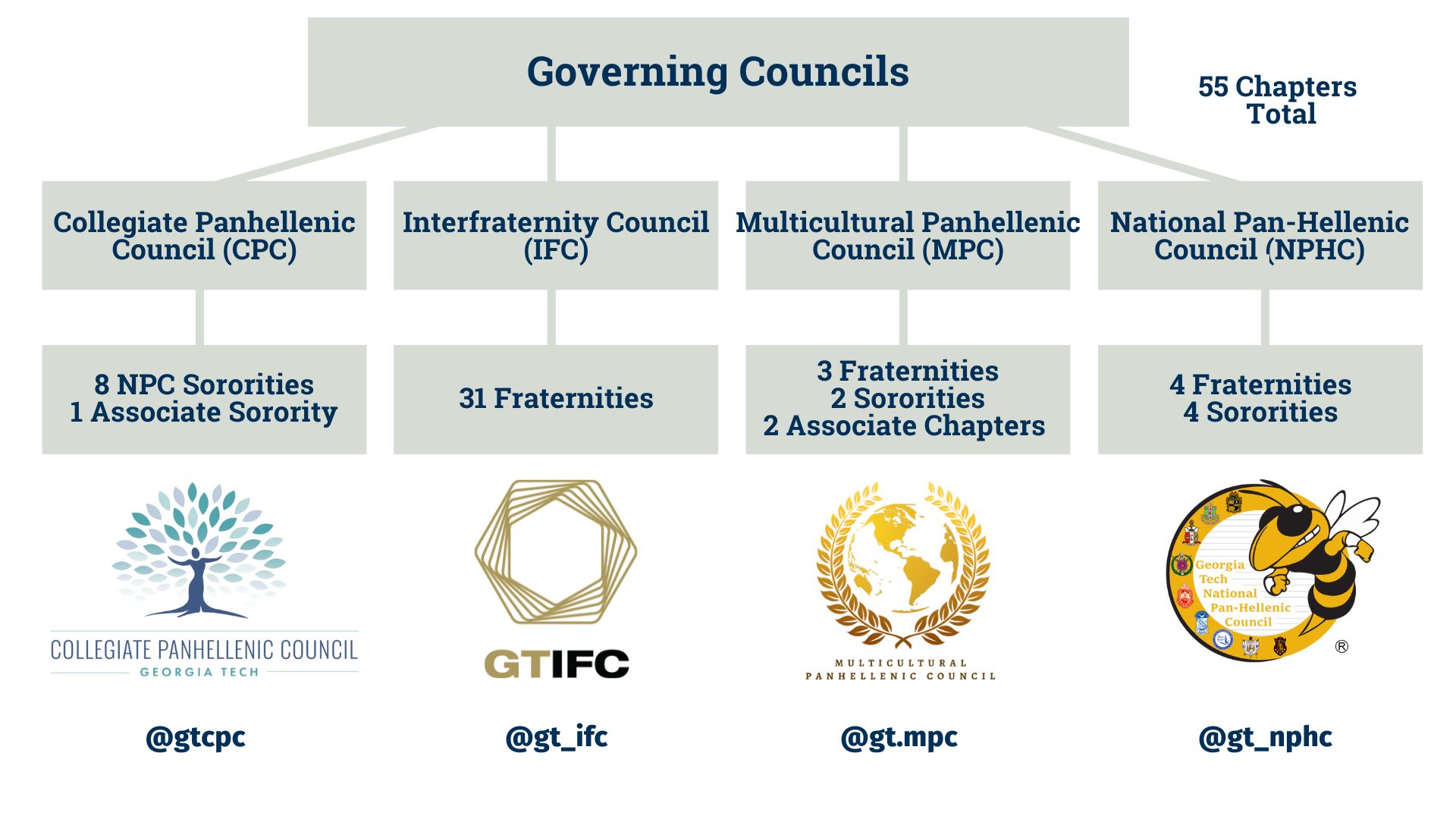
Each council operates with a distinct internal structure, a distinct joining process, and a distinct philosophy about what membership is supposed to accomplish. These are not interchangeable communities. They are separate systems that happen to share a campus.
The NPHC and the Nine Organizations It Represents
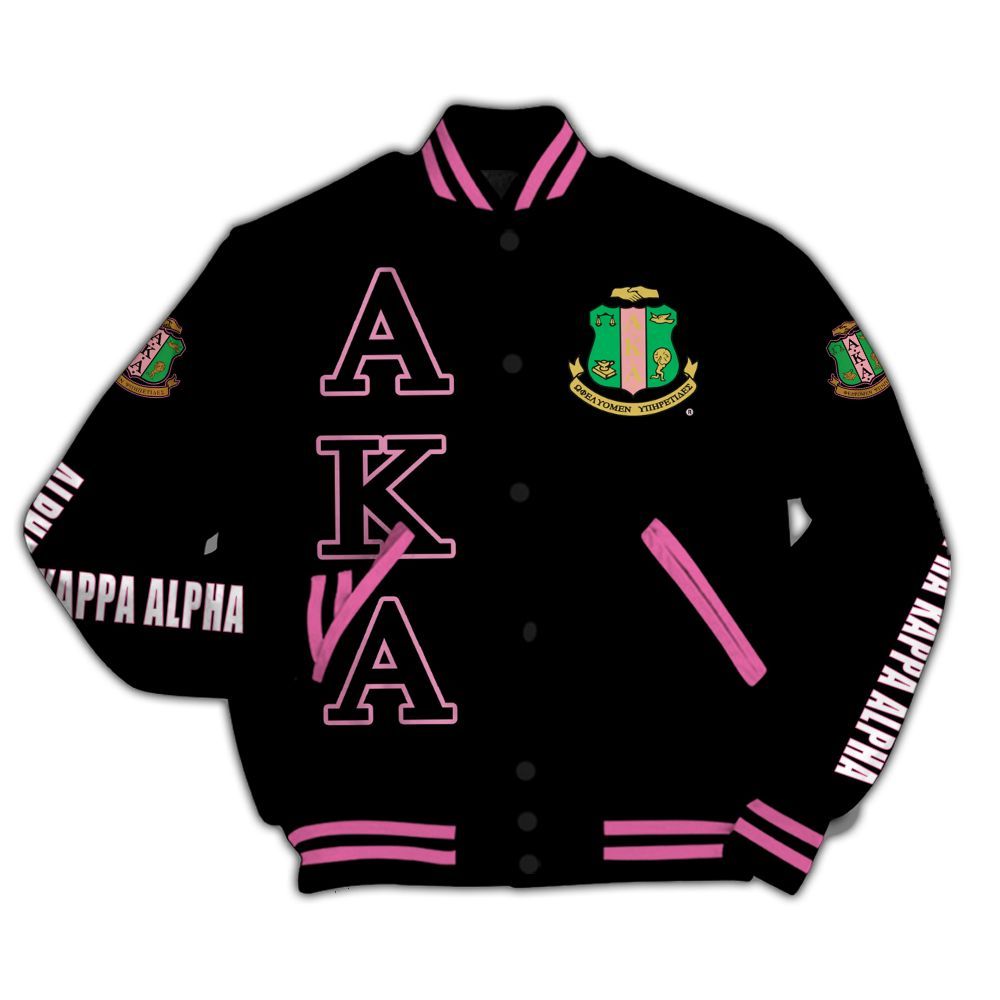
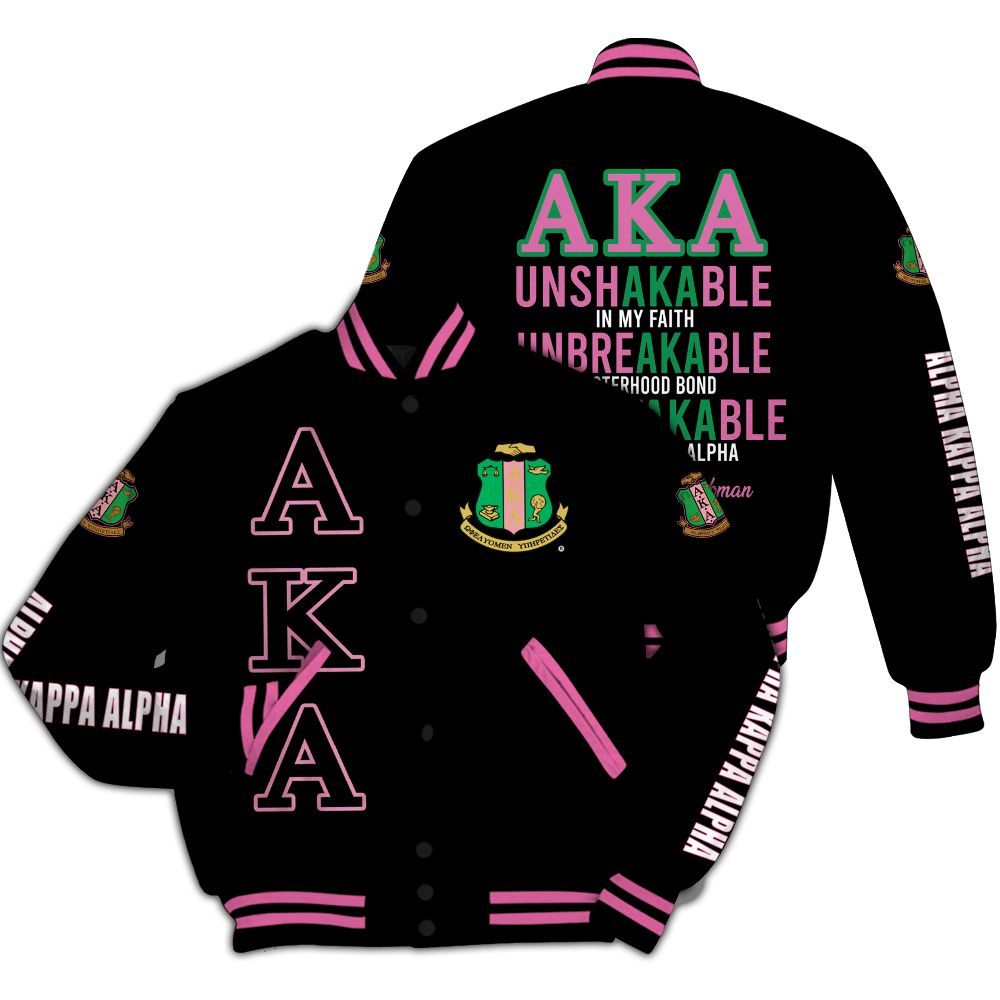
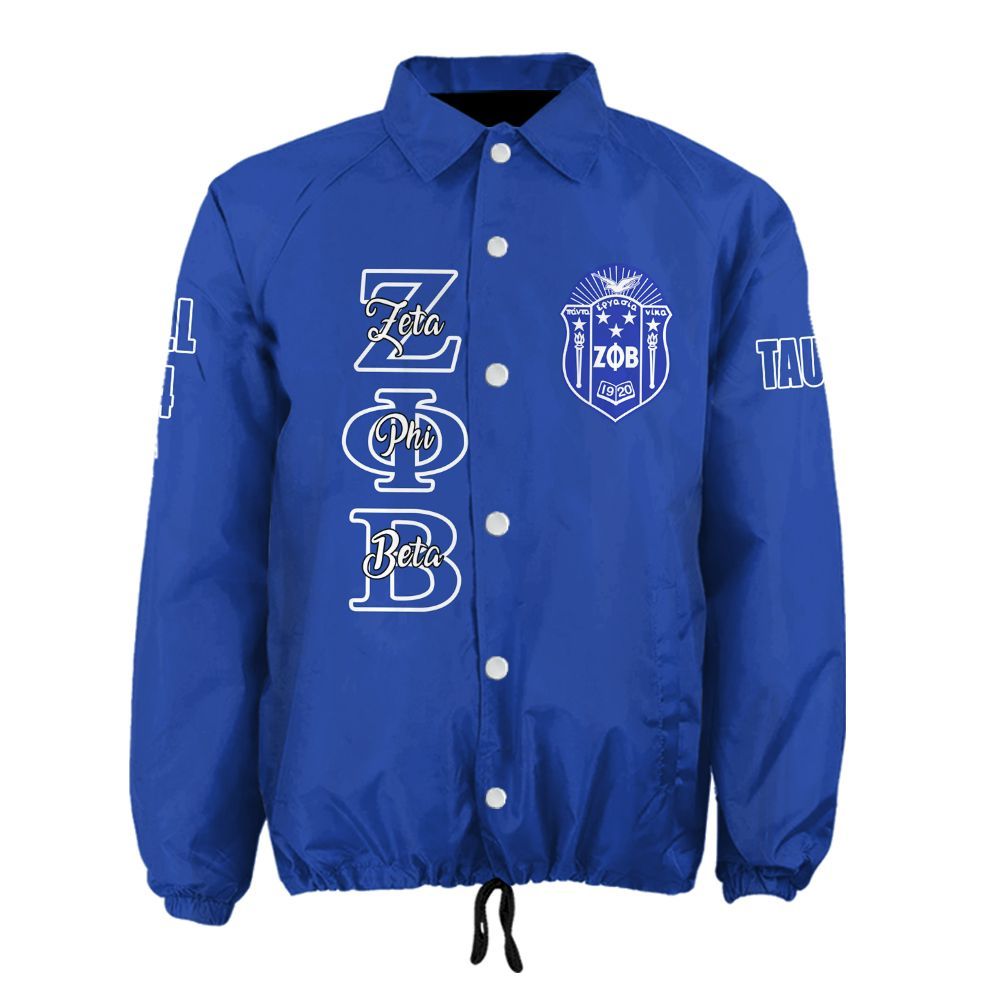
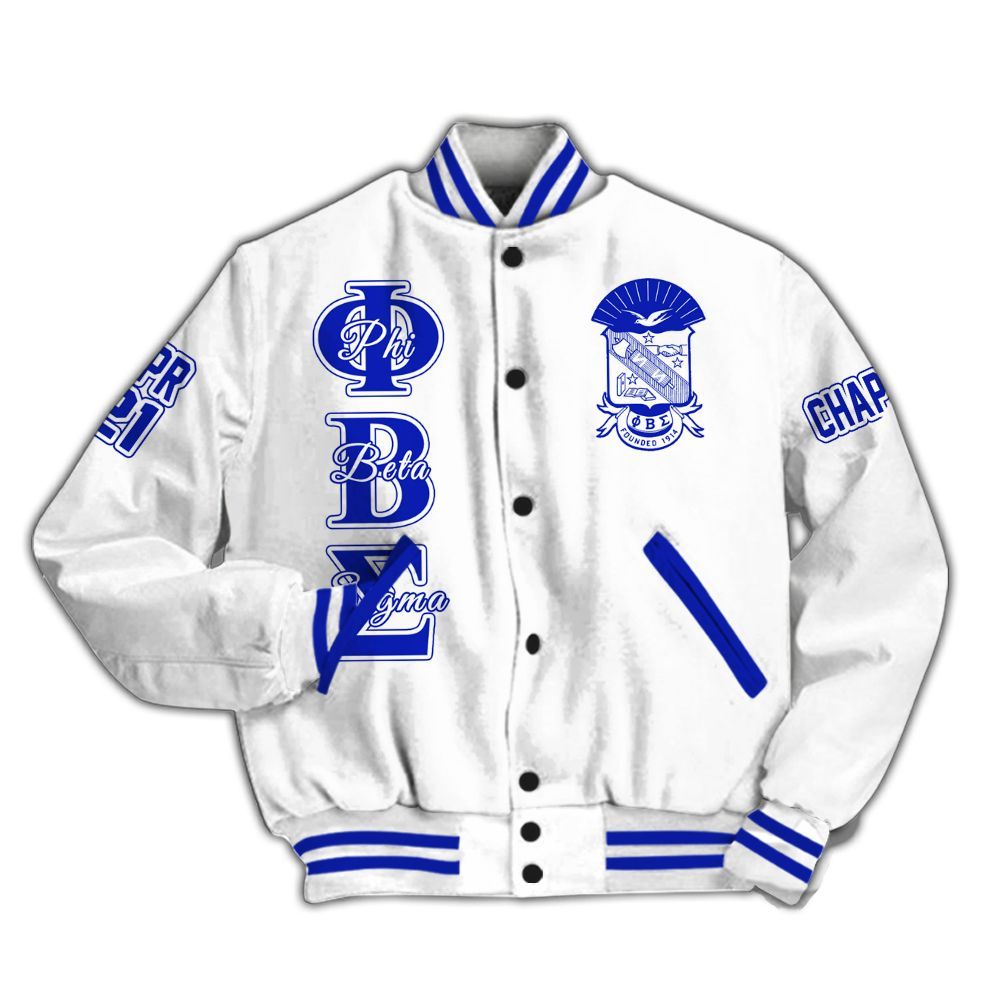
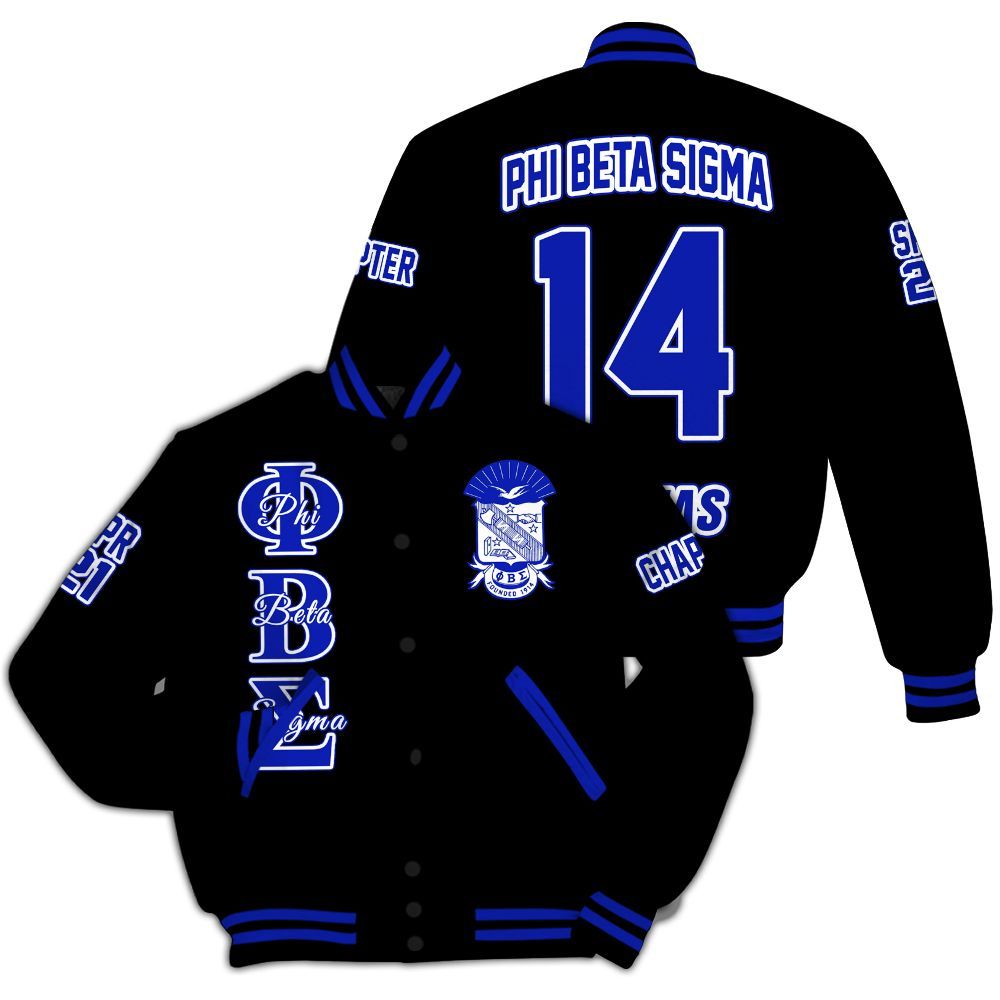
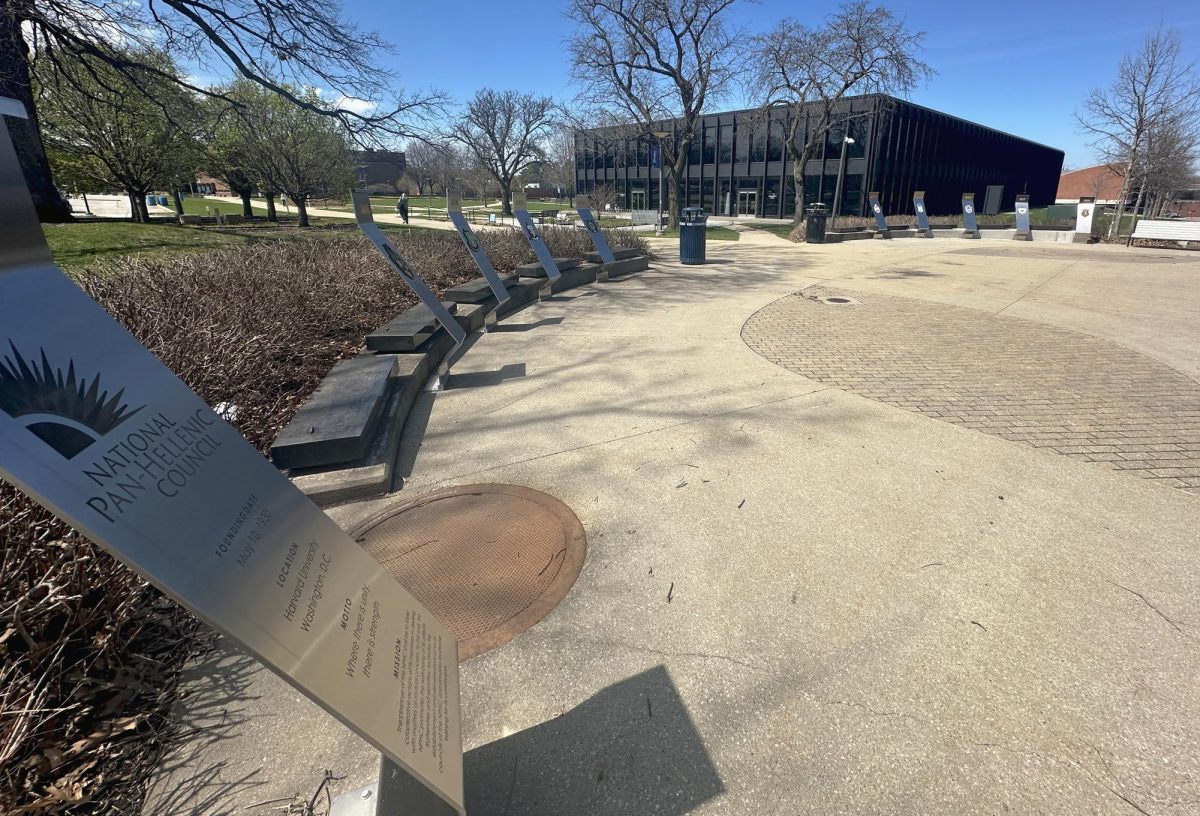
The National Pan-Hellenic Council was established in 1930 at Howard University to provide unity among the historically Black Greek-letter organizations that had been founded in the preceding decades. The nine member organizations are Alpha Phi Alpha, Alpha Kappa Alpha, Kappa Alpha Psi, Omega Psi Phi, Delta Sigma Theta, Phi Beta Sigma, Zeta Phi Beta, Sigma Gamma Rho, and Iota Phi Theta. Together they are known as the Divine Nine, and they collectively represent nearly four million members across collegiate and alumni chapters worldwide.
The reason these organizations exist is inseparable from the reason they were built differently from other Greek councils. Why Black Greek organizations were founded connects directly to their structure today: they were created because Black students were excluded from the white fraternities and sororities that dominated American campuses in the early twentieth century. That founding history shapes everything about how NPHC organizations operate, including how they bring in new members and how they define the responsibilities of membership.
One of the most significant features of NPHC membership is that it does not end at graduation. Members remain affiliated with their organizations for life through alumni and graduate chapters, which continue the same service and advocacy missions that collegiate chapters carry on campus. This lifetime membership structure is a meaningful distinction from the experience most students have in NPC and IFC organizations.
The National Panhellenic Conference and the Rush System Behind It
The National Panhellenic Conference was established in 1902, making it one of the oldest Greek governing bodies in the United States. It currently represents 26 national and international women’s sororities. On individual campuses, these sororities are governed by a local Panhellenic Council, which coordinates recruitment, promotes inter-sorority cooperation, and sets standards for scholarship and campus involvement.

The word panhellenic derives from the Greek for “all Greek,” reflecting the system’s original ambition to represent the entirety of women’s Greek life. In practice, it represents one branch of that life. Panhellenic sororities are often described as social sororities, with emphasis on campus activities, philanthropy partnerships with national organizations, and the social networks that form between chapters on the same campus and across institutions.
The NPC works alongside the Interfraternity Council as the two governing bodies of what is often called traditional Greek life. Their recruitment processes mirror each other in structure, their philanthropic models tend toward partnerships with national causes rather than locally targeted community work, and their membership model, while meaningful, does not carry the same expectation of lifelong active participation that NPHC organizations do.
The IFC: Men’s Fraternities and Their Place on Campus
The Interfraternity Council governs men’s fraternities affiliated with the North-American Interfraternity Conference. On most campuses, the IFC oversees recruitment, coordinates fraternity relations, and works to uphold the shared standards of its member chapters. The council exists, in the words used by many university Greek life offices, to foster, develop, and promote the shared ideals of the fraternities under its umbrella.
IFC recruitment follows a formal process held before or at the start of a semester. Prospective members attend events at multiple chapters, spend time interacting with current brothers, and ultimately receive a bid from one chapter. Academic requirements vary by campus but typically include a minimum number of completed credit hours and a minimum GPA around 2.5. The process is public, open, and coordinated at the council level so that all chapters participate on the same timeline.
The IFC and NPC operate in parallel on most campuses, often collaborating on shared events and social programming. Both use a public, open recruitment model, which is one of the most visible points of contrast with how NPHC organizations approach membership.
NPHC vs NPC vs IFC: Key Differences at a Glance
| Criteria | NPHC (Divine Nine) | NPC (Panhellenic) | IFC |
|---|---|---|---|
| National body | National Pan-Hellenic Council | National Panhellenic Conference | North-American Interfraternity Conference |
| Founded | 1930 | 1902 | 1909 |
| Member organizations | 9 historically Black fraternities and sororities | 26 women’s sororities | Men’s fraternities (number varies by campus) |
| Historical context | Founded in response to exclusion of Black students from white Greek orgs | Founded to unify women’s Greek organizations | Founded to coordinate men’s fraternities |
| Joining process | Intake (discrete, individual by org) | Recruitment / Rush (formal, open, coordinated) | Recruitment / Rush (formal, open, coordinated) |
| National approval required | Yes | No | No |
| Community focus | Hands-on local service and civic engagement | Philanthropy through national organization partnerships | Philanthropy through national organization partnerships |
| Lifetime membership | Expected, active alumni and graduate chapters | Possible, varies by individual | Possible, varies by individual |
The table captures the structural differences, but the more meaningful contrasts are cultural rather than procedural. NPHC organizations were built to serve Black communities and to resist a system of exclusion. That founding mission makes the way they approach intake, community work, and lifelong membership genuinely different from how NPC and IFC organizations approach those same elements.
Intake vs Rush: How Joining Actually Differs
The most practically significant difference between joining an NPHC organization and joining an NPC sorority or IFC fraternity is the process of becoming a member. NPC and IFC organizations use a formal public recruitment process, commonly called rush, that is coordinated at the council level. All chapters participate simultaneously. Prospective members attend events, visit houses, interact with current members, and submit preferences. The process is visible, social, and designed to help a large number of students find a chapter that fits within a defined timeline.
NPHC organizations use a process called intake, and it works differently at every level. There is no single system that coordinates all nine organizations at once. Each chapter conducts its own membership selection process as defined by its national organization, typically involving an application, meetings with current members, national-level approval, and demonstrated knowledge of the organization’s history and values. The timeline is set by the individual chapter, not a campus-wide calendar.
Discretion is expected throughout the NPHC intake process in a way that has no real equivalent in NPC or IFC recruitment. Openly discussing which organization holds your interest, or announcing publicly that you are pursuing intake, is considered inappropriate and can reflect poorly on a prospective member. Those interested are typically advised to contact someone already in the organization or to reach out directly to a local graduate chapter, and to do so quietly.
Joining an NPHC organization is also generally more expensive than joining an NPC sorority or IFC fraternity. Chapter fundraising often helps offset these costs, but prospective members should go in with clear expectations about the financial commitment involved.
Community Focus and Campus Role
NPC sororities and IFC fraternities typically partner with national philanthropic organizations for their service programs. A chapter might raise money for a national health cause, participate in a branded philanthropy event, or host fundraisers that direct proceeds to a national nonprofit. This model is consistent across chapters and organizationally supported at the national level.
NPHC organizations approach community work differently. The emphasis is on hands-on service at the local level: mentoring elementary school students, supporting elderly community members, hosting voter registration drives, providing educational programming in underserved neighborhoods. The service is targeted and community-specific rather than channeled through national partnerships.
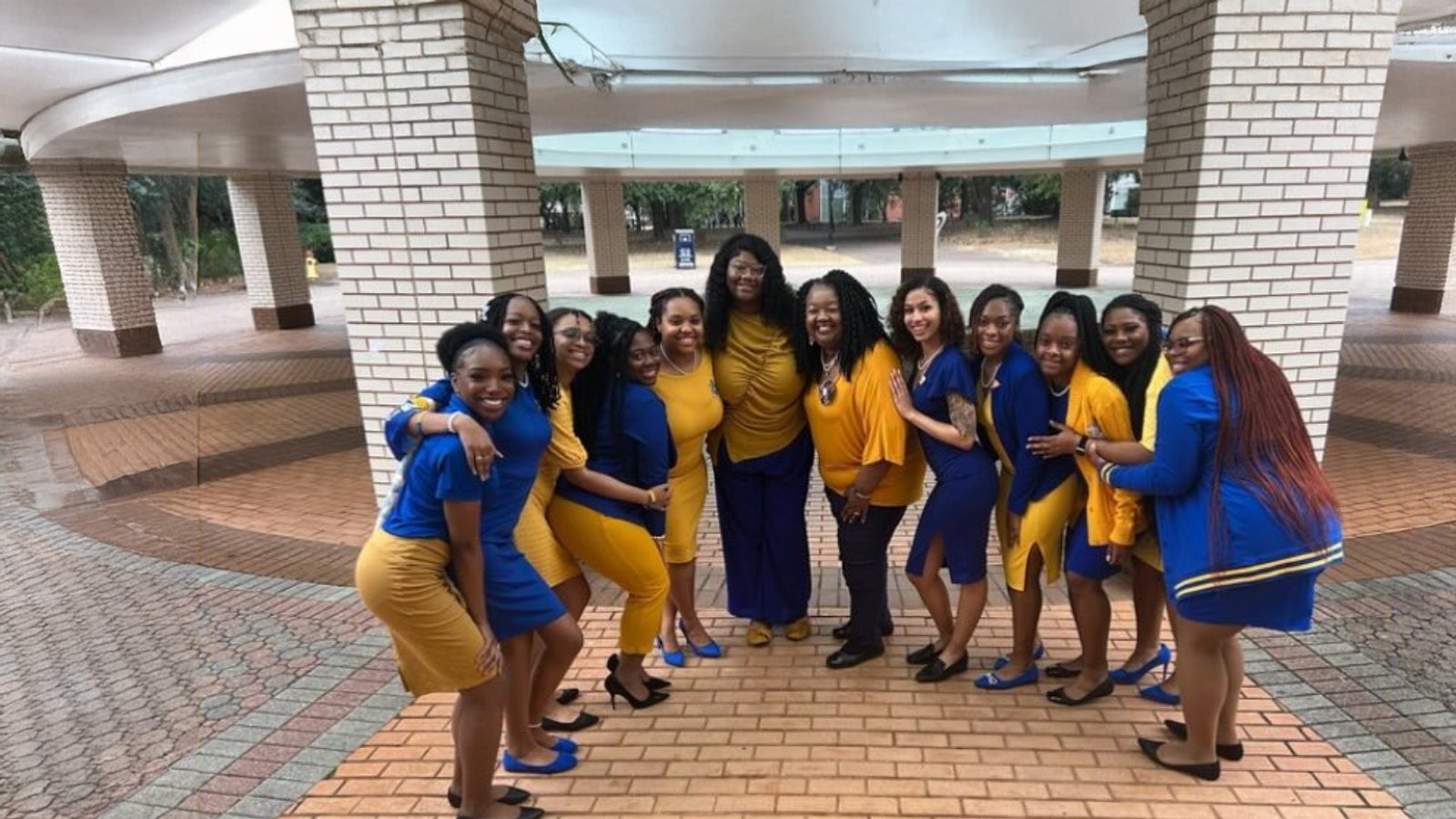
The history of Black fraternities and sororities in America is inseparable from a mission of community uplift that was built into these organizations from the beginning. The service model was not developed to satisfy a national partnership agreement. It was part of the reason the organizations existed, and it has remained central to what NPHC membership means across more than a century of change.
At predominantly white institutions, NPHC chapters are often smaller than their NPC and IFC counterparts. This is partly a function of campus demographics and partly a function of the selectivity of the intake process. Where NPHC chapters exist at PWIs, they often serve as important community spaces for Black and minority students who are not formal members, alongside the chapters’ active membership.
Frequently Asked Questions
What is the difference between NPHC and NPC sororities?
NPHC sororities belong to the National Pan-Hellenic Council and are four of the nine historically Black Greek-letter organizations known as the Divine Nine. NPC sororities belong to the National Panhellenic Conference and are the 26 traditional women’s social sororities. The two systems have different founding histories, different joining processes, different community service models, and different expectations around lifelong participation.
Can anyone join a Divine Nine organization?
Yes. NPHC organizations are historically Black but do not discriminate based on race. They are historically Black in the same way that IFC and NPC organizations are historically white, meaning that history shaped their founding without setting a racial exclusion policy for membership. Anyone who meets the academic and character requirements and goes through intake is eligible to be considered by an NPHC chapter.
What does intake mean in Greek life?
Intake is the term used by NPHC organizations for their membership process. Unlike the public rush used by NPC and IFC groups, intake is conducted discretely by individual chapters according to each national organization’s standards. It typically involves an application, direct contact with current members or a graduate chapter, national-level approval, and a demonstrated understanding of the organization’s history and values.
Is Greek life different at HBCUs compared to PWIs?
The NPHC experience tends to be more central to campus culture at historically Black colleges and universities. At HBCUs, Greek plots, step shows, and yard culture are highly visible parts of campus life and student identity. At predominantly white institutions, NPHC chapters are often smaller and less institutionally prominent, but the membership expectations and organizational mission remain the same regardless of campus type.
What to Take Away
The Divine Nine, Panhellenic Council, and IFC are not three flavors of the same thing. They are three distinct systems with different founding histories, different philosophies about what membership is for, and different expectations of what members do with that membership beyond college.
For students deciding where to direct their interest, the most useful starting point is not the social reputation of individual chapters but the purpose of the council itself. NPHC organizations were built for service, community uplift, and lifetime engagement rooted in a specific history. NPC and IFC organizations were built around campus social life and structured networks. Those are genuinely different things, and the joining process, the community focus, and the long-term experience of membership reflect that difference at every level. Understanding that distinction is the first step toward making a decision that actually fits.