
The History and Culture of Strolling in Black Greek Organizations

Strolling is a synchronized line dance performed by members of the Divine Nine fraternities and sororities, traditionally at parties, homecoming events, probates, and campus gatherings. A line of members in their organization’s colors moves together across the floor, following a stroll master who leads from the front. Every step, gesture, and movement is in unison, tied to a specific song and choreography that belongs to that organization. From the outside, a stroll can look like an elaborate dance. To the members in the line, it is something closer to a collective declaration of belonging.
The stroll master sets the pace and the direction. Everyone in the line follows without breaking formation. Stopping or stepping out without authorization is considered a significant breach of etiquette, one that reflects on the chapter as a whole. That discipline is not incidental. The cohesion of the line is the point: strolling is not a showcase of individual skill but of shared identity, of people who have moved through the same process and earned the right to stand in the same line together.
The African Roots of a Black Greek Tradition
Before strolling appeared on any American campus, its underlying logic was already being developed on the other side of the world. Gold miners in apartheid-era South Africa, restricted from speaking their native languages within the mines, developed gumboot dancing as a way to communicate undetected. The Wellington rainboots distributed to miners to protect their feet became percussion instruments: workers stomped rhythmic patterns into the ground that could pass as simple movement while carrying meaning between people who had no other channel for it.
Over time, gumboot dancing moved beyond its communicative function. Workers from different ethnic backgrounds began performing together in groups, and because the tradition was transmitted through physical demonstration rather than formal notation, each new performer’s influences altered the form. In cities like Johannesburg, where the mines drew workers from dozens of different tribal backgrounds, the dance absorbed elements from multiple African traditions simultaneously. What started as a workaround became a living art form in its own right.
That capacity for adaptation, for taking a movement tradition shaped by restriction and making it into a form of collective expression, is what connected gumboot dancing to what eventually became strolling in the United States. Both grew out of the same diaspora-wide impulse: keeping rhythm and cultural memory alive when the more obvious means of expression had been removed or restricted. The parallel is not coincidental. It is part of the same story told across different geographies.
How Strolling Entered Black Greek Life
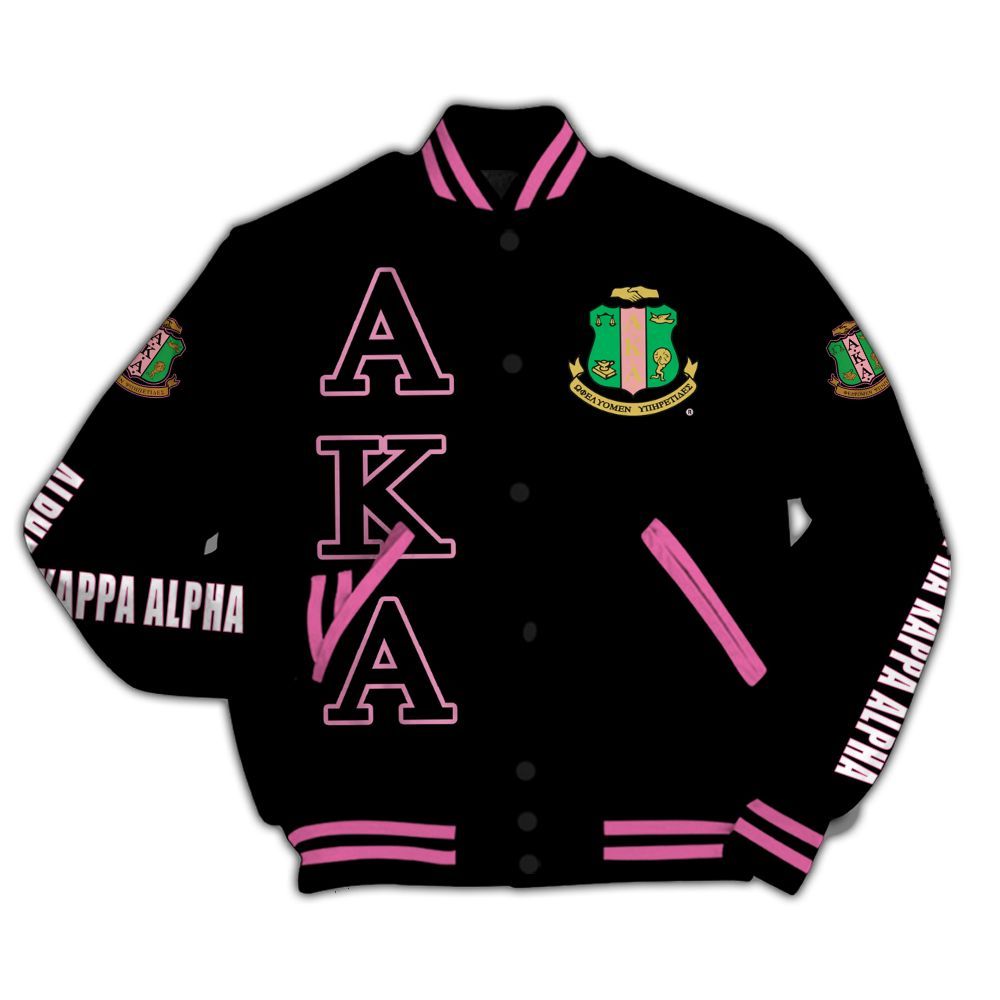
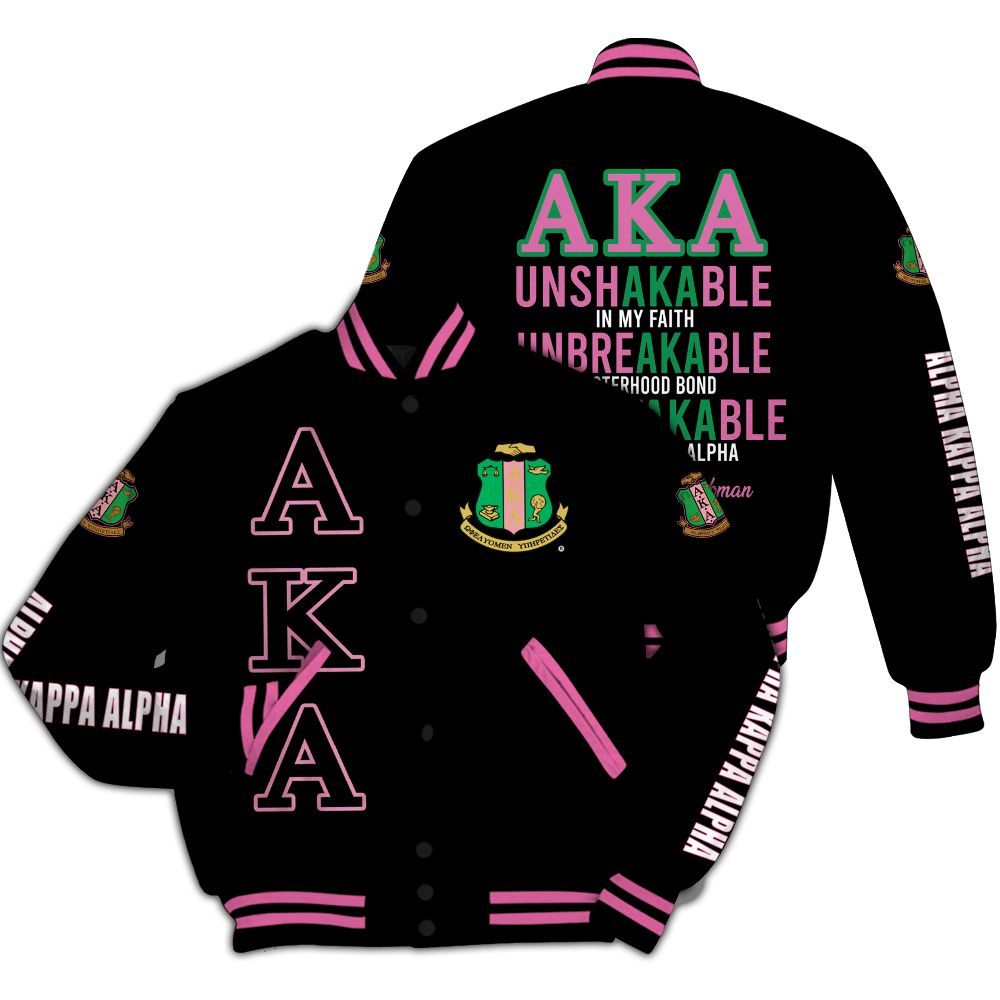
The most widely documented origin of strolling as a Black Greek tradition is Alpha Kappa Alpha Sorority, whose original stroll is traced to the 1920s. AKA is credited with introducing formalized synchronized movement into the organizational life of what became the National Pan-Hellenic Council. From that starting point, the tradition spread across the other Divine Nine organizations, each developing its own version in the decades that followed, with distinct songs, choreography, and movement vocabularies tied to each organization’s history and character.
The call-and-response structure woven into strolling draws on another source: the hymnal recitation traditions of Black church services. The pattern of a leader initiating a phrase and a group answering in kind was a fundamental structure in African American worship well before it appeared in Greek life. When strolling incorporated that pattern into chants and coordinated movement, it was drawing on something already embedded in Black communal experience and already understood by the students who brought it into their organizations.
The tradition was also shaped by the new member experience. Before probates became the standard public format for presenting a new class of members, the procession associated with bringing in a new line was known as the Death March. Members of the incoming class would march around campus in formation, chanting and stepping, in a display that was at once a celebration and an initiation into the physical vocabulary of the organization. The Death March is one of the oldest forms of strolling in Black Greek life, and its structure directly informs how probates are organized today.
What Each Organization’s Stroll Carries
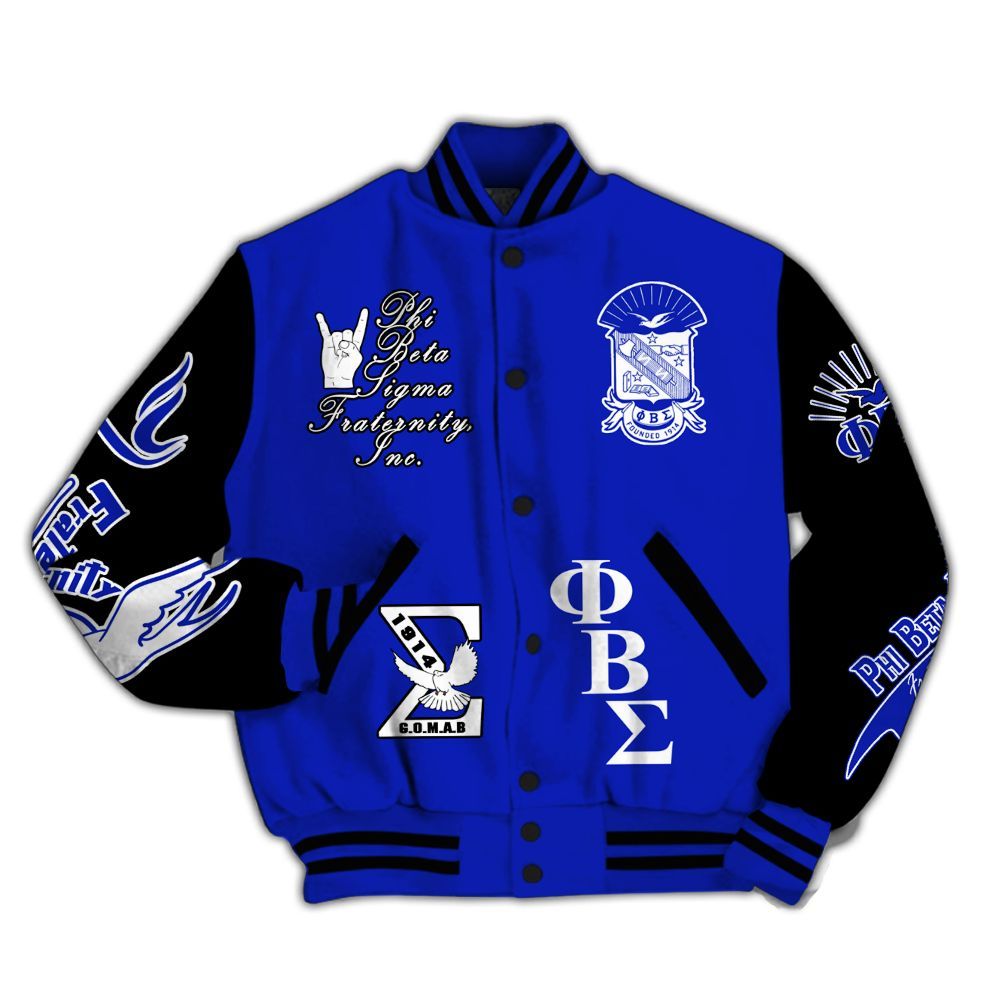
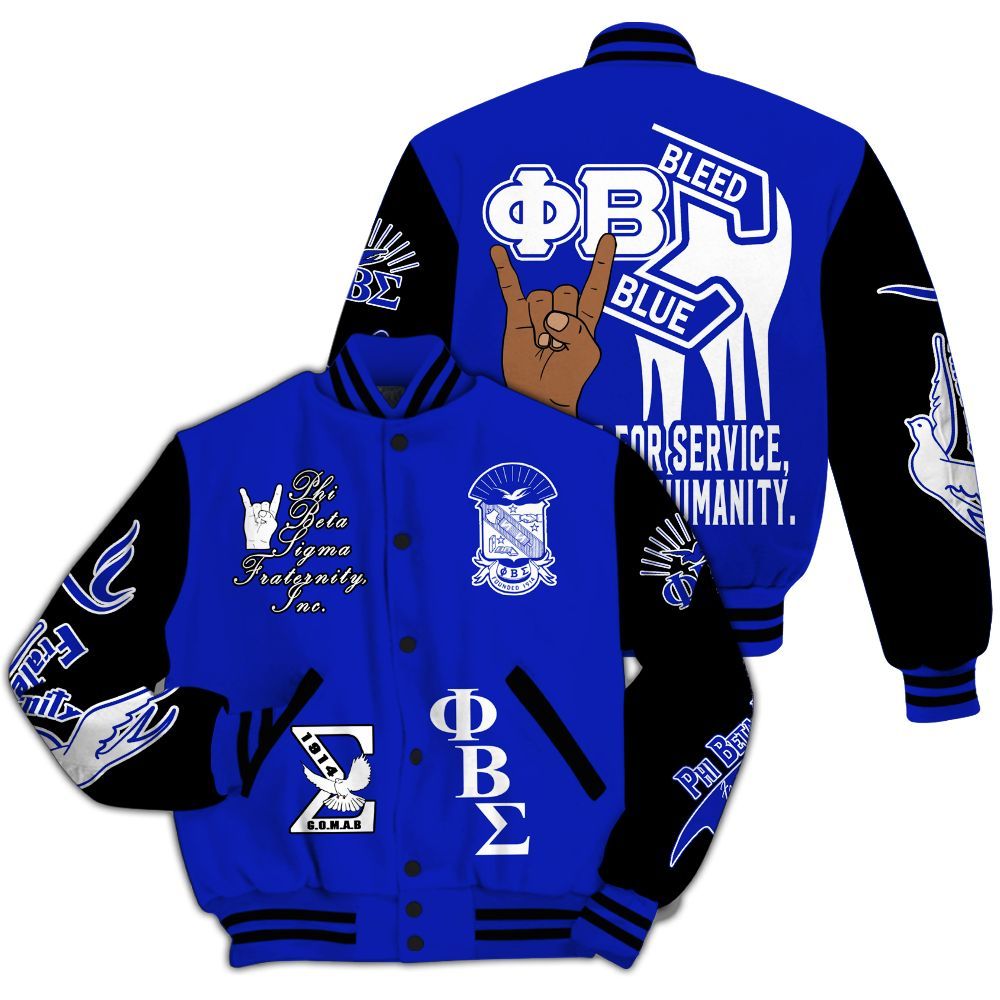
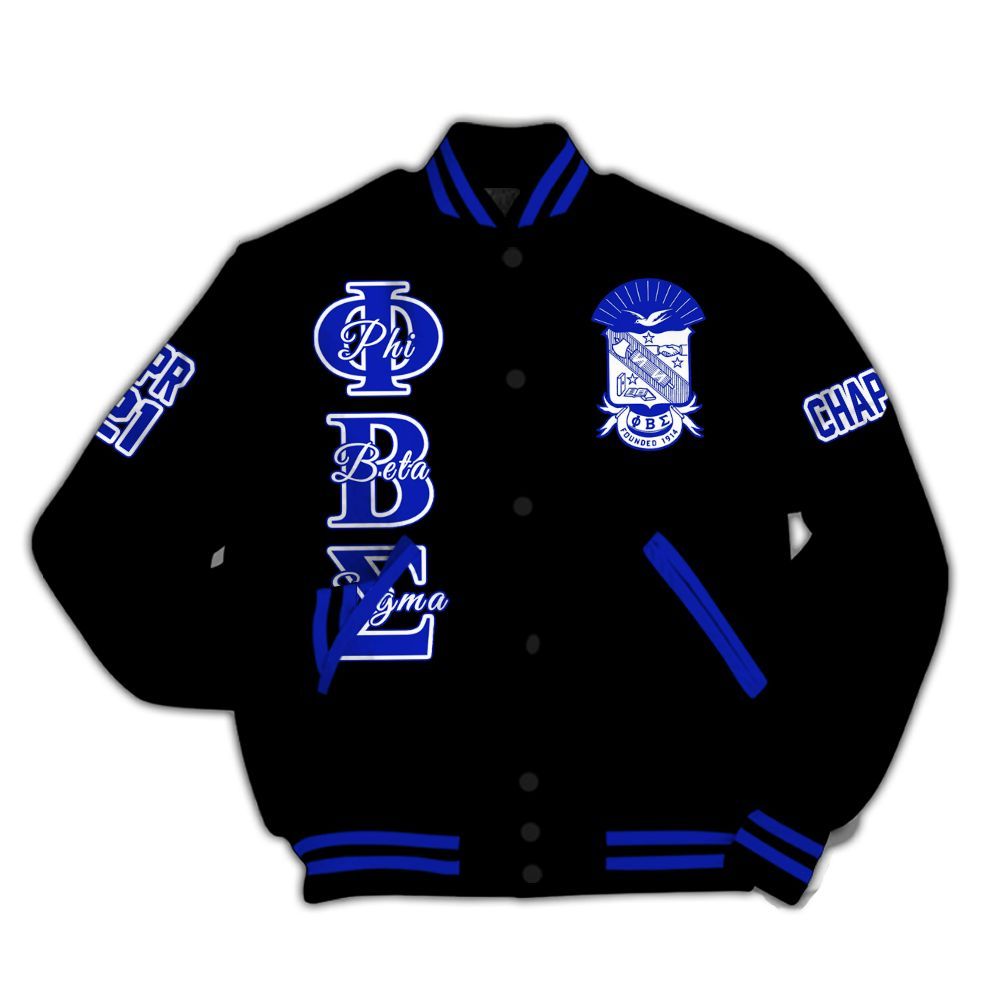
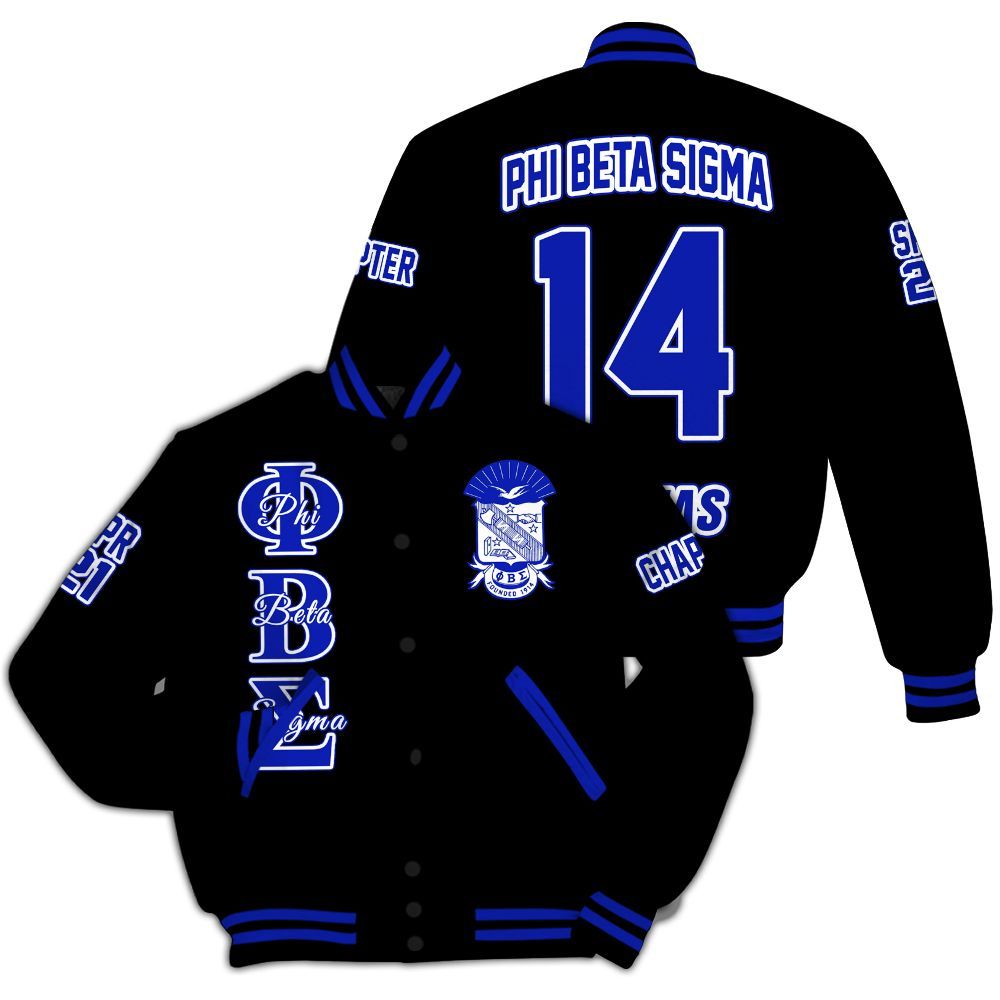
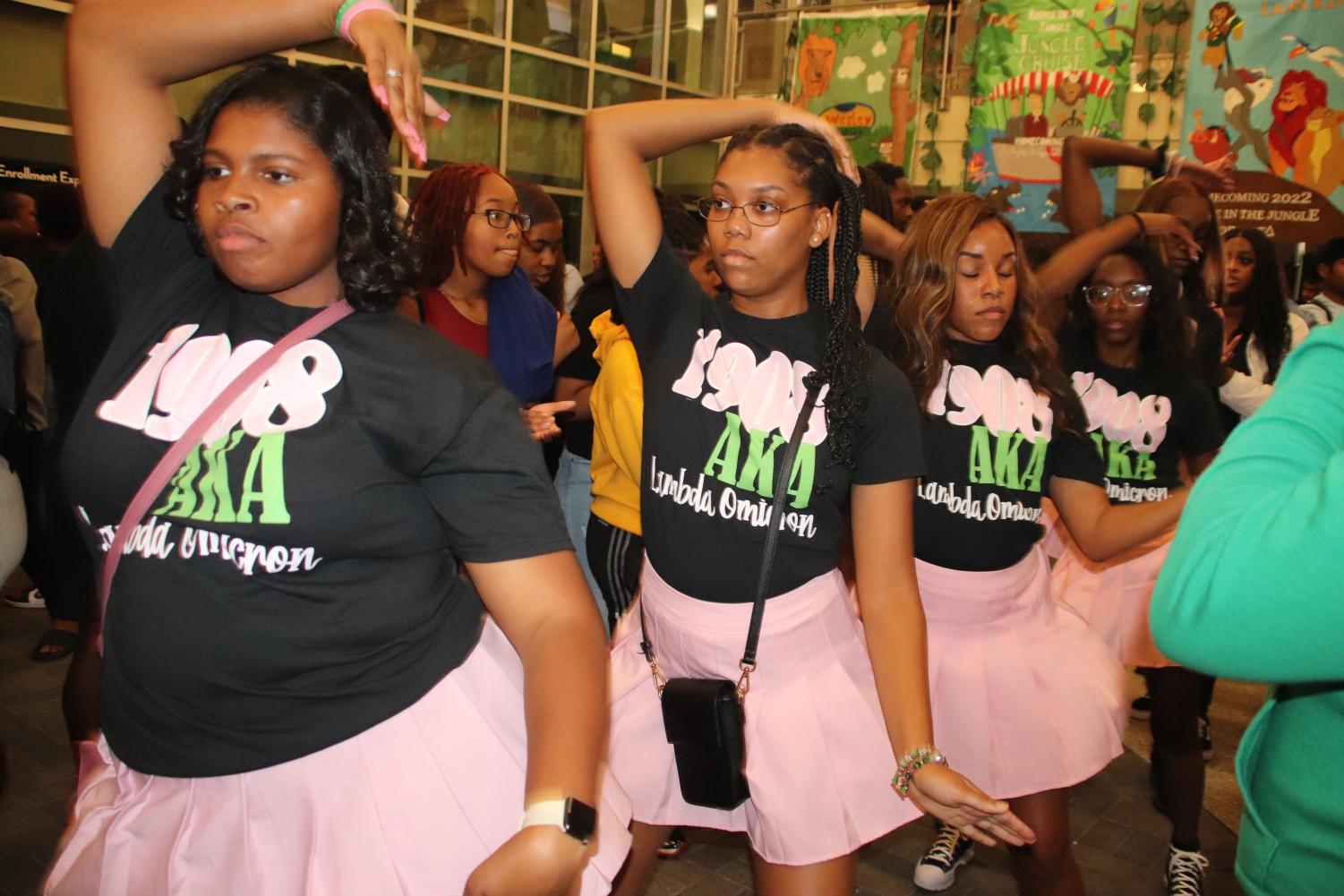
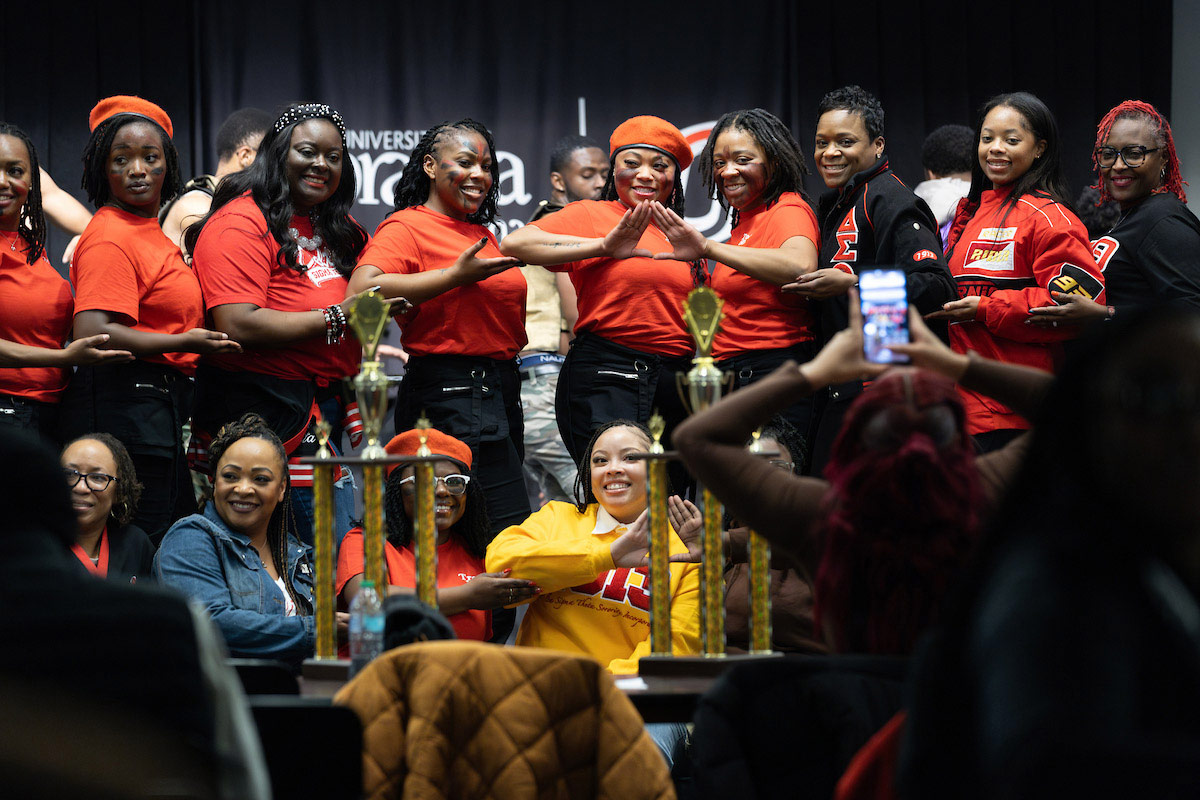
Every Divine Nine organization has its own strolls, and within those strolls are specific movements, gestures, and sequences tied to that organization’s history, principles, and values. Phi Beta Sigma has the Sigma Walk, a signature movement so associated with the fraternity that even chapters that perform it differently are immediately recognizable within the NPHC community. Alpha Kappa Alpha’s strolls are performed in pink and green, carrying the sorority’s visual identity into every movement. Omega Psi Phi’s strolls reference the fraternity’s cardinal principles, not just through chants but through the choreography itself, with movements that specific chapters tie to specific tenets of the creed.
The deeper meanings embedded in individual strolls are not typically shared publicly. Within the organizations, the symbolism of specific movements is understood by members and not offered for outside interpretation. That privacy is part of what gives the strolls their weight. The choreography means something because it belongs to the members who earned the right to perform it, and keeping that meaning inside the community is a deliberate choice that the organizations maintain consciously across generations.
Each stroll is specific to its organization and is not meant to be performed by members of other organizations. The respect for organizational boundaries in strolling reflects the same respect for organizational identity that runs through every part of NPHC culture. Performing another organization’s stroll, or incorporating movements that belong to a rival organization’s tradition, is considered disrespectful and is taken seriously within the community that watches these performances.
Learning a Stroll and Passing It Forward
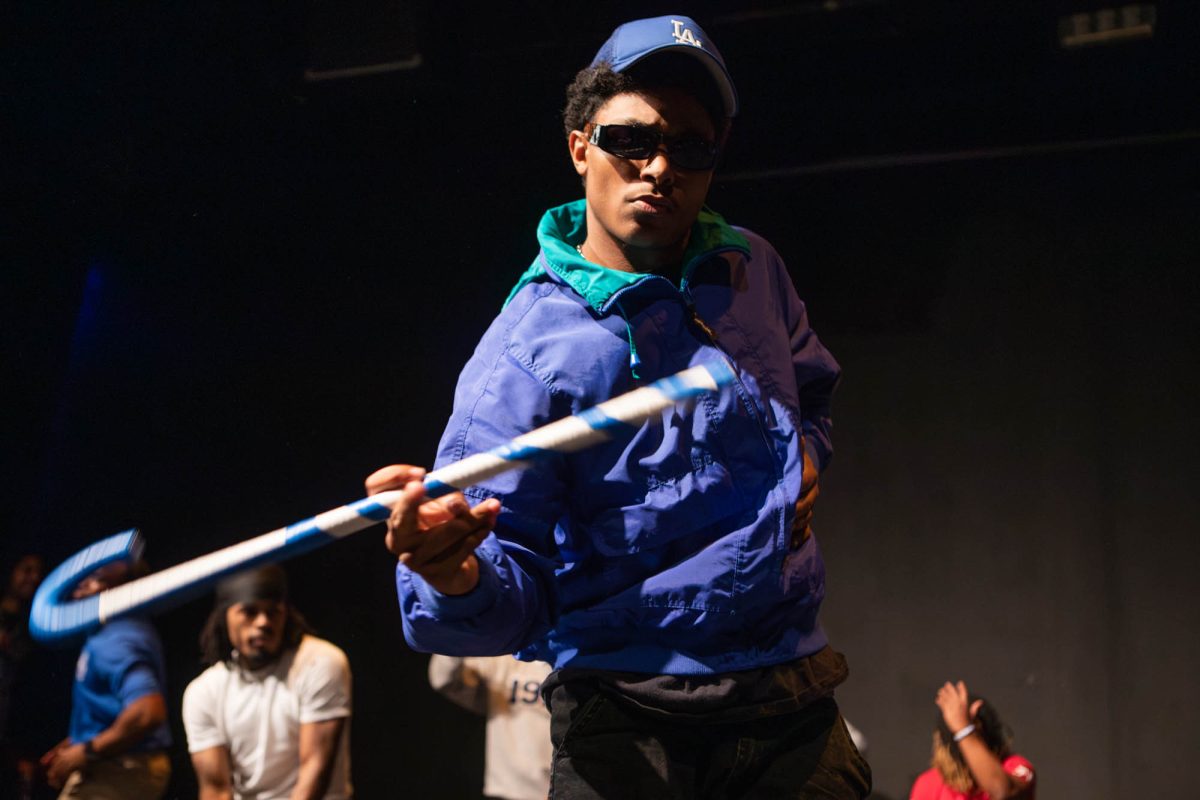
The way strolls move from one generation of members to the next varies by chapter and organization. In some chapters, prophytes, the older members, teach their strolls directly to neophytes, the newer members, in the period following intake. Strolls that a chapter has performed for decades are passed down the same way the chapter passes down its songs, chants, and organizational history. In other chapters, the song and dance chair coordinates sessions where new strolls are taught, with the chapter president and co-chairs running rehearsals for the membership as a group.
Some strolls have been in circulation within a single chapter for thirty or forty years. Performing one of those is a way of connecting to every member who stood in that line before, an act that carries its own form of organizational memory. The genealogy of the stroll, which class brought it in, which older member taught it, and what moment in the chapter’s life it came from, often travels alongside the choreography as part of the lore that makes the stroll meaningful rather than simply functional.
New strolls are also created. Members add to the repertoire in response to moments in the organization’s life, to songs that carry the right energy, or to political and social contexts that demand expression. Strolls tied to voting initiatives, civil rights milestones, and collective reckonings have entered chapter repertoires over the decades. That capacity to absorb new material while maintaining the older traditions is one of the reasons strolling has remained a living practice rather than a preserved artifact across more than a hundred years of Black Greek life.
Strolling as Resistance and Communal Expression
The nine organizations of the NPHC were all founded in response to the same historical condition: the exclusion of Black students from the fraternities and sororities that dominated American campus life in the early twentieth century. The history of Black fraternities and sororities in America carries that founding context forward, and the traditions those organizations developed reflect it at every level. Strolling is not separate from that history. It is one of the most visible expressions of it.
When strolling first appeared in Black Greek life in the 1920s, it was a way for organizations to show pride and assert presence in campus environments that were, in many cases, actively hostile to Black students. Moving through a space in formation, in your organization’s colors, performing choreography that carries your organization’s history in it, was a declaration. It still is. For members of the NPHC, the act of strolling is a public statement of belonging to something that was built specifically for communities that were told they did not belong.
The political dimension of strolling has not diminished over time. Members have incorporated movements and chants that speak directly to contemporary issues of racial justice, voter suppression, and community advocacy, making strolling one of the ways NPHC organizations carry their civic mission into their cultural life. Service, scholarship, and strolling are not separate compartments in these organizations. They are different expressions of the same commitments, all built on the same foundation.
Social Media, Visibility, and the Integrity of the Tradition
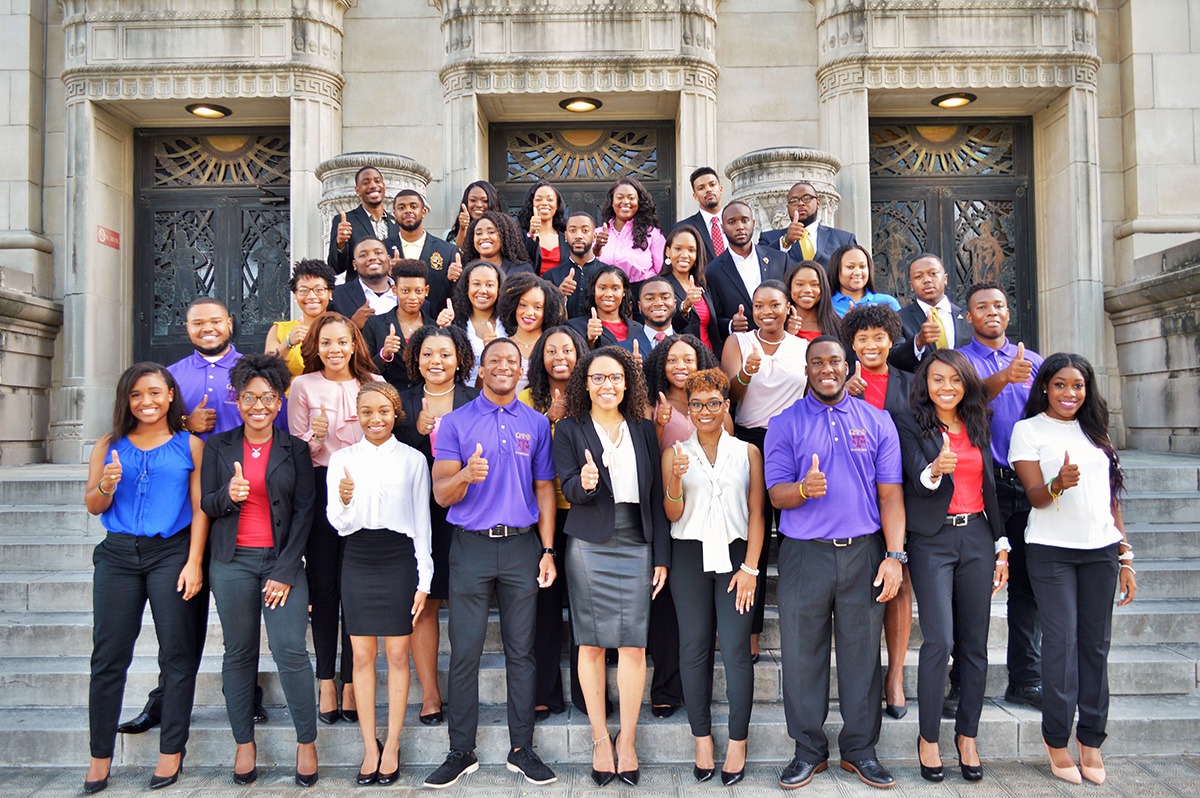
The presence of strolling on social media platforms has extended the audience for these performances far beyond any campus or homecoming event. Videos of D9 chapters strolling circulate widely, reaching viewers who have no connection to Black Greek life and no framework for what they are watching. For members, this visibility is complicated. It brings genuine attention to the tradition and can generate admiration from communities outside the NPHC. It also creates conditions for misrepresentation and for the kind of surface-level engagement that strips a practice of its meaning.
The concern is not principally about who watches. It is about who performs. Strolling within NPHC organizations carries decades of organizational history and meaning that cannot be separated from the choreography. Recreating the movements outside the organizational context, or performing another chapter’s stroll without having been initiated into the organization that owns it, treats the form as detachable from its significance. Members who speak on this issue draw a consistent line: watch, appreciate, share, but do not attempt to perform what belongs to a tradition you have not been initiated into.
The organizations themselves carry the responsibility for protecting the tradition by maintaining it correctly. That means teaching new members not just the choreography but the history behind it, passing down the strolls that have been in circulation for generations alongside the organizational culture that gives those strolls their significance. A stroll learned only as a dance and not as a piece of living organizational history is something different from what it was meant to be, and the distinction matters to the people for whom strolling has always been more than a performance.
Frequently Asked Questions
Why do Black fraternities and sororities stroll?
Strolling is a tradition rooted in African cultural expression and the founding history of the NPHC organizations. It functions as a form of collective identity, connecting members to each other, to their organizational history, and to a practice that stretches back to the 1920s. Members stroll at parties, probates, and campus events as a public expression of organizational pride and as a continuation of a tradition that was built to assert presence in spaces where Black students were historically excluded.
Can non-members perform D9 strolls?
No. The strolls belonging to each Divine Nine organization are considered specific to that organization’s members and are not intended to be performed by people outside the organization. The movements carry organizational history and meaning that cannot be separated from the practice. Members across the NPHC have been consistent in asking that people who are not initiated into an organization not attempt to recreate its strolls, even when they have seen those strolls performed publicly or online.
What is the difference between stepping and strolling?
Stepping is a percussive art form in which performers generate complex rhythms using their bodies, typically on a stage or in a designated performance space, before an audience watching from outside the performance. Strolling is a social tradition performed in a line through a shared space, set to existing music, with an emphasis on synchronized movement and organizational identity rather than percussive sound. Stepping is something you watch; strolling is something members do together in a space they share with non-members.
How does a chapter decide which strolls to perform?
Each chapter maintains a repertoire that combines strolls passed down from older members and newer strolls added by current classes. The chapter president, song and dance chair, and co-chairs typically oversee the learning of new material, while traditional strolls are taught by prophytes directly to neophytes. The song associated with a stroll matters, and chapters often build their repertoire around songs that carry the right energy for the organization’s identity and for the type of event where the stroll will be performed.
What the Line Carries Forward
Strolling began as one sorority’s synchronized walk across a campus in the 1920s and has traveled through a hundred years of Black Greek life without losing the original logic that made it meaningful. The line formation, the stroll master at the front, the organizational songs and choreography, the commitment to not breaking what holds the members together, all of it still carries the same purpose it did when Alpha Kappa Alpha first brought it into Black Greek culture. It is a tradition built for people who were told they did not belong, used to insist on belonging, and passed down because that insistence has never become unnecessary.
For anyone watching a D9 chapter stroll at a homecoming party or a campus gathering, what they are seeing is the visible tip of something much larger: a practice that is organizational history, cultural memory, and community declaration all at once. The choreography is the part you can see. What carries it is everything the organizations built over more than a century, and everything they have continued to build since.