
What Is Stepping in Greek Life: A Complete History and Guide

Stepping is one of the most recognizable and least explained traditions in Black Greek life. At step shows, audiences watch teams of fraternity or sorority members move in tight formation, stomping feet, clapping hands, slapping bodies, and chanting in patterns so layered they can feel like music. But stepping is not a choreographed dance act put together for an event. It is a tradition with a history that stretches back centuries, a practice that carries the cultural weight of communities that were denied easier forms of expression, and a discipline that requires as much rehearsal as any competitive sport.
This guide covers what stepping actually is, where it came from, how it developed within the Divine Nine organizations, and what it looks like today on campus and on professional stages around the world.
The Body as the Instrument
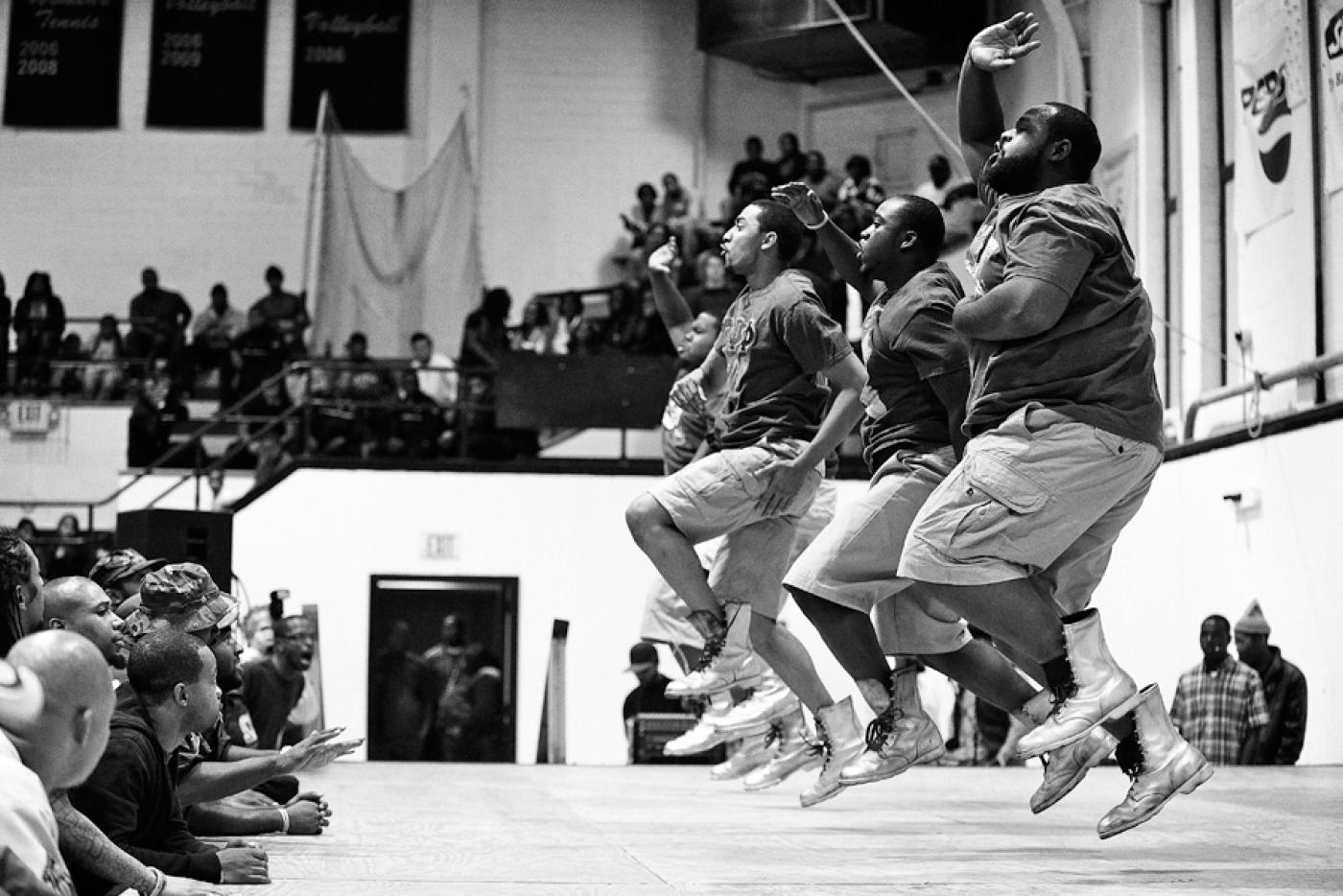
Stepping is a percussive art form in which the performer’s body produces complex, layered rhythms. Footsteps, stomps, claps, body slaps, and spoken word combine to create what musicians would call polyrhythm: multiple rhythm patterns running simultaneously, performed in precise synchronization by a group. The speed can shift from slow and deliberate sequences to rapid patterns that look and sound almost mechanical, and the tightest step teams make the gap between individual beats nearly imperceptible.
Unlike most dance forms, stepping does not prioritize visual beauty or expressive movement as its primary goal. Sound is central. A good step routine is something you hear as much as watch. The clap of a hand against a thigh or the flat of a shoe hitting a gymnasium floor carries the same intentionality as a snare hit in a drum line. That is not accidental. The connection between stepping and percussion has roots that go back far beyond any Greek organization.
Stepping also incorporates call and response, a pattern where a leader initiates a phrase of movement or vocalization and the group answers in kind. This structure appears across African and African American music traditions, from work songs to gospel to hip-hop, and its presence in stepping ties the art form to a much longer lineage of collective expression. Props appear in some performances: canes, rhythm sticks, blindfolds, and in some theatrical productions, fire.
Before the Fraternities: The Older Story of Percussive Dance
The history of stepping does not begin in a campus gymnasium. It begins with enslaved people in the American South who used drumming to communicate, to maintain cultural memory, and to organize.
In the 1700s, enslaved people played drums as a form of connection that white overseers could not easily interpret. The 1739 Stono Rebellion in South Carolina changed what was permitted. In that uprising, roughly twenty enslaved people marched through the streets near the Stono River beating drums as they went, drawing more participants as the sound spread. The rebellion was suppressed violently, and in its aftermath, colonial lawmakers banned drumming and the ownership of drums, cutting off one of the primary channels through which enslaved communities communicated and maintained African traditions.
What followed was an adaptation. The percussive impulse did not disappear. It moved into the body. Enslaved people developed forms of percussive movement that could not be confiscated, and those forms became part of the broader tradition of African American expressive culture, visible in the ring shout, in the rhythmic stomping of spiritual gatherings, and in the close-order drilling styles adopted by African American military units after the Civil War. Stepping draws directly from all of these. The parallel with South African gumboot dance, another form in which the body serves as a percussion instrument developed in response to cultural suppression, is not coincidental. Both are expressions of the same diaspora-wide practice of keeping rhythm alive when its official instruments were taken away.
How Stepping Became a Tradition of the Greek Organizations
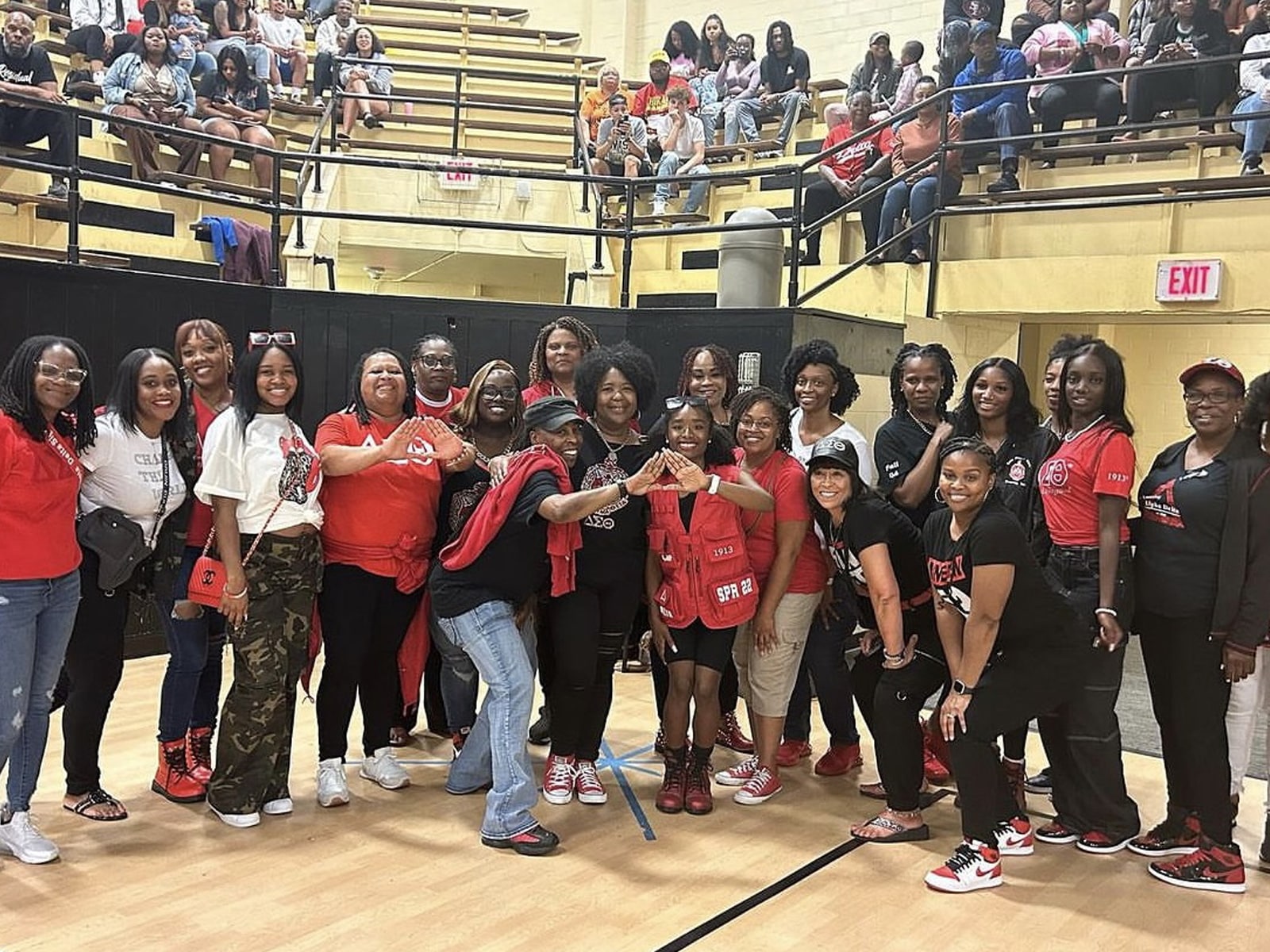
When African American fraternities and sororities began forming in the early twentieth century, they brought with them the cultural forms already alive in Black campus communities. The history of Black fraternities and sororities traces to a period when Black students were excluded from white Greek organizations and built their own, founding institutions rooted in scholarship, service, and community. The performing traditions those students carried to campus eventually became stepping.
Early performances in these organizations were called Greek Sings. Members would gather and perform songs and chants associated with their organization, often walking in circles and clapping in time. The sororities maintained this singing tradition through the early 1980s, and many of those traditional songs are still performed today. The fraternities, over the decades, began adding movement, incorporating military-style drill formations drawn from close-order and exhibition drill that had shaped how African American military units marched and performed. Some Alpha Phi Alpha routines, for instance, structure the entire performance as a call and response between a leader acting as a drill sergeant and the rest of the group as cadets, with the whole sequence modeled directly on a marching chant.
The synchronized precision of drill, combined with the rhythmic traditions already embedded in Black cultural life, and drawing as well from the stage movements of popular R&B groups of the mid-century, gradually produced what we now recognize as stepping. The first official Greek Show, the term that replaced Greek Sings as performances grew more structured and competitive, was held at Howard University in 1976. That event marks the moment stepping moved from an informal campus practice into an organized public form with its own audiences and its own competitive logic.
What a Step Show Looks Like
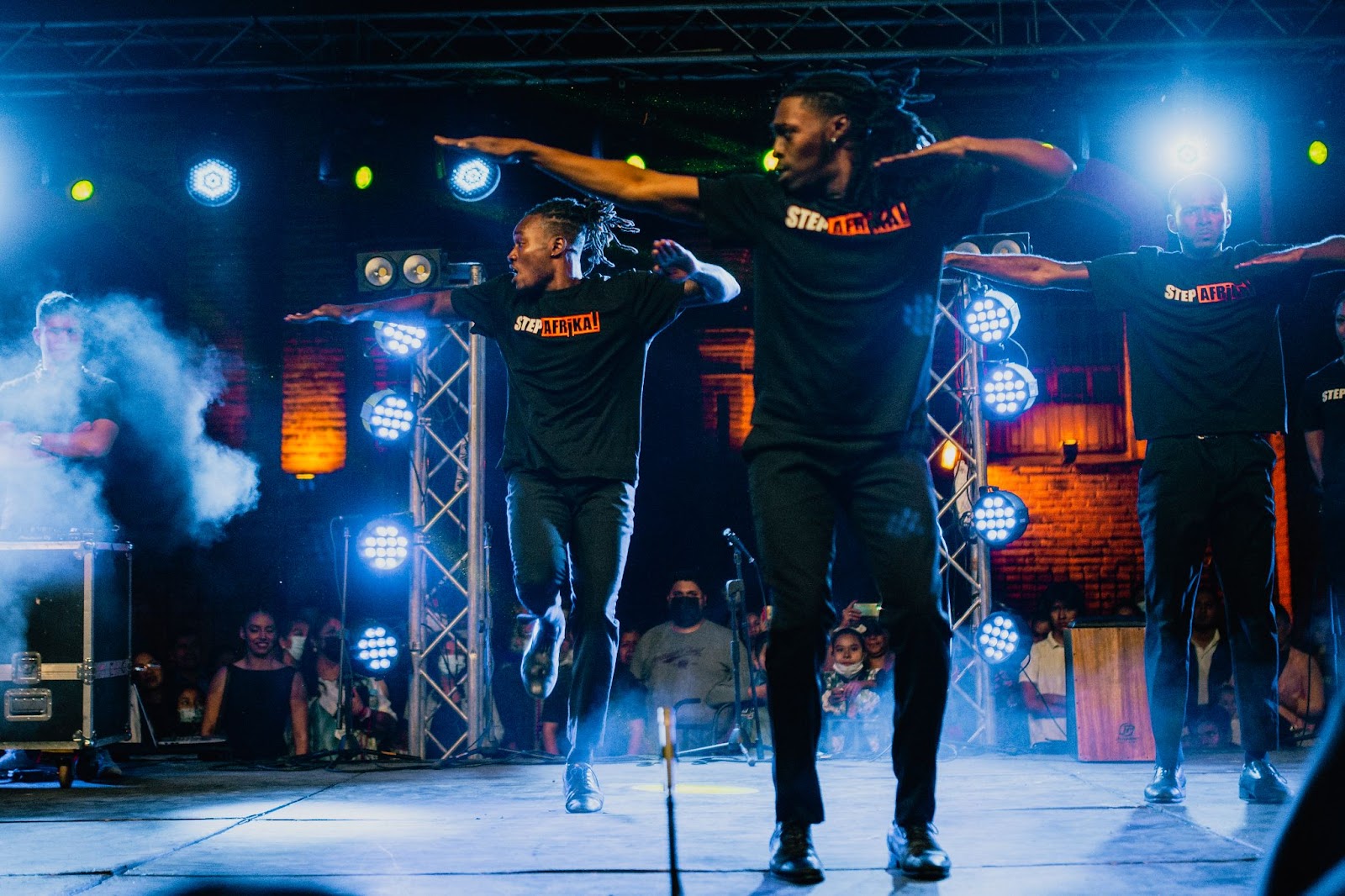
A step show is a structured performance event in which multiple NPHC chapters perform in sequence, each presenting a step routine that has been rehearsed over weeks or months. The format varies by occasion. Competitive step shows have judges who score teams on criteria that typically include rhythmic precision, synchronization, difficulty and originality of moves, crowd engagement, and the overall cohesion of the performance. Exhibition step shows are non-competitive, organized to showcase chapters at community events, fundraisers, or cultural festivals.
At HBCUs, the most prominent context for step shows is homecoming week, where the step show is often the most anticipated event, filling auditoriums that hold thousands and drawing alumni who return specifically for the occasion. The Greek-heavy homecoming culture at HBCUs means that stepping has the kind of institutional visibility it rarely achieves at predominantly white institutions, where chapters are smaller and events draw more modest crowds.
Step routines are not improvised. Each one is built around a concept or theme, often connected to the chapter’s history or organizational values, and the construction of the routine from the theme through the music, the chants, and the movement sequencing is treated as a creative and technical discipline. The performers typically wear matching outfits in their organization’s colors, and some routines incorporate props. Kappa Alpha Psi members have incorporated canes into their performances since the 1950s. More theatrical productions use blindfolds or fire to raise the visual stakes of a performance.
Signature Styles Across the Divine Nine
Each of the nine organizations has developed stepping traditions that are recognizable to anyone who has watched enough step shows. These signature elements are not simply stylistic preferences but are tied to the histories and identities of each organization, passed down through archives and oral tradition from one generation of members to the next.
Alpha Phi Alpha is known for military-precise formations and sharp, formal movements. “The Alpha Train,” in which members move in a locked, synchronized line, is a staple that chapters across the country have performed and adapted for decades. Omega Psi Phi has built a performance culture around high-energy hopping, known as the Q Hop, and vocal chants that reference the fraternity’s cardinal principles. Their performances tend toward intensity and volume, with crowd engagement as a primary feature. Kappa Alpha Psi is inseparable from cane stepping, with members twirling and striking canes in coordinated sequences that have evolved into intricate routines that treat the cane as both prop and instrument.
Delta Sigma Theta is known for powerful, unified stepping with an emphasis on sisterhood and theatrical elements drawn from the sorority’s civil rights history. Phi Beta Sigma is associated with “The Nut Cracker,” a signature move, and precision-based routines that blend smooth transitions with sharp percussive hits. Zeta Phi Beta incorporates dove imagery and call-and-response chanting. Sigma Gamma Rho performs the Poodle Prance. Alpha Kappa Alpha is recognized for graceful movements and the sustained use of hand gestures. Iota Phi Theta leans into storytelling, reflecting its identity as a fraternity founded by older, non-traditional students during the Civil Rights Movement.
Step Afrika and the Competitive Scene Beyond Campus
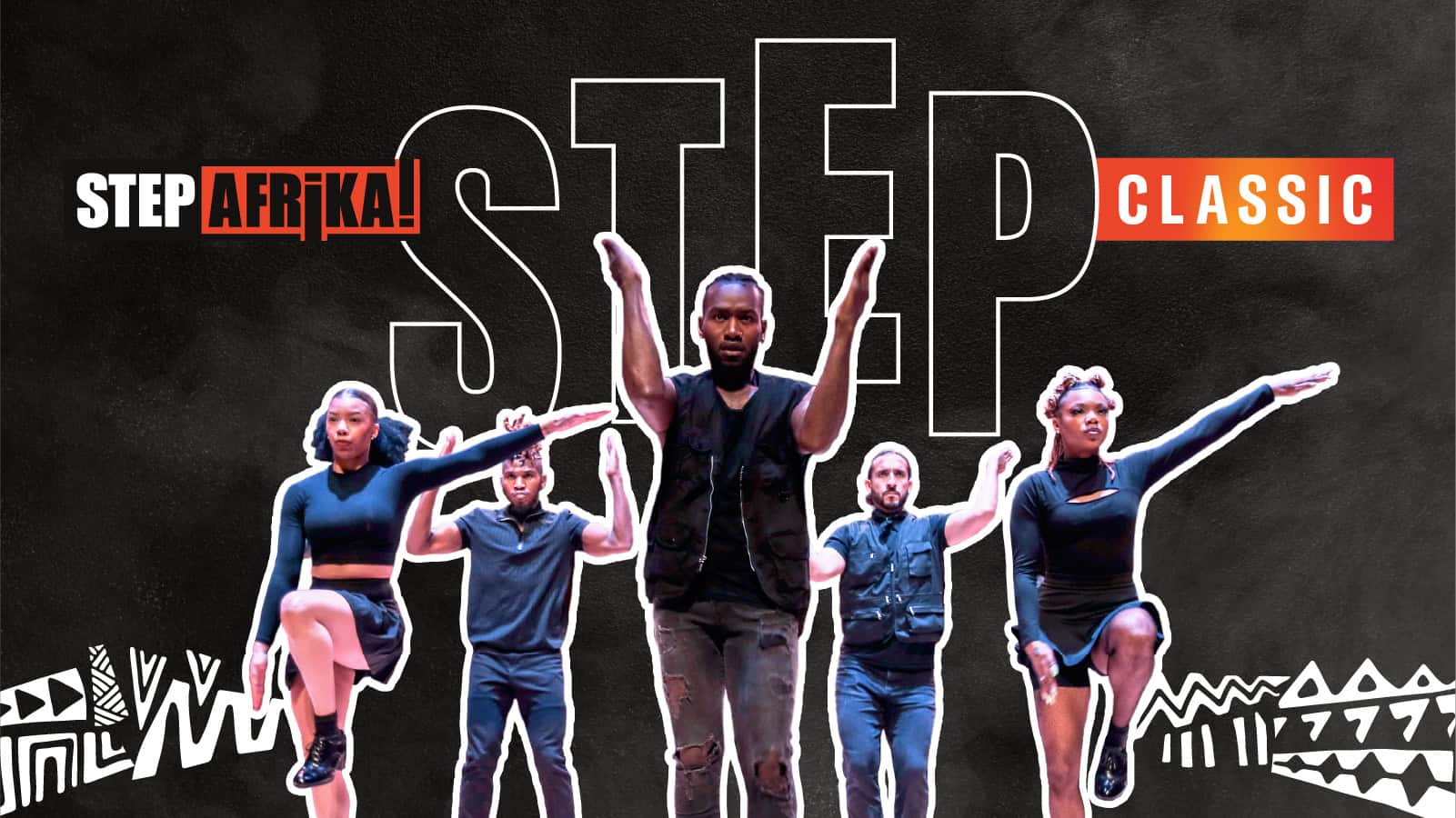
Stepping left the college campus and entered professional performance through Step Afrika!, the first professional company dedicated to the tradition. The company expands what stepping can do as an art form by integrating it with live music, storytelling, and technology in productions that treat the form as seriously as any concert or theater company would treat its own material. Step Afrika! has brought stepping to audiences in all fifty states and more than sixty countries, collaborating with artists and communities on a scale that no single Greek chapter could reach.
The competitive scene also developed its own national infrastructure. S.T.O.M.P., the first nationally syndicated stepping contest, aired from 1992 to 1996 and introduced step show competition to television audiences outside the NPHC community for the first time. The World of Step International Competition has since expanded stepping’s competitive reach globally, with participants from the United States, Spain, Peru, Senegal, Korea, Kenya, Canada, Belgium, Italy, and Ireland.
Stepping has spread well beyond its origins in Black Greek life. Latino Greek organizations have incorporated stepping alongside salsa, merengue, and bachata influences, creating hybrid forms that reflect their own cultural contexts. White, multicultural, and Asian Greek organizations have adopted stepping as well. High school step teams, church groups, and youth organizations across the country now compete in step shows that have no direct connection to the NPHC. Films including School Daze (1988) and Stomp the Yard (2007) introduced stepping to mainstream audiences, and social media has extended that reach further still, circulating performances to viewers who have never attended a step show in person.
What Stepping Carries Inside the Organizations
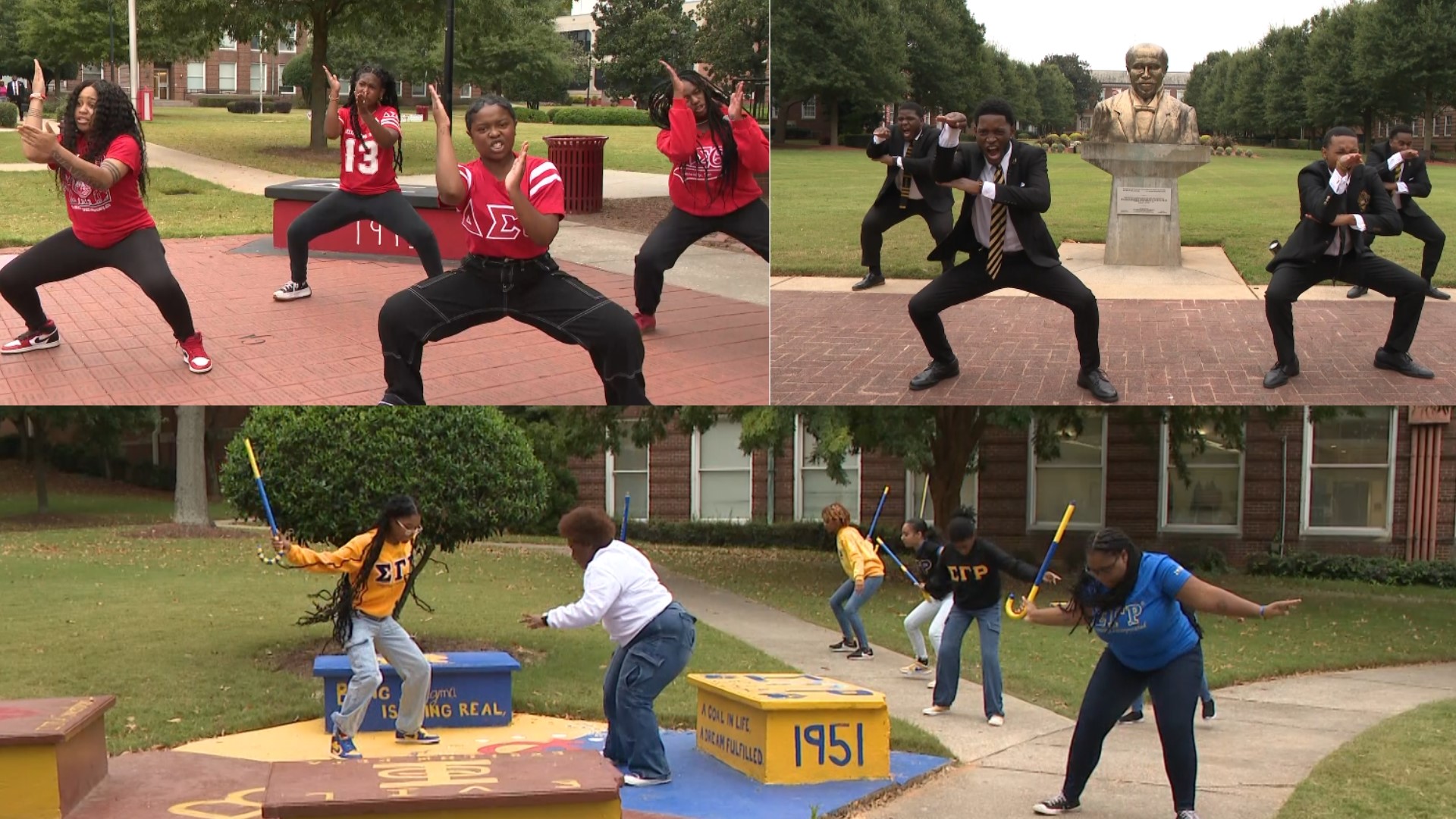
For members of NPHC organizations, stepping is not principally a public performance. It is an internal practice before it is ever a show. Learning to step is part of becoming a member in ways that intake standards and service commitments do not capture. The discipline required to synchronize with brothers or sisters, the hours of rehearsal that make a routine feel inevitable rather than practiced, and the shared knowledge of a chapter’s particular steps and chants are all forms of belonging that get passed from one generation of members to the next.
The most durable step routines in each organization have been archived and handed down the same way chapters pass down songs and organizational history. Performing a step that the chapter has performed for thirty years is a way of connecting to every member who performed it before. Many of the songs used in step routines are still housed in each organization’s archives, and the chants specific to each organization function as a form of living institutional memory made physical in performance.
Stepping has also served as a platform for advocacy. Organizations have used step routines to address voter suppression, racial violence, and social injustice, embedding political messages into performances that reach audiences at campus events and homecoming shows. That use of stepping as public statement is continuous with the original function of percussive rhythm in African American communities: a way of saying things that needed to be heard in a language that could not be taken away.
Frequently Asked Questions
Is stepping considered a dance form?
Stepping shares elements with dance, particularly in its use of synchronized movement and musical structure, but practitioners and scholars typically treat it as its own distinct art form. The primary focus is on rhythm and sound produced by the body rather than on visual aesthetics or expressive movement in the way most dance traditions prioritize. Step Afrika!, the first professional company dedicated to stepping, describes it as a percussive art form rather than a dance style.
Can non-NPHC organizations step?
Yes. While stepping originated in and remains most closely associated with the Divine Nine organizations, it has been adopted by Latino Greek organizations, high school step teams, church groups, and multicultural fraternities and sororities. Most practitioners within the NPHC community view broader adoption as an extension of stepping’s cultural influence, provided the practice is approached with respect for its origins in Black Greek life.
What is the difference between a step show and a probate?
A step show is a dedicated performance event where one or more chapters present rehearsed routines, often in competition with other chapters. A probate is a new member presentation in which newly initiated members are publicly revealed and may perform for the first time. Stepping appears in both contexts, but the occasions are distinct. A probate is a milestone event tied to a specific intake cycle, while a step show is a standalone performance event that can happen at any point in the academic year.
What role does stepping play in Greek life beyond performance?
Stepping functions as a form of cultural memory and rites of passage within NPHC organizations. Learning a chapter’s step traditions is part of becoming a member, and performing those traditions at shows connects current members to the history of everyone who stepped before them. The most enduring routines are passed down through organizational archives, and chants specific to each organization function as living records of institutional identity.
Why Stepping Has Not Stayed Still
Stepping survived because it was never only one thing. It has been a form of communication when communication was restricted, a form of competition when campus culture demanded display, a form of cultural memory when organizations needed ways to carry history forward, and a form of advocacy when political moments required it. The percussive tradition that began when enslaved people found ways to keep rhythm alive after drums were taken away has moved through more than three centuries of American history and arrived at professional stages in sixty countries.
For anyone watching a step show for the first time, what lands hardest is usually the sound: the flat crack of synchronized stomps hitting a gymnasium floor, the precision of bodies moving as a single instrument. That sound is the point. It always has been.