
Divine Nine Brother and Sister Organizations: A Complete Relationship Guide

People talk about Divine Nine brother and sister organizations as if every fraternity has a paired sorority. The reality is narrower. the National Pan-Hellenic Council includes five fraternities and four sororities, but only one pair is bound to each other by constitution. The rest of the nine share traditions, founding campuses, and decades of common cause, which is its own kind of family, just not a legally recognized one.
This guide walks through what the brother and sister label actually means inside the Divine Nine, why Phi Beta Sigma and Zeta Phi Beta hold a status no other pair shares, how the other seven organizations connect, and where you will see those ties play out at step shows, founders days, and homecoming.
What “brother and sister organizations” means in the Divine Nine
The phrase has two readings. The strict reading is a constitutional partnership, where two organizations name each other in their governing documents and coordinate programming year after year. The looser reading is a cultural pairing, where members of one fraternity and one sorority share a founding campus, similar values, or a long history of joint service, but neither is legally bound to the other.
Inside the National Pan-Hellenic Council, the strict reading applies to exactly one pair. Every other connection between a fraternity and a sorority falls under the cultural reading. Members may call themselves brothers and sisters at any NPHC event, because the Divine Nine sees itself as one family of nine organizations under one council, but the constitutional tie is rare.
Phi Beta Sigma and Zeta Phi Beta: the only constitutionally linked pair
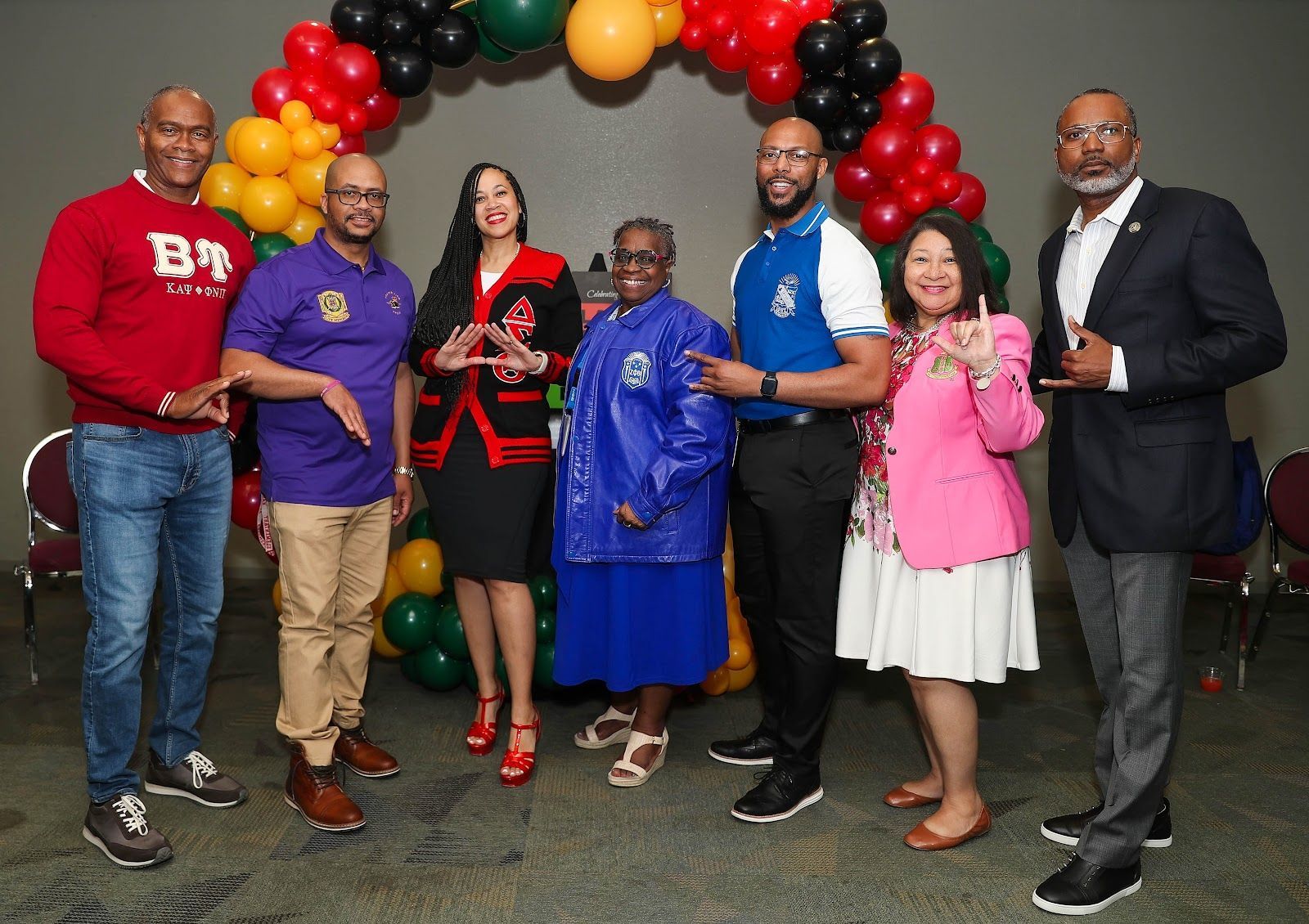
Zeta Phi Beta Sorority, Inc. was founded on January 16, 1920 at Howard University as a sister organization to Phi Beta Sigma Fraternity, Inc., which was itself founded at Howard six years earlier on January 9, 1914. That makes Zeta the first National Pan-Hellenic Council organization to be legally linked to a fraternity, a distinction it still holds today. The two share principles, joint programming, and the same Howard University origin point.
Phi Beta Sigma was founded to encourage brotherhood, scholarship, and service among young African American men, and its motto is “Culture for Service and Service for Humanity.” Zeta Phi Beta carries the motto “A Community-Conscious, Action-Oriented Organization.” Their joint history includes a few other firsts that flow from the partnership. Zeta was the first NPHC organization to charter a chapter in Africa, in 1948, and the first to form auxiliary groups. Phi Beta Sigma has the only Black Greek-letter member ever depicted on a United States coin, the inventor George Washington Carver.
Matching Sets for the Sigma and Zeta Pair
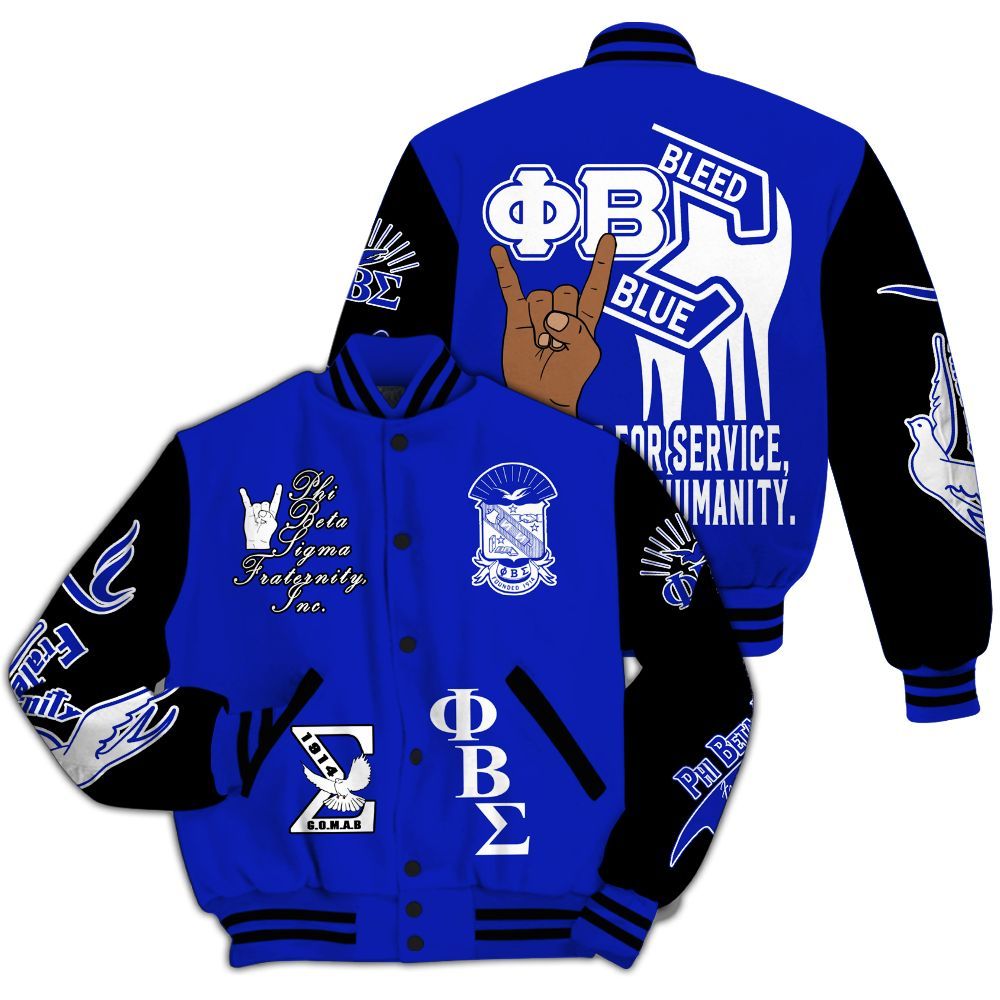
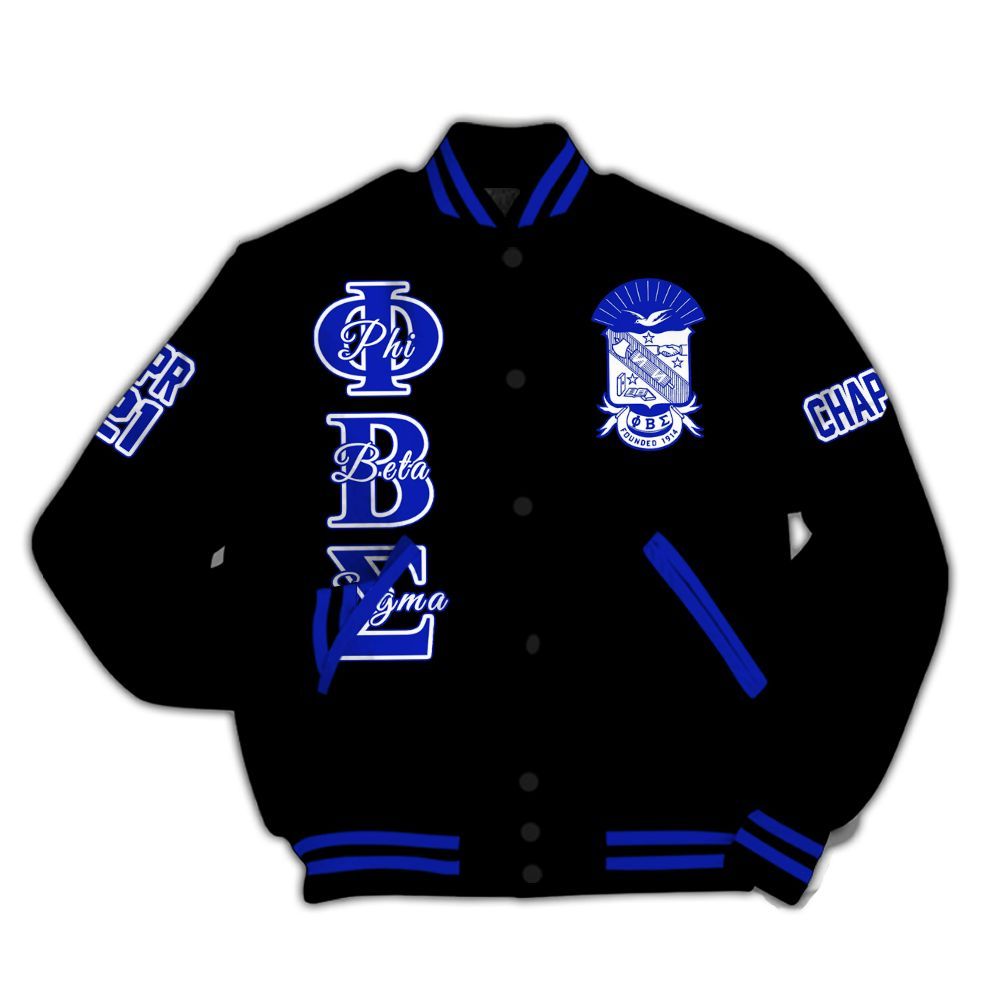
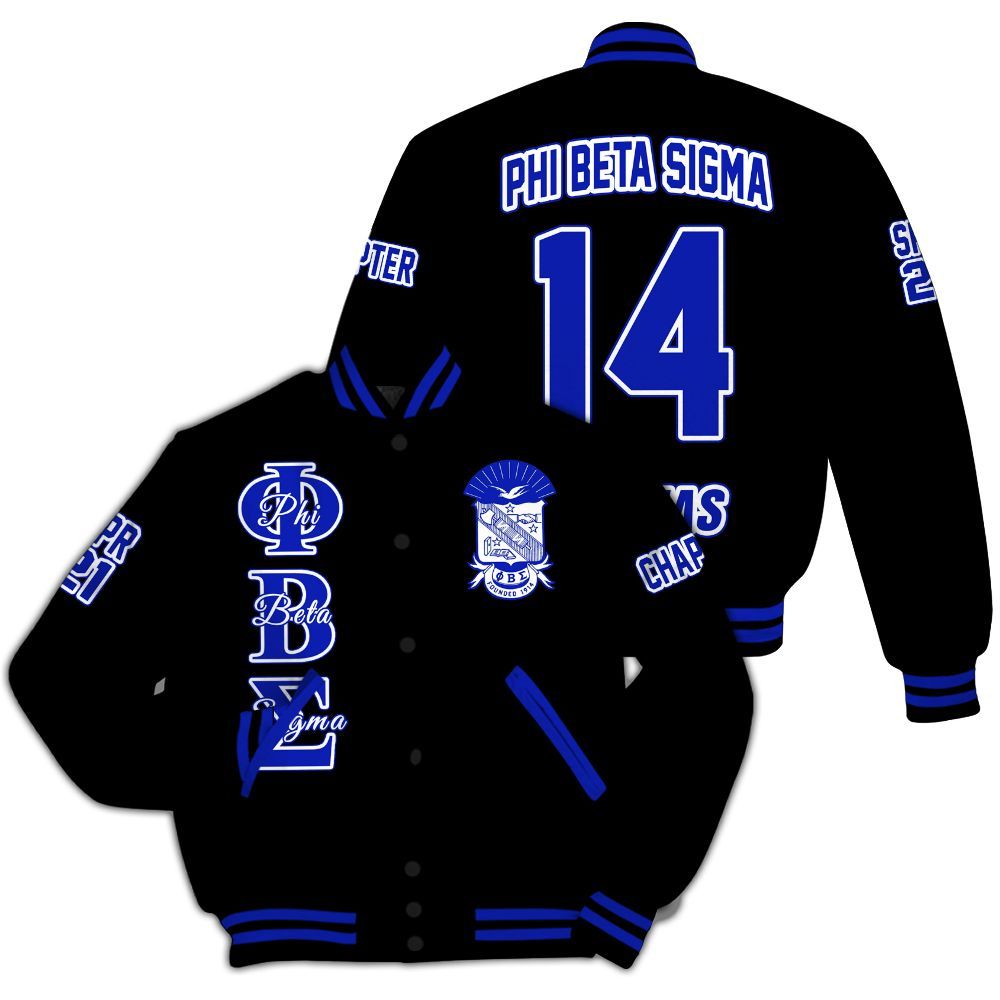
Because Phi Beta Sigma and Zeta Phi Beta are the only pair bound by constitution, their gear pairs just as naturally. Both lean on blue and white, Phi Beta Sigma in blue and white and Zeta Phi Beta in royal blue and white, so a coordinated set across the two reads as intentional rather than coincidental at a founders day or step show. You can shop Phi Beta Sigma apparel for the brothers and Zeta Phi Beta apparel for the sisters.
That bond shows up off the yard too — plenty of Sigma and Zeta pairs coordinate their gear, showing up to founders day in a matched blue-and-white set instead of two separate outfits that happen to share a color family.
Shop the Sigma and Zeta pair
Custom chapter gear in both organizations’ official colors.
 Phi Beta Sigma →
 Zeta Phi Beta →
Each Divine Nine fraternity and the sorority closest to it
The other eight organizations do not have a constitutional partner inside NPHC, but several have long-running cultural ties tied to the campus or city where they were founded, or to shared service themes. Below is each fraternity paired with the sorority it is most often associated with, with the caveat that none of these pairings have legal standing.
Alpha Phi Alpha and Alpha Kappa Alpha
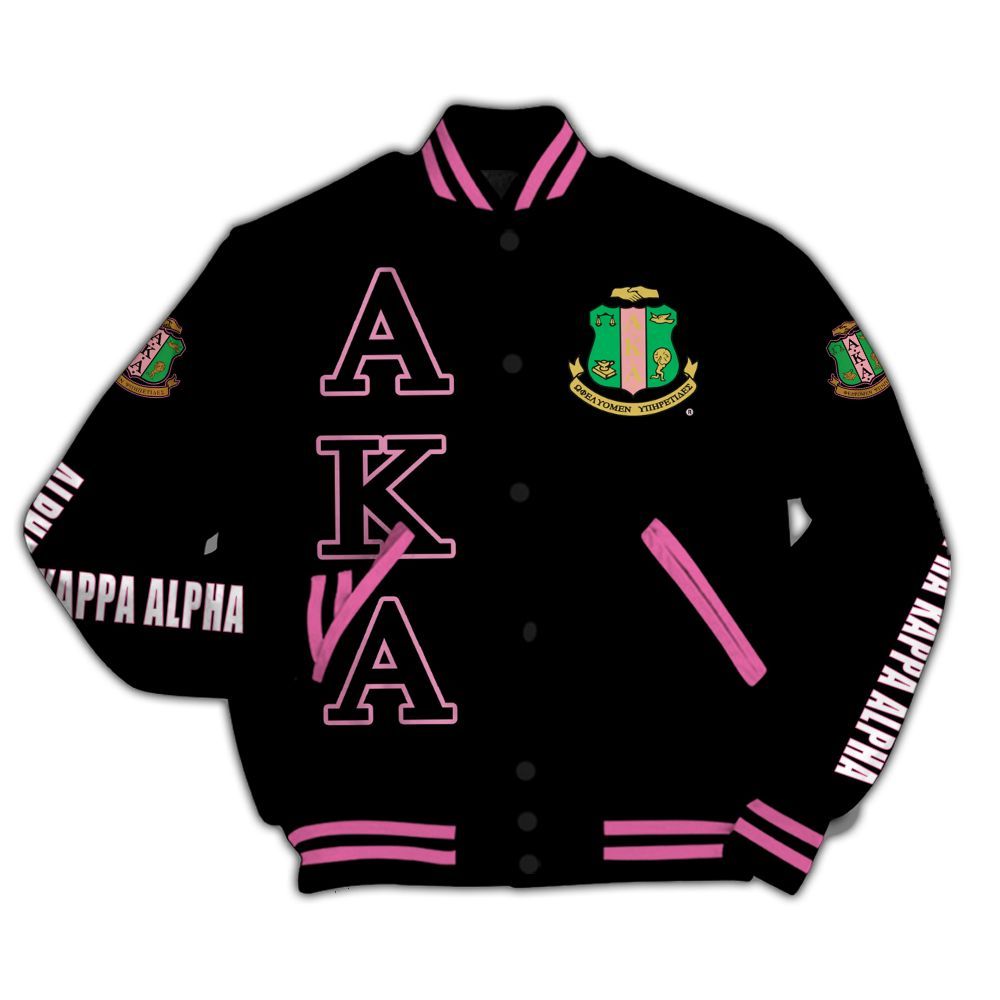
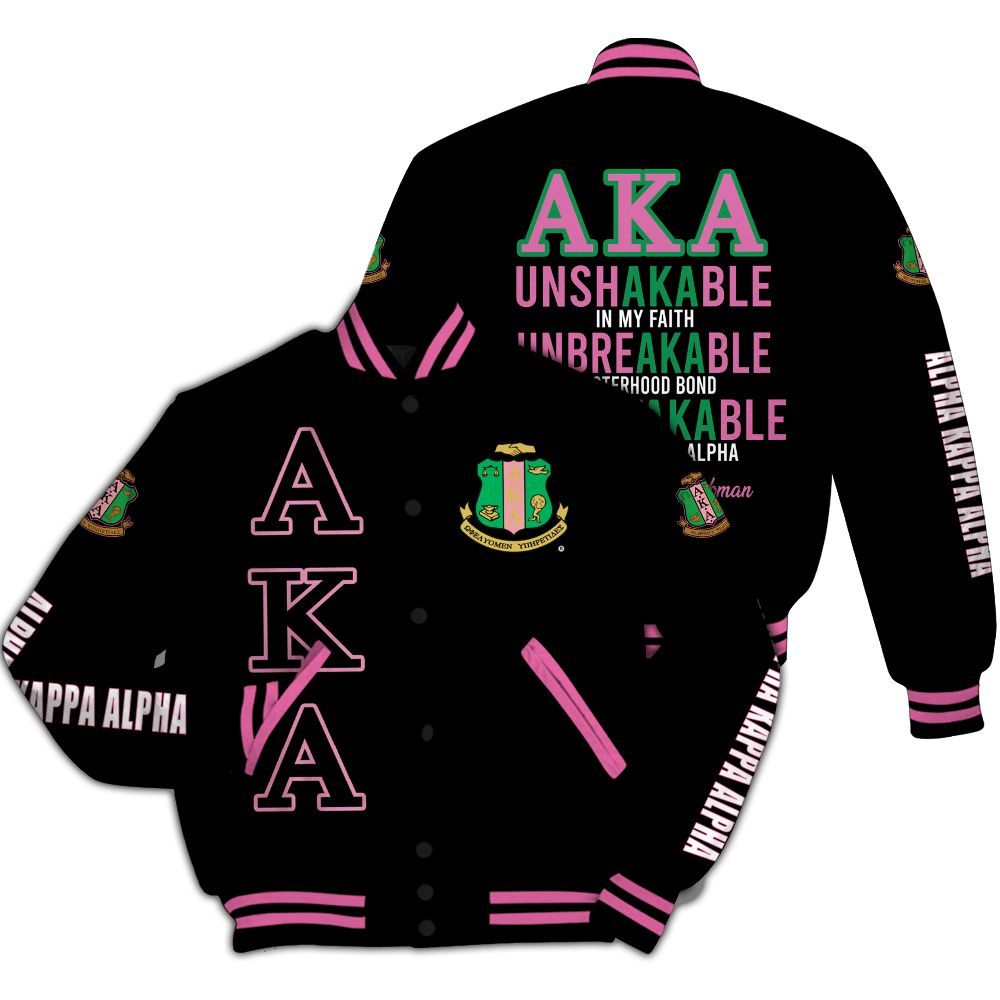
Alpha Phi Alpha Fraternity was founded December 4, 1906 at Cornell University, making it the oldest intercollegiate historically Black fraternity in the country. Alpha Kappa Alpha Sorority followed on January 15, 1908 at Howard University, the oldest Greek-letter organization established by college-educated Black women. The two are often paired in conversation as the first fraternity and first sorority of the Divine Nine, sharing the “Alpha” name and the foundational role each plays in their gender’s NPHC history. Both lean into education, mentoring, and civil rights work.
Kappa Alpha Psi and Delta Sigma Theta
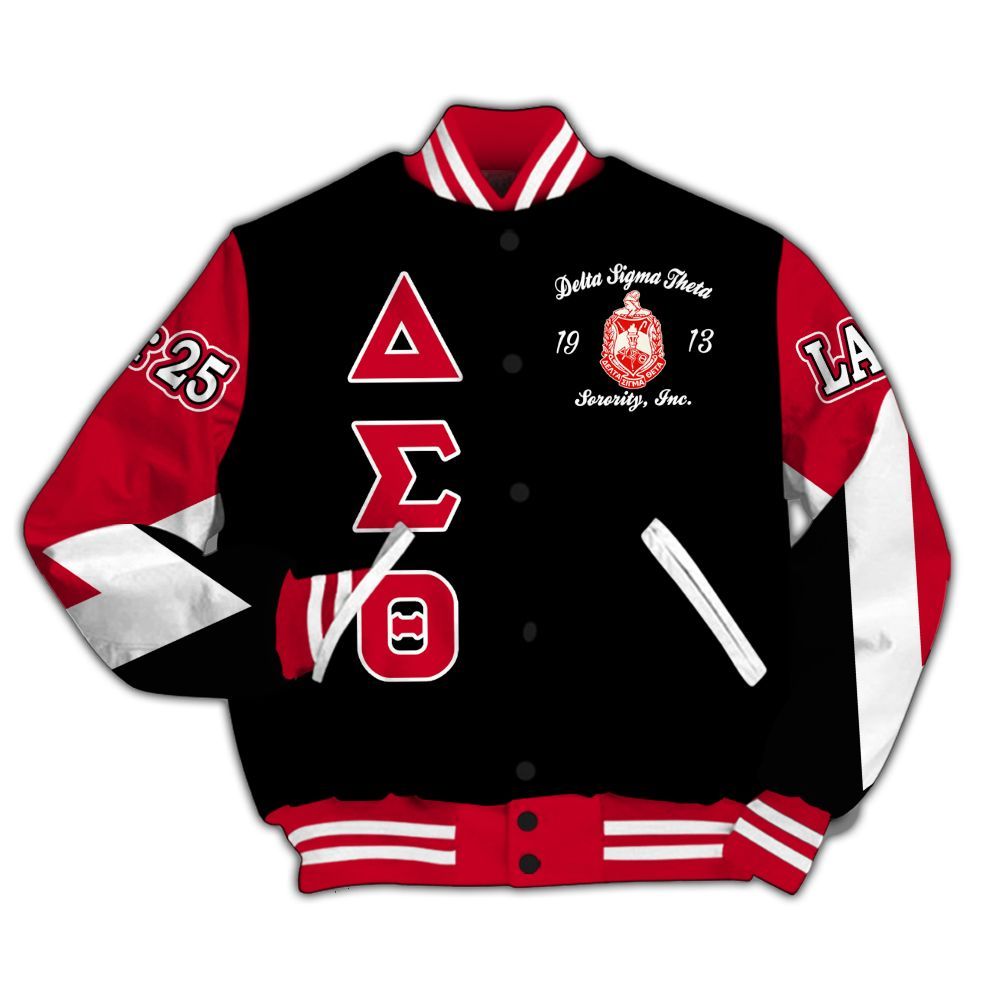
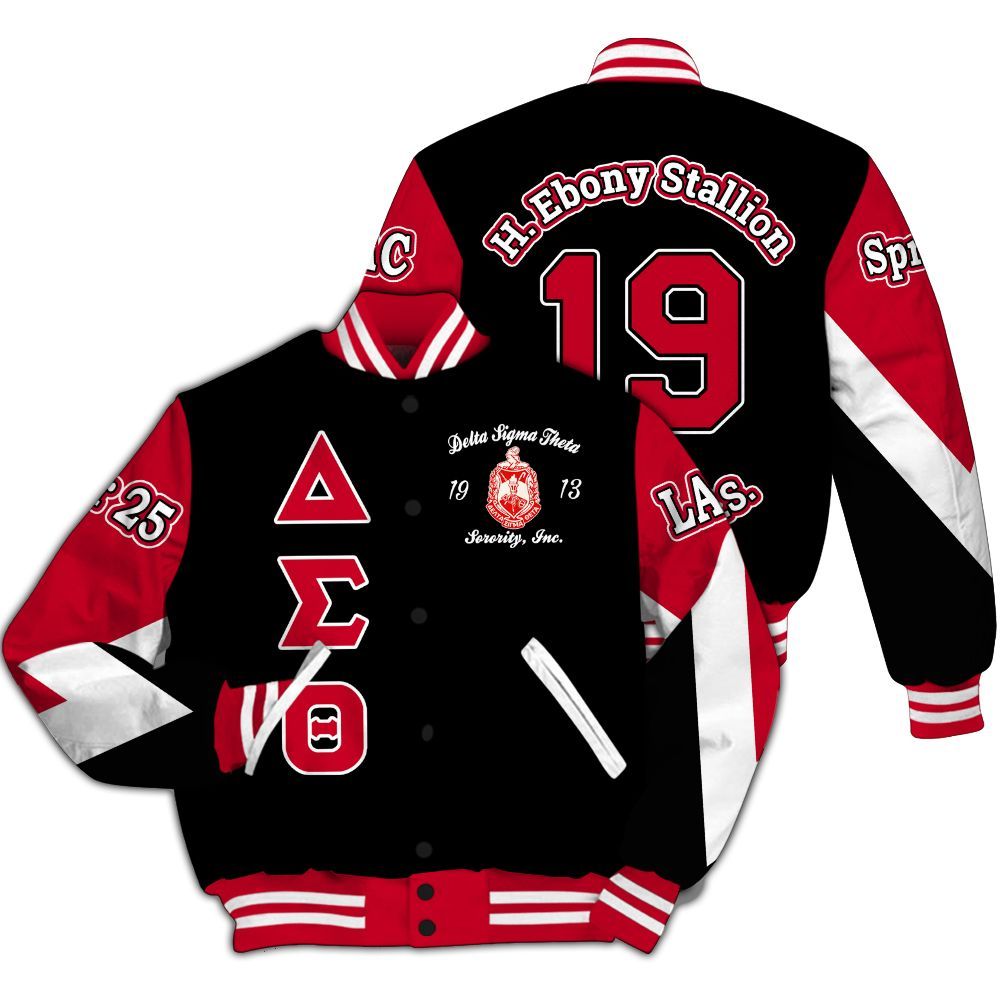
Kappa Alpha Psi was founded January 5, 1911 at Indiana University, with the motto “Achievement in Every Field of Human Endeavor” and a cane-stepping tradition that dates back to the 1950s. Delta Sigma Theta followed on January 13, 1913 at Howard University and is the largest Black Greek-letter sorority in the world. The two are not constitutionally tied but share a heavy emphasis on community service and civil rights legacy, with Delta members marching in the Women’s Suffrage Parade of March 3, 1913 just weeks after the sorority was chartered. Nupes rep the crimson and cream in custom Kappa Alpha Psi apparel.
Omega Psi Phi and Delta Sigma Theta
Omega Psi Phi, founded November 17, 1911 at Howard University, was the first Black fraternity founded at an HBCU. Its motto, “Friendship Is Essential to the Soul,” and its strong Howard ties put it in regular cultural pairing with Delta Sigma Theta at NPHC events. Many chapters share founders day programming and service projects on Howard’s campus.
Iota Phi Theta and Sigma Gamma Rho
Iota Phi Theta is the youngest of the Divine Nine, founded September 19, 1963 at Morgan State University by twelve non-traditional students during the Civil Rights Movement. Sigma Gamma Rho was founded November 12, 1922 at Butler University, the only Divine Nine sorority founded at a predominantly white college. The two are often paired as the youngest fraternity and the youngest of the four sororities to be heavily active outside the Howard and Cornell axis, with a shared focus on community service and education.
Founding dates and the chronological link between the nine
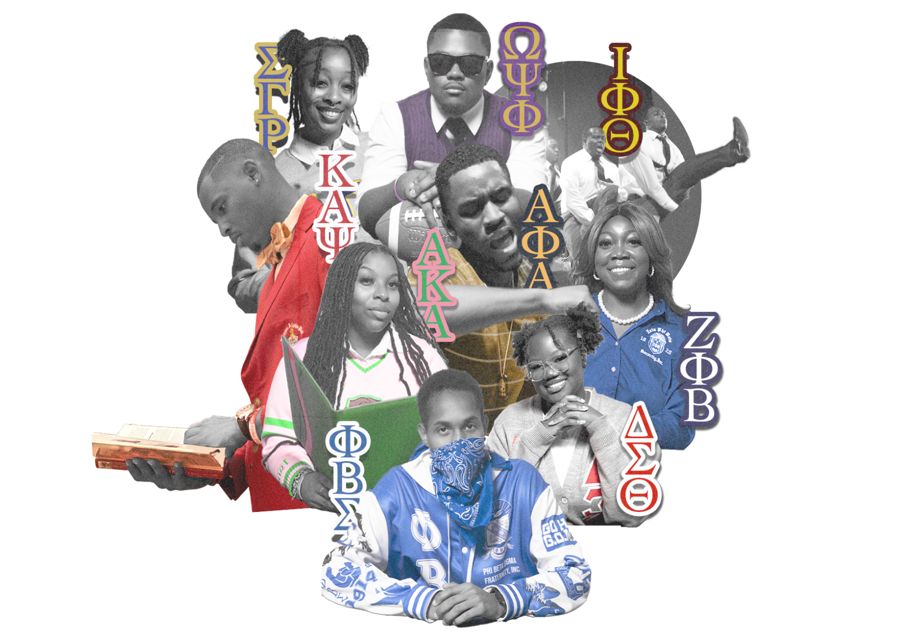
Looking at the founding dates side by side shows which organizations could have grown up alongside each other on the same campus, and which arrived decades later. Five of the original eight NPHC organizations were founded at Howard University, which is why Howard pairings dominate the list.
| Organization | Type | Founded | Founding campus |
|---|---|---|---|
| Alpha Phi Alpha | Fraternity | December 4, 1906 | Cornell University |
| Alpha Kappa Alpha | Sorority | January 15, 1908 | Howard University |
| Kappa Alpha Psi | Fraternity | January 5, 1911 | Indiana University |
| Omega Psi Phi | Fraternity | November 17, 1911 | Howard University |
| Delta Sigma Theta | Sorority | January 13, 1913 | Howard University |
| Phi Beta Sigma | Fraternity | January 9, 1914 | Howard University |
| Zeta Phi Beta | Sorority | January 16, 1920 | Howard University |
| Sigma Gamma Rho | Sorority | November 12, 1922 | Butler University |
| Iota Phi Theta | Fraternity | September 19, 1963 | Morgan State University |
The Phi Beta Sigma to Zeta Phi Beta link makes more sense when you see they were founded six years apart on the same campus, with the second group explicitly created to mirror the first. No other fraternity-sorority pair in the table shares both attributes.
How brother and sister bonds show up day to day
The constitutional pair shows its bond mostly through joint events. Phi Beta Sigma and Zeta Phi Beta run paired founders day programming, share service projects through Project S.W.W.A.C. and Z-H.O.P.E., and coordinate on the Bigger and Better Business Initiative. At step shows and probates, the two are often on the same bill.
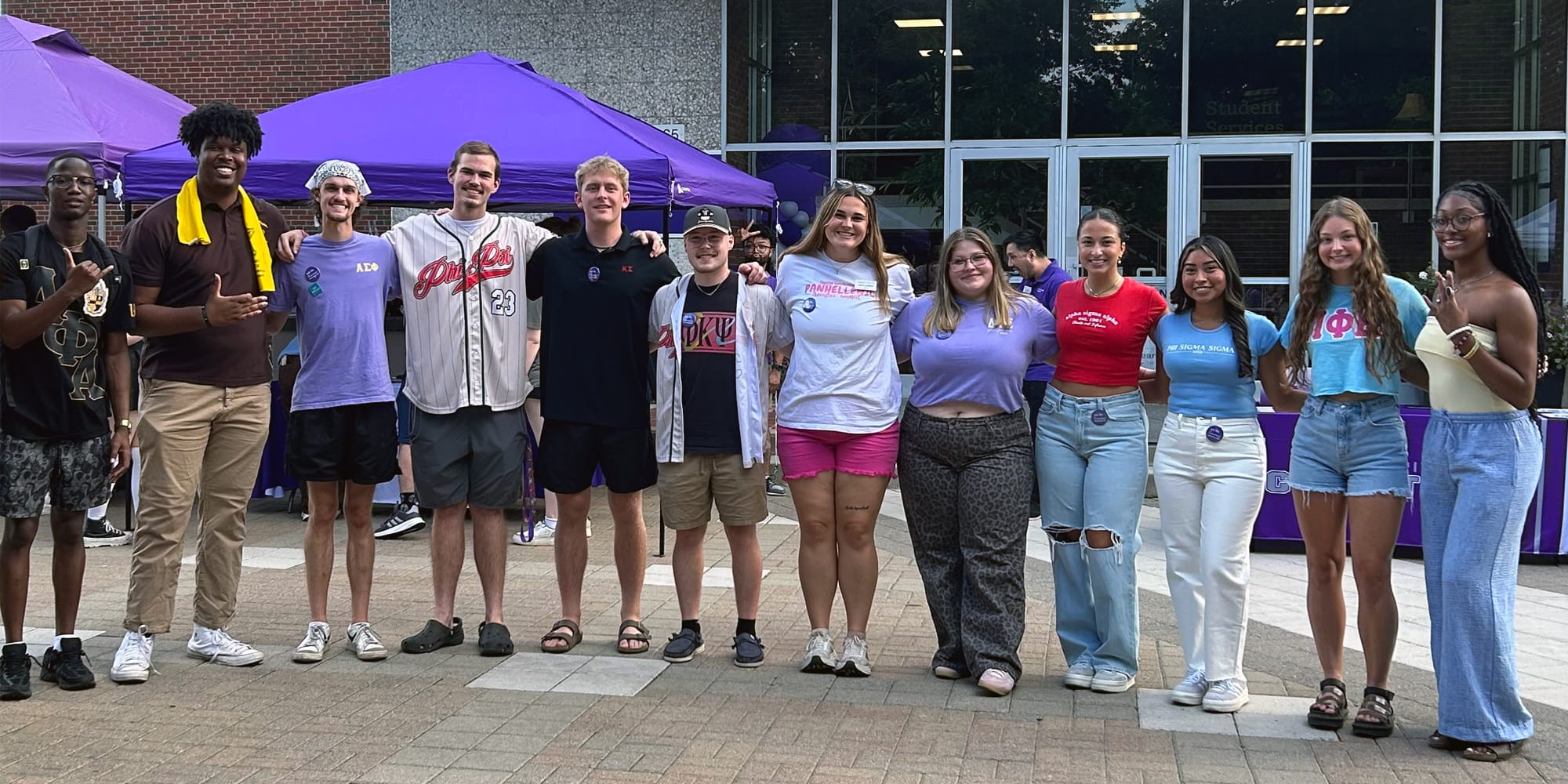
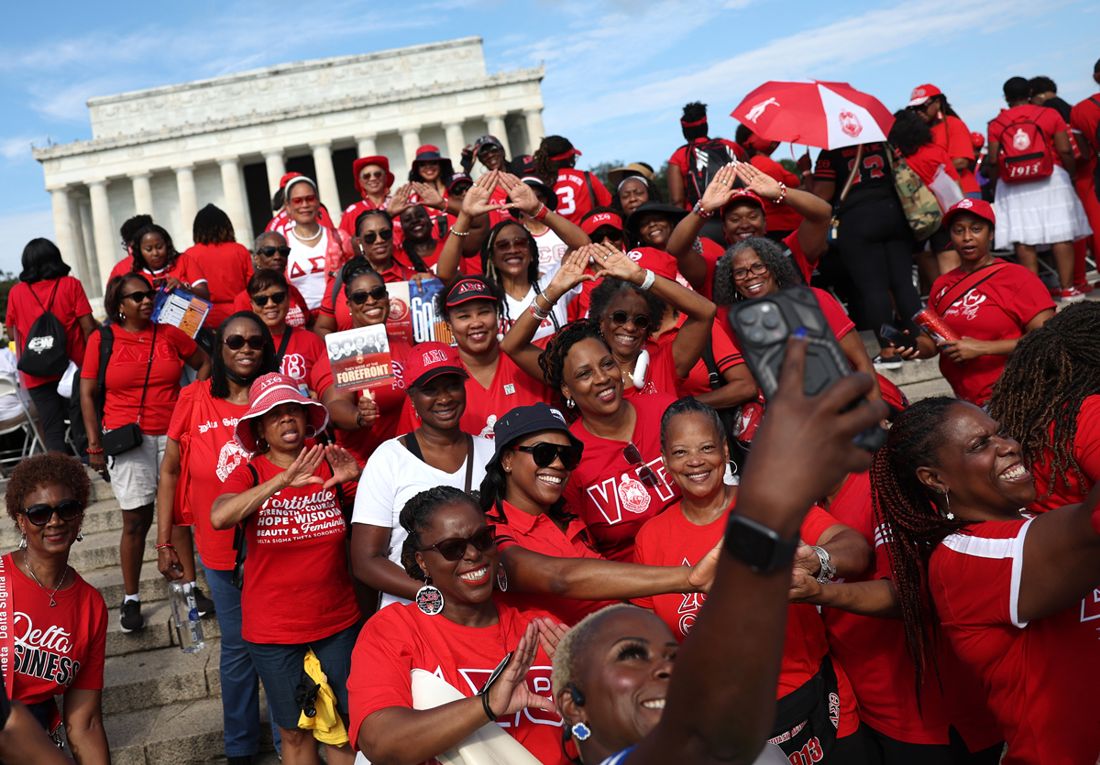
For the cultural pairings, the bond looks looser but no less real. Step shows are a well-known part of Divine Nine life, with each organization’s chants, stomps, and signature moves performed back to back at NPHC events. Founders days, probates, and homecoming bring together graduates, current members, and prospective members across all nine organizations, and the brother and sister language gets used freely. Among the four sororities, intergenerational sister-circles often span three or four generations of the same family, with members representing Baby Boomers, Gen X, Millennials, and Gen Z gathering on founders days in their colors. Members of Phi Beta Sigma and Zeta Phi Beta frequently appear at each other’s chapter events as a matter of course, while members of unpaired organizations turn up as guests and friends rather than partners.
If you are shopping for a pair rather than one person, the culturally linked organizations make natural matching sets in their own colors. For an Omega Psi Phi and Delta Sigma Theta duo, pair Omega Psi Phi apparel with Delta Sigma Theta apparel. For an Iota Phi Theta and Sigma Gamma Rho duo, pair Iota Phi Theta apparel with Sigma Gamma Rho apparel.
Whichever pair you’re closest to, the matching energy carries over to what you wear.
Shop Divine Nine chapter gear
Custom jackets and hoodies made in each organization’s official colors.
 Omega Psi Phi →
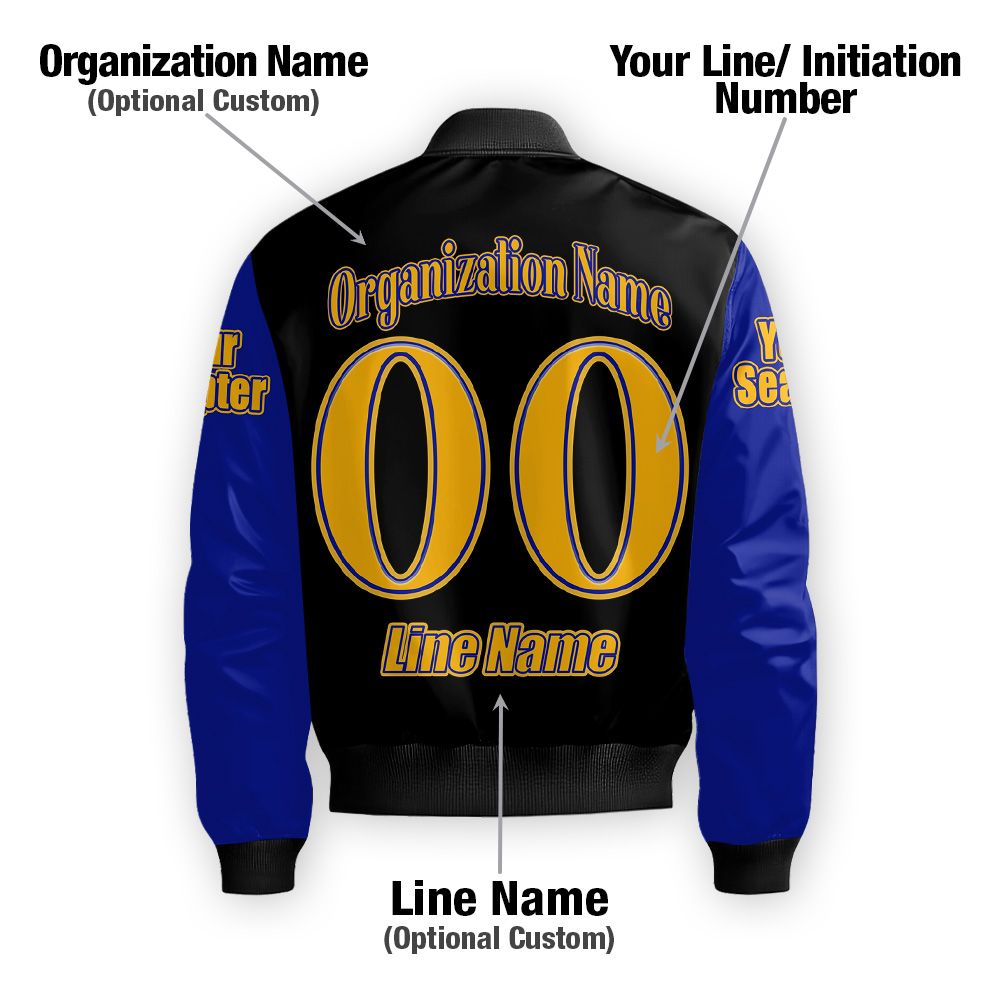 Sigma Gamma Rho →
Frequently asked questions
Which Divine Nine are brothers and sisters?
Phi Beta Sigma Fraternity and Zeta Phi Beta Sorority are the only Divine Nine organizations bound to each other constitutionally. The other seven fraternities and sororities are connected culturally through the National Pan-Hellenic Council, but none have legal brother and sister status with another organization.
Why are Phi Beta Sigma and Zeta Phi Beta paired?
Zeta Phi Beta was founded in 1920 at Howard University as a sister organization to Phi Beta Sigma, which was founded at Howard in 1914. It was the first National Pan-Hellenic Council organization to be legally linked to a fraternity, a distinction it still holds.
What are Black Greek organizations collectively called?
The collective name is the National Pan-Hellenic Council, or NPHC. The nine member organizations are commonly known as the Divine Nine.
How many Divine Nine fraternities and sororities are there?
There are five fraternities, namely Alpha Phi Alpha, Kappa Alpha Psi, Omega Psi Phi, Phi Beta Sigma, and Iota Phi Theta, and four sororities, namely Alpha Kappa Alpha, Delta Sigma Theta, Zeta Phi Beta, and Sigma Gamma Rho.