
HBCU History: Why Historically Black Colleges Were Created

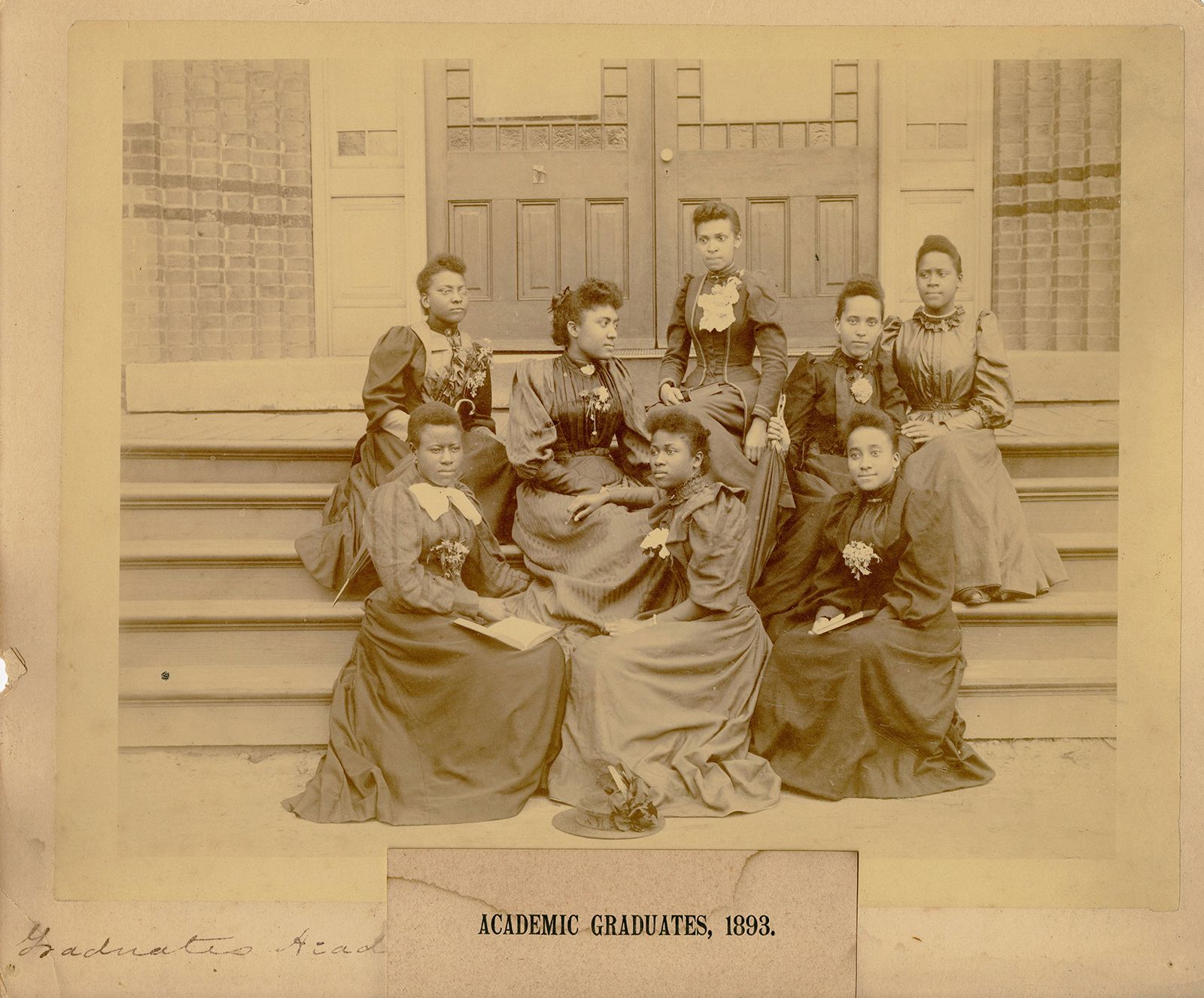
HBCUs were created to give Black Americans access to higher education at a time when segregation and law shut them out of nearly every other college in the country. Historically Black colleges and universities were founded to educate formerly enslaved people, train Black teachers and ministers, and build a professional class that white institutions refused to admit. From a single school in 1837 to more than 100 today, their history is the story of a community building its own path to education.
Here is why HBCUs were created, who founded them, and how a scattered set of schools became the backbone of Black higher education in America.
Why Were HBCUs Created?
HBCUs were created because Black Americans were legally barred or heavily restricted from attending most colleges and universities. Before the Civil War, educating Black people was prohibited in much of the South and discouraged in the North. After emancipation, millions of freed people wanted an education that had been denied to them, and HBCUs opened to meet that need, starting with basic literacy and teacher training and growing into full colleges.
The demand was immense. As University of Pennsylvania historian Marybeth Gasman has described it, formerly enslaved people were hungry for learning because education had been kept from them, and the earliest schools started in church basements, old schoolhouses, and people’s homes.
The Origins of HBCUs
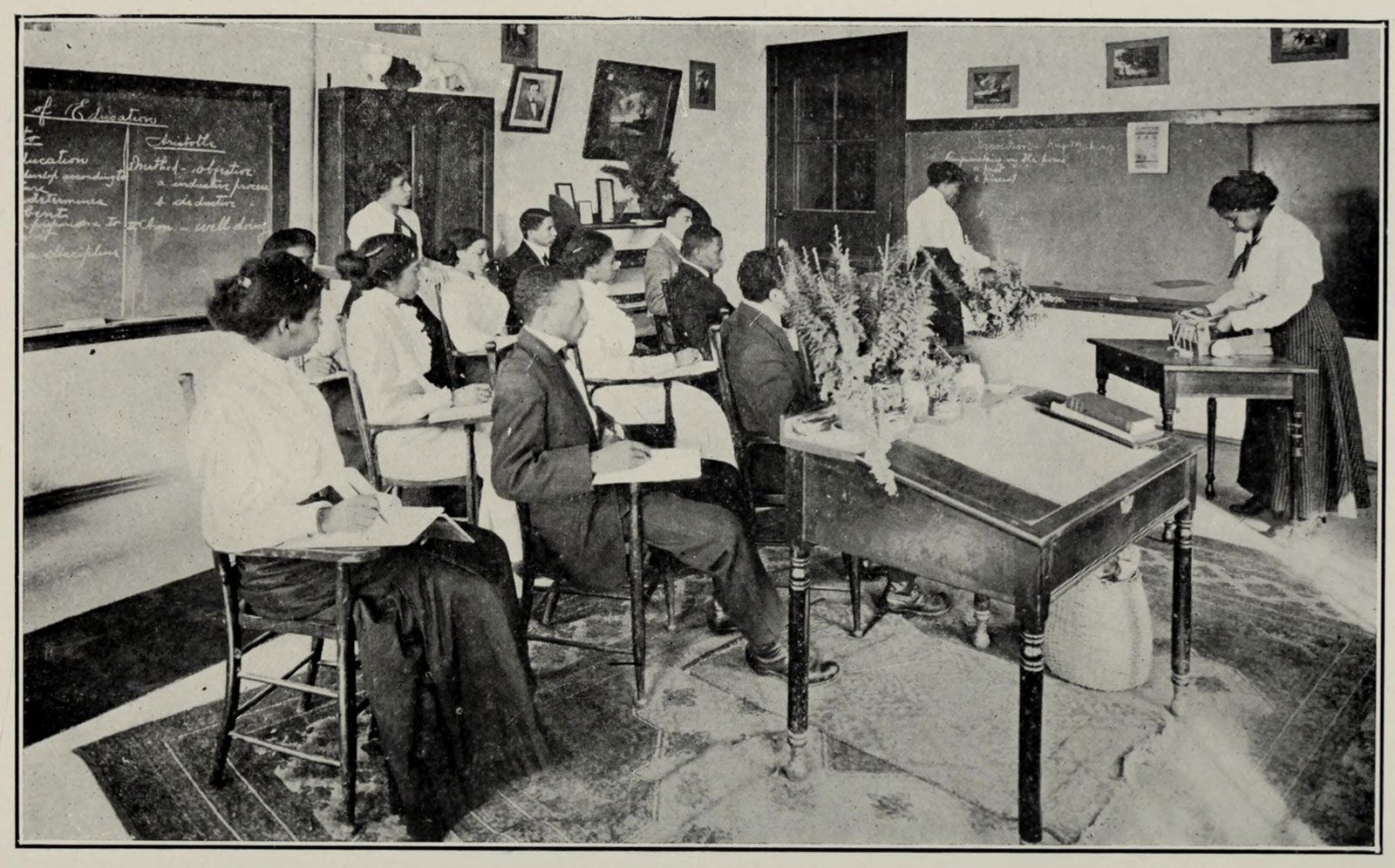
Only a handful of schools educated Black students before the Civil War. Cheyney University of Pennsylvania, founded in 1837, was the first, followed by the school that became the University of the District of Columbia in 1851, Lincoln University in 1854, and Wilberforce University in 1856. For the full story of the earliest institutions, see our guide to the first and oldest HBCU.
The real expansion came after 1865. Most HBCUs were founded between 1865 and 1900, with the largest number established in 1867, just two years after the end of the Civil War. Black ministers, white philanthropists, and missionary societies raced to build schools across the South for the newly freed population.
Who Founded HBCUs?
HBCUs were not founded by any single group. They came from a mix of sources, which is why the answer to “did white people start HBCUs” is yes and no at once:
- Free Black Americans and Black churches, especially the African Methodist Episcopal (AME) Church, which owned and operated Wilberforce University.
- White philanthropists, such as the Quaker Richard Humphreys, whose bequest founded Cheyney.
- Religious and missionary organizations, including the American Missionary Association.
- Southern state governments, which built public Black colleges at the federal government’s insistence.
What united these founders was purpose. By and large, the first HBCUs were established to educate the children of formerly enslaved people and to train them to teach other Black Americans.
The Second Morrill Act and Public HBCUs
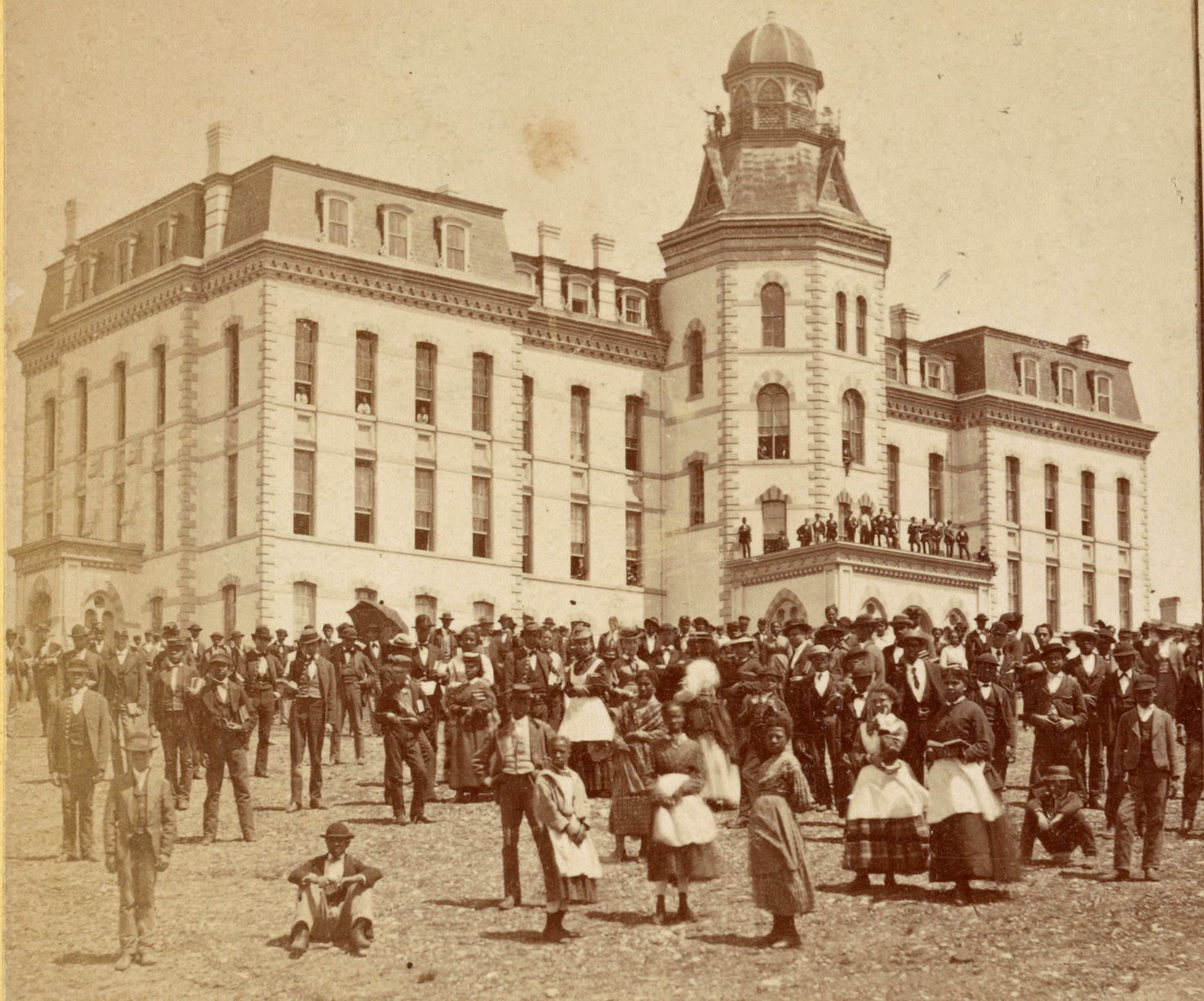
Federal law drove much of the growth in public HBCUs. The Second Morrill Act of 1890 required states with segregated higher education systems to provide a land-grant college for Black students wherever they funded one restricted to white students. Rather than integrate their existing universities, many Southern states created a separate set of Black land-grant institutions, and eventually 19 Black colleges were designated as land-grant schools focused on agricultural, mechanical, and industrial training.
How HBCUs Were Officially Defined
The term “HBCU” became official in 1965. Title III of the Higher Education Act of 1965 formally recognized these institutions and set the criteria a school must meet to qualify. A college is an HBCU if it:
- Was established before 1964.
- Has the principal mission of educating Black Americans.
- Is accredited by a nationally recognized agency.
That “before 1964” cutoff is deliberate. It ties the designation to a school’s founding purpose during segregation, not to its current enrollment. To understand the definition in full, see our explainer on what an HBCU is and why they matter. The federal roster is maintained by the U.S. Department of Education’s White House Initiative on HBCUs.
The Lasting Impact of HBCUs
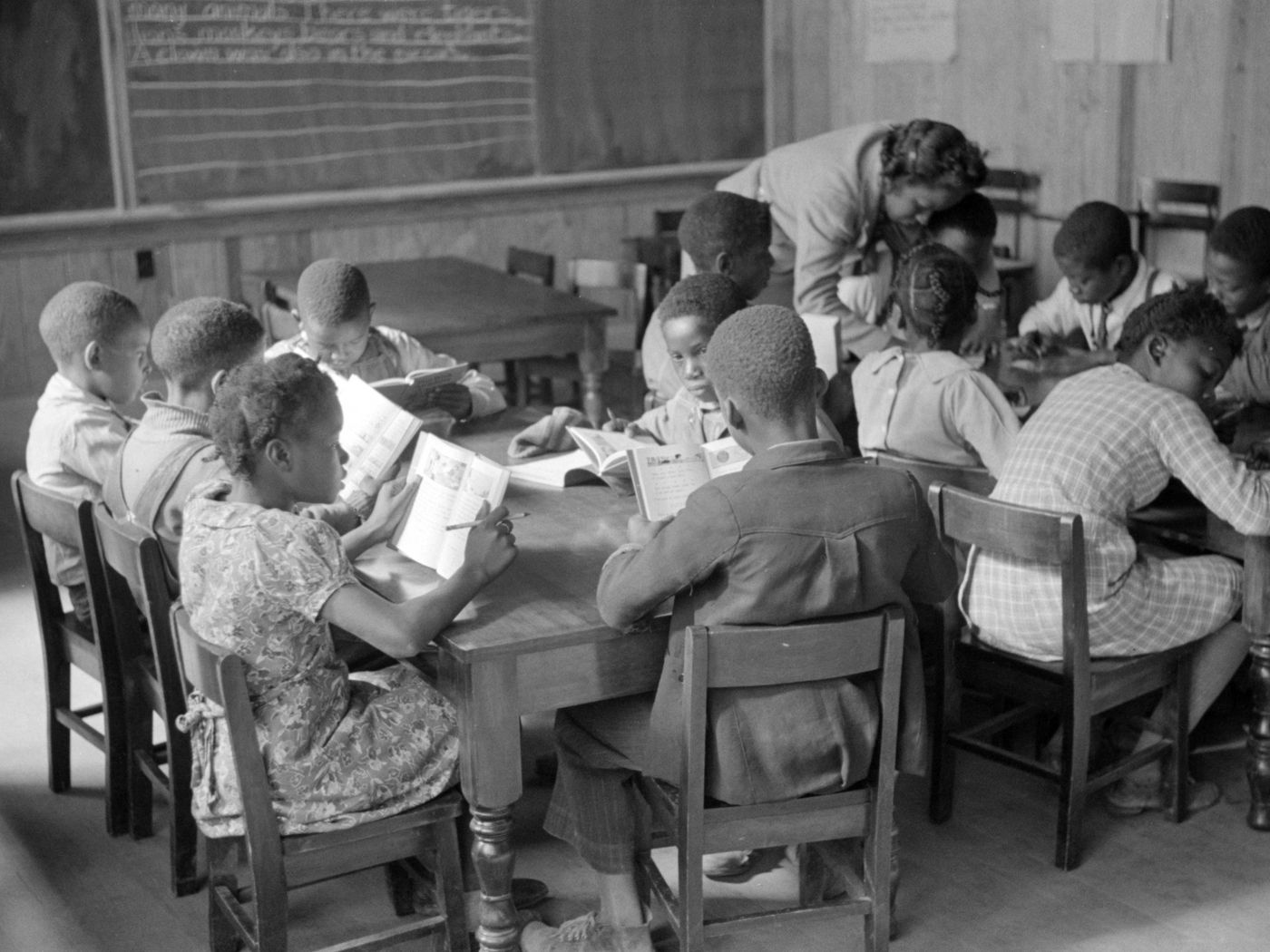
For most of the 20th century, HBCUs educated nearly the entire Black professional class. During segregation, they trained the majority of Black doctors, lawyers, teachers, and ministers, and produced generations of leaders including Thurgood Marshall, Martin Luther King Jr., and Kamala Harris. Their output remains outsized relative to their number:
- According to the U.S. Department of Education, HBCUs produced the undergraduate training for 75 percent of Black Americans who hold a doctorate, 75 percent of Black officers in the armed forces, and 80 percent of Black federal judges.
- Though HBCUs make up only about 3 percent of U.S. colleges, they confer almost 35 percent of the bachelor’s degrees Black students earn in astronomy, biology, chemistry, math, and physics, and 24 percent of all Black STEM graduates.
- HBCUs enroll students of every background today, and according to federal data about 1 in 4 HBCU students is now non-Black.
You can see where these schools are located in our list of HBCUs by state.
Why That History Still Matters
The reasons HBCUs were created still shape the culture on their campuses. The sense of belonging, the traditions of homecoming and marching bands, and the Divine Nine fraternities and sororities that took root at these schools all grew from institutions built by and for a community that had to make its own way. That heritage is a large part of what draws students to HBCU yard culture and why alumni carry their school’s history with pride.
FAQs
Why were HBCUs created?
HBCUs were created to educate Black Americans who were legally barred or restricted from attending most other colleges. After the Civil War, they opened to educate formerly enslaved people and train Black teachers, ministers, and professionals at a time when segregation kept those doors closed elsewhere.
Did white people start HBCUs?
Some did, but not alone. HBCUs were founded by a mix of white philanthropists, missionary societies, Black churches such as the AME Church, free Black Americans, and Southern state governments. Founders varied by school, but the shared mission was educating Black students.
When were most HBCUs founded?
Most HBCUs were founded between 1865 and 1900, in the decades after the Civil War. The single largest number opened in 1867. The earliest, Cheyney University, dates to 1837, well before emancipation.
Why are HBCUs important to Black history?
HBCUs opened higher education to Black Americans who were once denied it, and for generations they trained most of the country’s Black doctors, lawyers, teachers, and leaders. They remain centers of Black culture, achievement, and community.
If you carry pride in an HBCU or its history, browse Ireishprint’s custom HBCU and Greek apparel to wear that legacy your way.