Best HBCUs for Greek Life, Ranked by Campus Culture

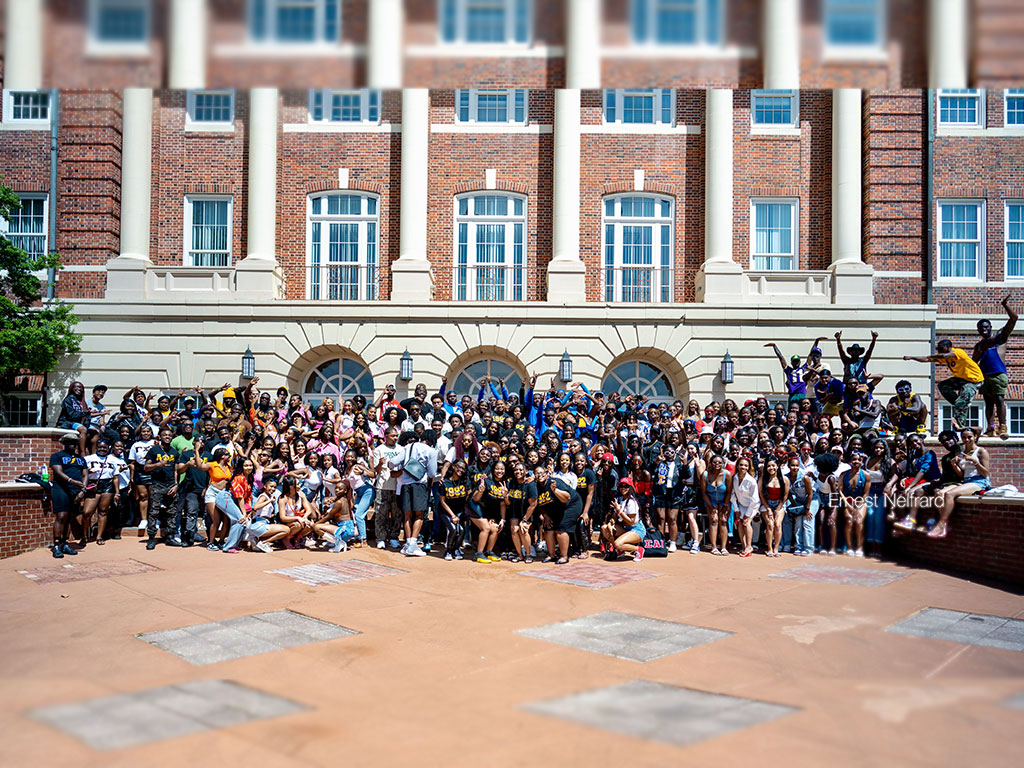
A ranking that prioritizes campus culture starts with the schools where Greek life shapes daily student experience, not just where chapters exist. Niche released its 2026 Best HBCU Schools in America rankings in September 2025, and the schools sitting at the top of that list are also the schools where Divine Nine chapters carry the most weight on campus. The list below pairs institutional rankings with the campus culture markers that students and alumni themselves prize.
How Campus Culture Shapes the Ranking
Niche grades campuses on student reviews across multiple categories. Three of those categories matter most for a Greek life ranking that takes campus culture seriously:
- Student Life and Dining: signals an active campus community and the in-person foot traffic that step shows, probate, and chapter events depend on.
- Diversity: reflects how inclusive the campus environment feels for the Divine Nine’s national membership pipeline.
- Housing: dictates whether members can stay on campus through the years a chapter expects of them, which keeps chapters large and sustainable.
Across HBCUs, chapter sustainability is the quiet difference-maker. Divine Nine chapters at predominantly white institutions often run just 7 to 10 students and can fold when seniors graduate, while HBCU chapters stay large, draw alumni back to homecoming, and benefit from faculty and staff who are themselves members.
Florida A&M University, the Top-Ranked HBCU for Campus Culture
FAMU sits at number one on Niche’s 2026 Best HBCU Schools in America list, ahead of more than 100 HBCUs nationwide. The school’s overall grade of A- is the highest assigned to any HBCU. Inside that grade, Student Life and Dining earned an A, Faculty an A-, Athletics a B+, Diversity a B, and Housing a B- (a jump from the previous C- thanks to two new residence halls that pushed on-campus capacity from 2,684 to 3,379 beds in Fall 2025).
For Greek life specifically, the numbers track. Niche ranks FAMU number two for Best Greek Life Colleges across all 27 Florida institutions, and number 11 nationally out of 743 schools. President Marva B. Johnson, J.D., tied the recognition to the school’s motto, Excellence with Caring, in the announcement. Edward Kincheon Jr., assistant director of Fraternity and Sorority Life and Volunteer Programs, said the FSL community is committed to continuing support, collaboration, and innovation “to ensure every chapter and member thrives.”
On campus that translates to probate shows that fill the quad, chapter events anchored to homecoming weekend, and a residential population large enough to sustain every Divine Nine chapter year over year.
Howard University, Where the Divine Nine Was Born
Howard ranks number three on Niche’s 2026 HBCU list, behind FAMU and Alcorn State. The campus-culture case for Howard is one no other school can match: six of the nine Divine Nine organizations were founded at Howard. Alpha Kappa Alpha, the first Black Greek sorority, was founded there in 1908. The National Pan-Hellenic Council itself was founded at Howard on May 10, 1930.
That history is not a museum exhibit. It is woven into how chapters on campus operate today. Probate season, founders day observances, and chapter meetings all happen on the same grounds where the founders met. Howard also appears on widely circulated lists of the most visually striking HBCU campuses, alongside Hampton, Morehouse, Tuskegee, Xavier of Louisiana, and Fisk, which keeps the school a magnet for prospective students who want both Greek presence and traditional collegiate atmosphere.
For prospective members, Howard is one of the few campuses where a candidate can pledge a chapter that has been continuously active on the original founding ground.
Other HBCUs With Standout Greek Culture

Alcorn State University takes the number two spot on Niche’s 2026 HBCU ranking, edging out Howard, with Greek life threaded into the school’s tight rural campus identity in Mississippi. Beyond Alcorn, five HBCUs round out the campuses that students cite for both beauty and Greek presence:
- Hampton University, Hampton, Virginia
- Morehouse College, Atlanta, Georgia
- Tuskegee University, Tuskegee, Alabama
- Xavier University of Louisiana, New Orleans, Louisiana
- Fisk University, Nashville, Tennessee
Each of these campuses appears on widely circulated lists of the most beautiful HBCU campuses, and each hosts established Divine Nine chapters with full event calendars that include probates, strolls, and homecoming celebrations. Atlanta and New Orleans in particular concentrate alumni density that keeps undergrad chapters connected to working professionals, which feeds back into chapter programming and post-graduation networking. For students weighing Greek life as a primary reason to choose a school, these are the campuses where the chapter is likely to still be standing four years from now, with active members the year after that.
What Makes HBCU Greek Culture Different From PWI Greek Life
Greek life on HBCU campuses pulls from traditions that PWI Greek systems do not share. Each is rooted in African American cultural inheritance and shapes how chapters present themselves on campus.
Stepping and Strolling
Stepping is a form of stylized syncopated movement performed at step shows, where each chapter showcases its own creativity. Strolling is the related tradition of performing specific dance steps to a song while moving in a singular line. Both traditions keep evolving alongside Black music, and chapters teach the patterns from one initiation class to the next.
Call and Response
Brought to America by enslaved Africans, call and response is the foundation of many chapter chants. One member or group says or sings a phrase, and the rest reply. It remains a fixture of chapter meetings, probate ceremonies, and step shows on HBCU campuses.
Chapter Size and Sustainability
HBCU chapters typically have larger memberships than PWI chapters and are more likely to continue thriving across generations of students. Administrators, faculty, and staff at HBCUs are often Divine Nine members themselves, so undergraduate chapters benefit from constant mentorship and from alumni who return for homecoming and chapter anniversaries.
Frequently Asked About HBCU Greek Life
What college has the highest percentage of Greek life students?
Niche measures Greek life by student rating rather than enrollment percentage. On its 2026 Best Greek Life Colleges ranking, FAMU is the highest-rated HBCU at number 11 out of 743 schools nationally.
What is the prettiest HBCU campus?
Howard University, Hampton University, Morehouse College, Tuskegee University, Xavier University of Louisiana, and Fisk University regularly appear together at the top of lists of the most beautiful HBCU campuses.
Where was the Divine Nine founded?
Six of the nine Divine Nine organizations were founded at Howard University. The National Pan-Hellenic Council, which governs them, was also founded at Howard on May 10, 1930.
How does Greek life at HBCUs differ from PWI Greek life?
HBCU chapters are typically larger and more sustainable than PWI chapters, where the average chapter is just 7 to 10 students. HBCU members also inherit cultural traditions including stepping, strolling, and call and response.