
Greek Life at HBCUs vs PWIs: A Complete Guide to the Difference

Students researching Black Greek life quickly learn that where you go to school changes the experience in ways no one fully explains upfront. The National Pan-Hellenic Council organizations, which include the nine historically Black fraternities and sororities known as the Divine Nine, operate on both historically Black colleges and universities and predominantly white institutions. The membership requirements, the intake process, and the national organization’s standards are the same. What is not the same is everything around those standards: the campus visibility, the chapter size, the role that Greek life plays in student culture, and what it feels like to attend an NPHC event depending on the school.
This guide maps those differences concretely, covering what HBCU Greek life actually looks like, what joining a D9 chapter at a PWI actually involves, and where the two experiences diverge and where they remain identical.
When Greek Life Is the Culture, Not Just a Part of It
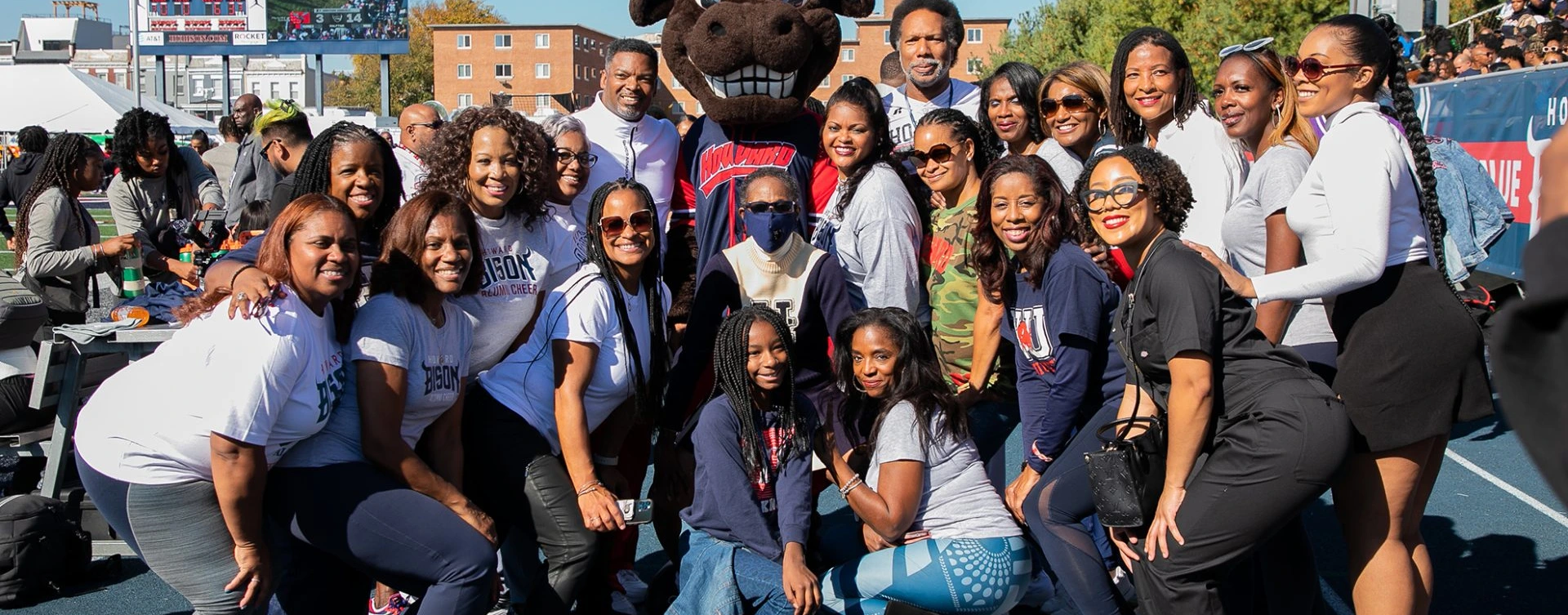
At historically Black colleges and universities, the D9 organizations are not one activity among many. They are embedded in campus identity in a way that has no real equivalent at most predominantly white institutions. At schools like Howard University, Florida A&M University, and North Carolina A&T State University, Greek letter organizations are visible in physical space, in the academic calendar, and in social life throughout the year, not only at formal Greek events.
The reason is historical and structural. Five of the nine Divine Nine organizations were founded at Howard University. Several others were founded at other HBCUs. These schools were built when Black students had nowhere else to go for higher education, and the fraternities and sororities that formed within them were built into the fabric of campus life from the beginning. That origin still shapes how these organizations operate at HBCUs today, where Greek life is not a subculture but a central institutional presence.
Faculty, administrators, and alumni who are members of D9 organizations are often visible and engaged on HBCU campuses. Graduate chapters connected to those campuses have long-standing relationships with undergraduate chapters that provide mentoring, financial support, and organizational continuity. A student arriving at an HBCU as a freshman encounters Greek life immediately, not as something to seek out but as something already present in how the campus works.
The Yard, Greek Plots, and What Outdoor Space Means at an HBCU
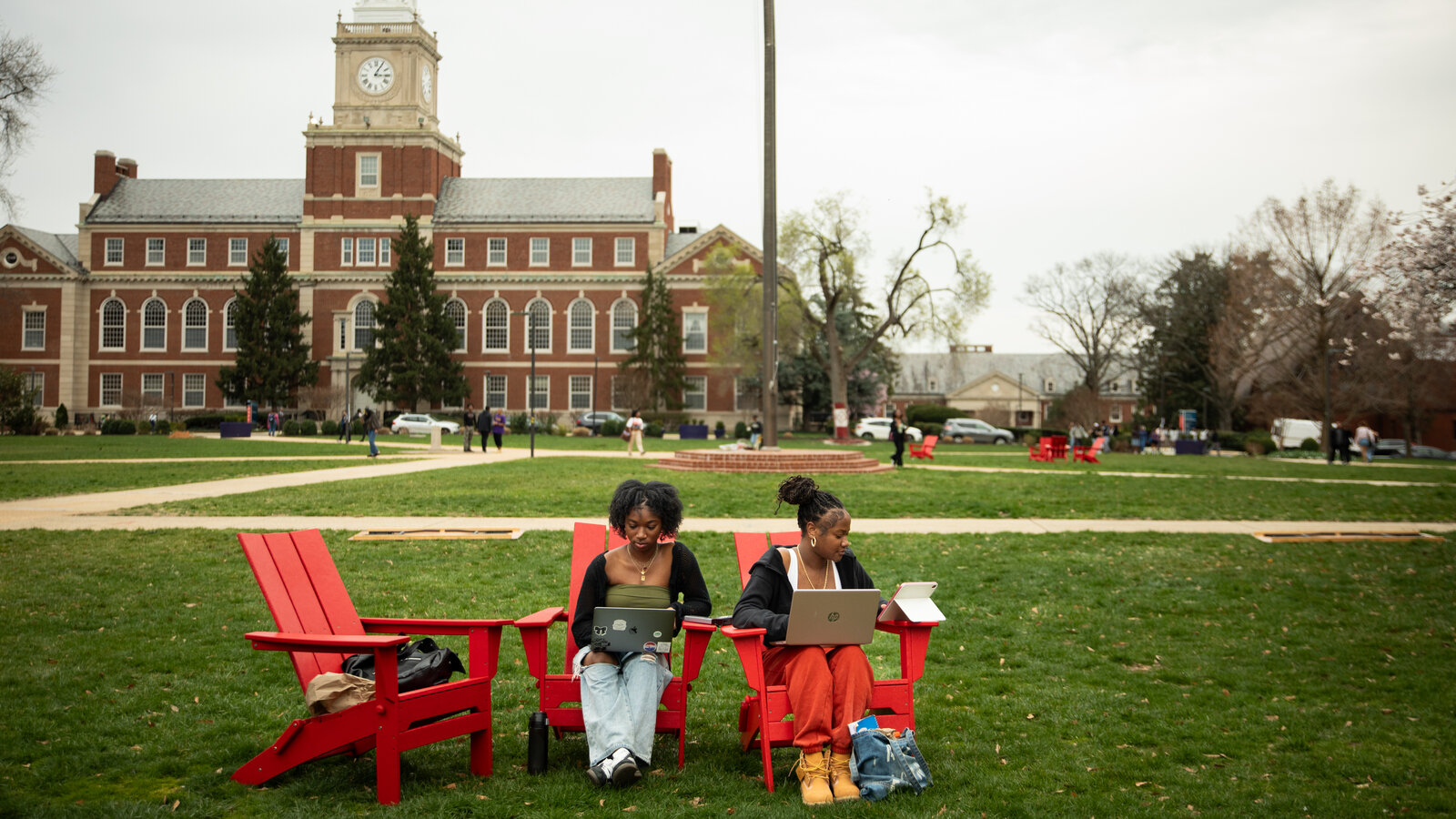
The yard is a term that means something specific on an HBCU campus. It refers to the central outdoor gathering space, often a quad or campus center, where students congregate between classes, where organizations post announcements and host impromptu events, and where Greek life is most publicly visible. On HBCU campuses with active Greek life, the yard is where students encounter the culture before they fully understand it.
Greek plots are designated spaces within the yard that belong to specific chapters or organizations. A plot might be marked with the organization’s letters, its colors, or paraphernalia specific to that chapter. Walking across certain plots, or standing on them without being a member, is considered disrespectful. At HBCUs where multiple D9 organizations have plots, the yard becomes a physical map of Greek life on campus, where each organization holds a recognized presence that is impossible to miss.
At PWIs, this physical dimension is almost entirely absent. NPHC chapters at predominantly white institutions rarely have dedicated outdoor spaces. The footprint of Black Greek life, if a chapter exists at all, is typically limited to campus events, social media presence, and the occasional flyer for an interest meeting or probate. There is no yard in the HBCU sense, and no plots. The organizations operate within the same campus infrastructure as all other student groups, without the spatial recognition that HBCU campuses provide as a matter of institutional history.
Step Shows, Homecoming, and the Public Scale of HBCU Greek Life

Step shows are competitive and cultural performances built around percussive movement: stomping, clapping, chanting, and coordinated team formations. They are rooted in African diasporic traditions, were shaped by military drill influence, and were developed into their current form by NPHC organizations on HBCU campuses. A full step show involves multiple organizations performing in sequence, with judging that covers rhythm, difficulty, formation precision, crowd engagement, and creative theme. At HBCUs, step shows are major campus events. They fill auditoriums. They sell out.
The homecoming step show is the most visible version of this tradition. HBCU homecoming is a week-long event that draws alumni, families, and in many cases major performers and celebrities back to campus. Classes are often cancelled for parts of the week. The schedule includes a coronation ceremony, concerts, a parade, tailgating, a football game and halftime show, and the step show. Greek organizations are central to most of these events, and the step show is typically the most anticipated night of homecoming week, drawing audiences that sometimes rival the game itself.
At PWIs, step shows do happen, but the scale and institutional weight are different. A chapter with five to ten active members cannot produce the same kind of performance as a chapter with thirty. The events are smaller, less likely to be ticketed or publicized campus-wide, and not tied to a homecoming structure that centers Greek life the way HBCU homecomings do. The tradition is still present, and members still step, but the event is a community one rather than a campus one.
What Divine Nine Chapters Look Like at Predominantly White Institutions
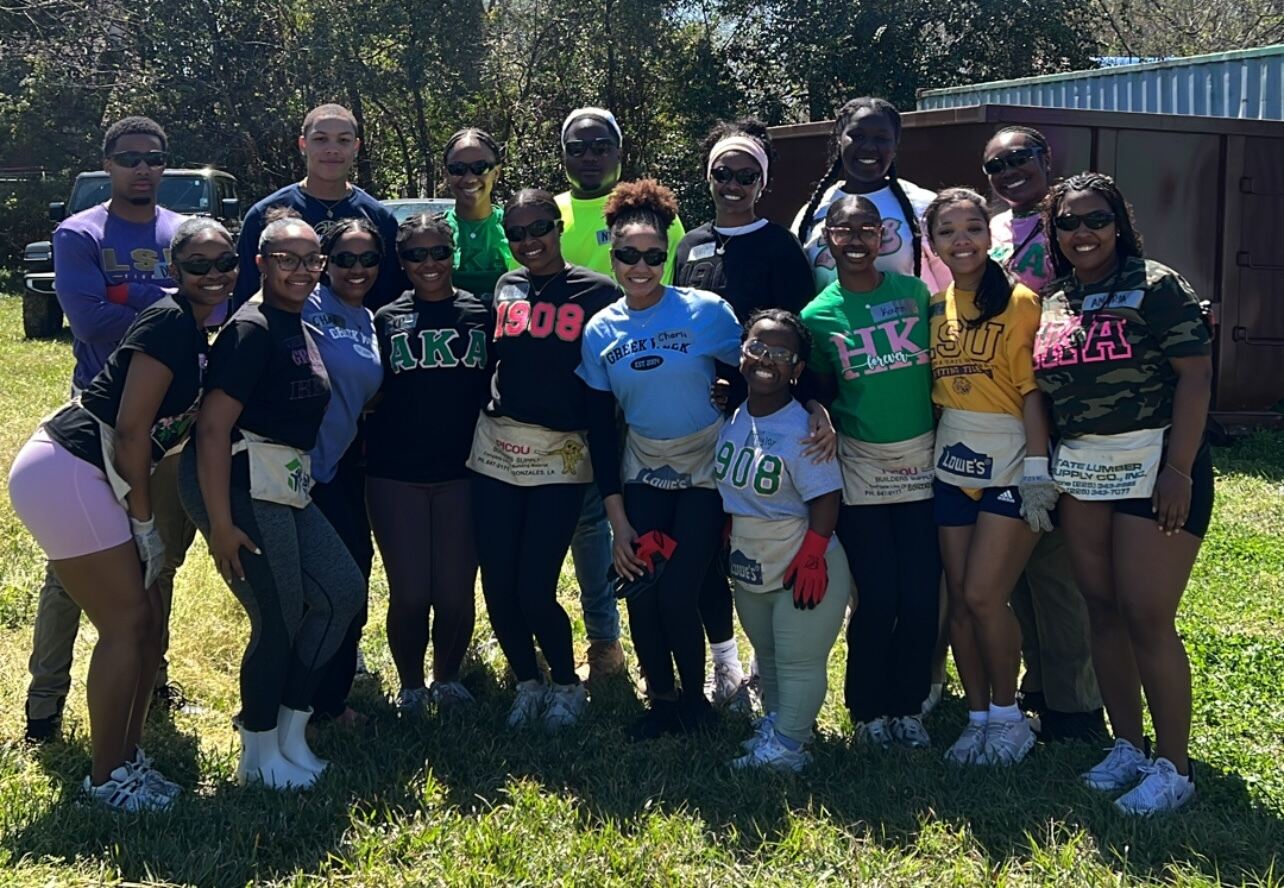
At many PWIs, NPHC chapters exist but operate at a fraction of the size of their counterparts at HBCUs. A chapter at a large HBCU might have thirty to fifty active undergraduate members. A chapter at a PWI with a smaller Black student population might have three to twelve. In some cases, a chapter may have only one or two active undergraduate members, with joint arrangements made with chapters at nearby institutions just to sustain operations.
This is not a reflection of organizational quality or commitment. It is a function of demographics. At a school where the Black student population is five or ten percent of total enrollment, the pool of students eligible and interested in NPHC intake is smaller by proportion. Not every D9 organization will have an active undergraduate chapter at every PWI. Some campuses may have chapters for only two or three of the nine organizations, while others may have gone years between active memberships in a given organization.
The absence of a chapter does not make intake impossible at a PWI. Students interested in an organization with no active chapter at their school can contact the relevant graduate chapter in their region to inquire about interest and eligibility. Graduate chapters affiliated with a city or county rather than a specific campus sometimes facilitate intake for students from multiple nearby institutions. This process requires more initiative than attending an interest meeting on campus, but it is the standard path when an undergraduate chapter is inactive or absent.
NPHC chapters at PWIs often serve a function that goes beyond their active membership numbers. Where these chapters exist, they frequently provide a community space for Black and minority students who are not formal members. The organizations host events, mentoring sessions, and community gatherings that are open to the broader campus population, and at PWIs with limited Black cultural infrastructure, that presence matters well beyond the chapter’s official roster.
HBCU vs PWI Greek Life: How the Experience Actually Compares
The structural differences between HBCU and PWI Greek life come into clearest focus when mapped side by side.
| Criteria | At HBCUs | At PWIs |
|---|---|---|
| D9 organization availability | All nine typically represented | Varies; one to five chapters common, some may be inactive |
| Campus prominence | Central to campus culture | One student community among many |
| Greek plots and yard presence | Dedicated outdoor plots; visible throughout campus | Rarely present; limited physical footprint |
| Step shows | Major events with large audiences; tied to homecoming week | Smaller, community-scale events |
| Homecoming role | Greek life anchors homecoming week programming | Rarely a significant part of homecoming |
| Typical chapter size | Larger chapters; multiple members per intake cycle | Smaller chapters; sometimes fewer than ten active members |
| Graduate chapter support | Strong local alumni presence tied to the campus | Support varies; students may need to seek out regional chapter independently |
| Institutional recognition | Dedicated Greek life offices; formal NPHC programming | Varies widely; often less infrastructure for NPHC specifically |
The table captures what changes structurally, but the more meaningful gap is cultural. At an HBCU, being part of a D9 organization places you inside the central social and institutional life of the campus. Alumni who went through the same chapter are professors, administrators, and mentors at that same school. The organization’s presence is physical, historical, and social all at once.
At a PWI, joining a D9 organization is meaningful, but you are entering a smaller, more isolated community. The organization still matters, and the mission is the same, but you are not walking into an institution where your membership is broadly recognized and understood by the people around you. Students who joined D9 organizations at PWIs often describe the experience as more intentional, built on a stronger sense of personal conviction, because the surrounding cultural infrastructure that makes the choice feel natural at an HBCU simply is not present.
What Stays the Same Regardless of Where You Go
The intake process follows the same national standards whether a chapter is at Howard University or a small liberal arts college in the Midwest. The academic requirements, the community service expectations, the national organization’s guidelines for how membership education is conducted, and the standard against hazing all apply equally. An active undergraduate chapter at a PWI goes through the same intake process, requires the same national approval, and produces members held to the same membership standards as any chapter at an HBCU.
The mission of the organizations does not vary by campus. NPHC fraternities and sororities were built around a legacy of service and community uplift that does not shrink because a chapter has eight members instead of thirty. Members at small PWI chapters often describe doing community work that is proportionally more demanding per member precisely because the chapter is small and every person has to carry more of it.
Lifetime membership, the expectation that crossing into an NPHC organization is a commitment that continues through alumni and graduate chapter involvement after college, also does not change based on where you went to school. A member who crossed at a PWI with ten people on their line joins the same alumni network as a member who crossed at an HBCU with thirty. The handshake, the call, and the history that come with membership are not campus-specific. They belong to the organization and to every member regardless of where they came in.
Frequently Asked Questions
Do all PWIs have Divine Nine chapters?
No. Many PWIs have only some of the nine organizations represented, and some campuses have no active undergraduate NPHC chapters at all. The presence of chapters depends on the size of the Black student population, the history of that organization at that school, and whether recent intake has kept chapters active. Students interested in an organization with no active chapter at their PWI can reach out to a regional graduate chapter to explore eligibility.
Is it harder to get into a D9 organization at a PWI than at an HBCU?
Not harder in terms of requirements, but more logistically involved. At an HBCU with active chapters, students can attend interest meetings, connect with members on campus, and move through intake with a peer community around them. At a PWI where a chapter is small or inactive, a prospective member may need to identify a graduate chapter to sponsor their intake and do more of the legwork independently before the process even begins.
What is a Greek plot and do PWIs have them?
A Greek plot is a designated outdoor space on campus associated with a specific NPHC chapter or organization. At HBCUs, plots are recognized sections of the yard where members gather and which carry cultural significance. Stepping on a plot without being a member is considered disrespectful. PWIs rarely have dedicated plots for NPHC organizations, and the concept of the yard as a Greek social space is largely absent from PWI campus culture.
Is HBCU homecoming really as different from a PWI homecoming as people say?
The scale difference is genuine. At most PWIs, homecoming is a football game weekend. At HBCUs, homecoming is a week of programming that includes concerts, coronations, parades, step shows, and tailgates, with Greek organizations at the center of most events. Major celebrities have made appearances at HBCU homecomings specifically. The Greek step show is typically the most anticipated event of the entire week, not an add-on to the football game.
Reading the Campus Before You Choose
If Greek membership is a meaningful part of why you want to attend college, campus type will shape that experience significantly. An HBCU provides a Greek environment built over decades of institutional presence. The organizations are visible, the alumni network is local and engaged, and the events are large enough to matter campus-wide. That is a different starting point than arriving at a PWI where you may be one of a handful of students interested in NPHC intake across the entire campus.
Neither setting makes the membership less real. The same organizations, the same missions, the same lifetime commitment, and the same national standards apply in both. But if the version of Greek life you are imagining involves yard shows, a packed step show during homecoming week, and faculty who are members of your own organization, that version of the experience lives more consistently at HBCUs than at PWIs. Knowing that difference before you choose is part of making a decision that actually fits what you are looking for.