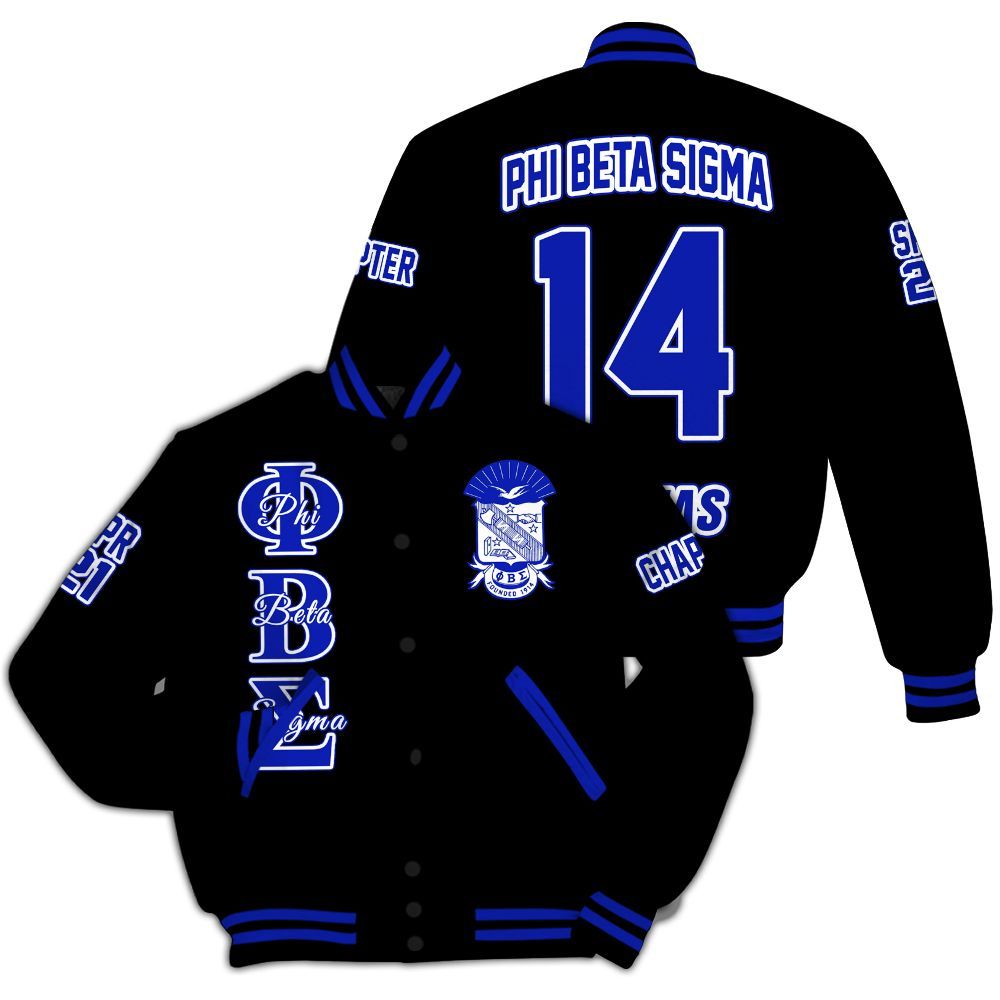

Greek Life Branding and Scarification: The Tradition Explained

Branding is a tradition practiced by members of some Black Greek-letter organizations in which a heated piece of metal is pressed against the skin long enough to produce a permanent scar. The scar takes the shape of whatever the metal was formed into, most commonly a Greek letter or a symbol associated with the wearer’s organization. The result is a mark that cannot be removed and will be visible for the rest of that person’s life.
To those outside Black Greek life, branding can be difficult to understand. To those who have chosen it, the brand is understood as the most permanent possible expression of organizational loyalty and personal identity. The tradition has roots that predate the organizations themselves, a history within the Black Greek community going back to at least the 1930s, and a presence in the culture that organizational policies have not eliminated.
Where the Practice Came From
The practice of branding humans is ancient. Secret societies and religious orders in ancient Greece used brands to mark followers. Brands have been used across cultures to signal membership, status, and belonging. The connotation most familiar in American history, branding used on enslaved people, is one that members of Black fraternities are aware of and address directly when explaining their choice to be branded. The argument from members is that choosing to be branded in the context of organizational pride is fundamentally different in character from branding imposed as a mark of ownership and subjugation.
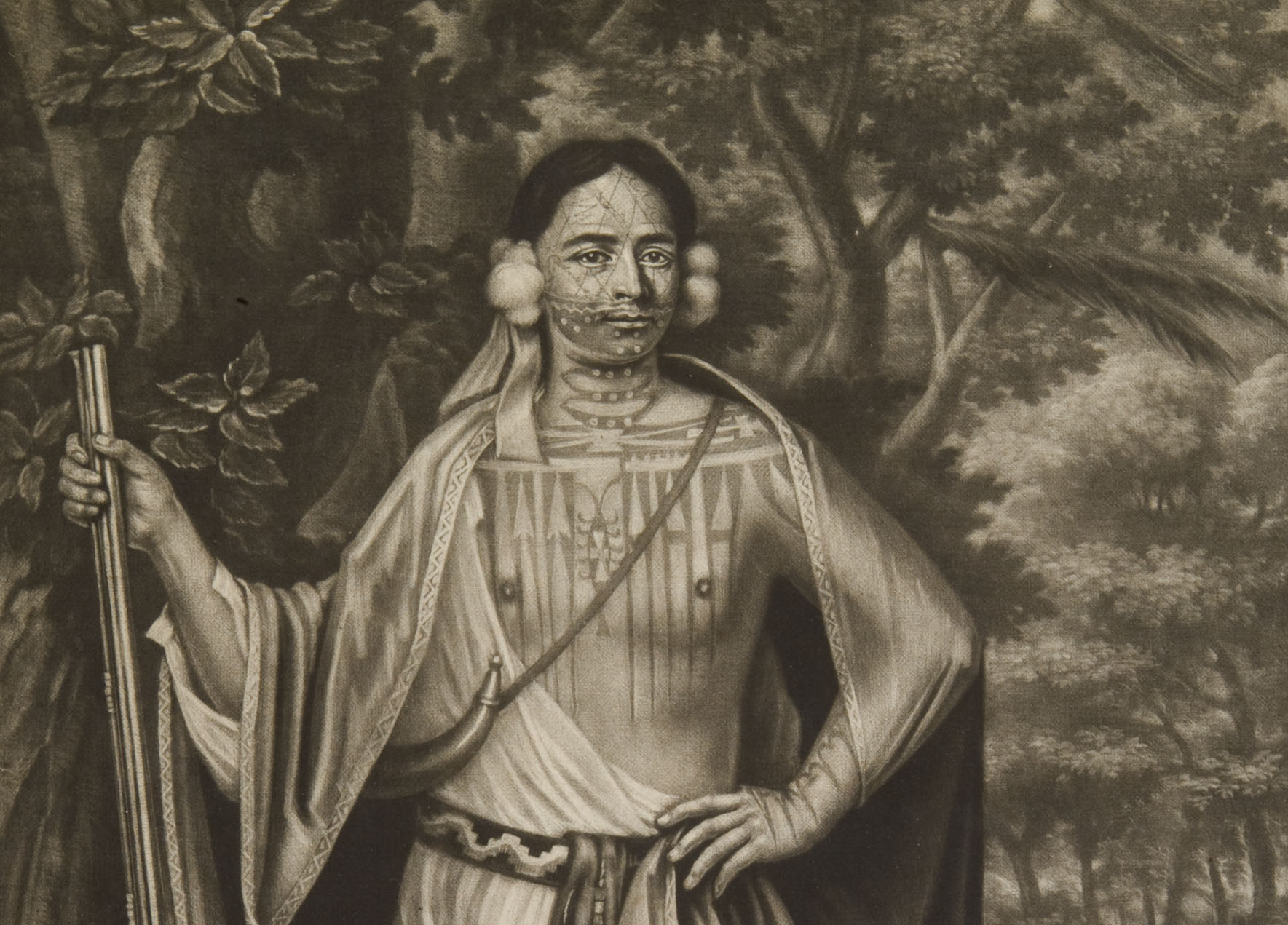
Within the Black Greek tradition specifically, the practice is traced to West African tribal scarification. In many West African communities, scarification served as a marker of identity, community, and rites of passage, a permanent physical inscription of belonging to a group and successful passage through a significant life transition. That cultural lineage connects the branding tradition in Black fraternities to a much older practice of marking the body as a way of claiming identity in a form that cannot be taken away.
The earliest documented instance of branding in the Black Greek context dates to 1931, according to research by folklorist Sandra Mizumoto Posey. Because of the secretive nature of fraternity and sorority rituals, establishing a precise timeline is difficult. What is clear is that by the time the practice became publicly discussed in the second half of the twentieth century, it had already been part of the culture for decades. The history of Black fraternities and sororities in America carries many traditions that developed informally within chapters long before they were publicly acknowledged or written about.

What the Process Involves
In practice, branding in a fraternity context typically involves a piece of metal shaped into a letter or symbol, often a wire hanger formed into the desired shape, that is heated until it is hot enough to sear skin. The metal is pressed to the skin for approximately ten seconds. That contact destroys the skin cells at the point of contact, and as the wound heals, the area forms a scar in the shape of the brand.
The healing process and the final appearance of the scar depend on several factors. The genetics of the person being branded play a significant role. African Americans are more prone to keloid scarring than most other groups, meaning that the branded area can develop raised, enlarged scar tissue that extends beyond the original mark. Some members actively work to shape the scar during healing, cleaning and soaking it in ways that influence how the final mark looks. Others pick away skin to define the shape more sharply. The result varies from person to person.
Branding is typically performed by a chapter brother rather than a professional body modification practitioner, and it is not regulated the way tattooing is in most states. In Florida, for instance, the Department of Health’s Board of Medicine classifies it as an extreme procedure that should be performed only by a licensed physician. In practice, it happens inside fraternity circles without that supervision. Dermatologists note that the risks include infection and permanent skin damage beyond what was intended, and that no treatment can completely erase an established brand.
Why Members Choose It
The reasons members give for choosing to be branded are remarkably consistent across organizations and decades. The brand is described as a physical representation of a commitment that is already understood to be lifelong. If membership in a Black Greek-letter organization is a permanent, lifetime affiliation, then the brand is seen by those who choose it as an appropriate form for that permanence to take. It is a way of saying, with the body itself, that the organizational identity is not something worn only when it is convenient.
Members also speak about the brand as a mark of belonging to something larger than the individual. The process of earning membership, of going through intake, of learning the history and values of the organization, and of building relationships with brothers and sisters in the chapter, creates a sense of having arrived somewhere significant. The brand marks that arrival in a way that is visible and irreversible. As one Phi Beta Sigma member put it, choosing to be branded after three years of consideration: “I’m going to be a Sigma for life, until the day I die.”
There is also a dimension of identity in how brands are worn. Brands often appear on the chest or the left upper arm, close to the heart, and when visible, they are typically displayed with pride. They are not hidden in the way that some marks of embarrassment or regret would be. A brand that shows while wearing a short sleeve shirt is read by other members as a declaration. “It’s one of the most prominent and personal ways you can adopt something into your identity,” said folklorist Sandra Mizumoto Posey. “You are physically changing the shape of who you are.”

Which Organizations and Where Brands Appear
Branding is more common among Black fraternities than sororities, and among fraternities it is most closely associated with Omega Psi Phi. The Omegas have a specific brand known as the Friend link, or the Friend-over-Friend pattern, composed of two designs that require four separate hits to complete. The brand is one of the most recognized marks in Black Greek culture, worn publicly by some of the most well-known members of the fraternity. The cover of the sports book Rebound: The Odyssey of Michael Jordan shows Jordan shirtless, displaying his Omega brand. Jordan is among the most visible examples of how brands worn by members of the Divine Nine have entered public view.
Kappa Alpha Psi and Phi Beta Sigma also have documented branding traditions, though practices vary significantly by chapter. Ricky L. Jones, a professor at the University of Louisville and a member of Kappa Alpha Psi, estimated that more than half of Black fraternity members have brands. Jones himself carries two Kappa brands, one on his left arm and one on his chest. The University of Georgia Kappa Alpha Psi chapter was one of the more publicly reported cases in which branding was part of a broader pattern of hazing allegations.
Brands appear most commonly on the upper chest and the left upper arm. The chest placement carries significance for members who describe the brand as being physically near the heart, which aligns with the framing of branding as an expression of deep personal commitment rather than surface-level affiliation. The upper arm is also a location where the brand can be covered by a shirt sleeve or displayed depending on the wearer’s choice.
Organizational Policies and Health Considerations
No major NPHC organization officially endorses branding. Some have explicit policies against it. The executive secretary of Kappa Alpha Psi’s Philadelphia chapter told the New York Times that the organization did not condone branding and that anyone found doing it would be subject to disciplinary action. Iota Phi Theta’s international grand executive secretary stated a direct opposition to the practice. The position of most organizations is that branding is an individual decision that falls outside official sanction.
In practice, organizational policies have not eliminated the tradition. Chapter-level culture operates with significant autonomy from national offices, and the peer dynamics within a chapter can create informal pressure even when national leadership has taken a clear position against branding. Most fraternity brothers describe the choice as voluntary, but researchers who study hazing acknowledge that the line between genuine free choice and social pressure in a tight-knit initiation context is not always as clear as it is presented.
The health picture is straightforward. Branding destroys skin tissue deliberately, carries a risk of infection, and produces results that vary unpredictably based on the skin type of the person being branded and the skill of the person applying the brand. African Americans face a higher risk of keloid formation, meaning that the scar can grow beyond the intended shape and into a raised, enlarged form. No cosmetic or medical treatment can fully erase an established brand. For anyone considering branding, the permanent and medically unregulated nature of the process is the practical starting point for any honest assessment of what it involves.
Frequently Asked Questions
Is branding the same as hazing in Black Greek life?
Branding and hazing are related but distinct issues. Most fraternity members describe branding as voluntary, a personal choice made by a member who wants a permanent mark of organizational identity. Hazing refers to practices that are coercive, harmful, or forced as a condition of membership. The distinction matters, but it is not always clean: when branding occurs within a culture that also involves hazing, or when social pressure within a chapter makes a technically voluntary choice feel unavoidable, the line between the two can be difficult to draw with certainty.
Which fraternity brands the most?
Omega Psi Phi is most associated with branding in Black Greek culture, and has the most publicly documented branding tradition, including the specific Friend link design. Kappa Alpha Psi and Phi Beta Sigma also have chapters where branding is practiced. The practice is less common in sororities. Among all Black fraternity members, one researcher estimated that more than half have brands, though this varies significantly by chapter, region, and the culture of individual organizations over time.
Why do some Black fraternities use brands instead of tattoos?
Branding and tattooing are both permanent body modifications, but they produce different results and carry different meanings in the fraternity context. A tattoo is applied externally, sitting in the skin. A brand is produced by destroying skin tissue, creating a scar that is wholly part of the person’s body. Members who choose brands over tattoos often describe the scar as a more complete form of physical commitment: it is not something applied to the surface, but something that changes the body itself. The pain involved is also part of what makes the mark meaningful to those who choose it.
Is Greek branding connected to the probate process?
Branding and probates are both part of the broader initiation culture of Black Greek-letter organizations, but they are separate. A probate is the formal public presentation of new members after intake is complete. Branding, when it occurs, is not typically part of the public probate show. It happens within the private context of chapter life, either during the intake process or afterward, as a personal choice made by a member. Some members choose to be branded well after crossing, when they have been part of the organization long enough to feel certain about the commitment a brand represents.
A Mark That Belongs to No One But the Wearer
Branding in Black Greek life sits at the intersection of African cultural tradition, organizational identity, and highly personal decisions about how the body carries meaning. The practice is not officially sanctioned by any of the major organizations, is medically unregulated in most contexts where it occurs, and carries real health risks that anyone considering it should understand clearly. At the same time, it has been part of the Black Greek tradition for nearly a century, and the members who have chosen it describe it in terms that are consistent across generations: as the most permanent way they know to say that their membership is not a phase but a defining fact of who they are.
The tradition will continue to be debated within the organizations and within the broader conversation about Black Greek culture. What the debate rarely changes is what the brand already means to the people who wear it. It is a scar that was chosen, shaped, and accepted into the body as a form of identity. For those members, that is the point.