
Can You Join the Divine Nine After College? Graduate Chapter Guide


If you graduated without crossing into a Divine Nine sorority or fraternity, you did not miss your shot. The answer to whether you can still join after college is a clean yes. Because undergraduate membership requires you to be enrolled, the path for everyone else runs through a graduate (or alumnae) chapter, and those chapters are built specifically for college-degreed professionals who want to come in as adults.
This guide covers the part of intake that looks different once you have a diploma: what graduate chapters require, what the timeline really feels like, what the dues add up to, and how to find a chapter close enough to actually show up for. For the broader walkthrough of how NPHC intake works in general, the full intake guide covers the seven-step path that applies to both undergrad and grad candidates.
Yes, You Can Cross After Graduation
Some students fear that not joining during college means missing the best years of the experience. That worry does not survive contact with an active graduate chapter. Your commencement is a new chapter in your life anyway, and being initiated through a grad chapter is a new beginning that lines up with it.
Graduate-level pledges are not consolation prizes. Long-time members will tell you the work feels different but not smaller. Author Eddie Francis, who served as a graduate chapter president of Alpha Phi Alpha, has written that grad members carry a tighter focus on personal responsibility and on the lofty demands of fulfilling their organization’s mission. You enter that conversation as soon as you cross.
Graduate Chapter vs Undergrad at a Glance
The mechanics of the path itself are the easiest thing to get wrong if you assume grad chapter is just undergrad with a later start date. Here is the short version of what changes.
| Dimension | Undergraduate chapter | Graduate chapter |
|---|---|---|
| Who can apply | Currently enrolled students meeting GPA and credit minimums | People who already hold an undergraduate degree |
| Pace of joining | Tied to the campus academic calendar | Runs on the chapter’s own calendar, not a school year |
| Cost | Lower intake fees, lighter annual dues | Heftier intake fees plus annual dues, conferences, regionals |
| Time commitment | Built around class schedules and campus events | Built around a full work life, family, and bills |
| Network you join | Mostly peers your age plus advisors | Career-deep professionals already years into their fields |
| What you give back | Programs sponsored by the chapter and council | Sustained service tied to a cause or committee you stay with |
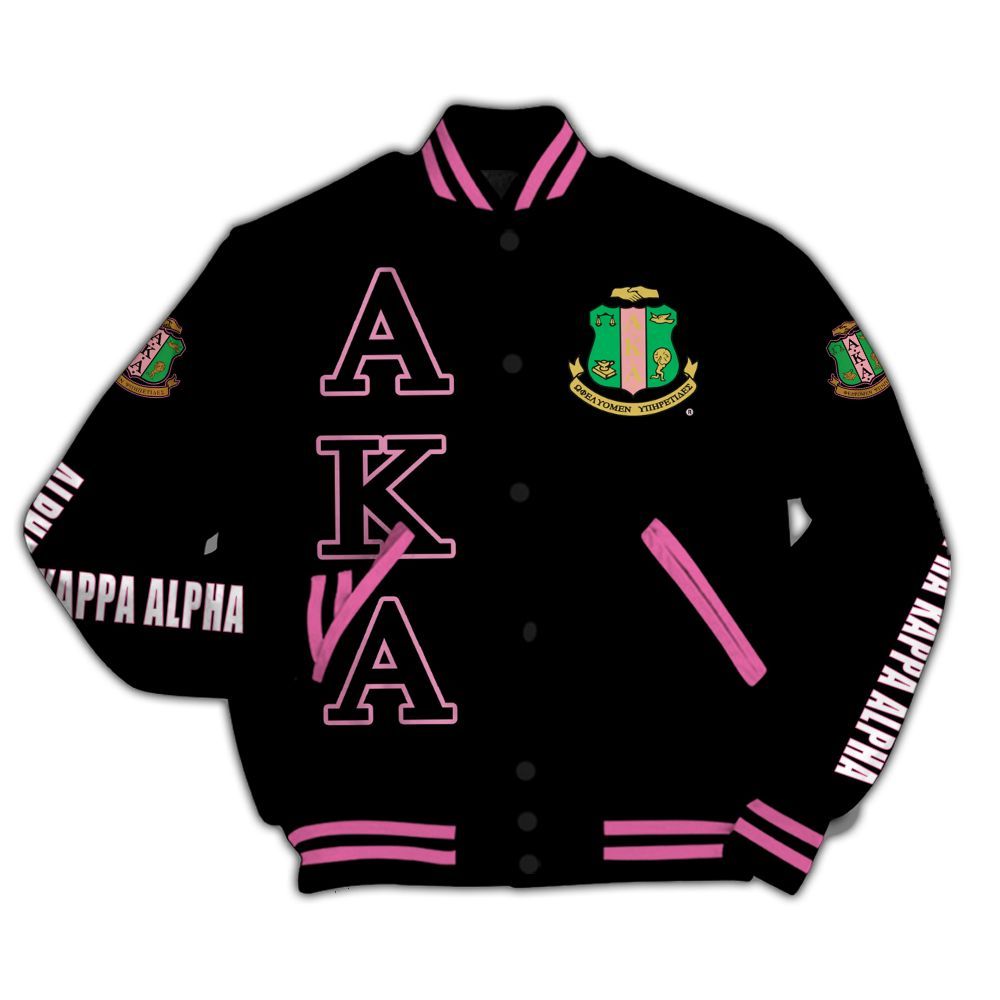
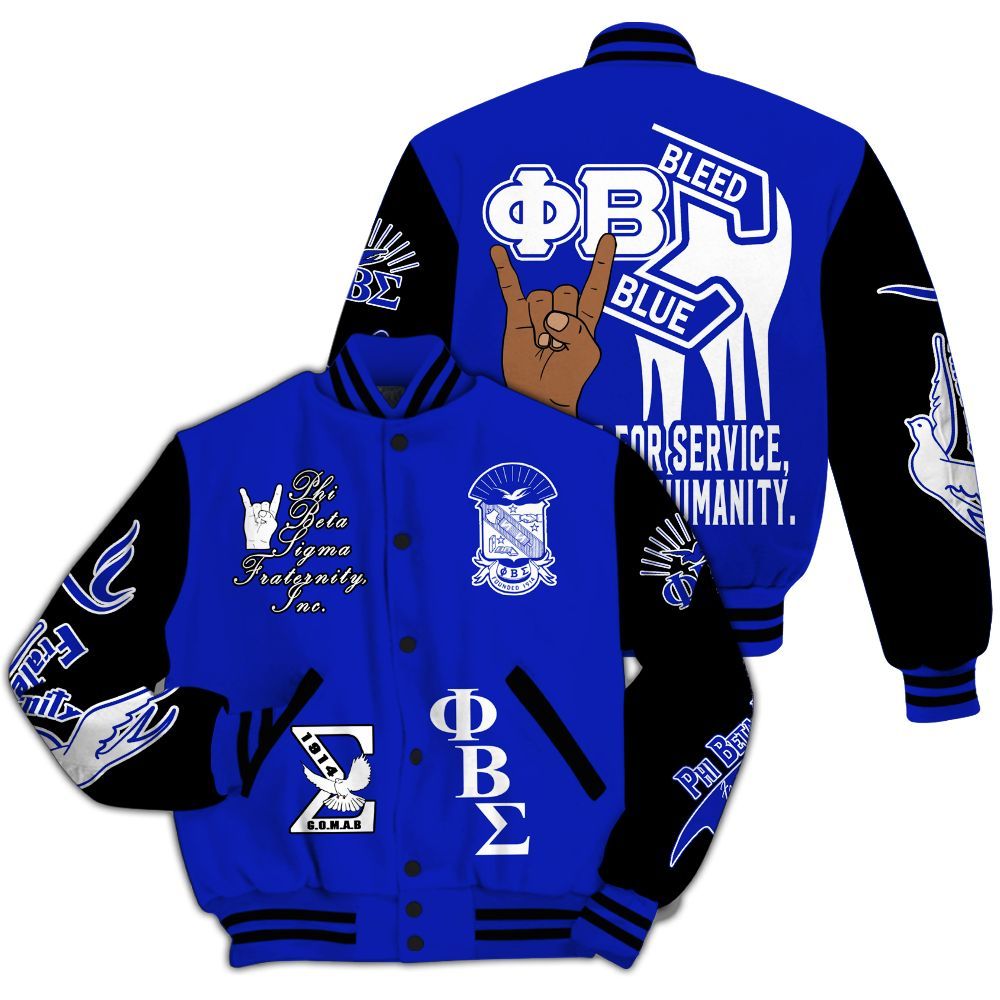
Once you’re official, the first thing every new grad-chapter member wants is something that says it — fraternity gear and sorority gear both come cut in each organization’s own colors.
Custom Chapter Jacket
Repping your line and your new chapter starts with gear made for the occasion.
 Varsity Jacket →
 Bomber Jacket →
 Hoodie →
Who Qualifies to Pledge a Grad Chapter

Each of the nine organizations writes its own grad-level intake rules, but the requirements share a common shape:
- You hold an undergraduate degree from an accredited college or university.
- You meet the organization’s specific service-hour or community-engagement requirement, which can be steep enough that you should be building a service resume now if you plan to apply later.
- Your social media reflects the version of you the chapter can vouch for. Anything that would make your grandmother raise an eyebrow gets cleaned up first.
- You can articulate your why: what is drawing you to this specific organization, and what you uniquely bring that the chapter does not already have.
The last one is what separates candidates more than the paperwork does. Chapters interview people whose service resumes look identical. The candidates who get bids are the ones who can answer that question without sounding rehearsed.
How to Find a Graduate Chapter Near You
Unlike undergrad chapters, which are bound to a specific campus, grad chapters operate by city or region. The first task is mapping out which chapters of your target organization meet within driving distance, and then narrowing by fit. Distance to meetings, how often they meet, chapter size, how long the chapter has been established, and the specific causes the chapter champions are all variables that should weigh on your decision before any application materials get touched.
Even a great chapter that meets two hours away is a great chapter you will skip half the time. Be honest with yourself about your commute, your weeknight bandwidth, and your weekend obligations. The chapter you can actually show up for beats the prestigious chapter you can only attend twice a year.
Showing Up Before You Apply

Grad chapters move slower than undergrad chapters on purpose, and they make their decisions based on who has been in the room with them. The pre-application work is what builds that file.
Do a Test Run on Multiple Chapters
Sampling chapters in your area ahead of time gives you a feel for the chapter’s style, culture, and customs. Look up every chapter of your target organization within reach, attend a few open meetings, and join the email list so you stay in the loop. As a courtesy, let the Membership Director know you are planning to visit. Some events are reserved for financial members only and you do not want to walk in cold.
Conduct an Informational Interview
An informational interview with the Membership Director is one of the strongest moves you can make. Think of it as a job interview run in reverse. Prepare around three honest questions about chapter expectations, dues, or the committees you would want to serve on, and ask for a 30-minute coffee or phone call. That single conversation tells you more about chapter fit than any FAQ page will.
Attend Public Events Without Asking for Anything
Show up at the chapter’s open programs. Members can tell when you are chatting them up to get something out of them. Let the relationship develop on its own pace. Pushy candidates are remembered, and not in the direction you want.
What the Money Actually Looks Like
If undergrad pinched your pockets, grad chapter will surprise you. Becoming financial at the graduate level carries a heftier price tag than most candidates expect because the dues are only the first line of a longer list.
- Annual chapter dues set by national and regional bodies.
- Conferences, clusters, and regionals, plus the travel and lodging to attend them.
- Cause-based contributions and program sponsorships your chapter votes on each year.
- Galas, anniversaries, and chapter-trip savings funds.
- Paraphernalia, from jackets to acknowledgment items for recognitions and milestones.
The relief valve is that most grad chapters offer payment plans. Ask the Membership Director about the dues schedule, any discount incentive for newly graduated members, and whether the chapter runs a Reclamation Campaign discount for former members coming back. Knowing your financial feasibility before you apply lets you say yes to the right line items and pass on the optional ones without guessing.
What You Trade and What You Gain

The biggest misconception about joining as an adult is that you trade the fun for the responsibility. Grad members in active cities will tell you that is wrong. Road trips, step shows, picnics, basketball tournaments, and the graduate Greek show format that has been growing in places like Dallas-Fort Worth are all standing fixtures of grad-chapter calendars. The difference is you can actually afford the trips now.
You also walk into a professional network that no undergrad chapter can match. The sorors and brothers you sit next to in meetings are often years deep into their careers, sometimes building entire careers around the service the organization stands for. Advanced degrees in social work, public policy, education, criminal justice, fundraising, and social entrepreneurship show up around the chapter table. The mentoring you get is the kind people normally pay coaches for.
Friendship is the part that surprises adult members the most. Building genuine friendships in your thirties is harder than building them in college, and a grad chapter sets you down in a room of like-minded people who already share your values. Some of your closest friendships for the next decade will start at chapter business meetings.
What you trade is the soft-launch tolerance undergrad chapters extend to first-time members. Grad chapters are not perfect. You will still deal with human agendas and the slow grind of team-building. Choosing the right organization in the first place, and then the right local chapter inside it, is how you keep that grind worth the time.
Before You Sign Your Name
Map out your real calendar before you turn anything in. The chapter does not need a candidate who can manage one busy month. It needs someone who will still be active two years in, when the job got harder and the family got bigger. Pick a committee that lines up with a cause you already care about, tell the committee chair what you can realistically offer, and let your bid be the start of the work, not the finish line. The staying active after college guide gets into the habits members lean on once the initial excitement fades.
Whatever you decide, when it’s official you’ll want gear that fits the moment — grad chapters lean on the same jackets and hoodies as undergrad lines, just in the deeper, richer takes on the colors that read as a seasoned member rather than a new intake.
Ready when you are
Custom chapter jackets for crossing day, chapter meetings, or every occasion in between.
Quick Answers for Adult Pledges
Can you join D9 in grad school?
Yes. Graduate students with a completed undergraduate degree apply through the same grad/alumnae chapter route as any other post-college candidate. Active graduate enrollment is not required by most chapters, only the bachelor’s degree.
Can I join a sorority after graduating college?
Yes, through an alumnae or graduate chapter of the Divine Nine organization you want. Each organization runs its own intake on its own calendar, so the question is finding the chapter near you and timing your application to its next intake window.
Can a graduate student join a sorority?
Yes, on the same alumnae-chapter path as any other post-college applicant. A few campuses also host professional or honor sororities that admit current grad students, but those are separate from the nine NPHC organizations, which use the graduate chapter as the post-bachelor’s path.