

If you have spent time around Black Greek life, you have almost certainly seen both and probably heard the terms used interchangeably. Someone says the Deltas are stepping when what they mean is the Deltas have formed a line and are moving through the room at a party. Someone else calls everything at a step show strolling. The confusion is understandable because both traditions live in the same organizations and share the same cultural roots. But stepping and strolling are not the same thing, and members of the Divine Nine will tell you the distinction matters.
What Stepping Is
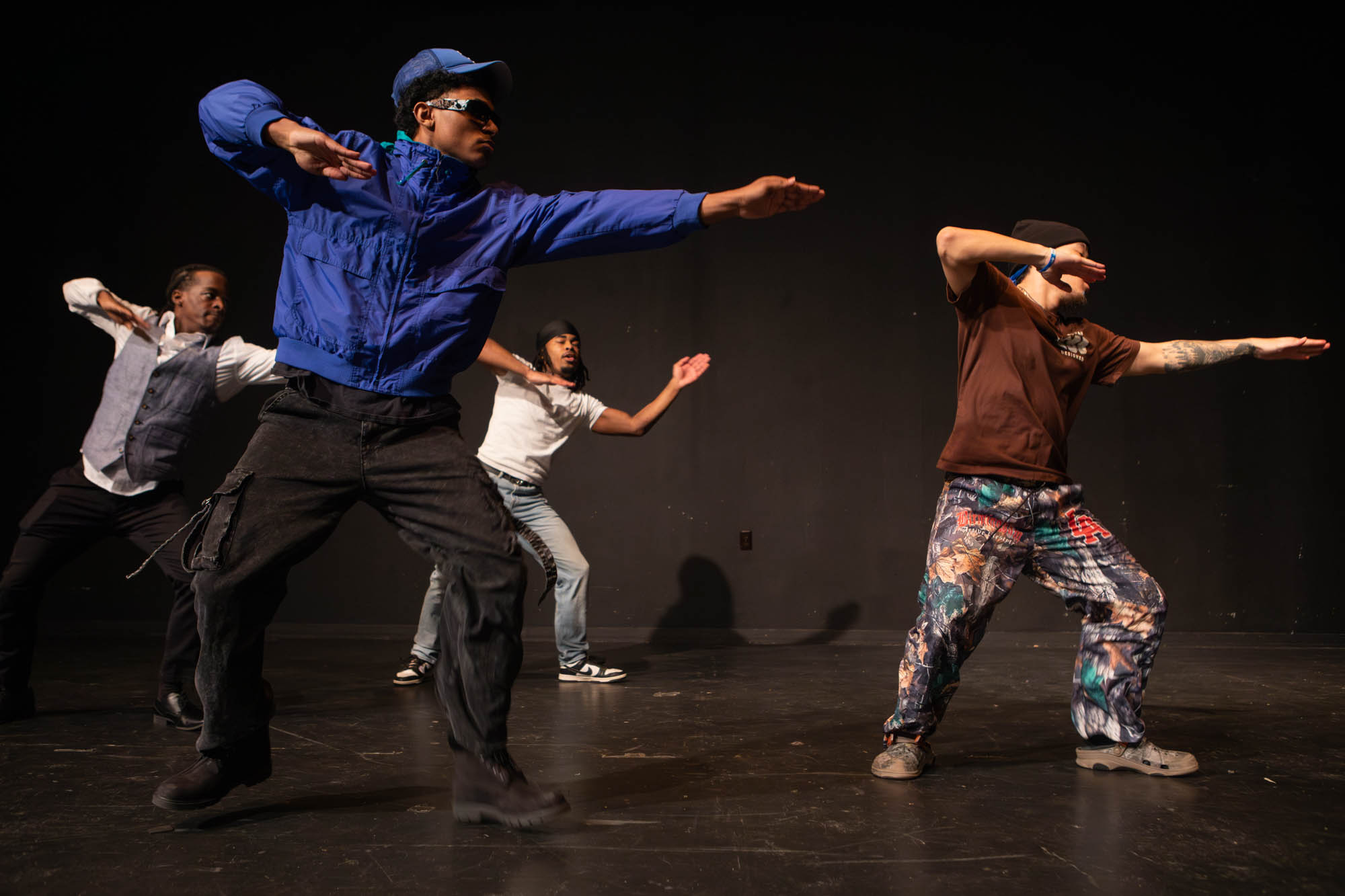
Stepping is a percussive art form in which the body becomes the instrument. A team performs in a stationary formation, generating layered rhythms through stomps, claps, and body slaps without any external music. Routines are rehearsed for weeks or months and built around chants, themes, and sometimes props such as canes or blindfolds. The result is closer to a staged performance piece than a social activity, shaped by the specific values of the organization performing it.
For the full lineage of how the form developed, from its African and African American percussive roots to the first organized Greek Show at Howard in 1976, see our stepping guide.
What Strolling Is
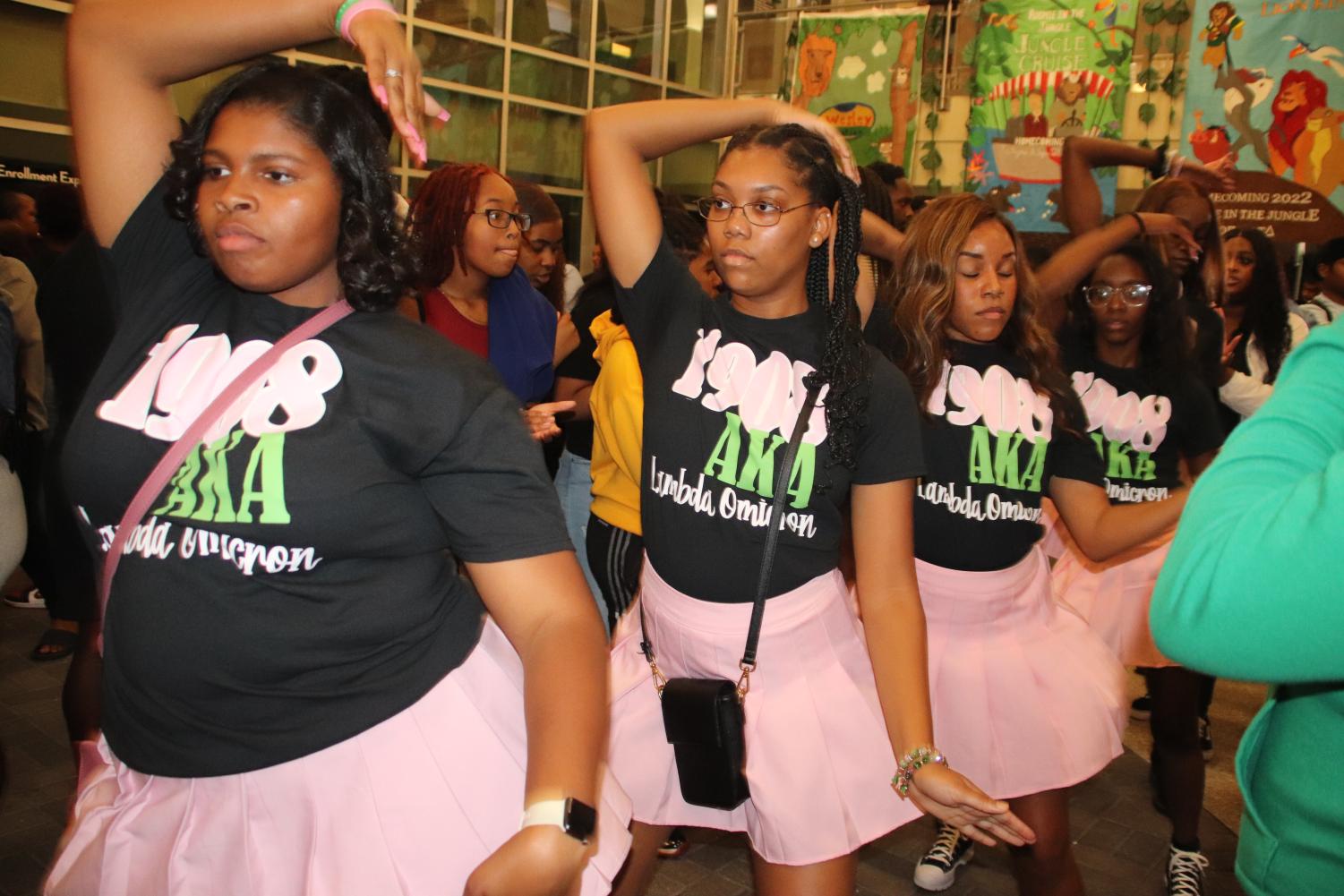
Strolling is what happens when a song comes on at a party or homecoming event and members of an NPHC organization form a moving line. Each organization has its own stroll, set to a song they have come to claim, with a choreographed sequence of steps, shimmies, and signature moves performed in sync as the line travels through the room. The Kappa Shimmy and the Sigma Walk are examples instantly recognizable inside the community.
Unlike stepping, strolling is performed to external music and carries a more social energy. It happens inside the ordinary flow of events rather than as a dedicated formal performance. The tradition reaches back more than a hundred years and carries organizational history at every level. For the full strolling history, including its African roots and how chapters pass strolls forward, see our dedicated guide.
Stepping vs Strolling: The Key Differences
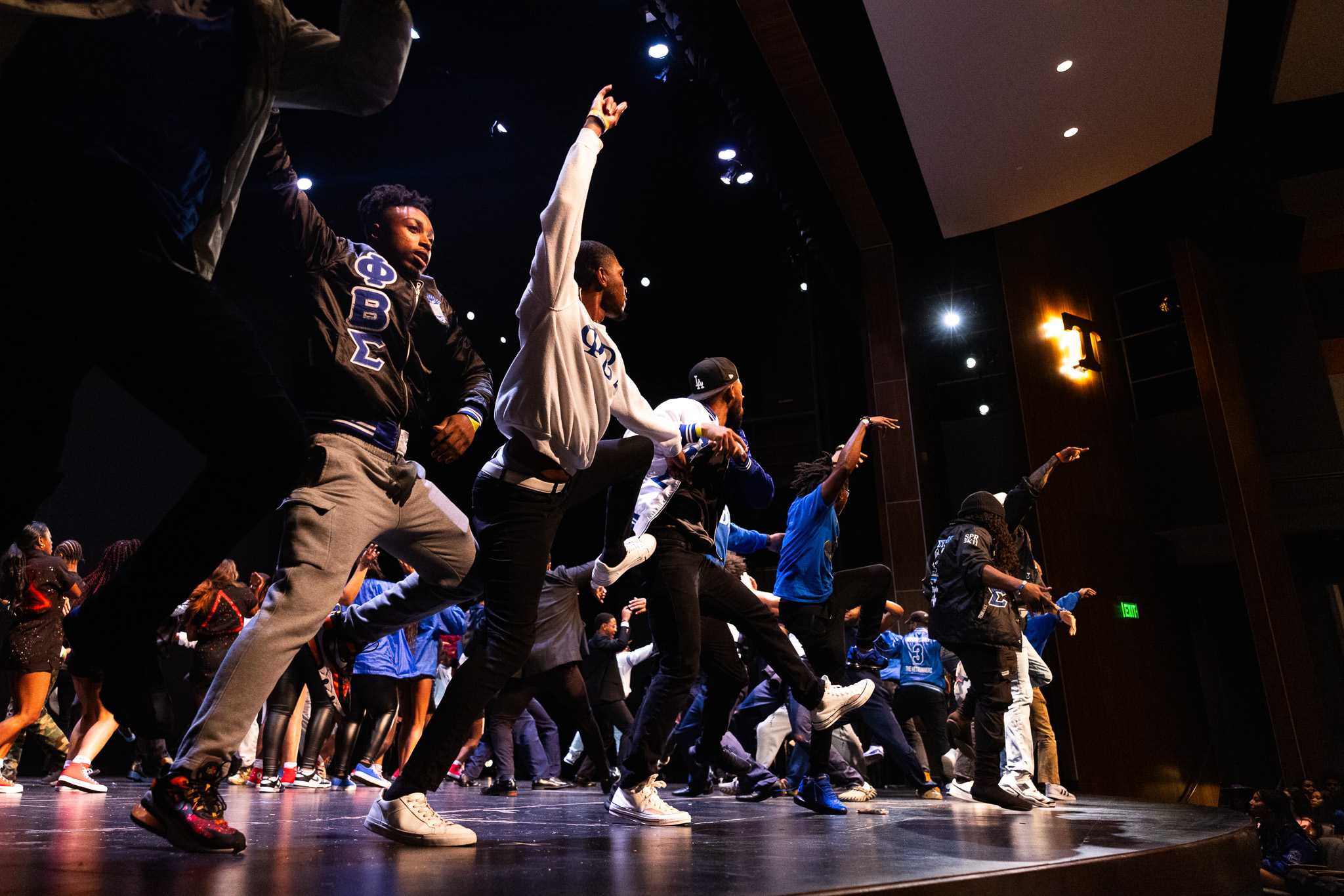
The simplest way to separate the two: stepping happens in one place and makes its own music; strolling moves through a room and uses the music that is already playing.
| Criteria | Stepping | Strolling |
|---|---|---|
| Movement style | Percussive: stomps, claps, body slaps | Rhythmic dance choreography |
| Format | Stationary formation | Moving line through a space |
| Setting | Step shows, probates, formal performances | Parties, homecoming events, social gatherings |
| Music | Chants, vocal percussion, spoken word | Popular songs, remixed tracks |
| Origins | 1940s, BGLO initiation rituals | Early 1900s, formalized by AKA in the 1920s |
| Preparation | Weeks or months of rehearsal | Learned moves, adapted to the moment |
| Cultural function | Competition, tribute, organizational history | Celebration, unity, social expression |
Both traditions draw from the same cultural roots in African and African American expressive culture, shaped by South African gumboot dance, Black church call-and-response hymns, and the percussive traditions that survived the forced suppression of drumming in enslaved communities. Both are specific to NPHC organizations, though strolling has since been adopted by Latino, multicultural, and other Greek organizations. And both serve as expressions of organizational pride and collective identity.
The distinction that matters most in practice is context. A step show is a dedicated event, planned and ticketed, where organizations perform for an audience. A stroll starts when the right song comes on. One is a formal discipline; the other is a social response. Phi Beta Sigma is recognized as the first Greek organization to formalize stepping, while AKA holds the earliest known stroll. The two traditions have always lived side by side within the same organizations, which is part of why the line between them blurs so easily from the outside.
What Everyone in the Room Needs to Know

Whether or not you are a member of an NPHC organization, there are rules around strolling that everyone who attends events with Black Greek organizations is expected to understand.
The most important is this: never break a strolling line. When a fraternity or sorority forms a stroll, the line is a closed unit. Walking through it, stepping into it, or otherwise interrupting it is considered a serious breach of respect. Non-members who witness a stroll are expected to clear the floor and make space. The line has the floor, and the unwritten rule is well known in campus environments where Greek life is active.
The same applies to performing the stroll itself. Each organization’s stroll is specific to its members. Joining the line, mimicking the moves, or attempting to perform an organization’s stroll without being a member is not done. Strolling is an expression of membership and organizational identity. It is not a casual performance that invites participation from outside the organization, and members of NPHC chapters treat that boundary seriously. Stepping carries the same boundary in formal settings: only members step, and the routines are not shared outside the organization.
Frequently Asked Questions
Are stepping and strolling the same thing?
They are not. Stepping is a percussive, stationary performance using the body as an instrument with no external music, typically performed at organized events like step shows. Strolling is a choreographed line dance performed to music at parties or social gatherings. Both are NPHC traditions that share cultural roots, but they happen in different settings and serve different functions.
Which came first, stepping or strolling?
Strolling has the earlier documented origins, traceable to the early 1900s with Alpha Kappa Alpha credited for one of the first formalized strolls in the 1920s. Stepping as a distinct discipline developed later, becoming established in Black fraternities during the 1940s. Both grew from the same organizational performing traditions, including the Greek Sings of the early twentieth century and the ceremonial Death March that preceded the modern probate.
Can non-members join a stroll or step routine?
No. Both strolling and stepping are specific to members of the organizations that perform them. For strolling in particular, joining a moving line without being a member of that organization is considered disrespectful. Non-members are expected to clear the floor and watch. Some organizations step for the broader campus as an act of cultural sharing, but participation in the routine itself is always reserved for members.
Do all Divine Nine organizations have their own stroll?
Yes. Each of the nine NPHC organizations has its own stroll, distinct in choreography, music, and signature moves. The Kappa Shimmy, the Sigma Walk, and the Q-stroll are among the best known, but all nine organizations have specific strolls tied to their organizational identity. Chapters may also adapt their strolls over time while preserving the core moves that define the organization’s style.
Two Traditions, One Culture
Stepping and strolling developed out of the same impulse: the desire of Black Greek organizations to express identity, honor organizational history, and build collective belonging through movement. That shared root is why the confusion between them persists. To an outsider watching from across a room, both look like organized group movement with chanting and energy. Up close, they are doing completely different things with that energy.
Stepping is built for the audience and carried entirely by the performers. Strolling is the room responding to a song that already belongs to the organization. Knowing which is which is the first step toward understanding why both matter, and why the rules around them are taken as seriously as they are.