
HBCU Yard Culture and Greek Plots Explained

If you have ever walked through Howard’s campus the week before homecoming, or stood on the lawn at Florida A&M when a probate is about to break, you already know there is something specific about the open space at an HBCU. It is not just a quad. It is the Yard, and the parts of it that belong to the Divine Nine fraternities and sororities are called plots. Yard culture is the social, ceremonial, and visible heart of Black Greek life on an HBCU campus, and to understand it you have to know what the Yard is, why the plots sit where they do, and what happens there throughout the academic year.
What the Yard Means on an HBCU Campus
The Yard refers to the central outdoor gathering space on an HBCU campus, the place where students congregate between classes and where most of the visible social life of the school plays out. As one tradition guide puts it, the Yard is “the central area of campus, a prominent gathering place and social scene for HBCU students.” It is where you run into people you know, where flyers go up, where impromptu performances happen, and where the rhythm of the campus is set day to day.
What makes the Yard distinct from a quad at a predominantly white institution is the cultural density. HBCU traditions, from the marching band warming up nearby to the calls and chants exchanged as greetings between students and alumni, gather around this one piece of ground. Every HBCU has its own chant, its own colors, and its own way of carrying itself on the Yard, and that is the first piece of HBCU culture a new student picks up, often before any formal orientation event explains it.
Why Greek Life Owns the Yard, and Where Plots Fit
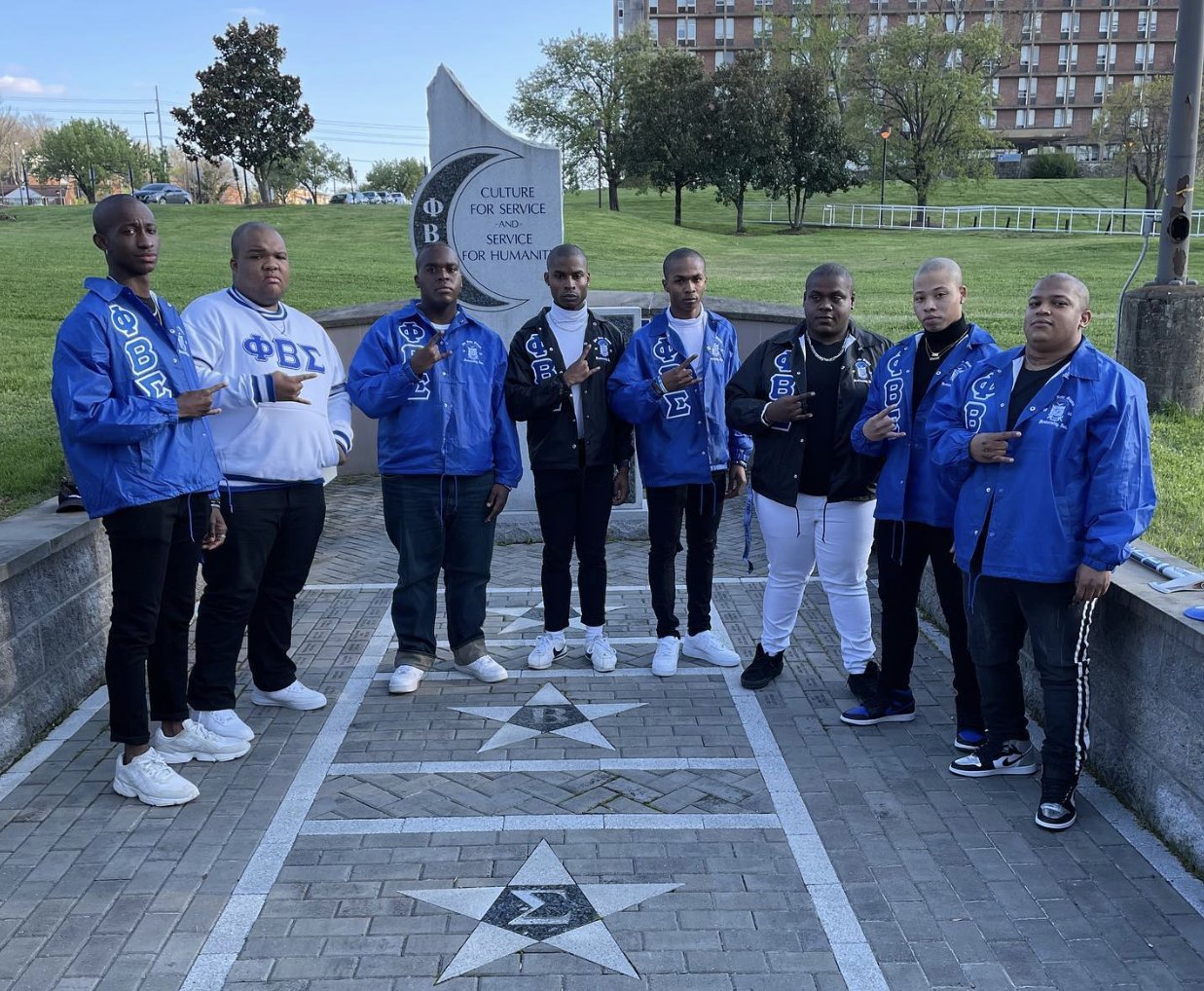
The nine historically Black fraternities and sororities, known as the Divine Nine, were not founded as a side activity on Black college campuses. Six of the nine were founded at Howard University, and the National Pan-Hellenic Council itself was founded at Howard on May 10, 1930. Their relationship with HBCU campus life is institutional, not optional. That is why, when you arrive on the Yard at an HBCU with active Greek life, you see the Divine Nine before you see almost anything else.
Their presence concentrates in specific spots on the Yard. A Greek plot is a designated piece of that central campus space that belongs, by long tradition, to a particular chapter or organization. At many HBCUs the plots are marked with the organization’s letters or colors, and the surrounding ground is treated as that chapter’s home base. Members gather there before strolls, host meet-and-greets there during intake season, and stand together there during probates and homecoming events. To everyone else on the Yard, the plot is a visible signal of which organizations are most active on that campus and what the local hierarchy of Greek life looks like.
This is also why, year-round, Greek life events happen on the Yard rather than indoors. The same tradition guide notes that “you may even see impromptu competitions on ‘the Yard'” and that step and stroll shows happen as fun events year-round, not just during homecoming or probate season. The plots are the staging ground for that. A chapter does not need a stage or a booked auditorium to step. The plot is the stage, and the rest of the Yard is the audience.
The Yard, Season by Season
Probate Season
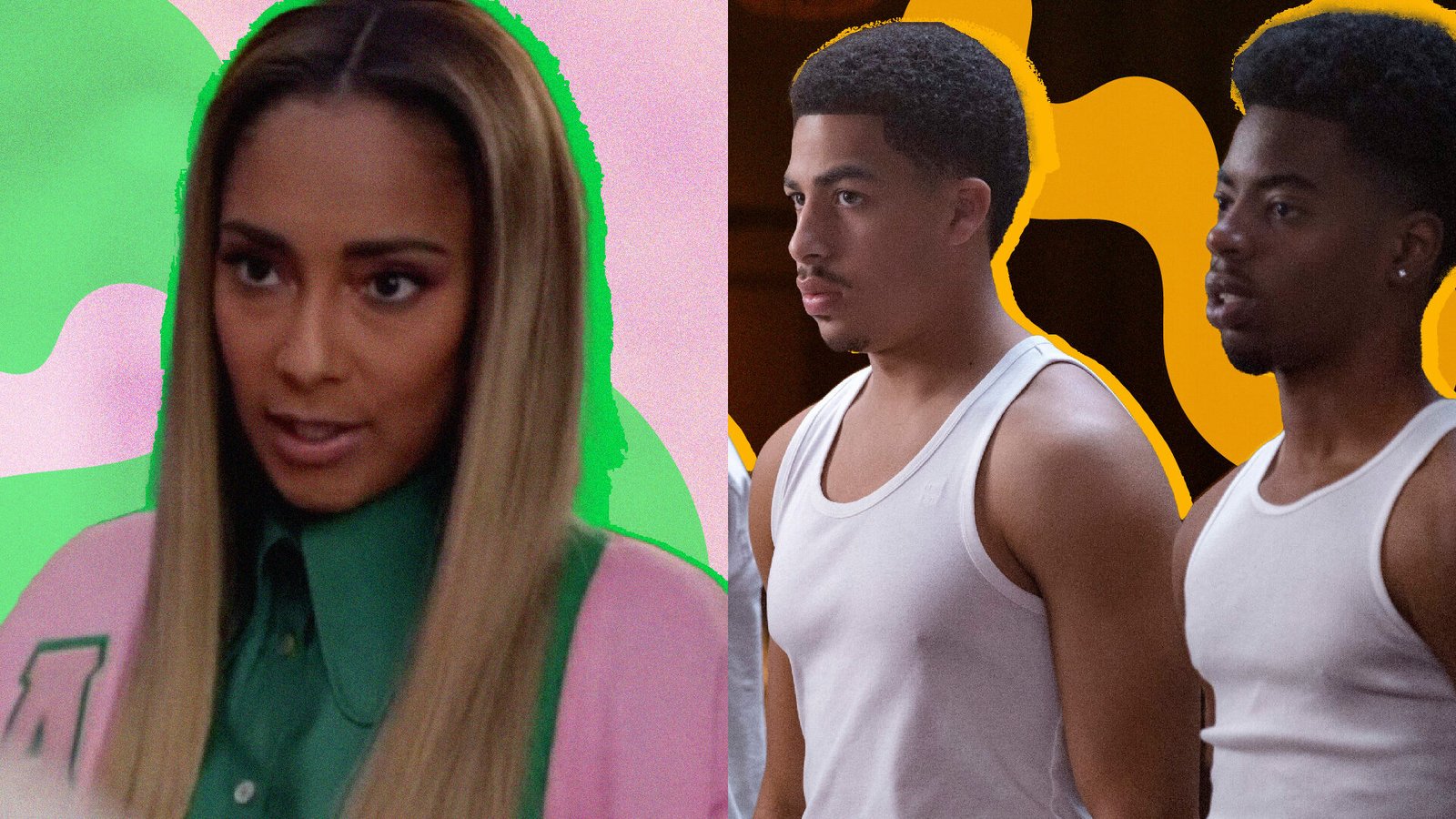
Probate is the most intense moment a plot will see all year. During probate season, new Black Greek-letter organization members are introduced to their HBCU campus through “creative, high-energy shows involving singing, chanting, stepping, strolling and other rituals unique to each organization.” Because the pledging process is kept secret, the probate is the reveal. Crowds form on the Yard the night of, the new members arrive in formation, and the chapter takes over its plot for a show that can run an hour or more.
Step Shows and Stroll-Offs
Step shows and strolls are the recurring performance tradition that defines yard culture between the big calendar events. Stepping is a stylized syncopated movement performed at competitive shows, rooted in African diasporic traditions and shaped by Black Greek-letter organizations into their current form. Strolling is the line dance that Divine Nine organizations perform when a song they love comes on. Both can happen formally on the Yard during major step shows, or informally on a plot when a chapter feels like it. The unique calls, chants, and dances of each Divine Nine organization keep these performances distinct from one chapter to the next.
Homecoming
Homecoming is when the Yard is at its most crowded and the plots become almost ceremonial. HBCU homecoming is a week-long event that brings alumni back to campus, fills the air with music and food vendors, and culminates in the football game and halftime show. Major artists have appeared as surprise guests, as when Drake showed up at Howard’s 2012 homecoming during a 2 Chainz set in a bright red Howard sweatshirt. Throughout the week, every chapter on the Yard sets up its plot as a kind of alumni meeting point, where members from decades apart cross paths and the continuity of the organization on that campus becomes visible.
The HBCU Yards That Set the Tone
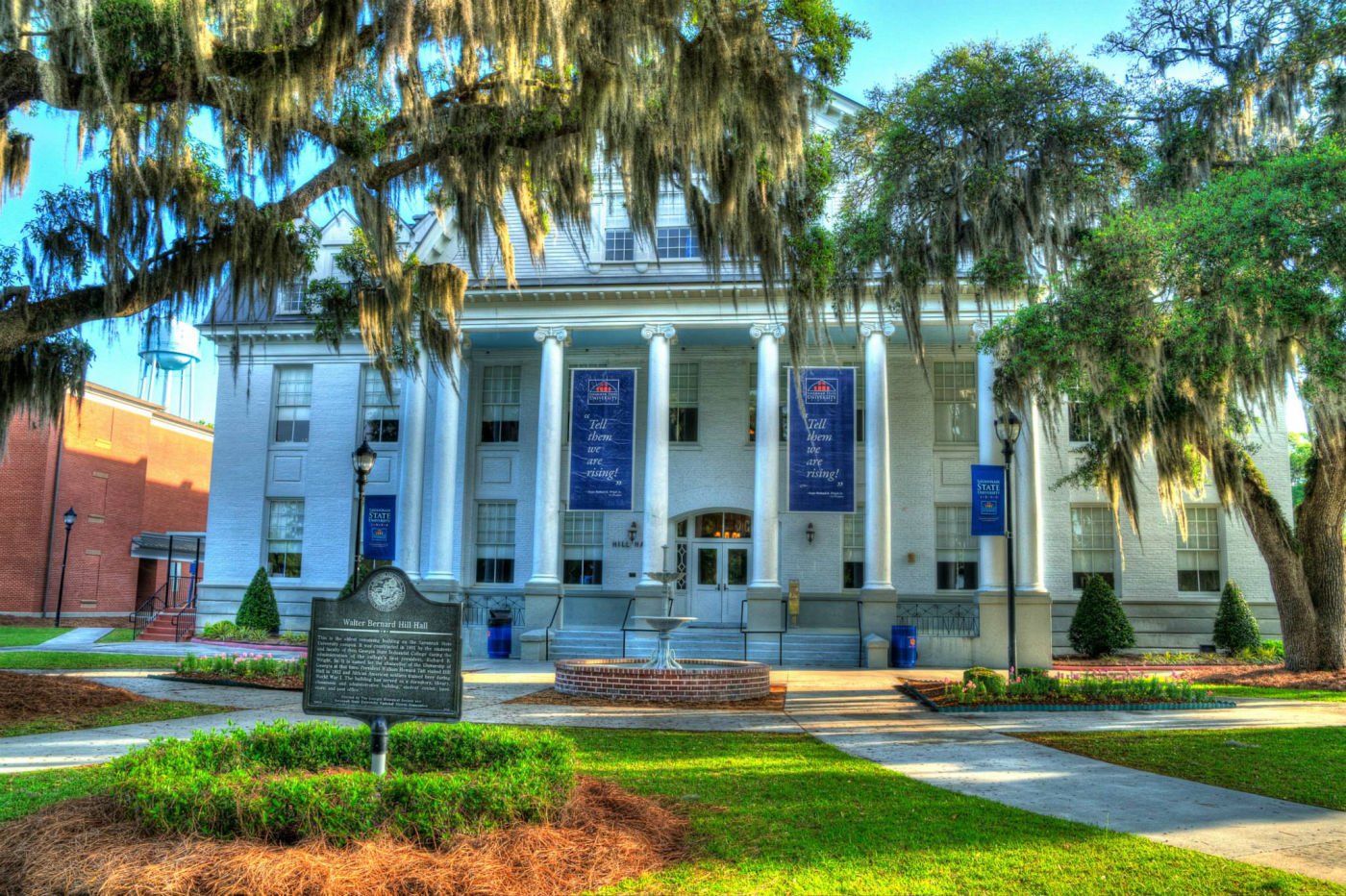
Some HBCU yards have outsized influence on Black Greek culture because of who was founded on them. Howard University is the most obvious example. Six of the Divine Nine were founded at Howard, including Alpha Kappa Alpha, the first Black sorority, on January 15, 1908. When the National Pan-Hellenic Council was founded at Howard in 1930, the school became the institutional center of Black Greek life, and its Yard has carried that weight ever since.
Other HBCU yards have built their reputation on what they put into the culture rather than what was founded there. Schools like Florida A&M, Hampton, Spelman, Morehouse, and North Carolina A&T each have yards with their own pageantry, step shows, halftime traditions, and stroll routines that members carry with them into graduate chapters and alumni life. HBCU graduates often describe meeting any other HBCU graduate, anywhere, as something close to meeting family, and the Yard is where that family forms in the first place.
Why the Yard Holds the Culture
The Yard is small in physical terms. On most HBCU campuses it is a quad, a lawn, a stretch of sidewalk. But because it is where students gather between classes, where chapters perform, where homecoming converges, and where alumni return year after year, it carries more cultural weight than any single building on campus. The plots inside it are not just patches of grass. They are how Black Greek organizations made themselves visible at institutions that had been built around them in the first place.
To understand HBCU yard culture is to understand that Black Greek life is not just an extracurricular at an HBCU. It is part of the architecture of the school, occupying ground that the entire campus walks past every day, and it has been doing so for more than a century.