What Was the First HBCU? Cheyney University and the Oldest HBCUs

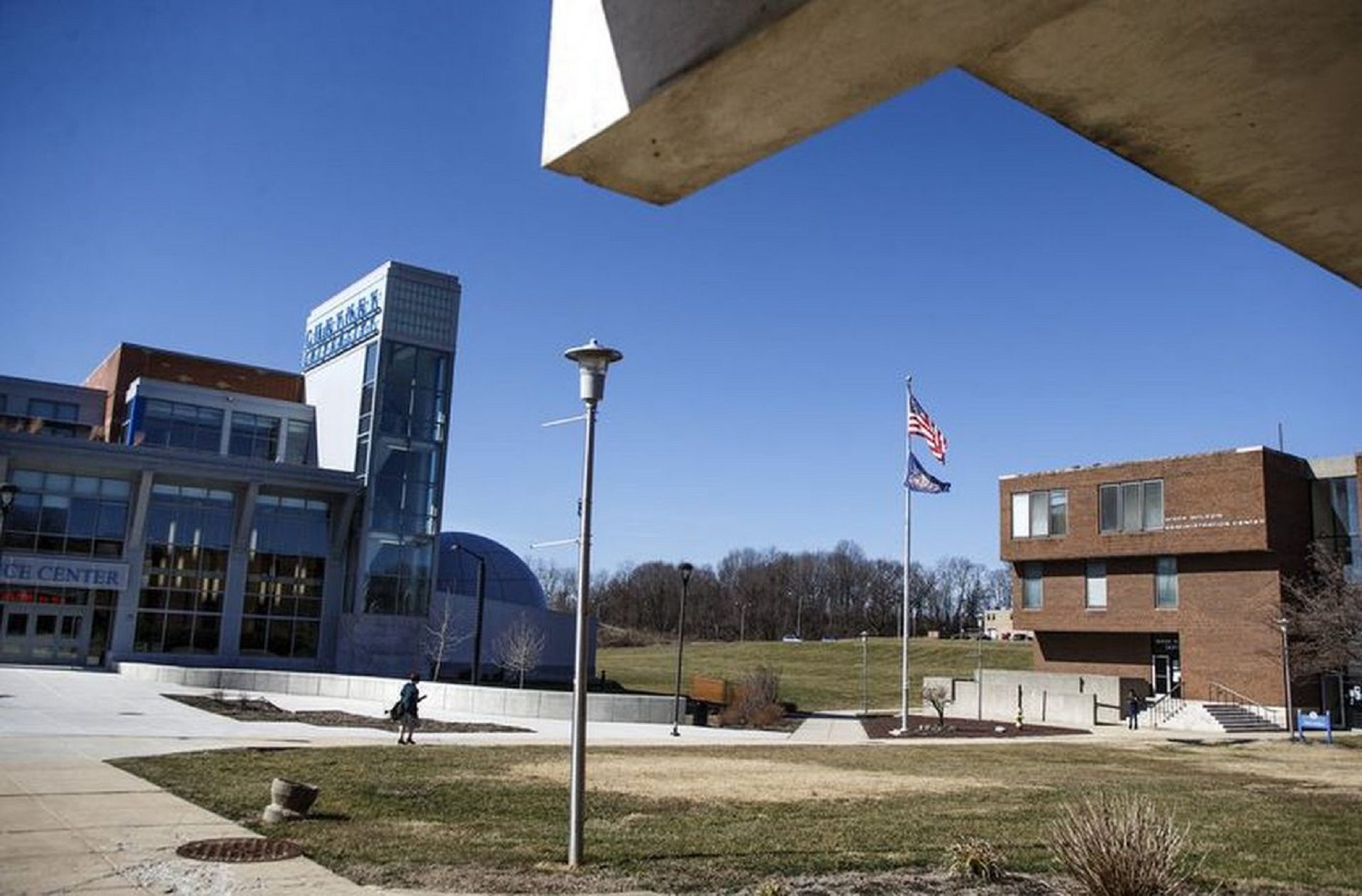
The first and oldest HBCU in the United States is Cheyney University of Pennsylvania, founded on February 25, 1837. Established through the bequest of Richard Humphreys, a Quaker philanthropist, it began as a school to educate people of African descent decades before the Civil War, making it the earliest of the nation’s historically Black colleges and universities.
Cheyney holds the title, but the early history of Black higher education has more than one milestone. A few institutions founded soon after each claim a different “first,” from the first degree-granting HBCU to the oldest private one owned by African Americans. Here is which college came first, the oldest HBCUs in order, and how the record is often misread.
What Was the First HBCU?
The first HBCU was Cheyney University of Pennsylvania. On February 25, 1837, it was established through the bequest of Richard Humphreys, a Quaker philanthropist who left $10,000, one-tenth of his estate, to design and found a school to educate people of African descent and prepare them as teachers. That founding date is why Cheyney is recognized as both the first and the oldest HBCU in the nation.
The school was first known as the African Institute and was soon renamed the Institute for Colored Youth. In its early years it provided training in trades and agriculture, the skills most in demand in the economy of the time. The institution predates the Civil War by more than two decades, which sets it apart from the wave of Black colleges founded after emancipation.
How Cheyney Became the First HBCU
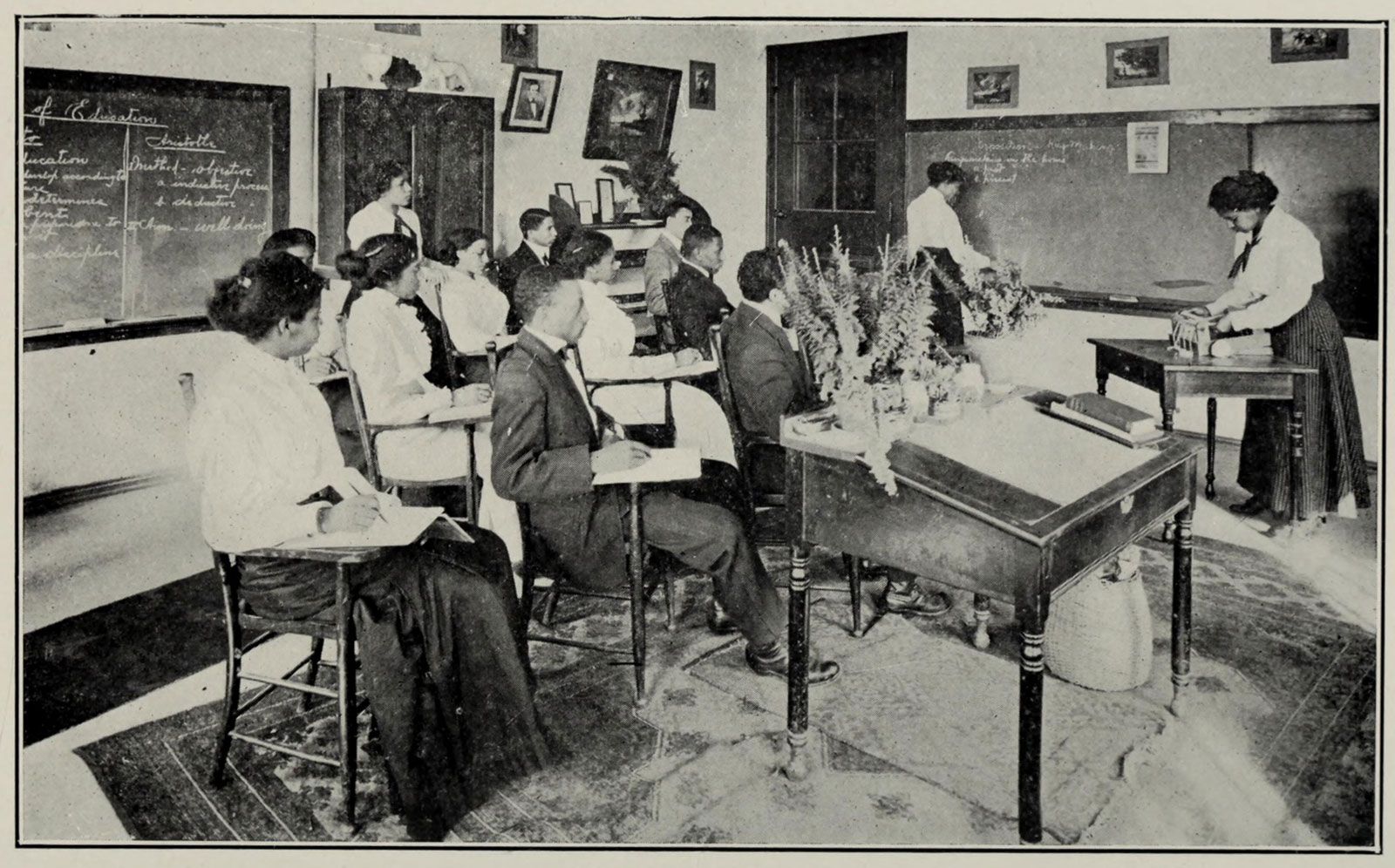
Richard Humphreys grew alarmed at the practice of limiting or prohibiting the education of Black Americans, and his bequest was a direct answer to it. The Institute for Colored Youth opened as a place where that education could happen, first in Philadelphia and then on a larger campus.
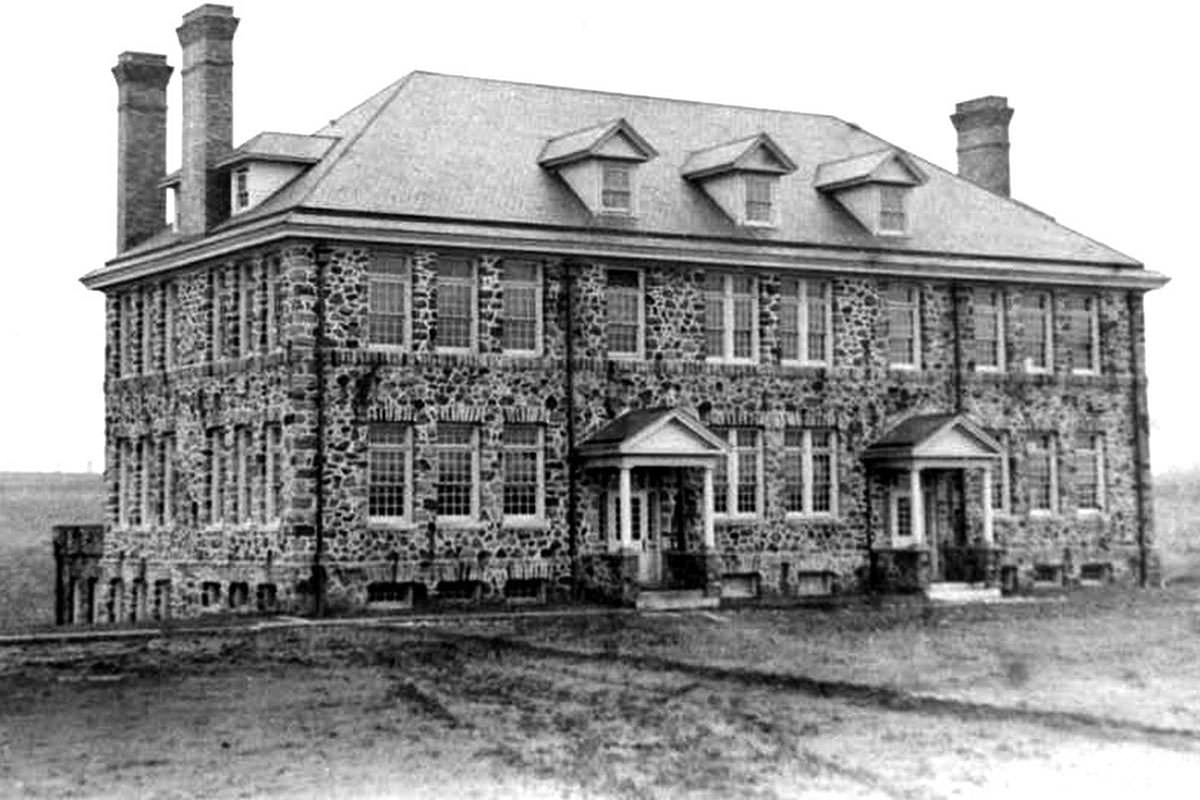
In 1902 the Institute relocated to George Cheyney’s farm, a 275-acre property about 25 miles west of Philadelphia. The name “Cheyney” became associated with the school in 1913, though the official name changed several times through the 20th century. As a charter member of the Pennsylvania State System of Higher Education, Cheyney State College became Cheyney University of Pennsylvania in 1983, the oldest of the system’s fourteen member institutions and the only HBCU among them. The school that started as a training institute now counts more than 30,000 graduates, including the late CBS “60 Minutes” correspondent Ed Bradley and civil rights organizer Bayard Rustin.
The Oldest HBCUs, in Order
The three oldest HBCUs are Cheyney University (1837), Lincoln University (1854), and Wilberforce University (1856), all founded before the Civil War. A cluster of institutions established in the following decades rounds out the earliest chapter of Black higher education. These are the earliest-founded HBCUs by year:
| Founded | Institution | Location |
|---|---|---|
| 1837 | Cheyney University of Pennsylvania | Cheyney, PA |
| 1854 | Lincoln University | Lincoln University, PA |
| 1856 | Wilberforce University | Wilberforce, OH |
| 1857 | Harris-Stowe State University | St. Louis, MO |
| 1862 | LeMoyne-Owen College | Memphis, TN |
| 1865 | Shaw University | Raleigh, NC |
The three oldest all predate the Civil War. Most other HBCUs were founded after 1865, once emancipation opened the door to Black education across the South, so this short list represents the true pioneers rather than a ranking of the ten largest or best-known schools today.
First, Oldest, and the Nuances Behind the Titles
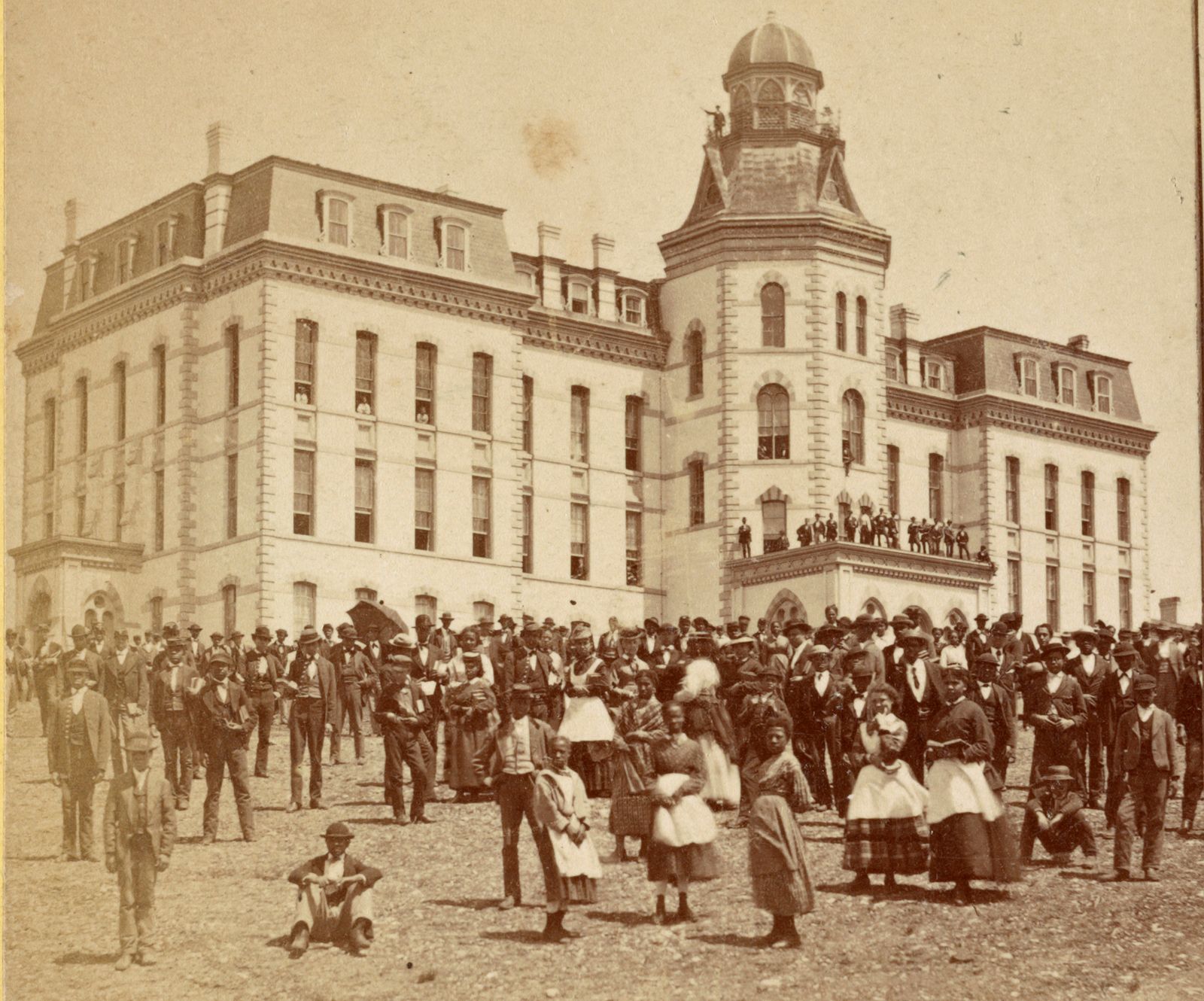
Several HBCUs each hold a different “first”: Cheyney (1837) was the first founded, Lincoln (1854) was the first degree-granting, Wilberforce (1856) is the oldest private HBCU and first owned by African Americans, and Shaw (1865) was the first in the South. Cheyney was first to open, but it operated as a training institute in its early decades rather than a degree-granting college.
Lincoln University, founded in 1854 and originally chartered as the Ashmun Institute, was the first degree-granting HBCU. Wilberforce University, founded in 1856 in Ohio and affiliated with the African Methodist Episcopal Church, is the nation’s oldest private HBCU and the first to be owned and operated by African Americans. Further south, Shaw University in Raleigh, founded in 1865, is recognized as the first HBCU in the South. Reading these titles as competing claims misses the point: each marks a genuine first, which is why the same three or four names recur whenever the “first HBCU” question comes up.
What Makes a College an HBCU?
An HBCU is a historically Black college or university, a designation with a specific legal meaning. Under the Higher Education Act, a qualifying institution is one that was established before 1964, whose principal mission was and is the education of Black Americans, and that is accredited by a recognized agency. That “before 1964” cutoff is why the label is historical: it recognizes schools that served Black students during segregation, when most other colleges would not admit them.
Many HBCUs trace their funding to the second Morrill Act of 1890, which pushed states to open Black land-grant colleges rather than admit Black students to existing white ones. Federal recognition and support were formalized later through the Higher Education Act of 1965 and subsequent executive orders. Today there are more than 100 HBCUs across the country. You can see the full list of HBCUs by state, or read more on what an HBCU is and why they matter. The U.S. Department of Education’s White House Initiative on HBCUs maintains the official federal list.
Why the First HBCUs Still Matter
The institutions that came first built the foundation for everything HBCU culture is known for today, from homecoming and marching bands to the Divine Nine fraternities and sororities that took root on these campuses. Understanding that Cheyney opened in 1837, a generation before emancipation, reframes HBCUs as a long tradition of self-determination rather than a post-war afterthought. That heritage is part of what students celebrate in HBCU yard culture and the pride of repping a school with roots that deep.
If you are proud of your HBCU or your letters, browse Ireishprint’s custom HBCU and Greek apparel to wear that history your way.