

The Divine Nine is a name that carries deep meaning in Black American culture, history, and community life. If you have seen Greek letters on a college campus, watched members stepping at a homecoming event, or noticed a reference in a favorite television show, you have already encountered the footprint of these nine organizations. Understanding what the Divine Nine is, how it came to be, and why it continues to matter today is essential for anyone who wants to understand the full scope of Black American history and the institutions that have shaped it.
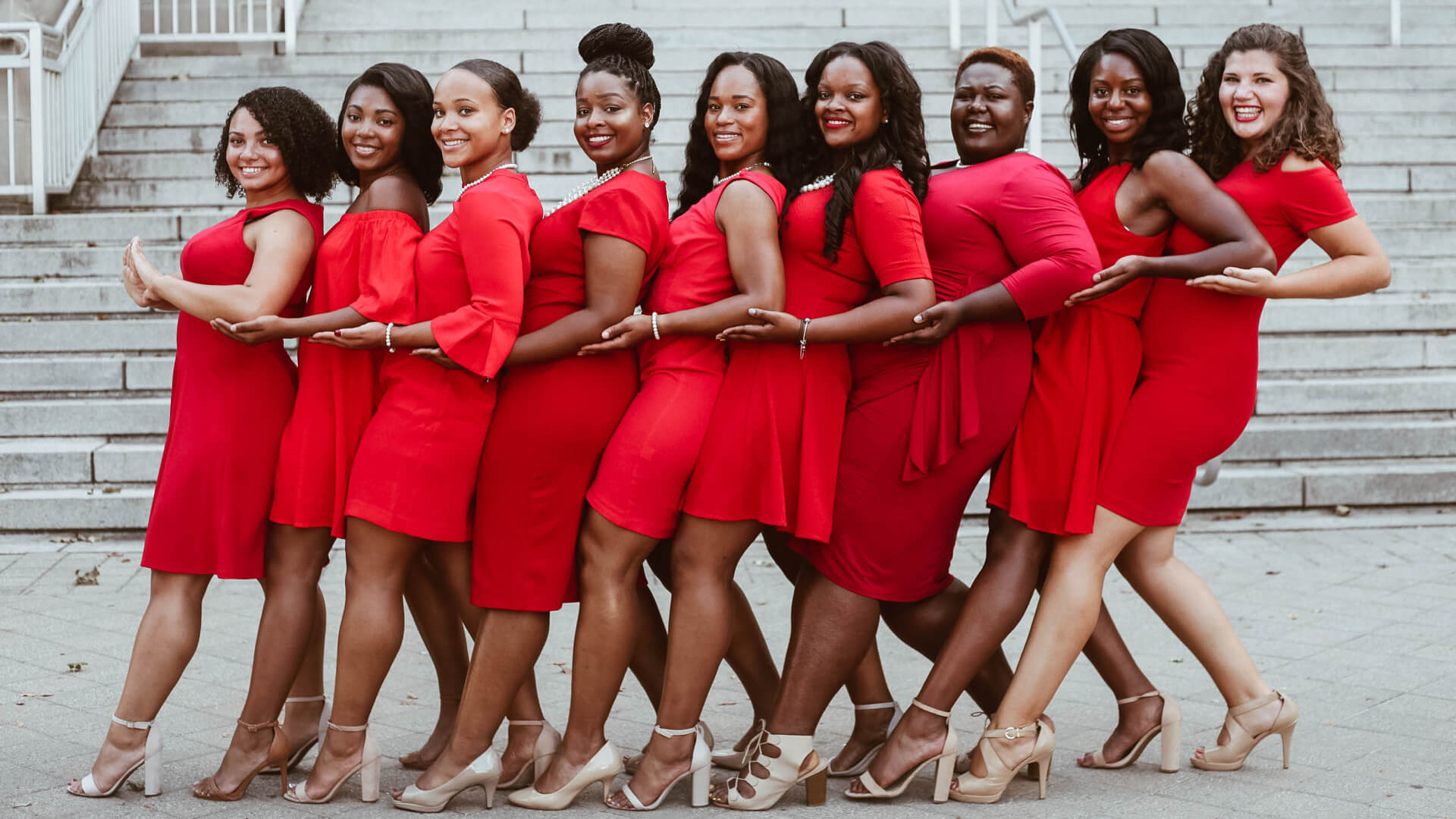
The Divine Nine is the widely used nickname for the nine historically Black Greek-letter organizations that make up the National Pan-Hellenic Council, commonly known as the NPHC. These organizations include five fraternities and four sororities, and together they represent nearly 4 million members across the United States and internationally. They are bound together not simply by Greek letters or traditions but by a shared commitment to service, scholarship, brotherhood and sisterhood, and the uplift of Black communities.
Which Organizations Make Up the Divine Nine?
The nine organizations within the NPHC are five fraternities and four sororities, founded between 1906 and 1963 across both predominantly white institutions and historically Black universities. The fraternities are Alpha Phi Alpha (Cornell, 1906), Kappa Alpha Psi (Indiana, 1911), Omega Psi Phi (Howard, 1911), Phi Beta Sigma (Howard, 1914), and Iota Phi Theta (Morgan State, 1963). The sororities are Alpha Kappa Alpha (Howard, 1908), Delta Sigma Theta (Howard, 1913), Zeta Phi Beta (Howard, 1920), and Sigma Gamma Rho (Butler, 1922).
Each organization has its own founding story, motto, principal color scheme, and roster of notable members ranging from Martin Luther King Jr. and Thurgood Marshall to Kamala Harris and Zora Neale Hurston. For a complete side-by-side comparison of all nine, including founding dates, chapter counts, signature programs, and famous members, see the complete Divine Nine comparison chart.
The Core Values That Unite the Divine Nine
Though each organization has its own specific founding principles, the nine groups share a common foundation that has defined their purpose across generations.
Community service is not an add-on for Divine Nine organizations — it is the reason they exist. From voter registration drives and literacy programs to health awareness campaigns and scholarship funds, these organizations have consistently directed their collective energy toward the communities most in need. Members understand that access to education and professional opportunity carries a responsibility to give back, and that understanding shapes how chapters operate at every level.
Brotherhood and sisterhood in the Divine Nine carry a weight that extends well beyond the college years. Members join for life, not for four years, and the networks they build connect them across industries, cities, and decades. Graduate chapters keep alumni active and engaged long after they leave campus, and the relationships formed within these organizations have opened professional and personal doors that would otherwise remain closed.
Racial uplift and social justice have been inseparable from the mission of the Divine Nine since the first organizations were founded during the height of Jim Crow. The drive to build Black institutions of power and solidarity in the face of systemic exclusion has never left these organizations. It has evolved in form — from Civil Rights marches to Black Lives Matter advocacy — but the core conviction that Black communities deserve institutions built specifically to serve them remains unchanged.

The History of the Divine Nine
The nine organizations did not arrive all at once. They were built across six decades, beginning in 1906 at Cornell University, where seven Black men founded Alpha Phi Alpha as a study group in response to their exclusion from the existing Greek system. The last of the nine, Iota Phi Theta, was founded at Morgan State University in 1963, the year of the March on Washington. The coordinating body that unites them, the National Pan-Hellenic Council, was founded at Howard University in 1930, and the term Divine Nine itself was coined by author Lawrence C. Ross in his 2001 book on the subject.
For the full chronological story of each founding, the rise of the National Pan-Hellenic Council, and the role these organizations played between the World Wars and through campus integration, see the history of Black fraternities and sororities in America. For a closer look at the specific conditions of exclusion that made these organizations necessary in the first place, see why Black Greek organizations were founded.
The Civil Rights Movement and the Divine Nine
By the 1950s, the Divine Nine had spent half a century building exactly the kind of leadership networks, organizational capacity, and moral clarity that a mass movement required. The most prominent figures of the Civil Rights era were members: Martin Luther King Jr. of Alpha Phi Alpha, Coretta Scott King of Alpha Kappa Alpha, Jesse Jackson of Omega Psi Phi, Ralph Abernathy of Kappa Alpha Psi, and Hosea Williams of Phi Beta Sigma, among many others. The density of movement leadership inside the nine organizations was not a coincidence. The infrastructure built for scholarship and community service became the infrastructure that organized marches, registered voters, and sustained the movement through its hardest years.
For the deeper account, including the courtroom work that ran in parallel to the public protests, the role of named women leaders, and the alliance with the NAACP, CORE, and SCLC, see the Divine Nine’s impact on the Civil Rights movement.
The Divine Nine and Pop Culture
Beyond their political and civic roles, the Divine Nine have left a deep imprint on Black American culture and its presence in mainstream media.
Television shows like A Different World brought Black Greek life into living rooms across the country, making it visible and aspirational to millions of viewers who had never set foot on an HBCU campus. For a generation of young Black students, the show was their first detailed look at what membership in a historically Black Greek organization could mean, and it sparked real interest that translated into chapter membership.
Films like Stomp the Yard introduced stepping to audiences far outside the tradition, sparking enthusiasm and, among some members, controversy about how their culture was being represented. Stepping — intricate choreography combining footwork, clapping, and spoken word — is one of the most visible traditions in Black Greek life. The first formal Greek step show was held at Howard University in 1976, and the practice has since become a signature expression of chapter pride and shared identity.
Beyonce’s 2018 Coachella performance stands as one of the most widely discussed tributes to Black Greek culture in recent memory. She built a fictional organization called Beta Delta Kappa and drew directly on the aesthetics, rituals, and energy of Divine Nine life, bringing that world into the global spotlight in a way that no stage had done before. References to the Divine Nine continue to appear in music, fashion, and the personal histories that Black public figures share about what shaped them.
How the Divine Nine Differs from NPC and IFC Greek Life
The Divine Nine operates under the NPHC, a separate governing body from the National Panhellenic Conference (NPC), which oversees predominantly white sororities, and the Interfraternity Council (IFC), which oversees predominantly white fraternities. The differences are not cosmetic. NPHC organizations use a private intake process instead of open rush, typically maintain outdoor Greek plots rather than chapter houses, and direct their service work toward local Black communities rather than national philanthropic partners. The deepest difference is historical: the NPHC was founded precisely because white Greek organizations refused to affiliate with Black ones during the Jim Crow era, and that origin still shapes how the two worlds relate on campus today.
For the full comparison, including the council structure, the differences between intake and rush, the campus footprint of each system, and what each tradition prioritizes, see Divine Nine vs Panhellenic vs IFC Greek life.
How the Divine Nine Contributes to Black Communities Today
The contributions of the Divine Nine extend far beyond their membership rolls and chapter houses. Their impact on Black communities across the country is tangible, ongoing, and measurable.
Philanthropic work has always been central to how these organizations operate. They run voter registration drives, literacy programs, mentorship initiatives, scholarship funds, and health awareness campaigns. Individual chapters partner with local organizations to address the specific needs of the communities where they are based. The issues they take on range from heart disease awareness and sexual assault prevention to housing insecurity and educational access. Members of the Divine Nine collectively contribute millions of hours of service and millions of dollars to their communities each year.
Social justice advocacy remains as central to the mission of the Divine Nine today as it was during the Civil Rights era. When George Floyd was killed in 2020, the National Pan-Hellenic Council issued a collective statement calling for racial justice. Individual members and chapters organized and demonstrated across the country. Organizations within the Divine Nine have also been vocal on issues including mass incarceration, police brutality, and the protection of voting rights, continuing a tradition of civic engagement that stretches back to their founding.
Mentorship and leadership development are built into the structure of these organizations at every level. Collegiate members have access to alumni networks that span every profession and every region of the country. Graduate chapters provide a community for members long after they have left campus, and many members describe their fraternity or sorority as one of the most important professional resources they have throughout their careers.
The Divine Nine on HBCU and PWI Campuses
The Divine Nine operates in two very different campus environments. At historically Black colleges and universities, where six of the nine organizations were founded at Howard alone, BGLOs are woven into the central culture of campus life. The Yard, Greek plots, step shows, and homecoming events make Black Greek presence visible at a scale that is hard to miss. At predominantly white institutions, the same organizations run smaller, tighter-knit chapters that often function as primary community spaces for Black students who would otherwise have few campus institutions built with them in mind.
The intake process and the founding mission are identical across both settings, but the day-to-day experience differs significantly. For a closer look at how the same Divine Nine chapters operate differently at HBCUs and PWIs, including campus visibility, event scale, and the kind of community infrastructure each setting provides, see Greek life at HBCUs vs PWIs.
What Membership in the Divine Nine Looks Like
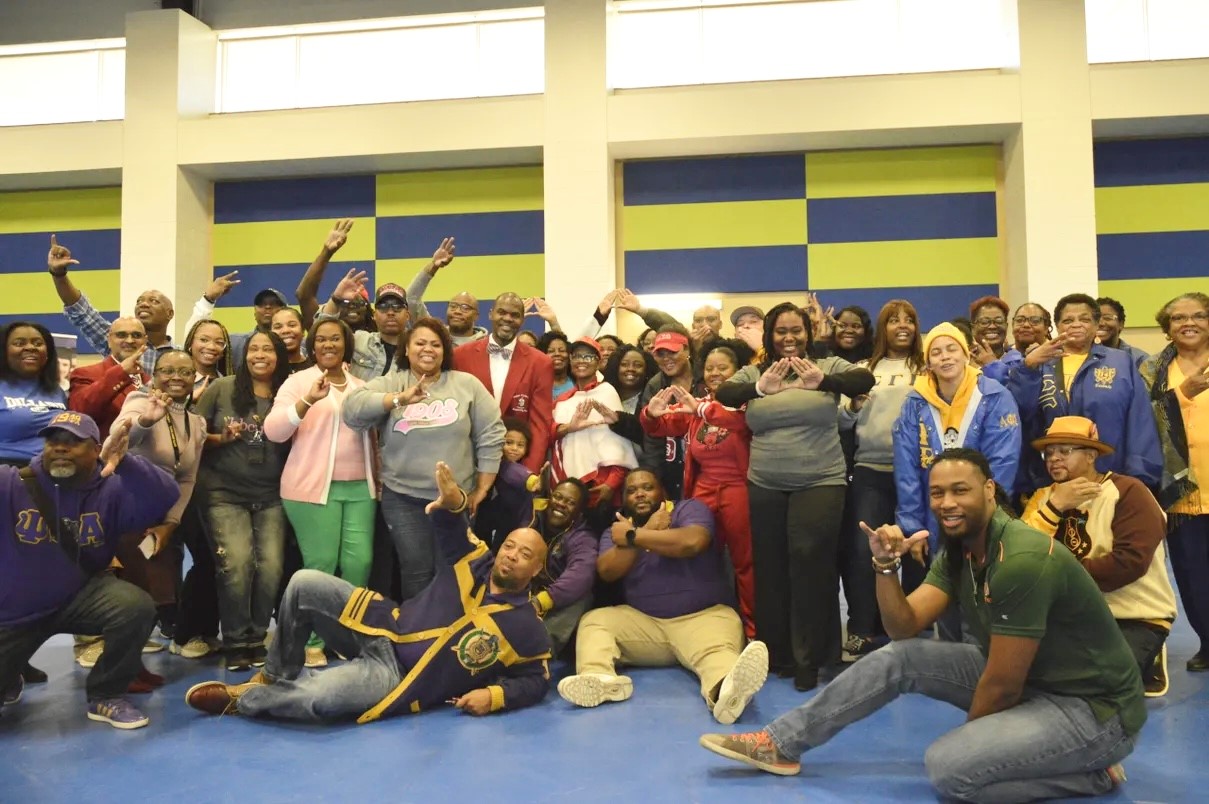
Joining one of the Divine Nine organizations is not a decision to be made lightly. Membership comes with real commitments of time, energy, and resources that extend throughout a member’s life.
The intake process varies by organization and chapter, but it typically involves a period of education, evaluation, and engagement before a candidate is considered for membership. The process is designed to ensure that new members understand and are prepared to uphold the values and traditions of the organization. Once a member, the expectation is sustained participation: attending meetings, contributing to service projects, supporting chapter events, and maintaining the standards of the organization in every area of life.
Financial costs are real and often higher than people expect. Membership dues, contributions to chapter activities, and expenses related to participation in regional and national events require ongoing financial commitment. One member at Wofford College noted that joining a Divine Nine organization is expensive, and chapters often hold fundraising events throughout the year to sustain their operations. Many members describe the costs as worthwhile given the professional connections, personal growth, and lifelong community that membership provides in return.
Personal growth is the outcome that members most consistently point to when they reflect on their experience. Building leadership skills, developing confidence, learning to work within a complex organization, and gaining a deeper understanding of Black history and culture are all part of what membership in the Divine Nine makes possible. Many members say that their time in these organizations fundamentally shaped who they became.
Frequently Asked Questions
What is the point of the Divine Nine?
The Divine Nine exists to serve Black communities through scholarship, civic engagement, and social justice advocacy. Beyond their service mission, these organizations create lifelong networks of brotherhood and sisterhood that support their members professionally and personally. The nine organizations have collectively produced leaders in virtually every sector of American public life.
How is the NPHC different from NPC and IFC Greek life?
NPHC organizations use a private intake process rather than the open rush and bid-day model used by NPC and IFC chapters. They rarely maintain traditional Greek houses, relying instead on Greek plots. Their service focus is directed at local community needs rather than national philanthropy partnerships. Most fundamentally, the NPHC was created because NPC and IFC organizations excluded Black students — a historical fact that continues to shape the distinct identity and purpose of the Divine Nine.
Why were the Divine Nine organizations founded?
They were founded because Black students were excluded from existing Greek-letter organizations on American college campuses in the early 1900s. Rather than accept exclusion, Black students created their own organizations rooted in the specific experiences, needs, and aspirations of Black Americans. Each organization was also founded with a clear public service mission, reflecting a belief that Black achievement came with a responsibility to lift the entire community.
Can you join the Divine Nine after college?
Yes. Most Divine Nine organizations offer graduate chapter membership for adults who did not join during their undergraduate years. Graduate chapter intake processes exist in many cities and are open to individuals who meet the academic, professional, and character requirements set by each national organization. Graduate membership provides access to the same networks, service opportunities, and community that undergraduate members experience.
Why the Divine Nine Still Matters
The question of why the Divine Nine matters today answers itself in the actions these organizations take every single day. In a country where Black Americans continue to face systemic barriers in education, healthcare, economic opportunity, and political participation, organizations that have spent more than a century building power, developing leaders, and serving communities are as relevant as they have ever been.
The Divine Nine are the product of Black students who refused to accept exclusion and who built something lasting, structured, and powerful in response. The nine organizations that form the NPHC are living proof that when communities invest in one another, the results can endure for generations, shaping the lives of people who were not yet born when the original founders first put on their letters. They have adapted to every era they have lived through, marching during the Civil Rights movement, organizing during the Black Power movement, and responding to every crisis that has threatened Black communities in America. That continuity of purpose, carried forward through millions of members across more than a hundred years, is what makes the Divine Nine unlike anything else in American institutional life.